
Soba Noodles for Diabetics: A Nutritious Choice for Balanced Blood Sugar
The Slow but Steady Rise of Soba Noodles for Diabetics: What’s the Fuss?
Most of us think of soba noodles as a delicious, traditional Japanese staple: thin strands of buckwheat goodness, served cold or hot, often with a dipping sauce or in broth. But what if these humble noodles could mean something more — like a small but significant tool to help managing blood sugar for diabetics worldwide? It’s an odd connection, but an increasingly important one. Why? Because globally, the number of people dealing with diabetes is staggering — over 450 million and counting—and dietary choices matter now more than ever.
Enter soba noodles for diabetics. These aren’t just any noodles tossed hurriedly into a broth. Their unique composition offers benefits that traditional wheat-based pastas often lack, notably a lower glycemic impact and better nutrient profile. That alone shifts them into an interesting arena, from lunch tables in Tokyo to healthcare diets in Europe and North America.
Understanding the Global Context: Diabetes on the Rise and Dietary Drivers
According to the World Health Organization, diabetes rates have nearly quadrupled since 1980. The Global Burden of Disease Study highlights diabetes as a leading cause of disability and premature death worldwide. Meanwhile, the UN’s health agencies stress nutrition as a cornerstone in managing it.
Diabetics must carefully balance carbohydrate intake to avoid dangerous blood sugar spikes. Here’s where soba noodles have quietly crept into healthcare discussions: their glycemic index is generally lower than that of typical pasta or even white rice, especially when made from 100% buckwheat or high-ratio blends. This means slower sugar absorption and more stable glucose levels.
That’s a significant challenge addressed by this “superfood” noodle — promoting balanced nutrition without sacrificing taste or cultural compatibility.
Key takeaway: As diabetes prevalence rises worldwide—estimated to hit 700 million by 2045—accessible, culturally familiar dietary options like soba noodles become essential parts of global nutritional strategy.
Decoding Soba Noodles for Diabetics: What Are They Really?
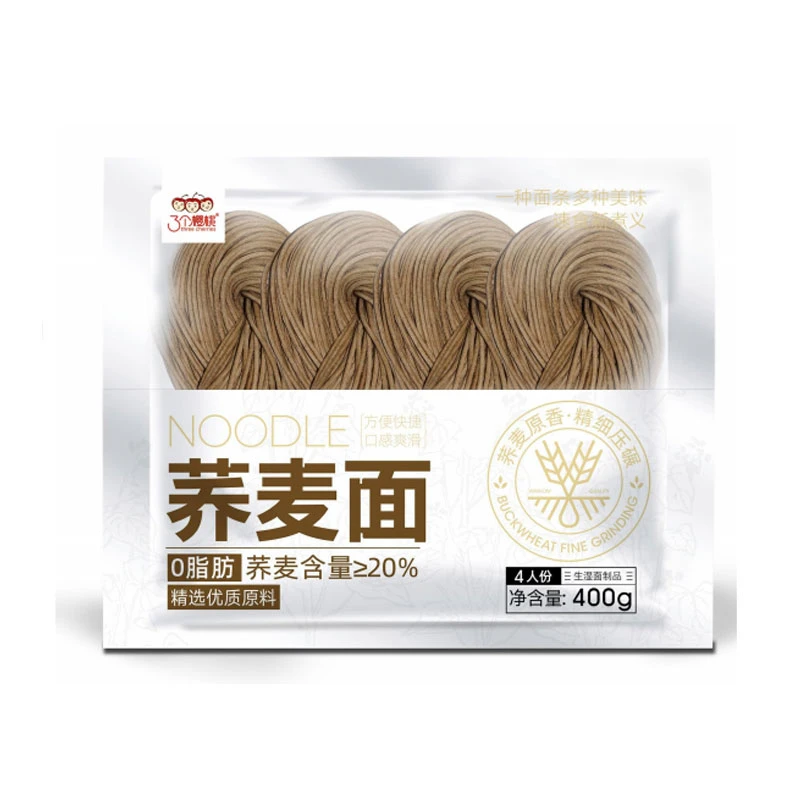
Simply put, soba noodles are primarily made from buckwheat flour, which, despite its misleading name, is actually a seed rather than a cereal grain. That distinction is crucial: buckwheat’s complex carbs and high fiber content moderate glucose absorption.
For diabetics, “soba noodles” available commercially often vary—some mixes blend buckwheat with refined wheat for texture. But the focus is on maximizing buckwheat ratios and sometimes using whole grain variants to boost nutritional value. Their appeal is twofold: lower glycemic impact and a protein-rich profile, containing essential amino acids, vitamins like B2, and minerals such as magnesium and manganese.
So, soba noodles aren’t just tasty; they connect to the growing industrial and humanitarian push for foods that both satisfy and support health worldwide.
Interesting sidenote: Buckwheat is gluten-free, so pure soba noodles cater nicely to those who are gluten-sensitive or have celiac disease, expanding their potential reach.
Key Factors Underpinning Soba Noodles’ Benefits for Diabetics
1. Glycemic Index (GI) and Blood Sugar Control
Soba’s lower GI—ranging roughly between 40 and 55 depending on recipe—means it releases glucose slowly. This is vital for diabetics seeking to avoid the notorious “sugar crashes” from quick-digesting carbs.
2. Nutrient Density and Protein Content
Buckwheat-based noodles provide more protein per serving than typical wheat pasta, along with antioxidants like rutin, which have anti-inflammatory properties. This contributes not only to blood sugar regulation but also to cardiovascular health—another diabetic risk area.
3. Digestive Fiber
The insoluble fiber in soba noodles helps improve digestion and adds satiety, which can curb overeating—a common issue among people managing weight and blood sugar.
4. Taste and Culinary Versatility
This might seem trivial in a health article, but it’s crucial. Food that is bland or hard to prepare often fails in consistent use. Soba noodles pair well with various cuisines, from simple broth soups to stir-fried veggies, smoothing the path to lasting dietary habits.
5. Accessibility and Cultural Acceptance
In many parts of Asia and increasingly the West, soba noodles are readily available, affordable, and familiar—important logistics for both individuals and healthcare providers integrating new dietary options.
Summary: These combined factors position soba noodles as more than just a specialty food—they’re a feasible functional food for diabetic care.
Where Are Soba Noodles for Diabetics Making a Real Difference?
They’re not just trendy; soba noodles are actively incorporated in clinical diet programs in Japan, where diabetes is a pressing national concern. European nutritionists also recommend soba as part of balanced diabetic diets. In the United States, health-conscious consumers increasingly turn to soba noodles as alternatives to high-GI pastas and rice.
Some humanitarian organizations include soba-based products in nutrition packs for populations vulnerable to lifestyle-related illnesses in Asia and Eastern Europe. In remote areas where refrigerated foods are impractical, dried soba noodles offer shelf life and nutritional benefits.
Plus, soba’s gluten-free nature has driven its inclusion in special diet menus at hospitals and elderly care centers, showing growing institutional acceptance.
Inside the Bowl: A Quick Specification Table of Typical Soba Noodles for Diabetics
| Specification | Detail |
|---|---|
| Main Ingredient | 100% Buckwheat or 80/20 Blend (Buckwheat/Wheat) |
| Glycemic Index (GI) | 40-55 (Varies by processing) |
| Protein Content (per 100g) | 5-7 grams |
| Fiber Content | 3-4 grams |
| Common Packaging | 200g - 500g packs (dried) |
| Shelf Life | 12-18 months in dry conditions |
Comparing Popular Soba Noodle Vendors for Diabetic-friendly Products
| Vendor | Buckwheat Ratio | Gluten Status | Price Range (USD) | Certification |
|---|---|---|---|---|
| Yamamotoyama | 100% | Gluten-Free | $5 - $8 per pack | Organic JAS |
| Hodo Foods | 80% | Contains Gluten | $4 - $7 per pack | Non-GMO Project Verified |
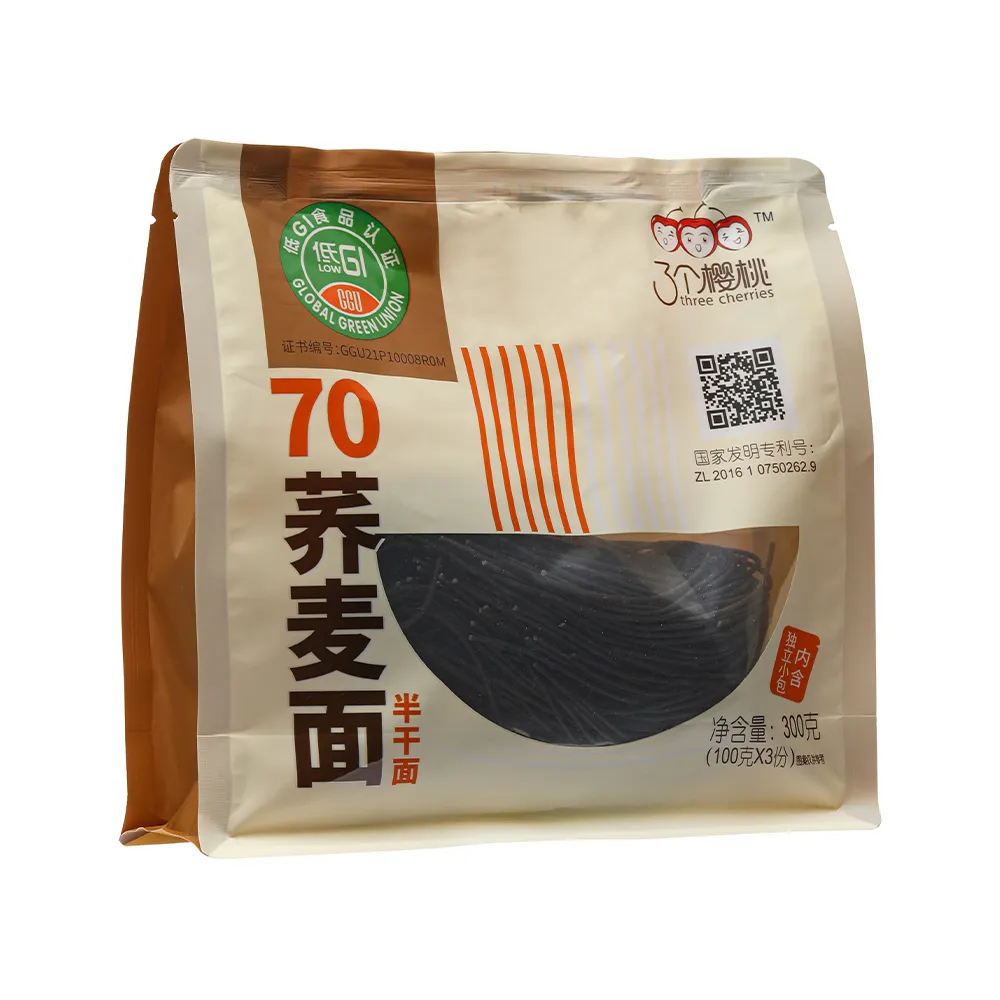
| Eden Foods | 70% | Contains Gluten | $6 - $9 per pack | Organic |
What’s the Long-Term Value of Turning to Soba Noodles for Diabetics?
Tangibly, choosing soba noodles supports blood sugar stability, which can reduce the risk of diabetic complications like neuropathy or kidney issues. Cost-wise, they’re often affordable, especially compared to specialized diabetic foods, with shelf stability adding convenience.
Emotionally, offering culturally resonant foods fosters dignity and ease in meal planning. Many patients report better meal satisfaction, which in healthcare really translates to better adherence to recommended diets.
Sustainability is a subtle but growing factor too—buckwheat grows well in poor soils, with less fertilizer than wheat, somewhat aligning with greener agricultural practices.
Looking Ahead: Innovations Shaping the Future of Soba Noodles in Diabetic Nutrition
We’re seeing innovations like fortified buckwheat blends with added fiber and protein isolates, and even soba noodles infused with functional ingredients such as chromium or cinnamon extracts, known for blood sugar support.
Technologically, automation in noodle production ensures consistent buckwheat ratios and hygienic packaging, critical for institutional food services. The push for more transparent labeling and certification (think ISO and gluten-free seals) is growing alongside consumer demand.
These trends align with the broader push for sustainable, functional foods driven by digital platforms connecting consumers with trusted product stories and health benefits.
Challenges Along the Noodle Road and How Experts are Tackling Them
There are a few bumps, frankly. Taste and texture vary widely, especially in 100% buckwheat varieties, which can deter some consumers. Also, supply chain issues sometimes make pure buckwheat soba more expensive or less available off-season.
To solve this, producers experiment with blends and improved milling technologies. Nutritionists encourage education so people try soba prepared authentically rather than settling for inferior versions. Meanwhile, local buckwheat farming initiatives aim to stabilize supplies and prices.
FAQ: Practical Questions About Soba Noodles for Diabetics
Q1: Are soba noodles really better than wheat pasta for blood sugar control?
A1: Generally, yes. Pure buckwheat soba noodles have a lower glycemic index than standard wheat pasta, which means they cause less rapid blood sugar spikes — a key benefit for diabetics monitoring carb intake. That said, blends vary, so always check labels.
Q2: Can diabetics eat soba noodles every day?
A2: You can include them regularly, but balance is important. Pairing soba noodles with protein, healthy fats, and vegetables enhances nutrition and prevents blood sugar spikes. Variety in diet also supports overall health.
Q3: Where can I find high-quality soba noodles suitable for diabetic diets?
A3: Specialty grocery stores, health food shops, and online retailers offer 100% buckwheat soba noodles. Look for certifications like gluten-free, organic, and non-GMO, and check for minimal additives.
Q4: Are soba noodles gluten-free?
A4: Pure buckwheat soba noodles are gluten-free, but many commercial brands mix wheat flour for texture. Always check packaging if gluten is a concern.
Q5: Can soba noodles be part of diabetic meal plans worldwide?
A5: Absolutely. Their nutritional profile, shelf stability, and cultural flexibility make soba noodles a viable option in many regions — from Asia to Europe and North America — increasingly recommended by dietitians.
Wrapping It Up
Soba noodles for diabetics seemingly offer a quiet but meaningful solution to some pressing dietary challenges. By balancing lower glycemic impact, nutrition, and cultural adaptability, they bridge health goals and enjoyable eating. This makes them not just a food trend but a practical component of diabetic nutrition plans, with benefits poised to grow alongside innovations and wider global awareness.
Curious to dive deeper or explore options? Visit our website for more on soba noodles for diabetics and discover how you can take a small step today towards healthier meals.
References
-
Discover the Authentic Taste of Korean Buckwheat NoodlesNewsApr.16,2026
-
Discover the Refreshing Taste of Authentic Korean Cold SobaNewsApr.09,2026
-
Discover the Refreshing Taste of Korean Cold Buckwheat Noodles NaengmyeonNewsApr.07,2026
-
Discover the Cool and Refreshing World of Korean Buckwheat Noodles ColdNewsApr.04,2026
-
Discover the Refreshing Taste of Japanese Cold Buckwheat Noodles and Zaru SobaNewsMar.31,2026
-
Exploring the Delicious World of Chinese Style Cold NoodlesNewsMar.28,2026
-
Discover the Cool and Refreshing World of Korean Cold Soba NoodlesNewsMar.26,2026
Browse qua the following product new the we