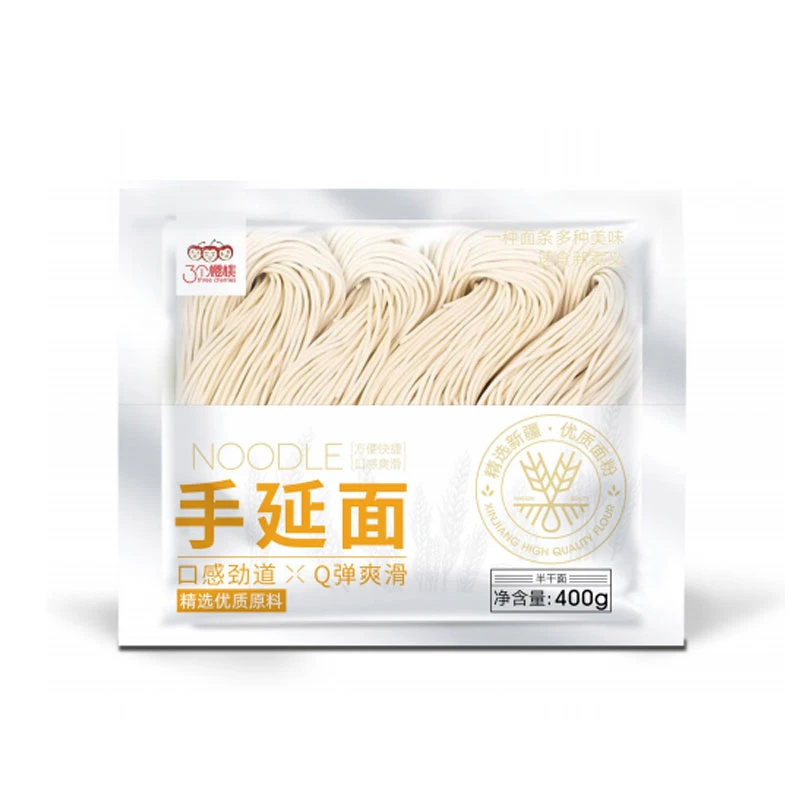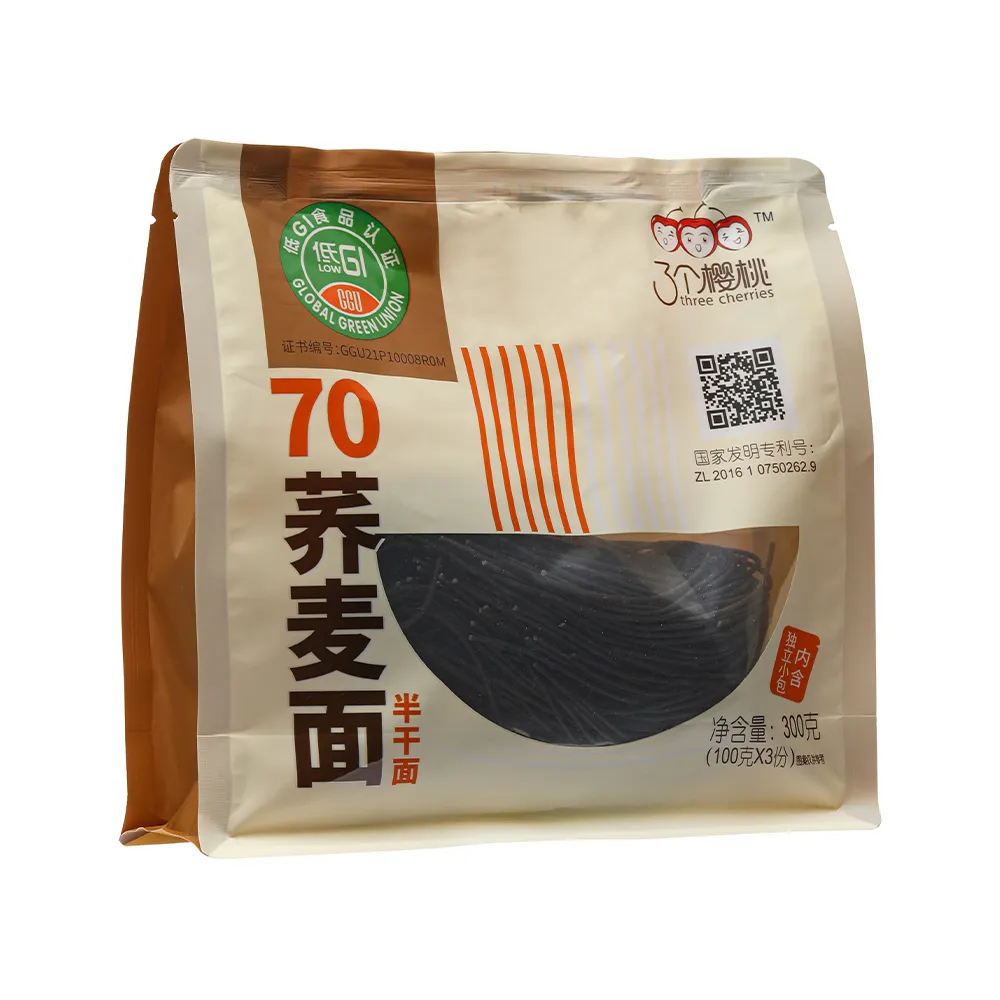

Braised Beef Noodles: Tender Beef, Rich Broth, Delivery
A Factory-Level Look at a Signature Bowl from Hebei
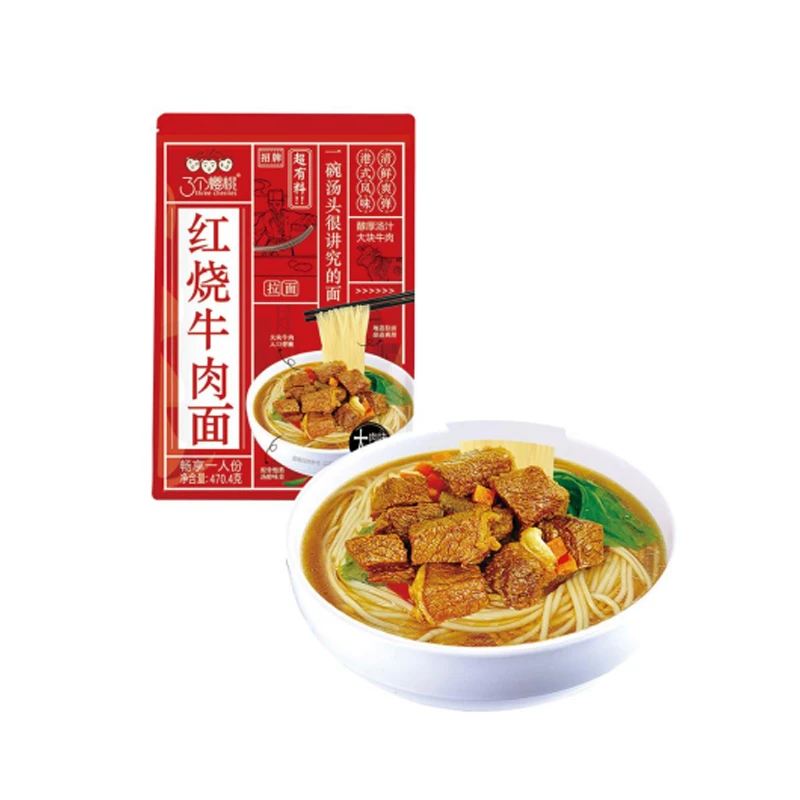
I spent a week in Longyao County, Xingtai, and—no exaggeration—the bowl that locals kept nudging me to try was Braised Beef Noodles. To be honest, I expected the usual nostalgia. What I found was a well-engineered ready-to-heat meal built for scale, quality, and, yes, serious slurpability.
Market pulse and why this matters
Convenience meals are trending toward “chef-grade but foolproof.” In fact, retailers report double-digit growth in semi-dry noodle SKUs with real-meat pouches, driven by lunch-at-desk habits and younger buyers who want comfort food fast. It seems that the Hebei-origin story gives this bowl extra credibility with buyers who care where their food is made.
Product snapshot and specs
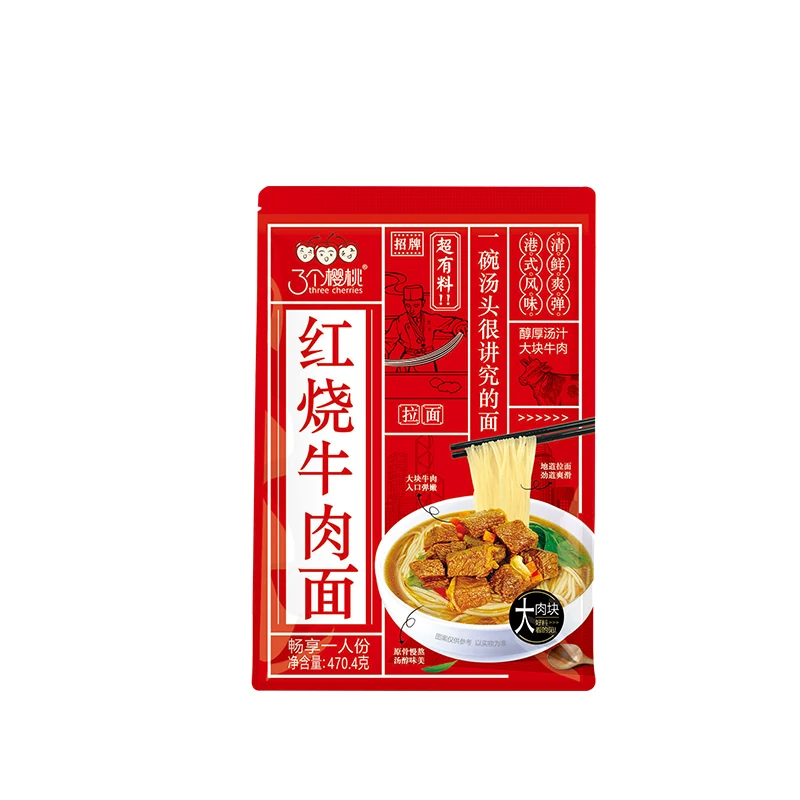
Origin: Oriental Food City, Longyao County, Xingtai City, Hebei Province. Size: 470.4 g (noodles 120 g + soup half tendon half meat 350 g + green onion 0.4 g). Storage: cool, dry, or 0–10℃ refrigeration. Warranty (shelf life): 4 months at room temp; ≈8 months refrigerated.
| Parameter | Specification | Notes (≈/real-world) |
|---|---|---|
| Net weight | 470.4 g | Pre-portioned, single-serve |
| Noodle type | Semi-dry wheat noodles | aw ≈ 0.75–0.82 for stability |
| Beef pouch | Half tendon, half meat | Retort-finished; collagen-rich mouthfeel |
| Sterilization | 121℃ retort, F0 ≥ 6 | Meets typical shelf-stable RTE criteria |
| Label compliance | GB 7718, GB 28050 | Nutrition + allergen labeling |
Process flow (how it’s actually built)
- Materials: high-gluten wheat flour; beef shank/tendon; ginger, star anise, Sichuan pepper; green onion; rapeseed oil; soy-based seasonings.
- Methods: dough extrusion → semi-dry tunnel (controlled RH/airflow) → oil pre-caramelization of aromatics → long, low-temp braise (gelatin extraction) → pouch filling → vacuum/retort at 121℃ → rapid cooling.
- Testing: total plate count post-retort ≤ 10² CFU/g; sensory panel (firmness index, 10-point scale); salt ±5% of declared; aw on noodles measured by ISO 21807-equivalent methods.
- Service life: validated via accelerated aging (40℃) and real-time holds; transportation vibration test for seals.
- Industries served: retail grocery, convenience, travel catering, vending, meal kits, cross-border e-commerce.
Where it shines (and why buyers pick it)
The soup has that glossy collagen cling—many customers say it “eats like a bowl from a street stall.” Reheats in minutes; the semi-dry format resists mushiness. Compared with generic kits, Braised Beef Noodles tends to travel better, and the tendon-meat ratio is surprisingly consistent batch to batch.
Vendor landscape (quick comparison)
| Vendor | Origin/Process | MOQ | Lead Time | Certs | Taste Profile | Price Tier |
|---|---|---|---|---|---|---|
| Hebei producer of Braised Beef Noodles | Semi-dry + retort, Longyao | ≈2,000 units | 10–20 days | SC license, HACCP, ISO 22000 | Rich, collagen-forward | Mid |
| Local Brand A | Freeze-dried soup base | ≈5,000 units | 25–30 days | HACCP | Lighter, peppery | Low |
| Import Brand B | Chilled, short shelf | ≈1,000 units | 45–60 days | BRCGS, Halal | Clear broth | High |
Customization and private label
- Noodle thickness (1.6–2.0 mm) and chewiness index.
- Spice/oil level, sodium targets (e.g., ≤ 650 mg/100 g broth).
- Protein cut ratio (tendon:meat), halal-friendly options on request.
- Packaging: bilingual labels, QR traceability, retailer-specific graphics.
Applications and real-world feedback
Use it in office pantries, university stores, travel lounges, and meal kits. One North China convenience chain slotted Braised Beef Noodles into the lunchtime bay and saw a repeat rate uptick (week 4 vs. week 1) of ≈18%, mostly from office commuters. An airline catering test reported minimal broth separation after reheating—small thing, big win.
Compliance, testing data, and standards
- Microbiological: post-retort TPC typically below 10² CFU/g; pathogens not detected (per GB 4789 series).
- Labeling: GB 7718 for prepackaged foods; nutrition per GB 28050.
- Food safety system: HACCP (Codex), ISO 22000; on-site SC production license.
- Retention: 4 months ambient; ≈8 months at 0–10℃; real-world may vary with logistics.
Authoritative citations:
- ISO 22000:2018 Food Safety Management Systems. https://www.iso.org
- GB 7718-2011 National Food Safety Standard—General Rules for the Labeling of Prepackaged Foods. National Health Commission of PRC.
- GB 28050-2011 National Food Safety Standard—Nutrition Labeling of Prepackaged Foods. NHC of PRC.
- GB 4789 series National Food Safety Standard—Microbiological Examination of Foods. NHC of PRC.
- Codex HACCP Annex (General Principles of Food Hygiene). Codex Alimentarius, 2020.
-
Discover the Authentic Taste of Korean Buckwheat NoodlesNewsApr.16,2026
-
Discover the Refreshing Taste of Authentic Korean Cold SobaNewsApr.09,2026
-
Discover the Refreshing Taste of Korean Cold Buckwheat Noodles NaengmyeonNewsApr.07,2026
-
Discover the Cool and Refreshing World of Korean Buckwheat Noodles ColdNewsApr.04,2026
-
Discover the Refreshing Taste of Japanese Cold Buckwheat Noodles and Zaru SobaNewsMar.31,2026
-
Exploring the Delicious World of Chinese Style Cold NoodlesNewsMar.28,2026
-
Discover the Cool and Refreshing World of Korean Cold Soba NoodlesNewsMar.26,2026
Browse qua the following product new the we