Low GI Healthy Noodles Guide and Where to buy soba
Managing glycemic response without sacrificing the culinary pleasure of a hearty meal is a primary challenge for health-conscious consumers and those managing chronic conditions. Low Glycemic Index (GI) noodles offer a strategic solution by slowing down the absorption of glucose into the bloodstream, thereby preventing sharp insulin spikes. For professional buyers and distributors, the demand for functional carbohydrates is shifting toward products that balance nutritional density with a premium eating experience.
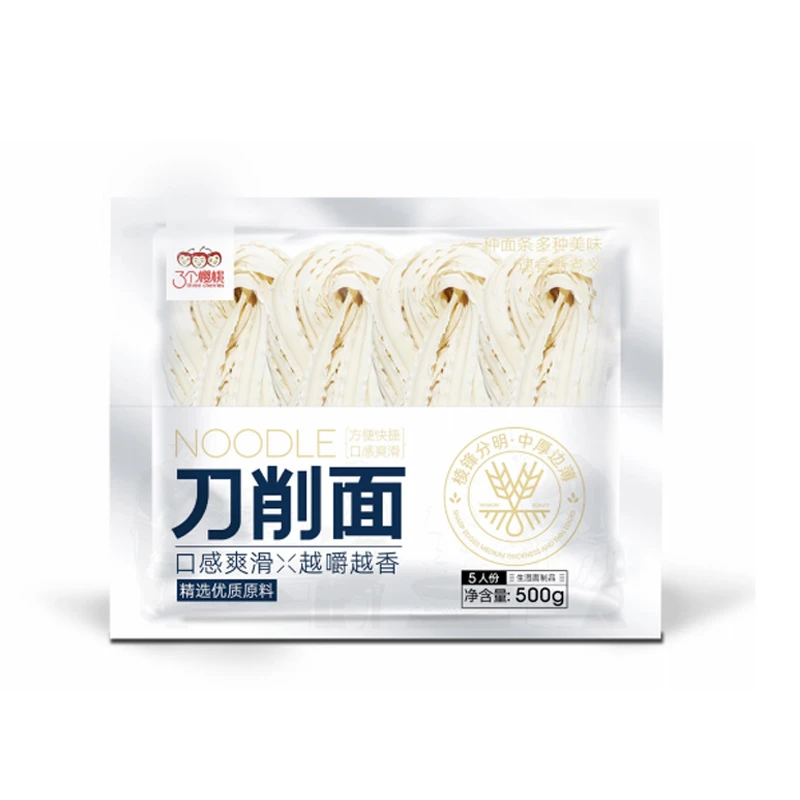
The "Three Cherries" brand specializes in this intersection of health and taste, providing a low GI noodle alternative that maintains a smooth, strong texture while adhering to strict nutritional benchmarks. By integrating high-satiety ingredients and minimizing fat content, these noodles cater to the fitness and diabetic markets, offering a five-star chef-quality meal that supports metabolic stability and weight management goals.

Analyzing the Nutritional Impact of Low GI Noodle Engineering
The technical value of a Low GI product lies in its ability to maintain a GI value—in this case, 49.5—which classifies it as a low glycemic food. This is achieved through precise formulation that alters the starch structure or incorporates specific fibers, ensuring that the carbohydrates are digested more slowly. For the end-user, this results in prolonged energy release and reduced hunger, which is critical for those pursuing fat loss or managing glucose levels.
Unlike traditional refined flour noodles, these specialized noodles are engineered for 0 fat and low sugar, focusing on high satiety. This makes them an ideal choice for the "Three Highs" demographic (hypertension, hyperglycemia, and hyperlipidemia). The physical properties of the noodle—specifically its "strong and smooth" taste—ensure that the health benefits do not come at the cost of the traditional noodle mouthfeel, which is often a point of failure in health-focused pasta alternatives.

Integration of Premium Ingredients and Convenience for Modern Diets
Beyond the base noodle, the value proposition is enhanced by the inclusion of selected big braised beef packages. This integration transforms a health product into a complete meal solution. By using real materials and original flavors, the product targets the "simple meal" trend where consumers seek home-cooked convenience without compromising on the nutritional integrity of a five-star chef's recipe.
From a procurement perspective, this combination of a functional low-GI base and a high-protein accompaniment increases the marketability of the product across multiple segments:
- Fitness Enthusiasts: High satiety and 0 fat support lean muscle maintenance and fat reduction.
- Medical Diets: Low GI values provide a safe option for diabetic patients.
- Busy Professionals: Quick preparation allows for a nutritious lunch that avoids the "afternoon slump" caused by high-GI carbs.
Strategic Procurement Considerations for Functional Noodle Supplies
When evaluating suppliers for functional noodles, buyers must prioritize certification and standardization. Hebei Jinxu Noodle Industry Co., Ltd. stands out as a group standard setter for "raw wet noodle products" in China, indicating a level of industry leadership that ensures consistency across large-scale production batches. For distributors looking to buy soba or other healthy pasta alternatives, this standardization is the primary guarantee against quality variance.
The manufacturing capacity is another critical factor. With an annual output of 90,000 tons and expansive facilities across Hebei and Jiangsu, the ability to handle large-volume OEM or wholesale orders is well-established. Buyers should focus on the synergy between the production scale and the specialized nature of the Low GI patent, as this ensures that high-volume supply does not dilute the specific health certifications required for medical-grade food products.
Comparative Evaluation of Low GI vs Standard Noodles
| Evaluation Metric | Low GI "Three Cherries" | Standard Wheat Noodles | Traditional Soba |
|---|---|---|---|
| Glycemic Index (GI) | 49.5 (Low) | 70+ (High) | Medium to Low |
| Fat Content | 0 Fat | Variable | Low |
| Satiety Level | High | Low to Medium | Medium |
| Texture Profile | Strong & Smooth | Soft/Variable | Grainy/Firm |
| Blood Sugar Impact | Stabilizing | Rapid Spike | Moderate |
Scaling Health-Focused Noodle Lines in International Markets
The global trend toward "food as medicine" is driving the growth of the low-GI sector. As consumers in North America and Europe become more aware of the insulin response to refined carbohydrates, there is a significant opening for products that offer the comfort of traditional noodles with the clinical benefits of low-glycemic ingredients. The success of such a product depends on the balance between nutritional certification and authentic flavor.
Suppliers who can provide documented GI values—such as the 42.7 to 49.5 range seen in Jinxu's patent lines—possess a competitive edge. This transparency allows retailers to market the products specifically to chronic disease management sectors, transforming a simple food item into a dietary tool. The integration of diverse lines, from whole grain Australian wheat to Hong Kong-style noodles, allows a single supplier to cover an entire health-conscious portfolio.
Future Outlook for Semi-Dry and Functional Noodle Manufacturing
The future of the noodle industry lies in the convergence of semi-dry technology and functional nutrition. Semi-dry noodles provide a superior shelf-life and texture compared to fresh noodles, while maintaining a closer profile to traditional handmade products than fully dried pasta. When combined with low-GI patents, this creates a high-value product that meets the demands of the modern, health-centric supply chain.
We expect to see an increase in demand for customized nutritional profiles, where noodles are tailored for specific health outcomes, such as targeted fat loss or strict glucose control. Companies that control the standard-setting process and maintain massive production workshops, like those in the Jinxu group, will be best positioned to lead this transition by offering both the R&D capability and the industrial scale required for global distribution.
Expert Insights on Low GI Noodle Procurement
What exactly makes these noodles "Low GI"?
These noodles use a specialized formulation and a national invention patent to ensure a GI value of 49.5. This means they are digested more slowly than standard noodles, resulting in a gradual release of sugar into the blood rather than a sharp spike.
Are low GI noodles suitable for diabetic diets?
Yes, they are specifically designed for people with chronic conditions like diabetes. With a low GI value and 0 fat, they help in stabilizing and controlling blood sugar levels while providing high satiety.
How does the texture of low GI noodles compare to traditional ones?
Unlike many health-focused alternatives that can be mushy or grainy, these noodles are engineered to be strong and smooth, mimicking the high-quality mouthfeel of professional chef-prepared noodles.
Can these products be sourced for large-scale commercial distribution?
Absolutely. Hebei Jinxu Noodle Industry Co., Ltd. is one of the largest semi-dry noodle manufacturers in China, with an annual output of 90,000 tons, making them capable of handling massive B2B orders.
What is the benefit of the "semi-dry" production method?
Semi-dry technology offers a middle ground between fresh and dried noodles, providing a longer shelf life for transport and storage while retaining the fresh taste and texture that consumers prefer.
What should I look for when deciding where to buy soba or health noodles?
Look for suppliers who are industry standard setters, hold national patents for low GI foods, and have a proven track record of large-scale production and quality certifications.
Technical and Industry References
- World Health Organization - Guidelines on Carbohydrate Intake
- PubMed - Research on Glycemic Index and Metabolic Health
- Food and Agriculture Organization - Grain Processing Standards
- FDA - Food Labeling and Nutritional Claims Regulations
For procurement managers seeking a reliable partner in the functional food sector, the combination of low-GI certification and massive manufacturing scale is the key to market success. Choosing a supplier that sets the industry standards ensures your product line remains at the forefront of health and quality.
Related Product Innovations