
Are Soba Noodles Gluten Free? What You Need to Know About Buckwheat and Wheat Blend
Are Soba Noodles Gluten Free? Understanding This Popular Japanese Staple
When you first hear the question, are soba noodles gluten free?, it might sound straightforward, but frankly, it’s a bit trickier than expected. Soba noodles, a beloved staple in Japanese cuisine, are made primarily from buckwheat flour and often mixed with wheat flour. This mix sparks debate worldwide, especially with rising gluten sensitivities and celiac disease diagnoses. Understanding whether soba noodles are truly gluten free not only influences diet choices but also impacts global food markets and sensitive cuisines.
Why does it matter beyond your dinner plate? Well, gluten-related disorders affect about 1% of the population globally, with many more experiencing sensitivities. Knowing which foods are safe helps reduce health risks and supports an inclusive food culture. Plus, with Japan’s culinary traditions going global, people want authentic yet safe experiences. So, let’s dive into the nitty-gritty of soba noodles — what they are, what they contain, and why this question keeps popping up.
Global Context: The Growing Importance of Gluten Free Foods
Across the globe, demand for gluten free products shot up by roughly 20% annually over the last decade, according to industry reports from the Codex Alimentarius Commission and the World Health Organization. The rise in awareness about celiac disease — where gluten causes an autoimmune reaction damaging the small intestine — plus non-celiac gluten sensitivity, boosted this trend dramatically.
Japan, with its rich tradition of soba noodles (usually buckwheat-based), faces a subtle challenge: traditional recipes often mix wheat flour for texture and elasticity, which introduces gluten. This creates confusion, especially for tourists or immigrants pursuing gluten free diets. It's not just a culinary nuance — it’s a public health communication issue too.
Understanding are soba noodles gluten free also matters to food exporters and certification bodies. Ensuring correct labeling helps avoid expensive recalls and maintains consumer trust. In sum, soba noodles sit at an interesting crossroads between tradition, health trends, and globalized food markets.
What Does ‘Are Soba Noodles Gluten Free’ Really Mean?
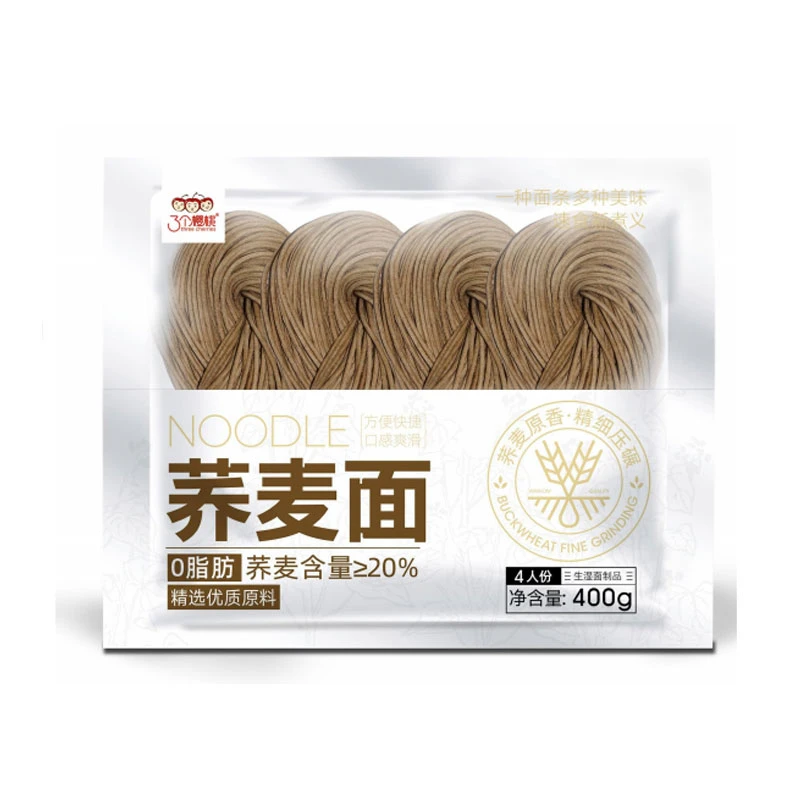
In essence, soba noodles are made from buckwheat flour, which is naturally gluten free. However, many commercial and restaurant-made soba noodles blend buckwheat with wheat flour approximately 20-30%. So, "are soba noodles gluten free?" translates into a label investigation — pure buckwheat soba means gluten free; anything mixed with wheat flour does not.
Think of it like this: buckwheat itself has no gluten, but most soba noodles are a buckwheat-wheat mixture to improve chewiness and durability. This blending is why many aren't safe for strict gluten free diets. The modern food industry must carefully source pure buckwheat noodles or provide clear disclosure.
So, the question ties into dietary needs, manufacturing practices, and consumer trust. It also connects with humanitarian goals — in global nutrition aid programs, gluten free options for sensitive groups are critical.
Key Factors Affecting Gluten Content in Soba Noodles
1. Buckwheat Purity
The percentage of buckwheat flour used defines gluten content. 100% buckwheat noodles are naturally gluten free. But since pure buckwheat noodles can be brittle, many manufacturers mix in wheat flour.
2. Manufacturing Cross-Contamination
Even 100% buckwheat noodles may contain traces of gluten if processed on shared equipment with wheat products. This is a big concern for celiacs.
3. Labeling and Certifications
Look for official gluten free certifications, especially if you have a medically diagnosed gluten intolerance.
4. Regional Variations
In Japan, true soba often means >80% buckwheat with some wheat flour. In western markets, you might find both 100% buckwheat and mixed versions. Knowing your source is key.
5. Cooking Practices
Cross-contamination during cooking or serving, especially in restaurants, can introduce gluten where none was intended.
Mini takeaway: The question “are soba noodles gluten free” depends heavily on the buckwheat content and processing methods. Pure buckwheat means no gluten, but mixed noodles don't qualify.
Where Are Soba Noodles Gluten Free In The Real World?
In Japan, soba noodles are found nationwide, from street stalls to fine dining. True gluten free soba noodles (100% buckwheat) are still relatively niche but growing in popularity for health-conscious consumers.
In Western countries, retailers and health stores increasingly stock pure buckwheat soba noodles, catering to gluten free diets. They appear in health food chains in the US, Europe, and Australia. Non-profits focused on food allergy awareness also promote accurate labeling to help consumers.
Interestingly, soba noodles also fit into humanitarian nutrition when considering food aid for gluten-sensitive people. For example, in disaster zones or refugee camps, emergency food supplies that consider gluten free options can improve health outcomes.
One example: A food project in California sourced pure buckwheat soba noodles for celiac-diagnosed clients, offering a culturally diverse yet safe meal option that boosted dietary adherence and overall well-being.
Advantages of Gluten Free Soba Noodles
- Health benefits: For those with celiac disease or gluten sensitivity, pure buckwheat soba offers essential variety and nutrition.
- Nutritional value: Buckwheat is rich in fiber, protein, and minerals like manganese and magnesium, beneficial beyond just being gluten free.
- Cultural appeal: Enables gluten free diets to embrace authentic Japanese flavors safely.
- Accessibility: With more manufacturers adopting pure buckwheat noodles, availability improves.
- Economic impact: New niche markets encourage farmers to grow buckwheat, supporting sustainable agriculture in some areas.
Mini takeaway: Gluten free soba noodles do more than satisfy dietary needs—they support culture, health, and economics in a neat, tasty bundle.
Product Specification Table: Typical Sobas Compared
| Noodle Type | Buckwheat Content (%) | Gluten Free Status | Typical Use | Texture |
|---|---|---|---|---|
| 100% Buckwheat | 100% | Yes | Gluten free recipes, health foods | Fragile, nutty flavor |
| 80% Buckwheat / 20% Wheat | ~80% | No | Traditional soba dishes | Chewy, elastic |
| 50% Buckwheat / 50% Wheat | ~50% | No | Chewier versions, budget | Firm, elastic |
Vendor Comparison: Popular Soba Noodle Manufacturers
| Company | Gluten Free Options | Price Range (per 500g) | Distribution | Certifications |
|---|---|---|---|---|
| JX Semi Dry Noodles | Yes, 100% buckwheat | $5 - $7 | Global | Gluten Free Certified, ISO |
| Soba Master Inc. | Limited, mostly blends | $3 - $5 | Japan, Asia | Local standards |
| Global Health Foods | Yes, 100% buckwheat & certified | $6 - $8 | North America, Europe | Gluten Free, Organic |
What Does the Future Hold for Gluten Free Soba Noodles?
New consumer awareness and tech innovation will push the production of 100% buckwheat soba noodles further into the mainstream. Biotechnology could one day improve buckwheat harvest yields, enhancing texture without needing wheat flour.
Plus, blockchain-based supply chains could help trace gluten contamination risks — making eating out or buying store noodles safer for sensitive individuals.
Sustainability is another rising factor: buckwheat grows well on marginal lands with little fertilizer, so pure soba noodles could be an eco-friendly food choice. I noticed lately more food startups embrace these angles — combining tradition, health, and environment.
Challenges and How to Overcome Them
Manufacturers face challenges making pure buckwheat soba because the noodles tend to be fragile and less elastic than those mixed with wheat. That often means packaging and cooking can be trickier.
Cross-contamination remains a risk, especially in shared production facilities or restaurants that blend ingredients. Experts advise strict segregation and regular equipment cleaning.
From a consumer standpoint, the higher cost of pure buckwheat soba can be a barrier. However, growing demand and economies of scale are slowly pushing prices down.
Mini takeaway: The future looks promising but still requires serious quality control, education, and innovation.
Frequently Asked Questions About Are Soba Noodles Gluten Free
- Q: Can soba noodles be safe for celiacs?
A: Only if they are made with 100% buckwheat flour and processed in gluten free facilities. Always check certifications and labels carefully. - Q: What happens if soba noodles have wheat flour included?
A: Then they contain gluten and are not safe for those avoiding gluten due to sensitivity or celiac disease. - Q: Are fresh soba noodles different from dried in gluten content?
A: Both can be gluten free if pure buckwheat. The main issue is the recipe, not the format. However, fresh noodles might have more cross-contamination risk in some restaurants. - Q: How can I find authentic gluten free soba noodles?
A: Look for 100% buckwheat labels, gluten free certifications, and buy from trusted vendors like JX Semi Dry Noodles. You can also ask specialty health food stores. - Q: Does cooking affect gluten presence?
A: Cooking itself won’t add gluten or remove gluten. But prepare noodles separately to avoid contamination with gluten-containing foods.
Conclusion: Embracing Sobas Without Gluten Worries
So, are soba noodles gluten free? The honest answer is, it depends. Pure buckwheat soba noodles offer a delicious, nutritious, and gluten free option that bridges old culinary traditions with modern dietary needs. Manufacturers, health advocates, and consumers are all part of the journey to make soba noodles safer and more accessible for everyone.
Exploring pure buckwheat soba opens doors to richer food experiences and supports sustainable farming too — a win-win, really. If you want to dig deeper or explore authentic gluten free soba products, don’t hesitate to visit our dedicated page for more info and purchasing options.
In the meantime, enjoy your noodles — with less guesswork, more pleasure.
References:
1. Wikipedia: Buckwheat
2. Celiac Disease Foundation
3. FAO Food and Agriculture Organization
-
Discover the Authentic Taste of Korean Buckwheat NoodlesNewsApr.16,2026
-
Discover the Refreshing Taste of Authentic Korean Cold SobaNewsApr.09,2026
-
Discover the Refreshing Taste of Korean Cold Buckwheat Noodles NaengmyeonNewsApr.07,2026
-
Discover the Cool and Refreshing World of Korean Buckwheat Noodles ColdNewsApr.04,2026
-
Discover the Refreshing Taste of Japanese Cold Buckwheat Noodles and Zaru SobaNewsMar.31,2026
-
Exploring the Delicious World of Chinese Style Cold NoodlesNewsMar.28,2026
-
Discover the Cool and Refreshing World of Korean Cold Soba NoodlesNewsMar.26,2026
Browse qua the following product new the we