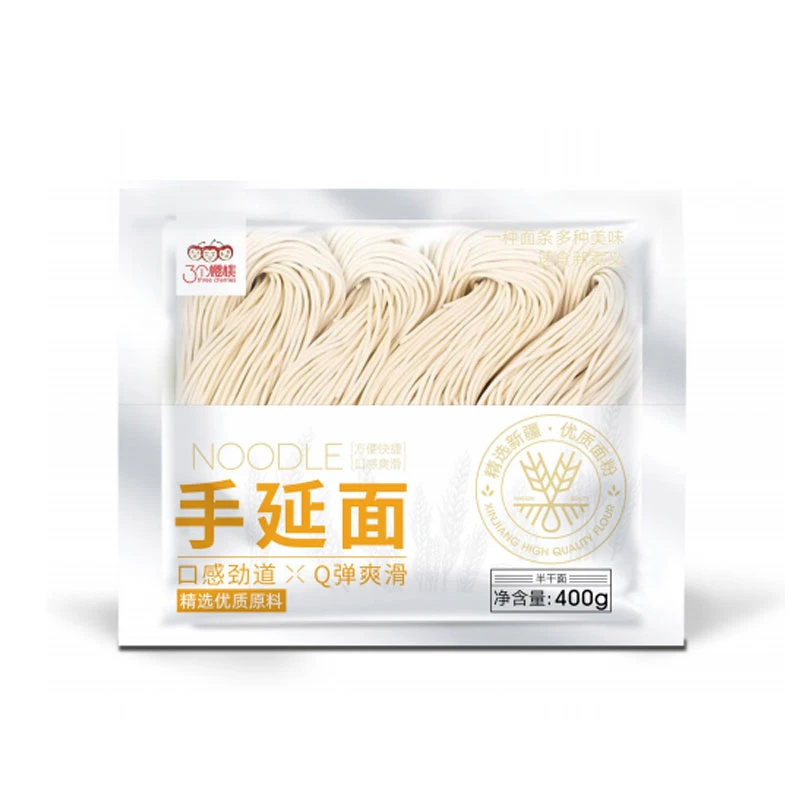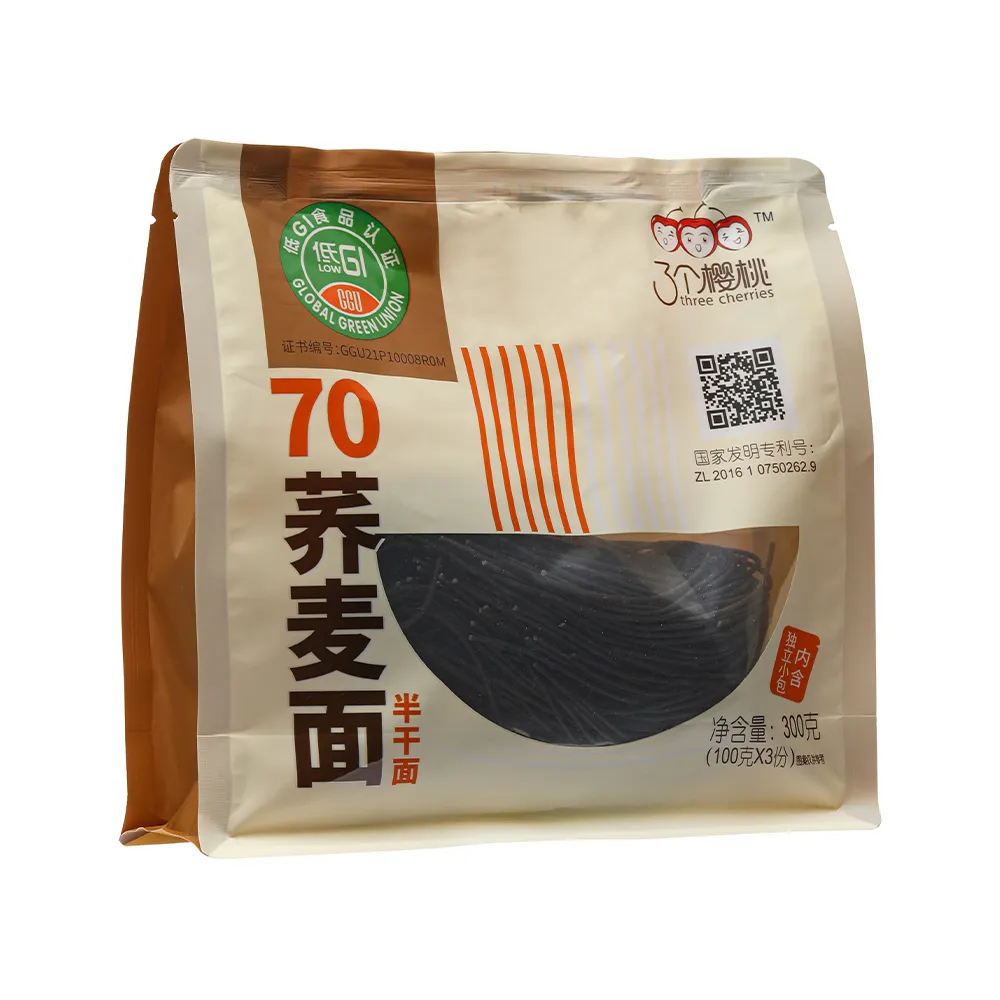

Low GI70 Soba: High-Fiber Noodles for Steady Energy?
A Field Note on Low GI70 soba: tech specs, real kitchens, and what buyers are asking now
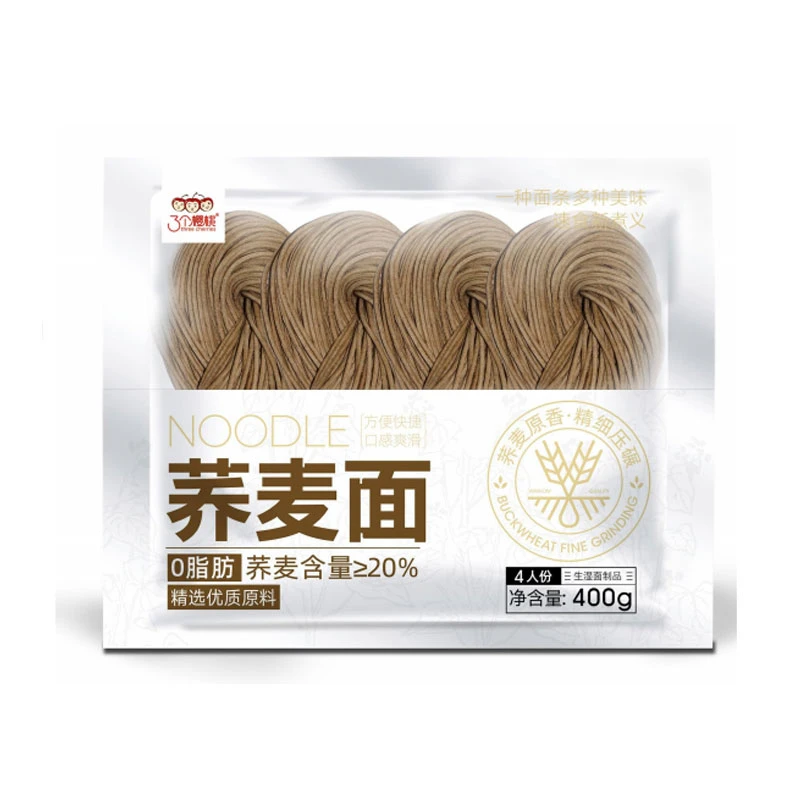
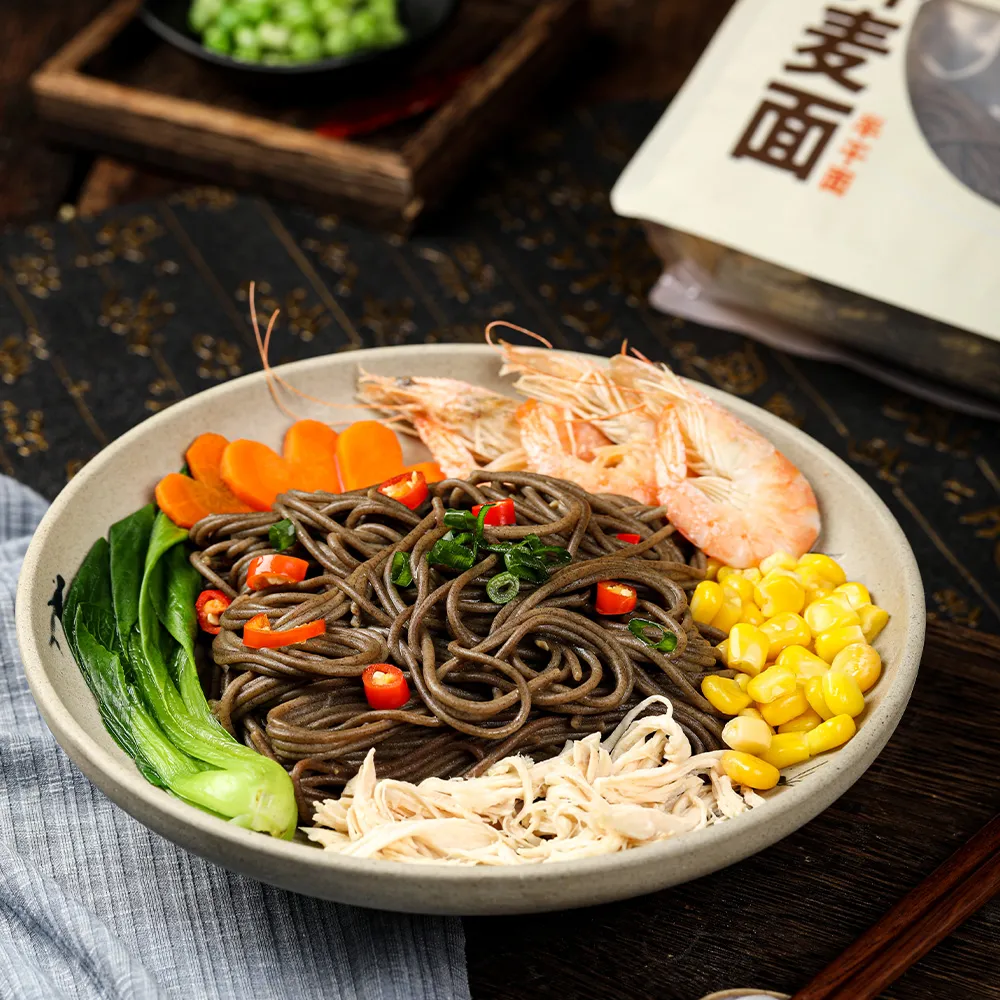
From Oriental Food City, Longyao County, Xingtai, Hebei, comes a quietly pragmatic noodle that’s been popping up in buyer calls lately. The market’s asking for glycemic-aware staples without wrecking texture, and—honestly—that’s harder than it sounds. The Low GI70 soba aims for a moderated post-meal spike while staying cook-friendly. Not a miracle, just measured engineering.
What’s driving demand
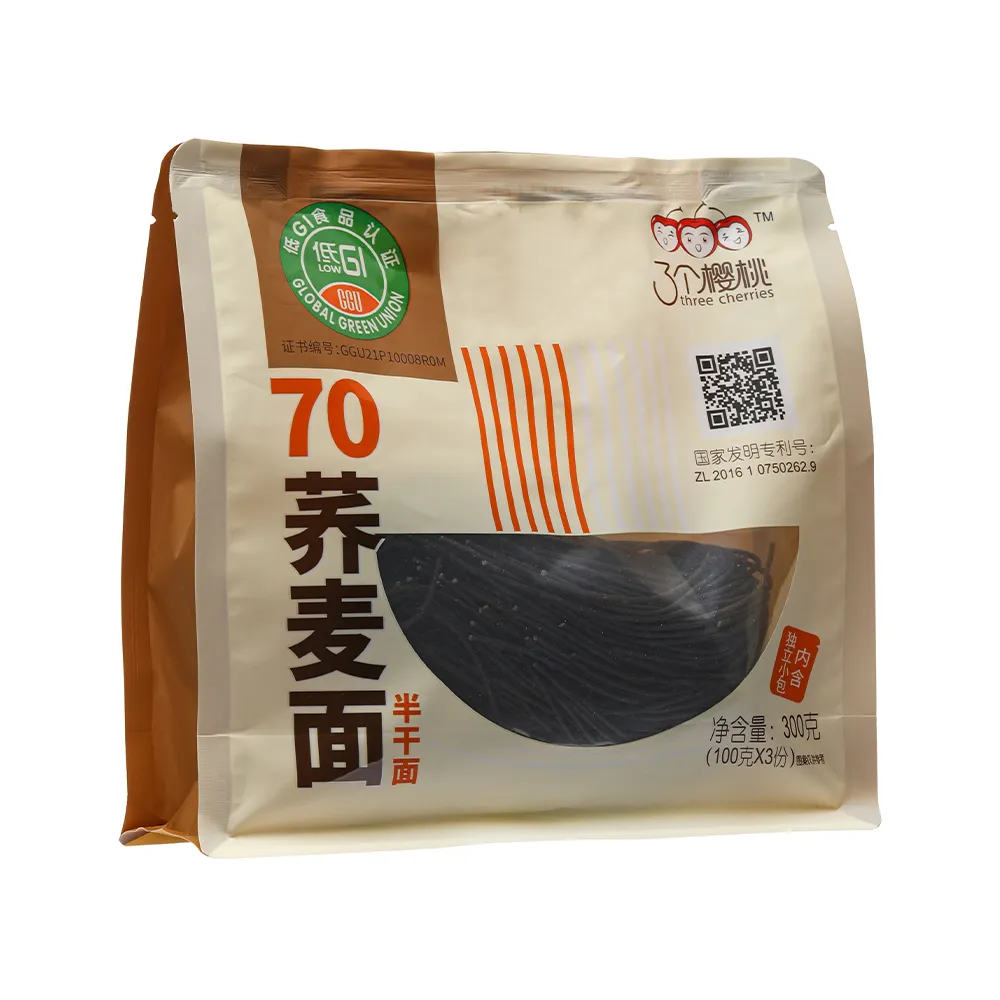
GI-conscious formats are having a moment across APAC retail and institutional catering. Buyers tell me they want noodles that behave better on blood glucose than typical wheat strands—yet still hold up in hot broth or chilled salads. The Low GI70 soba is pitched as “lower than conventional,” not ultra-low. In practice, that’s often the sweet spot for volume kitchens.
Product specifications (quick view)
| Product name | Low GI70 soba |
| Net weight | 300 g per pack |
| Origin | Oriental Food City, Longyao County, Xingtai, Hebei |
| Shelf life | ≈4 months at room temp; ≈8 months at 0–10°C |
| Storage | Cool, dry place or refrigerated 0–10°C |
| Indicative GI | ≈70 (real-world use may vary; see testing notes) |
| Typical cook time | 4–6 minutes (al dente), then rinse for cold prep |
Process flow, materials, and testing
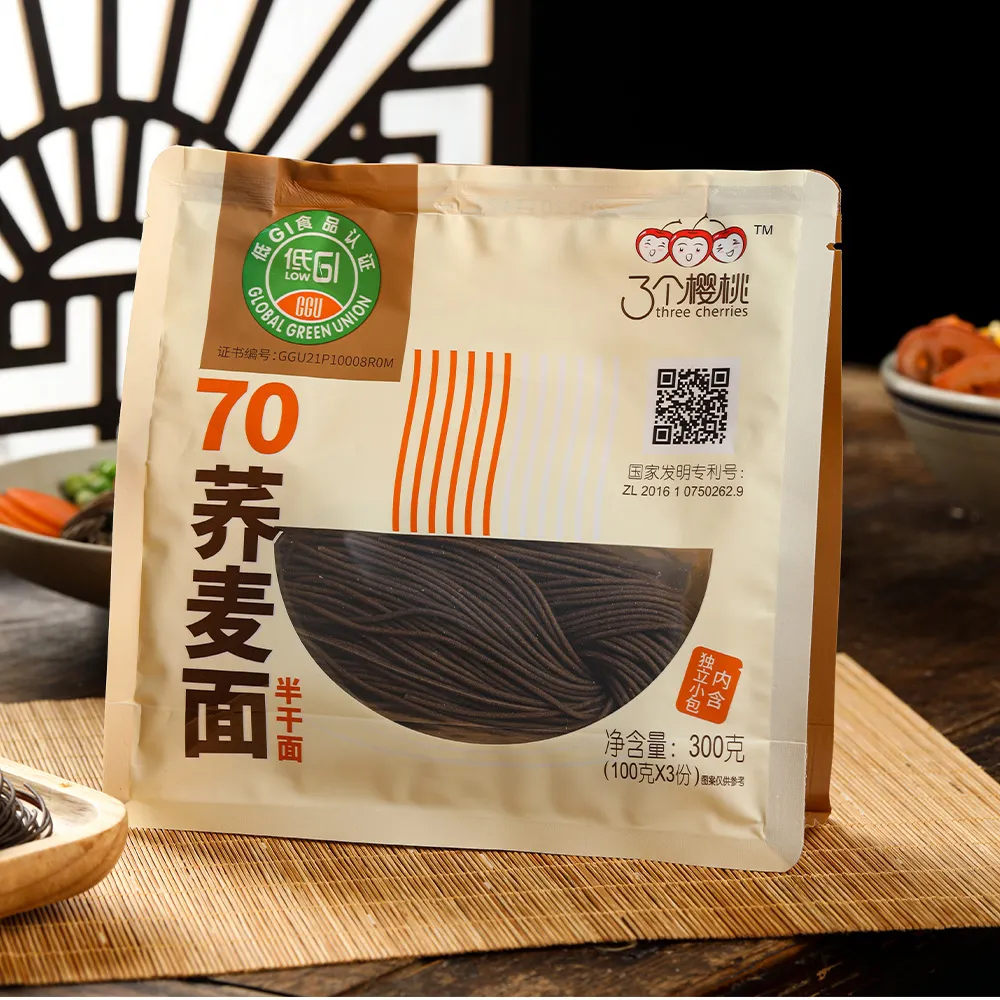
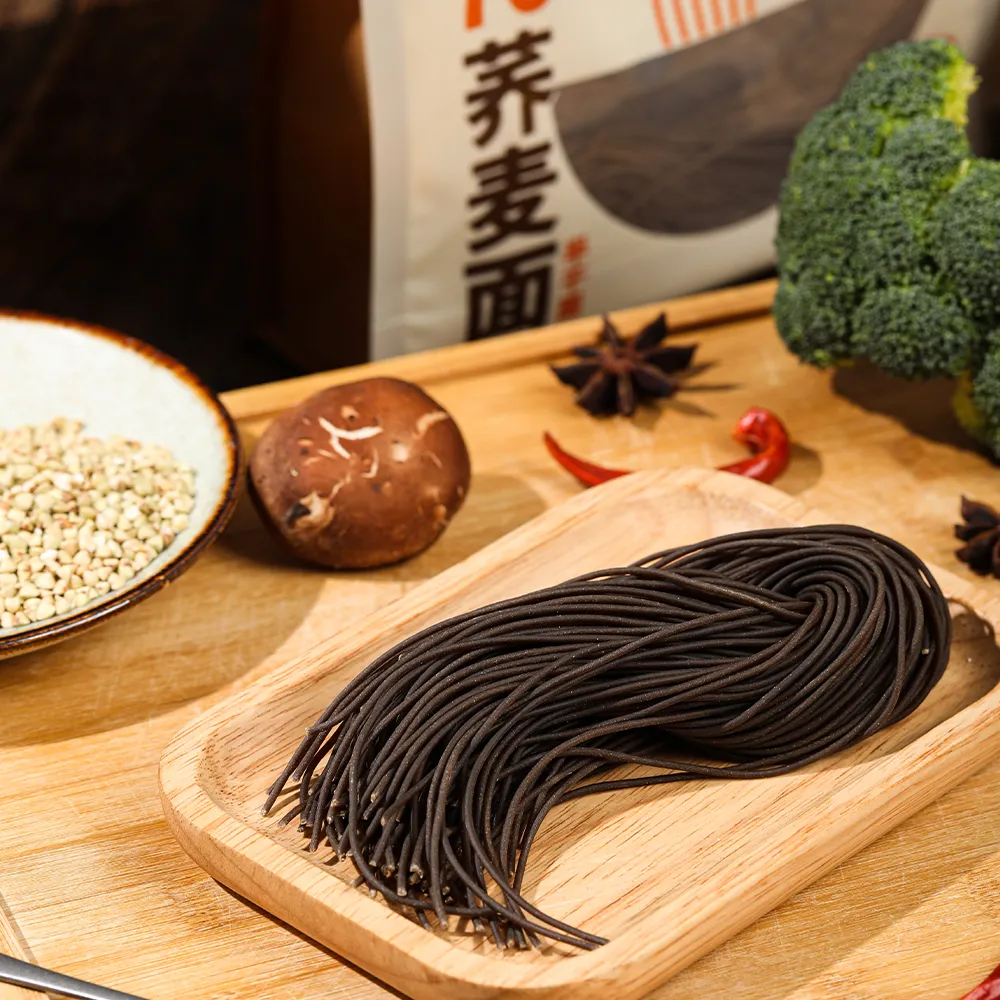
Materials: buckwheat-led blend with supportive wheat for structure (as is common for soba), potable water; salt optional. Some producers tune amylose content or add soluble fiber—here the focus is on buckwheat’s native profile and semi-dry processing.
Methods: dough lamination, controlled sheeting/cutting, and low-temp drying. Semi-dry targets a moisture window around 28–32% with water activity ≈0.80–0.85, which—paired with chill-chain—balances texture and safety. To be honest, it’s that gentle drying step (think 35–45°C, time adjusted to thickness) that keeps the chew.
Testing standards: GI can be determined per ISO 26642 on healthy adults, using glucose as reference [1]. Food safety systems typically align with ISO 22000 and the Codex HACCP framework [2][3]. Labeling follows applicable national rules; buyers in China will reference GB standards for compliance review.
In-house example data (illustrative): GI 70 ±5 on 10 adult subjects (capillary sampling, ISO 26642 protocol), noodle-only portion providing 50 g available carbohydrates. Your kitchen will shift results—sauces, sides, and portioning matter, obviously.
Where it actually works
- Retail private label soba lines seeking a moderated-GI claim basis (check local claim rules).
- Meal kits: cold soba salads with sesame dressing; springy texture holds after rinse.
- Healthcare and corporate cafeterias: hot broth service with 30–40 min trayline hold.
- QSR stir-fry bowls where retherm and wok finish are routine.
Customer feedback (anecdotal but consistent): “clean buckwheat aroma,” “less sugar crash than our old wheat noodles,” and—surprisingly—good resilience in cold prep. I guess that semi-dry matrix helps.
Vendor snapshot and customization
| Vendor | Origin | Claimed GI | Shelf life | Certs | Customization | MOQ |
|---|---|---|---|---|---|---|
| JX Semi‑Dry Noodles (Hebei) | China | ≈70 | 4 mo RT / 8 mo 0–10°C | ISO 22000/HACCP (on request) | Thickness, cut length, salt/no‑salt, private label | ≈1,000 packs |
| Regional Mill A | Japan | ≈60–75 (varies by SKU) | 3–6 mo | HACCP | Cut and pack | ≈2,000 packs |
| Import Brand B | EU | n/a (no GI claim) | 6–9 mo | ISO 22000 | Label only | ≈1 pallet |
Note: Specs and MOQs are indicative; confirm per contract. Real‑world GI depends on formulation, serving context, and test protocol.
Case notes from the field
A hospital cafeteria pilot (six weeks, anonymized) swapped in Low GI70 soba for two noodle days. Staff reported steadier post-lunch energy; dietitians liked the rinse-and-hold texture for cold bowls. Not a clinical trial, but useful operationally.
Buyer checklist
- Request COA, water activity, and microbial counts per lot.
- Ask for ISO 22000/HACCP certificates and GI test summary (ISO 26642).
- Validate shelf-life at your ambient vs. chilled logistics; rotate FIFO.
- Trial both hot-broth and chilled applications; measure hold time.
This article is informational, not medical advice. For individuals managing blood glucose, consult a qualified professional and rely on labeled nutrition.
References
- ISO 26642:2010 — Food products — Determination of the glycaemic index (GI) and recommendation for food classification: https://www.iso.org/standard/43633.html
- Codex Alimentarius, General Principles of Food Hygiene (HACCP Annex): https://www.fao.org/fao-who-codexalimentarius/codex-texts/codes-of-practice/en/
- ISO 22000 — Food safety management systems: https://www.iso.org/iso-22000-food-safety-management.html
- University of Sydney, International GI Resources: https://www.glycemicindex.com/
-
Discover the Authentic Taste of Korean Buckwheat NoodlesNewsApr.16,2026
-
Discover the Refreshing Taste of Authentic Korean Cold SobaNewsApr.09,2026
-
Discover the Refreshing Taste of Korean Cold Buckwheat Noodles NaengmyeonNewsApr.07,2026
-
Discover the Cool and Refreshing World of Korean Buckwheat Noodles ColdNewsApr.04,2026
-
Discover the Refreshing Taste of Japanese Cold Buckwheat Noodles and Zaru SobaNewsMar.31,2026
-
Exploring the Delicious World of Chinese Style Cold NoodlesNewsMar.28,2026
-
Discover the Cool and Refreshing World of Korean Cold Soba NoodlesNewsMar.26,2026
Browse qua the following product new the we