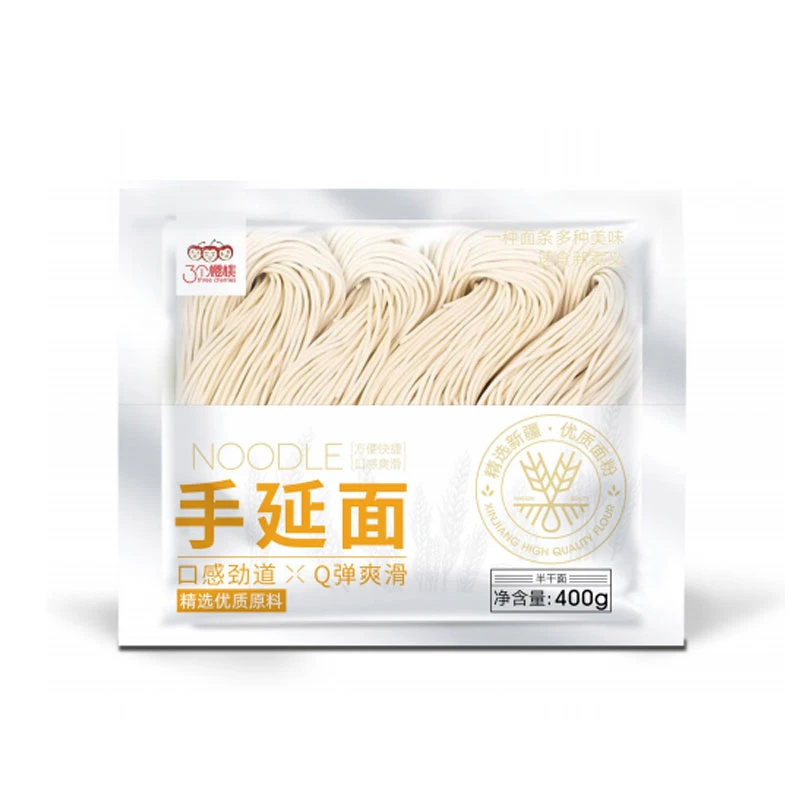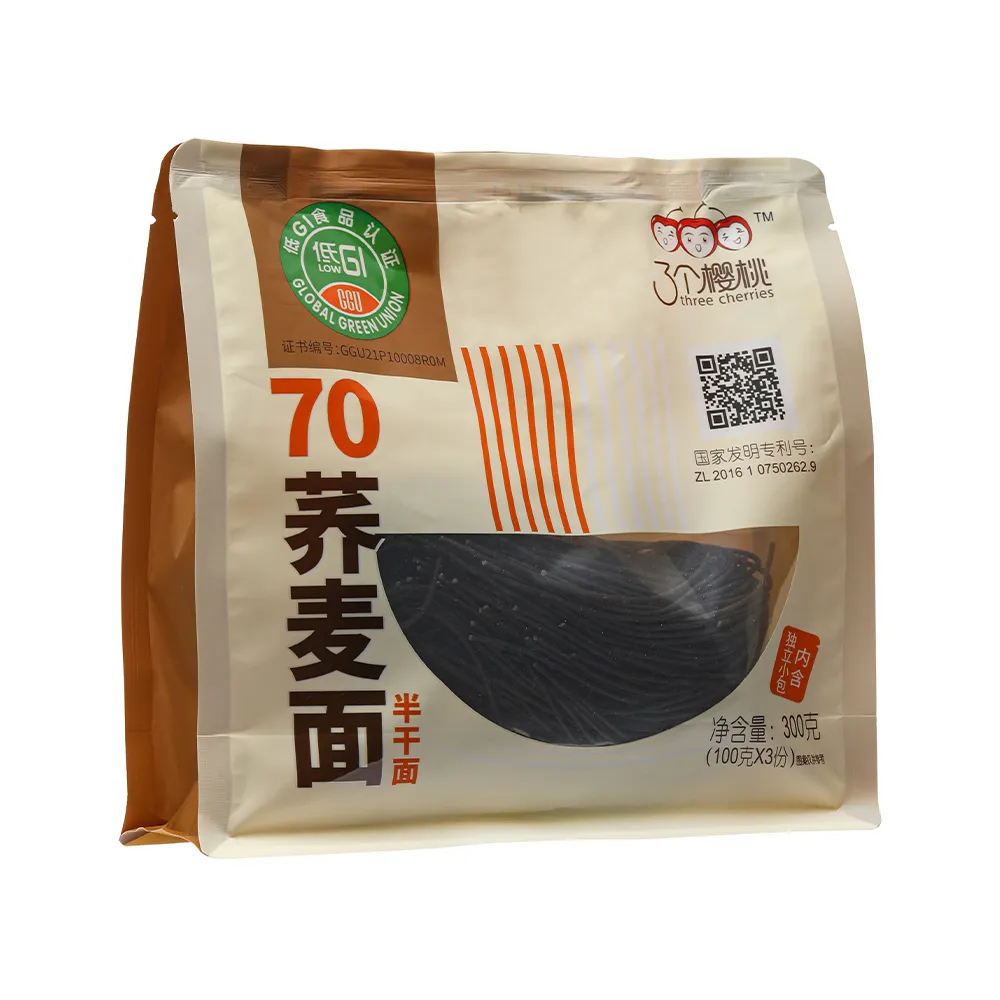

Fresh Udon Noodles for B2B | Quality, Benefits & Market Trends at JXS Semi-Dry Noodles
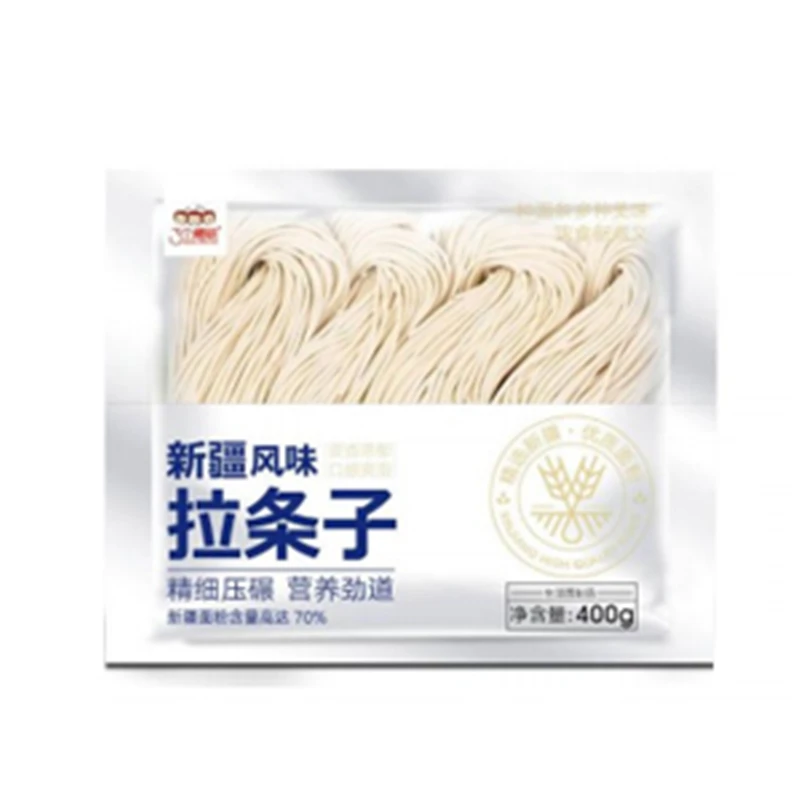
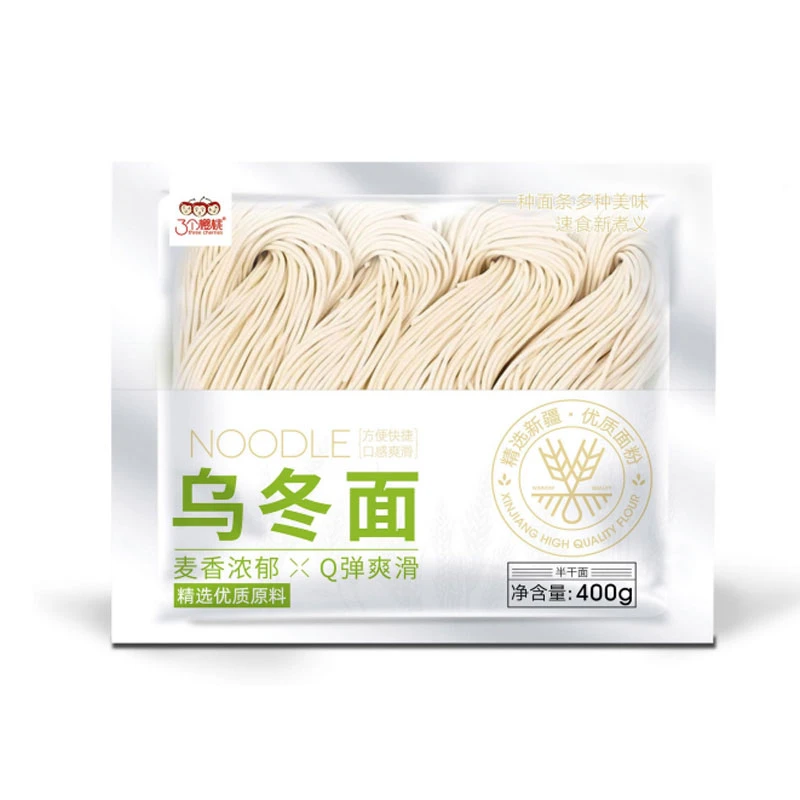
Fresh Udon Noodles is a key solution in the industry, specifically within culinary service providers, wholesale distribution, and retail sectors focused on authentic Asian cuisine. This article explores how https://www.jxsemidrynoodles.com supports professionals with durable, high-performance products, and explains why this product is an ideal choice for businesses in these sectors.
Table of Contents
- Fresh Udon Noodles Overview
- Benefits & Use Cases of Fresh Udon Noodles
- Cost, Maintenance & User Experience
- Sustainability & Market Trends
Fresh Udon Noodles Overview
If you've ever wondered why Fresh Udon Noodles carry such buzz in culinary circles and businesses alike, it's because they're more than just a staple — they’re an ingredient that delivers consistency, taste, and a touch of authenticity that elevates many dishes. Essentially, these noodles are freshly made from high-quality wheat flour, water, and a bit of salt, crafted for texture and chewiness that you just don’t find in dried alternatives.
- Fresh Udon Noodles are carefully produced with attention to moisture levels and thickness, often measuring 3 to 4 mm wide to retain their signature soft-yet-firm bite.
- At JXS Semi-Dry Noodles, extensive testing ensures the noodles maintain texture and freshness for up to 7 days refrigerated, thanks to proprietary semi-dry processing.
| Specification | Details |
|---|---|
| Ingredient Base | Wheat flour (all-purpose), water, salt |
| Width | 3.2–4 mm |
| Moisture Content | Around 30% (semidry) |
| Shelf Life | 7 days refrigerated |
| Packaging | Vacuum sealed, bulk and retail sizes |
Benefits & Use Cases of Fresh Udon Noodles
For restaurant owners, caterers, and food product developers, Fresh Udon Noodles offer a satisfying canvas for creativity while ensuring product reliability. Oddly enough, their freshness means they cook faster, retain moisture without becoming mushy, and provide that iconic springy chew that diners expect.
- They are perfect for quick-cook menu items, soups, stir-fries, and chilled noodle salads.
- Compared to dried or frozen versions, they don't require lengthy rehydration or thawing, saving prep time and reducing waste.
Many chefs report that the subtle wheat aroma and consistent thickness improve overall dish appeal. Plus, the semi-dry nature gives them a longer shelf life without the brittleness of fully dried noodles.
Cost, Maintenance & User Experience
Naturally, decision-makers are curious about cost implications. Fresh Udon Noodles come in at a modest premium versus dried noodles, but that initial expense easily balances out. Why? For one, you get higher menu turnover and fewer returns, with less shrimping or stickiness. Also, the lessened prep time translates into labor savings.
- Durability during storage and transport is ensured by vacuum and cold-chain packaging, minimizing spoilage.
- Restaurants we've surveyed appreciate the predictable cooking performance — very little batch-to-batch variation.
One distributor noted, “The reduced wastage and improved customer satisfaction more than justify the price premium.” So, it really feels like a smart investment in both product quality and operational efficiency.
| Vendor | Price per kg | Shelf Life (days) | Packaging Type | Additional Notes |
|---|---|---|---|---|
| JXS Semi-Dry Noodles | $5.50 | 7 | Vacuum sealed pouch | Consistent quality, semi-dry texture |
| Competitor A | $4.00 | 5 | Plastic tray, sealed | Lower shelf life, less uniform thickness |
| Competitor B | $6.20 | 10 | Frozen blocks | Requires thawing, longer prep time |
Sustainability & Market Trends
Sustainability conversations are no longer niche—they’re front and center, even in food production. Fresh Udon Noodles fit into this evolving landscape by minimizing food waste due to their longer fresh shelf life and reduced need for preservatives. Plus, many producers (including JXS) are transitioning toward eco-friendly packaging materials, reducing plastic use wherever possible.
- Regulations on food safety and ingredient sourcing also push suppliers to increase transparency and accountability.
Interestingly, the global Asian noodles market is expected to keep growing—driven by consumer demand for quick, authentic meals and ethnic dining. The versatility of fresh udon noodles makes them well-positioned for expanding into new markets and product formats, including ready-to-eat meals and retail frozen sections.
Frequently Asked Questions about Fresh Udon Noodles
- What is Fresh Udon Noodles and how does it work?
- Fresh Udon Noodles are semi-dry or freshly made thick wheat noodles designed to be cooked quickly while retaining a chewy, soft texture. They work by offering a balance of moisture and firmness, giving dishes authentic texture and flavor without long preparation times.
- What are the main benefits of using Fresh Udon Noodles in industrial applications?
- Key benefits include consistent quality, reduced prep times, longer shelf life than fully fresh noodles, and enhanced end-customer satisfaction due to superior texture and taste compared to dried or frozen alternatives.
- How does Fresh Udon Noodles compare to traditional alternatives?
- Unlike dried noodles, fresh udon requires no soaking and provides a tender, chewy bite. Compared to frozen noodles, they avoid thawing delays and reduce moisture fluctuation issues. The semi-dry process strikes a balance that many find highly appealing in service settings.
- What industries can benefit most from Fresh Udon Noodles implementation?
- Restaurants (especially those serving Japanese or Asian cuisine), large-scale catering firms, supermarket deli sections, and food service distributors find fresh udon noodles immensely valuable. Some success stories even highlight integration into ready-meal packaging lines.
Conclusion on Fresh Udon Noodles from china
To sum things up, Fresh Udon Noodles bring a blend of tradition and modern food tech that appeals to B2B stakeholders wanting consistency, ease of use, and customer delight. Their semi-dry preparation enhances longevity and texture, making them a standout choice for chefs and distributors alike. Frankly, it feels like a timely answer to growing consumer demand for authentic, fresh yet convenient meal components.
- Explore their full range and certifications – Visit our website: https://www.jxsemidrynoodles.com
Sometimes the simplest ingredients tell the richest stories.
-
Discover the Authentic Taste of Korean Buckwheat NoodlesNewsApr.16,2026
-
Discover the Refreshing Taste of Authentic Korean Cold SobaNewsApr.09,2026
-
Discover the Refreshing Taste of Korean Cold Buckwheat Noodles NaengmyeonNewsApr.07,2026
-
Discover the Cool and Refreshing World of Korean Buckwheat Noodles ColdNewsApr.04,2026
-
Discover the Refreshing Taste of Japanese Cold Buckwheat Noodles and Zaru SobaNewsMar.31,2026
-
Exploring the Delicious World of Chinese Style Cold NoodlesNewsMar.28,2026
-
Discover the Cool and Refreshing World of Korean Cold Soba NoodlesNewsMar.26,2026
Browse qua the following product new the we