
Whole Grain Chinese Noodles – Nutrition, Trends, and Global Impact
Whole Grain Chinese Noodles: A Global Perspective
If you’ve ever wondered about the quiet revolution happening in Asian culinary staples, then whole grain Chinese noodles are a tasty place to start. These aren’t just any noodles; they're part of a broader shift toward healthier eating worldwide, blending tradition with modern nutritional awareness.
Why does this matter? Globally, dietary-related health issues like diabetes and heart disease are raising alarms (according to WHO reports). Whole grain Chinese noodles, with their richer fiber and nutrient profile, offer a promising everyday solution that fits into cultural food practices – aiding better digestion and providing more sustained energy than their refined cousins.
Introduction: The Growing Demand for Whole Grain Options
Across Asia and increasingly in countries worldwide, consumers are shifting towards whole grain versions of beloved foods. The whole grain Chinese noodles market reflects this trend vividly, representing a fusion of health consciousness and cultural culinary heritage.
For a bit of context, the FAO estimates global wheat consumption will reach 776 million tonnes by 2025, pointing toward rising demand for nutritious grain products. Yet, traditional Chinese noodles predominantly used refined flour, which lack the bran and germ parts that contain most of the nutrients. Whole grain noodles challenge this norm, but face hurdles like processing difficulties and consumer taste preferences.
What Are Whole Grain Chinese Noodles?
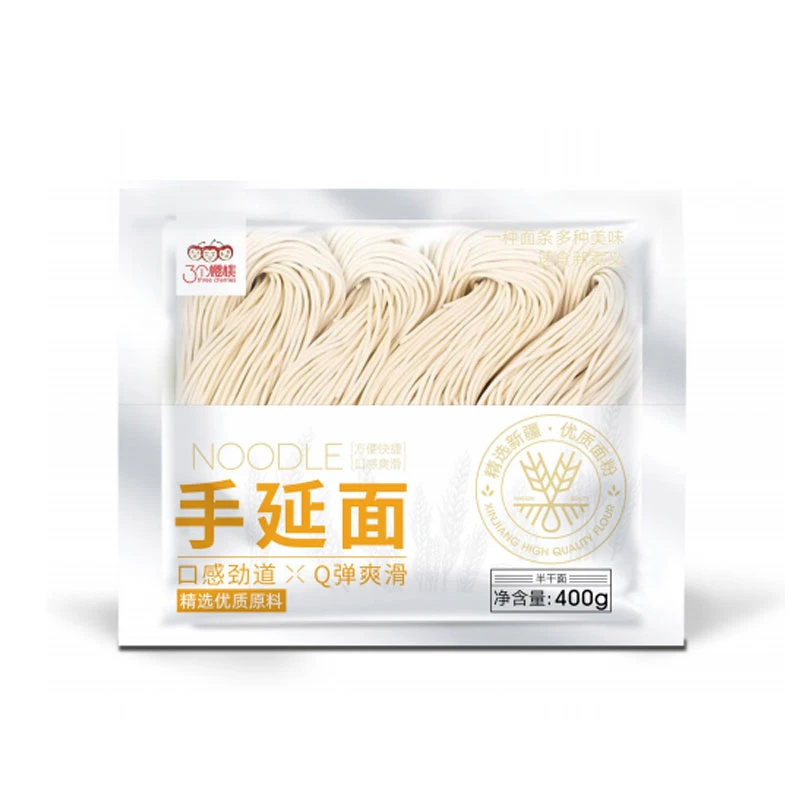
Simply put, whole grain Chinese noodles are made from wheat flour that includes the entire grain kernel — the bran, germ, and endosperm — as opposed to the refined flours that exclude bran and germ. This means more fiber, vitamins (like B-6 and E), minerals, and antioxidants.
It’s interesting because while noodles are a traditional staple throughout Asia, this newer variant connects modern health science with the culinary habits of millions. In humanitarian or health-focused settings, such noodles could support improved nutrition without drastically changing diets.
Key Aspects of Whole Grain Chinese Noodles
1. Nutritional Value
Whole grain noodles are excellent sources of dietary fiber, iron, zinc, and B vitamins. They help in maintaining steady blood sugar levels and improving gut health.
2. Taste and Texture
Oddly enough, the flavor is nuttier and more robust compared to refined noodles, though sometimes firmer. People initially may need a little adjustment, but increasingly, whole grain noodles are accepted and even preferred for their hearty chewiness.
3. Production Challenges
Whole grains have more bran, which can hinder dough elasticity and noodle shape retention. Manufacturers need to tweak kneading techniques and additives to balance nutrition and quality.
4. Shelf Life and Storage
Since bran contains oils, whole grain noodles can be more prone to rancidity. Proper packaging and storage conditions are vital to maintain freshness.
Global Applications & Use Cases
Whole grain Chinese noodles have found enthusiastic markets not only in China but also in health-conscious urban centers worldwide, including North America and Europe. In the foodservice industry, many high-end Asian restaurants and wellness brands have adopted these noodles to meet customer demand.
Moreover, international aid organizations eye whole grain noodles as a nutritious staple in food kits for regions facing food insecurity. Their longer-lasting energy and richer nutritional profile make them a better alternative in emergency relief contexts, such as post-disaster zones where maintaining balanced diets is challenging.
Advantages & Long-Term Benefits
- Health boost: high fiber content supports digestion and lowers risk of chronic diseases.
- Sustainability: whole grain products typically require less processing, reducing energy use in manufacturing.
- Economic value: appeals to emerging consumers willing to pay a premium for health-conscious foods.
- Cultural continuity: retains traditional Asian culinary practices, respecting tastes while improving health.
Emotionally, embracing whole grain Chinese noodles feels like honoring time-tested recipes while moving toward healthier futures — it’s a comfort with a conscience.
Table: Typical Whole Grain Chinese Noodles Product Specification
| Specification | Typical Values |
|---|---|
| Wheat Content | 100% whole wheat flour |
| Moisture | 12-14% |
| Protein | 10-12% |
| Dietary Fiber | 6-8% |
| Shelf Life | 6-9 months (in sealed packaging) |
Vendor Comparison: Leading Whole Grain Chinese Noodle Producers
| Vendor | Quality | Price Range | Packaging Options | Export Reach |
|---|---|---|---|---|
| JX Semi-Dry Noodles | High (ISO 22000 certified) | $$$ | Vacuum sealed, bulk | Global |
| GreenGrain Foods | Medium | $$ | Resealable bags | Asia, Europe |
| HealthNoodle Co. | High | $$$ | Eco-friendly cartons | North America, Europe |
Emerging Trends & Innovations
In the near future, expect to see more integration of digital milling technologies that preserve grain nutrients even better. Some producers are experimenting with ancient wheat varieties like Einkorn for extra health benefits. Sustainability initiatives are focusing on reducing packaging waste and energy use in production lines.
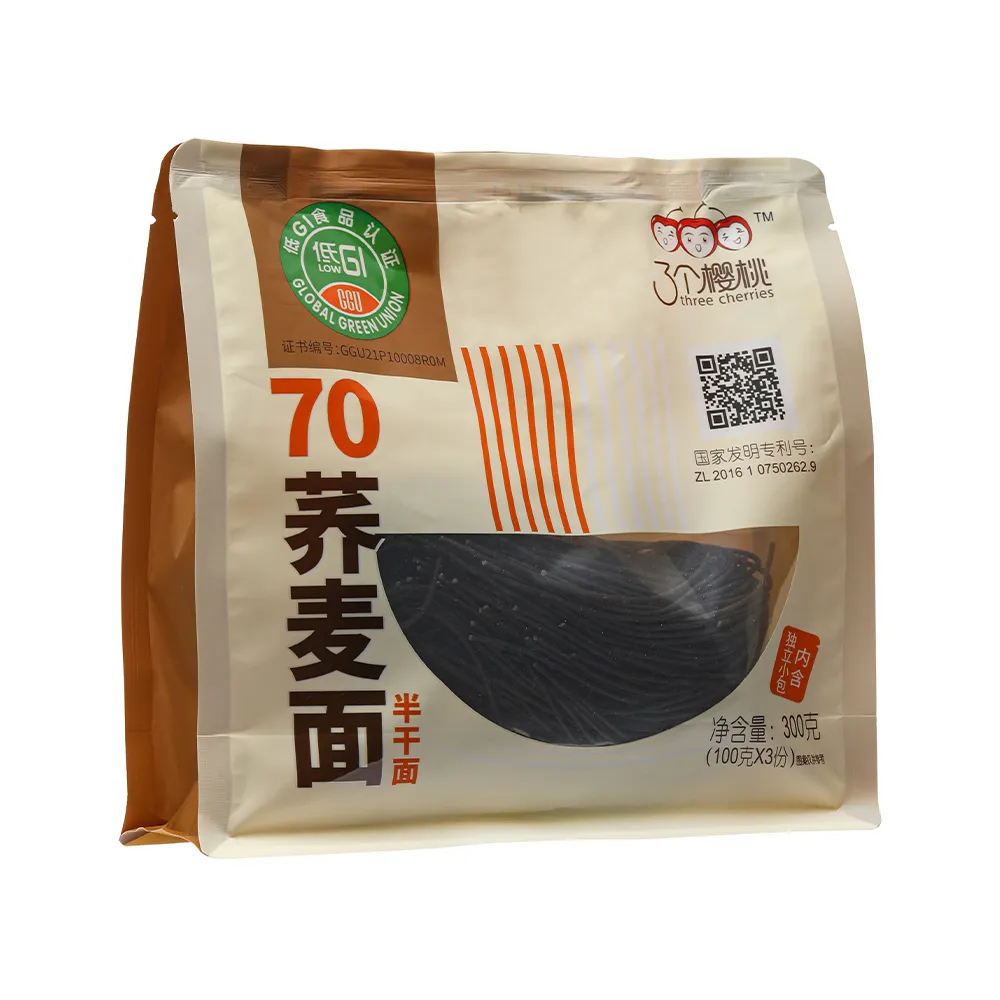
There’s also a rising trend towards fusion-style noodles — combining whole grain with other flours like chickpea or buckwheat to address both taste and nutrition. All this aligns with more robust international food guidelines pushing for whole grain consumption increases. Oddly enough, these noodles could be the bridge between grassroots health awareness and scalable foodtech advances.
Challenges & Possible Solutions
- Taste bias: Some consumers find the flavor too strong initially. Demo and recipes tailored to modern palates help.
- Processing difficulty: Need for optimized gluten formation in whole grain dough — new enzymatic additives can improve this.
- Storage issues: Protection against rancidity via vacuum-seal or nitrogen flushing.
- Cost: Whole grain often costs more; scaling production and consumer education can ease price sensitivity.
FAQ: Frequently Asked Questions about Whole Grain Chinese Noodles
- Q1: Are whole grain Chinese noodles suitable for people with gluten intolerance?
- Whole grain Chinese noodles are typically made from wheat and thus contain gluten. Those with celiac disease or gluten sensitivity should avoid these or look for specially prepared gluten-free alternatives.
- Q2: How do whole grain Chinese noodles differ in cooking time compared to regular noodles?
- They often take a minute or two longer to cook due to higher fiber content, but the difference is slight. It’s best to follow package instructions for optimal texture.
- Q3: Can whole grain noodles be used in traditional Chinese noodle dishes?
- Absolutely! While texture varies slightly, whole grain noodles can be used in stir-fries, soups, and cold salads, adding a nutritious twist without sacrificing authenticity.
- Q4: What’s the shelf life of whole grain Chinese noodles?
- Generally 6–9 months if tightly sealed and stored in a cool, dry place. Because of the natural oils in bran, it’s best to consume them before the expiration date for freshness.
- Q5: Where can I source authentic whole grain Chinese noodles?
- You can look to specialized brands like JX Semi-Dry Noodles, which offers a variety of whole grain products with global shipping options.
Conclusion — Why Whole Grain Chinese Noodles Matter Long-Term
In sum, whole grain Chinese noodles represent more than a healthy alternative; they’re emblematic of a broader shift towards conscious eating that respects tradition while embracing science. For consumers, producers, and humanitarian efforts alike, they offer value on multiple fronts — from nutrition and sustainability to cultural preservation.
For those curious to explore these noodles further or integrate them into your kitchen or organization, I strongly suggest visiting https://www.jxsemidrynoodles.com. It’s a helpful resource showcasing some of the best in the market, with certifications and global reach.
Oddly enough, sometimes a simple noodle can tell a whole story about health, heritage, and human progress.
References
-
Discover the Authentic Taste of Korean Buckwheat NoodlesNewsApr.16,2026
-
Discover the Refreshing Taste of Authentic Korean Cold SobaNewsApr.09,2026
-
Discover the Refreshing Taste of Korean Cold Buckwheat Noodles NaengmyeonNewsApr.07,2026
-
Discover the Cool and Refreshing World of Korean Buckwheat Noodles ColdNewsApr.04,2026
-
Discover the Refreshing Taste of Japanese Cold Buckwheat Noodles and Zaru SobaNewsMar.31,2026
-
Exploring the Delicious World of Chinese Style Cold NoodlesNewsMar.28,2026
-
Discover the Cool and Refreshing World of Korean Cold Soba NoodlesNewsMar.26,2026
Browse qua the following product new the we