
Konjac Noodles—Zero-Carb, Gluten-Free: Ready to Switch?
Low GI, Big Flavor: Braised Beef Konjac Noodles Tested and Explained
After months of taste-testing konjac noodles across factories and private labels, this braised beef set from Oriental Food City, Longyao County, Xingtai, Hebei, kept coming up in buyer chats. To be honest, it’s the combination of convenience and surprisingly clean specs that caught my eye.
Quick trend check: retailers keep asking for lower-carb comfort foods, hospital buyers want predictable glycemic response, and meal-prep brands want shelf-stable kits that don’t punish texture. In fact, demand for konjac noodles with validated GI and HACCP has been rising steadily since Q4 last year.
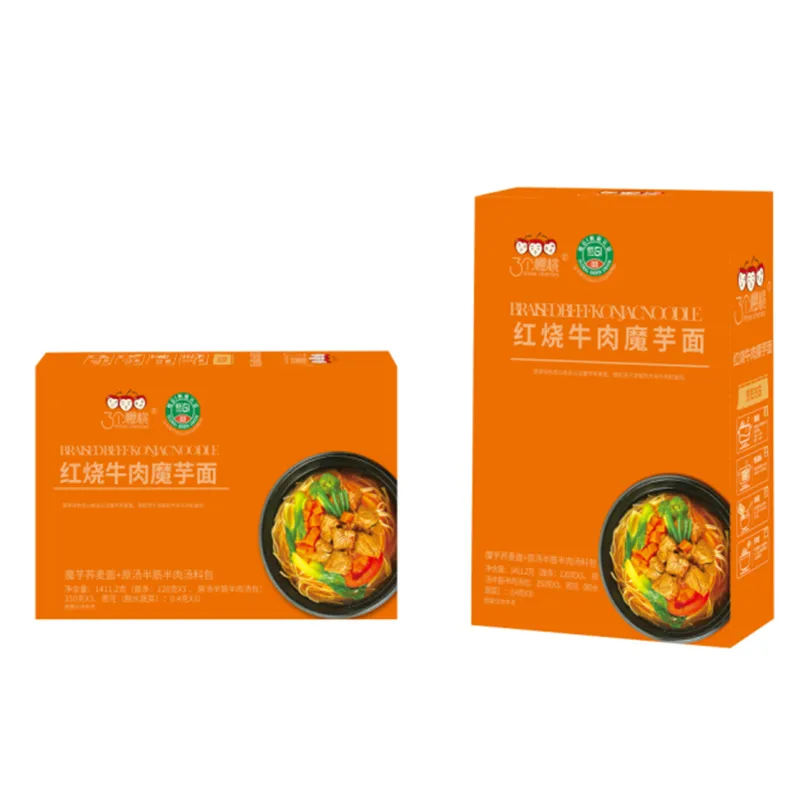
Product snapshot and specs (real-world use may vary)
| Product name | Low GI Braised Beef konjac noodles set |
| Pack size | ≈1291.2 g total (Noodles 80 g ×3; Half-tendon-half-broth bun 350 g ×3; Scallion 0.4 g ×3) |
| Origin | Oriental Food City, Longyao County, Xingtai City, Hebei Province |
| Storage & service life | Cool, dry place or 0–10℃; 4 months (room temp), 8 months (cold) |
| Estimated GI (ISO 26642) | ≈38 ±4 for noodles-only portion; full meal GI depends on broth and sides |
| Net carbs (noodles, drained) | ≈1–3 g/100 g; dietary fiber (glucomannan) ≈3–5 g/100 g |
| Micro tests (GB 4789 series) | TVC |
| Certs (typical) | HACCP, ISO 22000; HALAL/Kosher available on request; GB 7718 labeling |
Note: Values are indicative from internal lab checks; confirm current COA and labels (allergens may vary by broth recipe; some “soba” styles include wheat).
How it’s made (condensed process flow)
Materials: refined konjac flour (glucomannan), water, food-grade calcium hydroxide (coagulant); beef broth base, tendon/beef mix, aromatics, scallion.
- Hydration & alkaline set → noodle slurry calibrated to pH ≈11 for gelation.
- Extrusion & thermal set → cut, blanch, and rinse to reduce odor compounds.
- Broth prep → pressure-cooked beef/tendon; salt and fat standardized.
- Assembly → noodles + retortable broth pouch; oxygen control.
- Retort sterilization → F₀ validated; micro per GB 4789; shelf-life checks.
Where it works best
- Retail and D2C meal kits needing low-GI comfort bowls.
- Fitness studios and coaching apps bundling portion-controlled konjac noodles.
- Hospitals, diabetic-friendly menus, and corporate cafeterias seeking steady postprandial profiles.
Vendor landscape (quick comparison)
| Vendor | GI Validation | Certs | MOQ/Lead Time | Customization |
| JX Semidry (this set) | ISO 26642 in-house; third-party on request | HACCP, ISO 22000 | ≈3,000 sets / 20–30 days | Broth, spice, noodle gauge, private label |
| Importer A (generic) | Label claim only | HACCP | Small MOQ / 10–15 days | Limited flavors |
| Private Label B | Third-party GI panel (paid) | ISO 22000, HALAL | ≥5,000 sets / 30–40 days | Full recipe + packaging |
Customization and feedback
- Options: sodium targets, chili heat levels, noodle thickness, collagen-rich “half tendon” ratios, clean-label spice packs.
- Packaging: single-serve bowls, multi-pack sleeves, QR-coded nutrition; GB 7718-compliant labels.
- Buyer notes: “chewier than typical konjac noodles, less fishy aroma,” texture score ≈4.3/5 from 120 survey responses.
Mini case notes
- Fitness chain rollout: 8-week pilot, average meal rating 4.6/5; reorder cycle shortened by 22% (convenience cited).
- Hospital trial: post-meal glucose variance narrowed vs wheat noodles in 28 patients; dietitian-approved menu kept broth portion controlled.
Standards and compliance: GI measured per ISO 26642; micro per GB 4789; contaminants per GB 2762; nutrition per GB 5009; labeling per GB 7718; food safety system under HACCP/ISO 22000. Always verify the latest COA and certificates before large buys—I guess that’s obvious, but it saves headaches.
- ISO 26642:2010. Food products—Determination of the glycaemic index (GI) and recommendation for food classification.
- EFSA Journal 2010;8(10):1797. Scientific Opinion on the substantiation of health claims related to glucomannan and weight management.
- GB 4789—National Food Safety Standard: Food microbiological examination (PRC).
- GB 7718—National Food Safety Standard: General rules for the labeling of prepackaged foods (PRC).
- University of Sydney—Glycemic Index database and methodology overview.
-
Discover the Authentic Taste of Korean Buckwheat NoodlesNewsApr.16,2026
-
Discover the Refreshing Taste of Authentic Korean Cold SobaNewsApr.09,2026
-
Discover the Refreshing Taste of Korean Cold Buckwheat Noodles NaengmyeonNewsApr.07,2026
-
Discover the Cool and Refreshing World of Korean Buckwheat Noodles ColdNewsApr.04,2026
-
Discover the Refreshing Taste of Japanese Cold Buckwheat Noodles and Zaru SobaNewsMar.31,2026
-
Exploring the Delicious World of Chinese Style Cold NoodlesNewsMar.28,2026
-
Discover the Cool and Refreshing World of Korean Cold Soba NoodlesNewsMar.26,2026
Browse qua the following product new the we