
Buckwheat Noodles and Diabetes: A Smart Dietary Choice for Blood Sugar Control
Why Are Buckwheat Noodles and Diabetes Worth Talking About?
At first glance, the relationship between buckwheat noodles and diabetes might seem obscure — noodles and blood sugar? Odd combo! Yet, globally millions face diabetes and sift through countless food options, hunting for convenient meals that won’t spike blood sugar or aggravate health issues. Buckwheat noodles have quietly become a favored choice, celebrated for their unique nutritional profile.
The global rise in diabetes is staggering. According to the International Diabetes Federation, over 537 million adults were living with diabetes in 2021, and that number keeps climbing. With diet being a huge factor in managing the disease, understanding how foods like buckwheat noodles fit into a diabetic-friendly lifestyle is both a public health priority and a growing industry focus.
Mini takeaway: Exploring buckwheat noodles isn’t just about taste—it’s about practical solutions for a worldwide health challenge.
Global Context: Buckwheat Noodles and Diabetes in Focus
Diabetes affects all corners of the globe but tends to hit hardest where urbanization and processed diets surge. Meanwhile, buckwheat — a pseudo-cereal heralded in East Asia and Eastern Europe — provides a nutrient-dense alternative that’s becoming globally available.
According to UN Food and Agriculture Organization data, buckwheat production is picking up in regions like China, Russia, and parts of Europe, responding partly to consumer demand for low glycemic index foods. Specialists highlight that buckwheat noodles, as a staple in some Asian cuisine, blend tradition with modern dietary needs, offering a palatable, diabetic-friendly carbohydrate source.
Here lies the challenge: how to scale access, educate consumers on benefits, and integrate buckwheat noodles in diverse meal plans without losing cultural context? It’s no small feat but a promising avenue.
Mini takeaway: Buckwheat noodles present a culturally rich, nutritionally smart alternative for millions managing diabetes worldwide.
Understanding Buckwheat Noodles and Diabetes: Basic Definitions
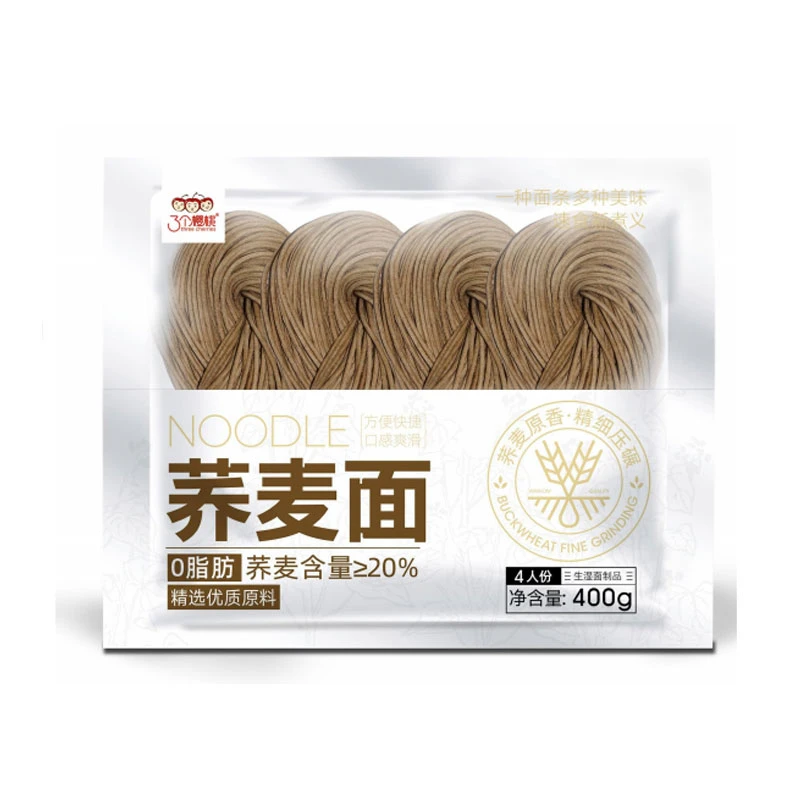
Buckwheat noodles: These are noodles made primarily from buckwheat flour, sometimes blended with wheat flour. They have a distinctive nutty flavor and a firm texture, used widely in dishes like Japanese soba or Korean naengmyeon.
Diabetes: A chronic metabolic disorder where the body struggles to regulate blood sugar levels (glucose) properly. Managing carbohydrate quality and intake is central to controlling symptoms and avoiding complications.
The intersection here is important: buckwheat noodles have a comparatively low glycemic index, meaning they release glucose into the bloodstream more slowly, aiding blood sugar control. This makes them stand out for diabetic-friendly eating.
Mini takeaway: Buckwheat noodles provide a meaningful dietary option that supports blood sugar balance.
Core Components to Consider in Buckwheat Noodles for Diabetes Management
Nutritional Profile
Buckwheat is packed with complex carbs, fiber, protein, and essential minerals such as magnesium and zinc. Its richness in antioxidants like rutin also plays a subtle role in vascular health, which is crucial for people with diabetes.
Glycemic Index (GI) Values
Many studies show that buckwheat noodles have lower GI values compared to wheat-based noodles, translating to gentler blood glucose responses after meals. That’s the heart of their appeal.
Gluten-Free Potential
Since buckwheat is naturally gluten-free, those with concurrent gluten intolerance or celiac disease (common in diabetic populations) can safely choose buckwheat noodles, provided no wheat flour is added.
Production Quality and Ingredient Transparency
Not all buckwheat noodles are created equal. Ingredient sourcing, processing methods (stone-ground versus highly processed), and additives affect both flavor and nutritional quality.
Accessibility and Cost
While buckwheat noodles are nutritious, their availability and price point vary globally, impacting adoption rates among diabetic communities.
Mini takeaway: Nutritional and production factors matter just as much as taste when it comes to buckwheat noodles and diabetes.
Where Around the World Are Buckwheat Noodles Changing the Diabetes Game?
- East Asia: Japan and Korea continue to champion traditional soba and naengmyeon noodles as diabetic-friendly staples.
- Eastern Europe: In countries like Russia and Ukraine, buckwheat dishes integrate with long-standing food traditions, slowly being adapted for diabetes nutrition plans.
- North America & Europe: Rising health-conscious movements promote buckwheat noodles as specialty health foods, available through wellness-focused grocery chains.
- NGO & Humanitarian Use: Some nutrition-focused organizations incorporate buckwheat-based products in diabetes education programs in developing countries.
For example, a diabetes community center in Seoul started partnered cooking classes featuring buckwheat noodle recipes, and patients reported better blood sugar stability. Small steps but meaningful, you know?
Mini takeaway: Diverse global regions find practical, cultural, and medical value in buckwheat noodles as part of diabetes care plans.
Advantages and Long-Term Value: Beyond Blood Sugar
The perks of buckwheat noodles go further than just glycemic control. Here are some advantages:
- Cost-Effective Nutrition: Buckwheat noodles offer a filling meal that doesn’t break the bank for many households.
- Sustainability: Buckwheat grows fast, thrives in poor soil, and requires less pesticide, aligning with green agriculture values.
- Cultural Respect: They honor eating traditions while meeting modern health needs.
- Emotional Wellbeing: Food often connects to identity; eating familiar foods like noodles can support psychological health in chronic illness.
Mini takeaway: Buckwheat noodles resonate across health, culture, and environment, offering multifaceted value for diabetes management.
Tomorrow’s Trends in Buckwheat Noodles and Diabetes Nutrition
Innovation never sleeps. Looking ahead, we see:
- Enhanced Processing: Techniques to improve nutritional retention and texture, making noodles even more appealing.
- Functional Fortification: Adding vitamins, minerals, or probiotics targeted at diabetes support.
- Digital Diet Platforms: Apps integrating buckwheat noodle recipes with personalized glucose data.
- Sustainability Policies: Governments incentivizing buckwheat farming to combat food insecurity and diabetes simultaneously.
It feels like a subtle yet steady shift from ‘food as fuel’ to ‘food as medicine’ — which really puts the spotlight on buckwheat noodles and diabetes management.
Mini takeaway: The future promises an exciting convergence of tech, health science, and tradition for buckwheat noodles.
Challenges and How Experts Suggest Overcoming Them
Of course, it’s not all rosy. Challenges include:
- Ingredient Inconsistency: Variations in buckwheat flour quality can affect efficacy.
- Consumer Awareness: Many still don’t know about buckwheat noodles’ benefits.
- Price and Distribution: Making these products affordable and accessible worldwide remains a hurdle.
Experts recommend education campaigns, standardizing production methods, and partnering with local farmers to improve supply chains. Frankly, it calls for teamwork across nutritionists, manufacturers, and healthcare providers.
Mini takeaway: Tackling these challenges head-on ensures buckwheat noodles reach their full potential in diabetes care.
Product Specification Table: Typical Buckwheat Noodles (per 100g dry)
| Specification | Typical Value |
|---|---|
| Calories | 335 kcal |
| Carbohydrates | 70 g |
| Dietary Fiber | 10 g |
| Protein | 13 g |
| Fat | 3 g |
| Glycemic Index | 45-54 (Low to Medium) |
Vendor Comparison Table: Buckwheat Noodle Brands for Diabetes Support
| Brand | Gluten-Free? | Organic Certification | Average Price (per 500g) | Available Regions |
|---|---|---|---|---|
| SobaChef | No (Mixed Flour) | Yes | $7.99 | North America, Europe |
| PureBuckwheat | Yes | Yes | $9.50 | Asia, Europe |
| EcoNoodle | Yes | No | $6.75 | Online Global |
Frequently Asked Questions About Buckwheat Noodles and Diabetes
Q1: Can buckwheat noodles cause blood sugar spikes?
A: Generally, no. Buckwheat noodles have a relatively low glycemic index, meaning they cause a slower, gentler rise in blood sugar compared to traditional wheat noodles. However, portion control and what you pair them with matters. Eating them with fats, proteins, and veggies can further stabilize blood sugar responses.
Q2: Are all buckwheat noodles suitable for people with diabetes?
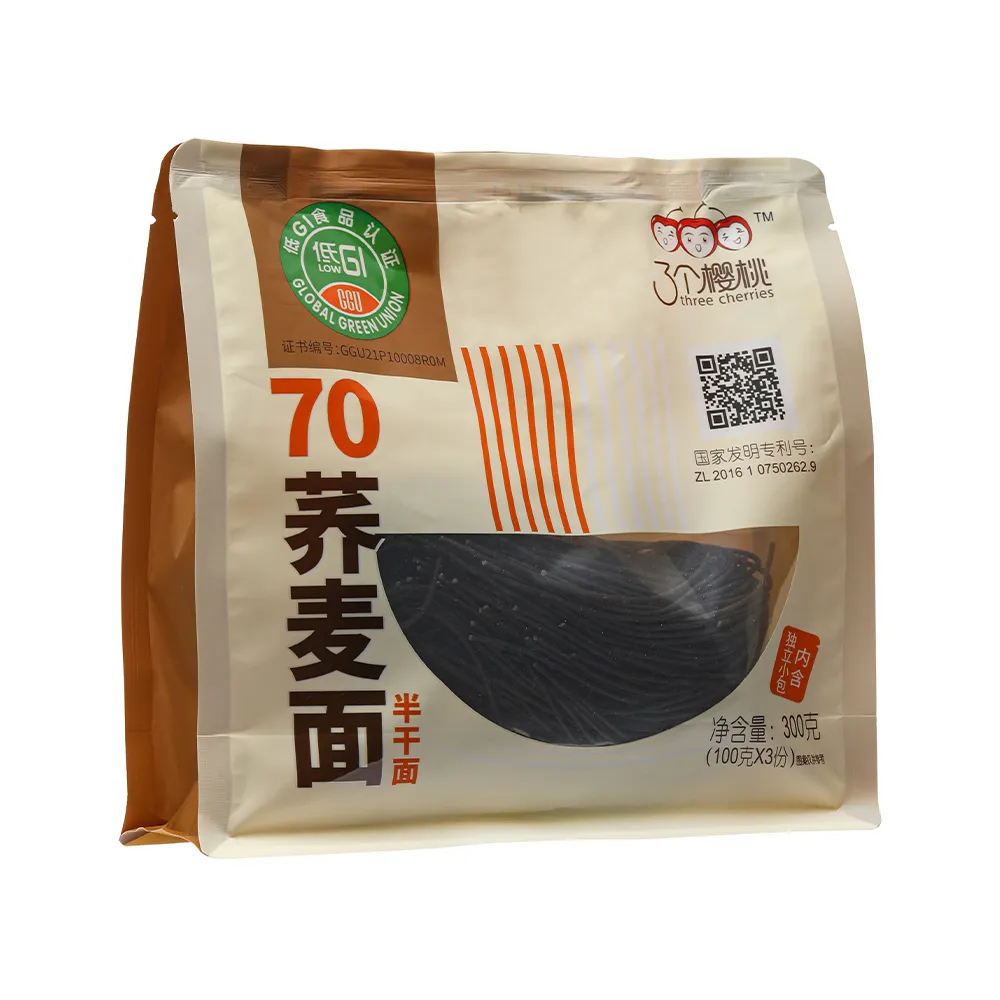
A: Not exactly. Some buckwheat noodles mix wheat or other flours, which may affect blood sugar differently. Pure buckwheat varieties or those clearly labeled low-GI and gluten-free tend to be better choices. Check ingredient labels carefully.
Q3: Can buckwheat noodles help in long-term diabetes management?
A: Incorporating buckwheat noodles as part of a balanced diet may support better glycemic control and reduce complications over time. They’re not a cure but a helpful tool in a broader lifestyle approach.
Q4: How do I cook buckwheat noodles without losing their nutritional benefits?
A: Avoid overcooking; al dente is best to preserve texture and nutrients. Rinse quickly in cold water to remove excess starch and pair with fresh vegetables and lean proteins for a balanced meal.
Q5: Where can I find reliable buckwheat noodles suitable for diabetics?
A: Specialty grocery stores, health food shops, and online outlets often carry diabetic-friendly buckwheat noodles. Brands like PureBuckwheat or EcoNoodle (see table above) have good reputations and clear labeling.
Conclusion: Why Buckwheat Noodles Matter for Diabetes Today and Tomorrow
So here we are, back at the crossroads of tradition, health, and modern diet. Buckwheat noodles and diabetes represent a timely convergence where centuries-old food makes a real difference in today’s diabetes challenge. They’re nutritious, culturally versatile, and increasingly accessible.
If you or someone you know navigates the complexities of blood sugar management, integrating buckwheat noodles could be a simple, tasty strategy. The future hints at even smarter, fortified, and more sustainable buckwheat products coming our way.
Curious to learn more or find quality buckwheat noodles tailored to your needs? Visit our website: buckwheat noodles and diabetes.
Thanks for sticking with me through this noodle deep-dive. Sometimes, the simplest foods hold the most potential...
References & Further Reading
-
Discover the Authentic Taste of Korean Buckwheat NoodlesNewsApr.16,2026
-
Discover the Refreshing Taste of Authentic Korean Cold SobaNewsApr.09,2026
-
Discover the Refreshing Taste of Korean Cold Buckwheat Noodles NaengmyeonNewsApr.07,2026
-
Discover the Cool and Refreshing World of Korean Buckwheat Noodles ColdNewsApr.04,2026
-
Discover the Refreshing Taste of Japanese Cold Buckwheat Noodles and Zaru SobaNewsMar.31,2026
-
Exploring the Delicious World of Chinese Style Cold NoodlesNewsMar.28,2026
-
Discover the Cool and Refreshing World of Korean Cold Soba NoodlesNewsMar.26,2026
Browse qua the following product new the we