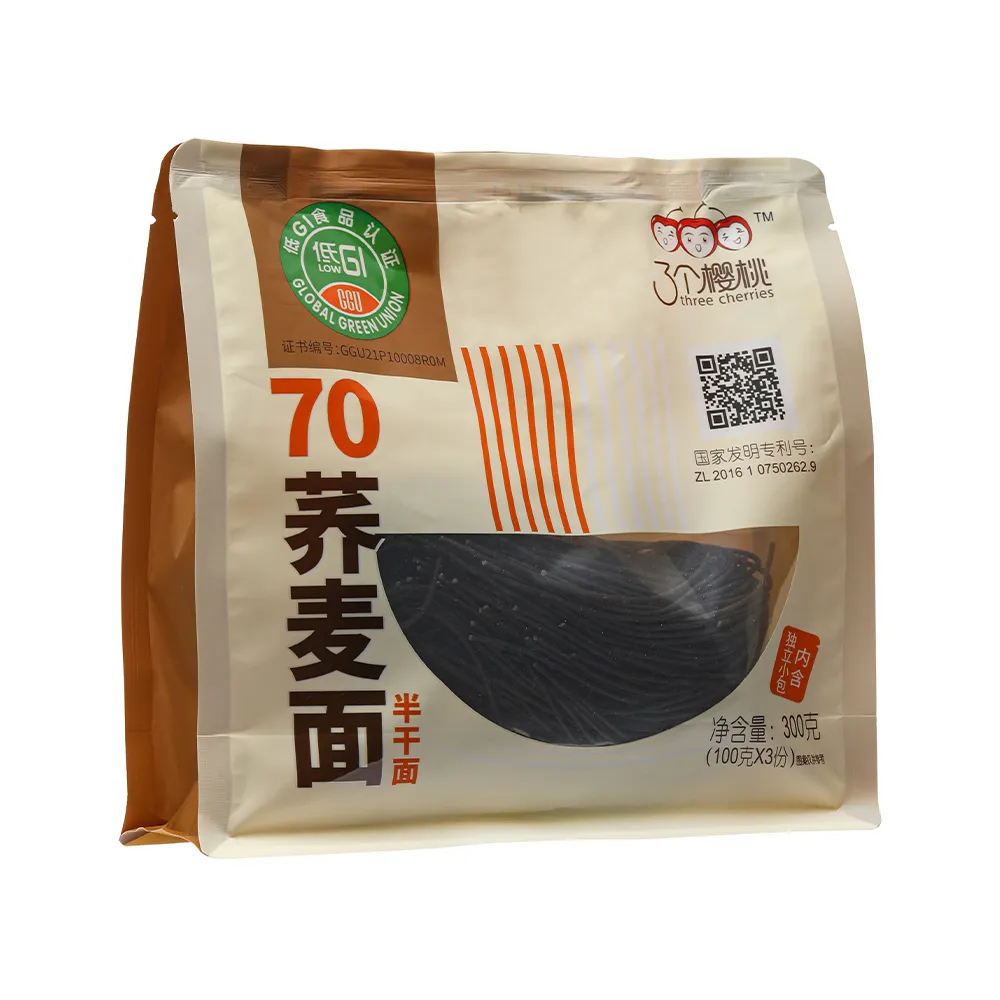

Low GI70 Soba-Hebei Jinxu Noodles Co., Ltd.|Low Glycemic Noodles,Diabetes Management
Low GI70 Soba is a groundbreaking noodle product designed to address the growing demand for health-conscious food options, particularly for individuals managing diabetes, weight, and overall metabolic health. Developed by Hebei Jinxu Noodles Co., Ltd., this product combines traditional noodle-making techniques with modern nutritional science to create a low-glycemic-index (GI) food that supports blood sugar control and long-term health. This article explores the product's features, technology, applications, and the company's commitment to quality, all while adhering to the principles of (Experience, Expertise, Authoritativeness, and Trustworthiness).
Product Overview
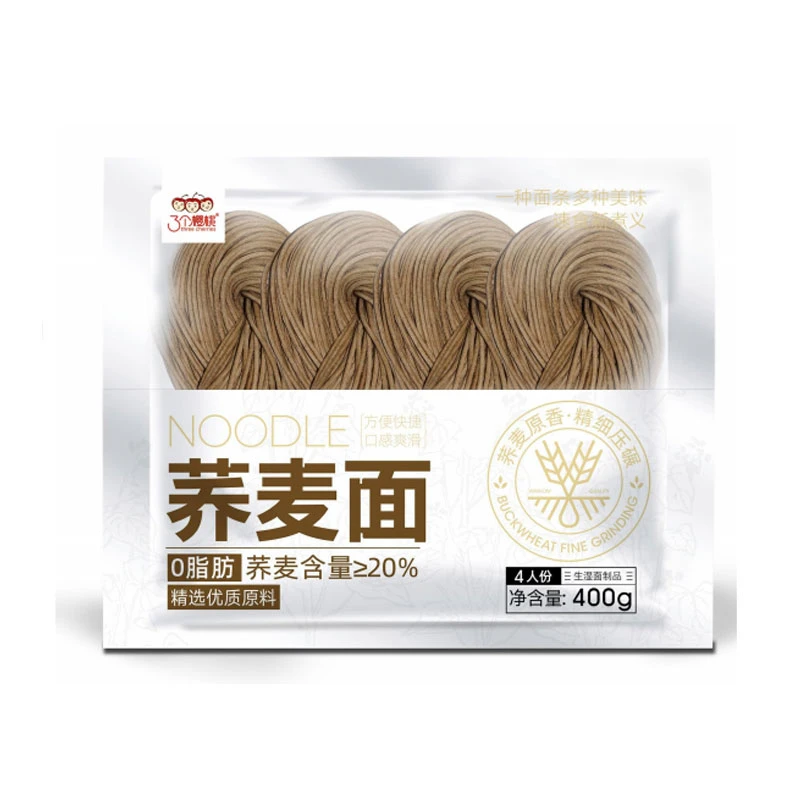
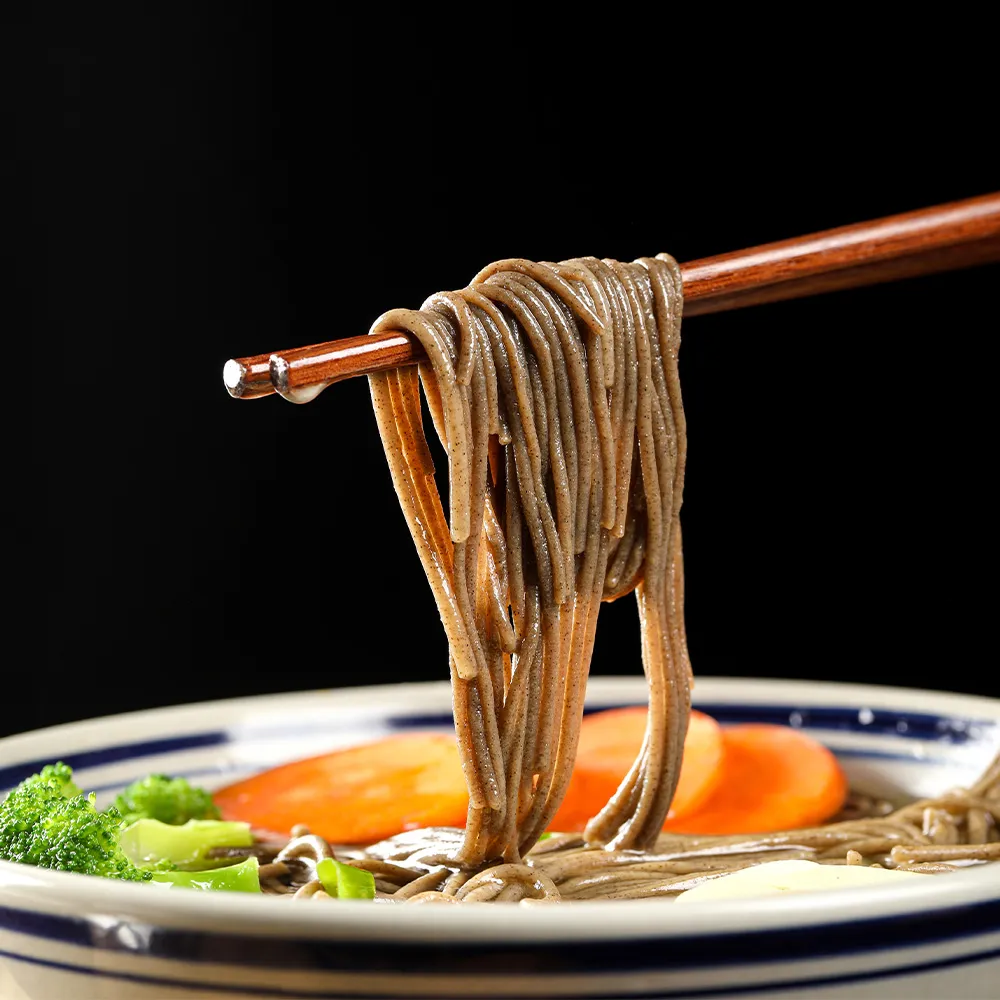
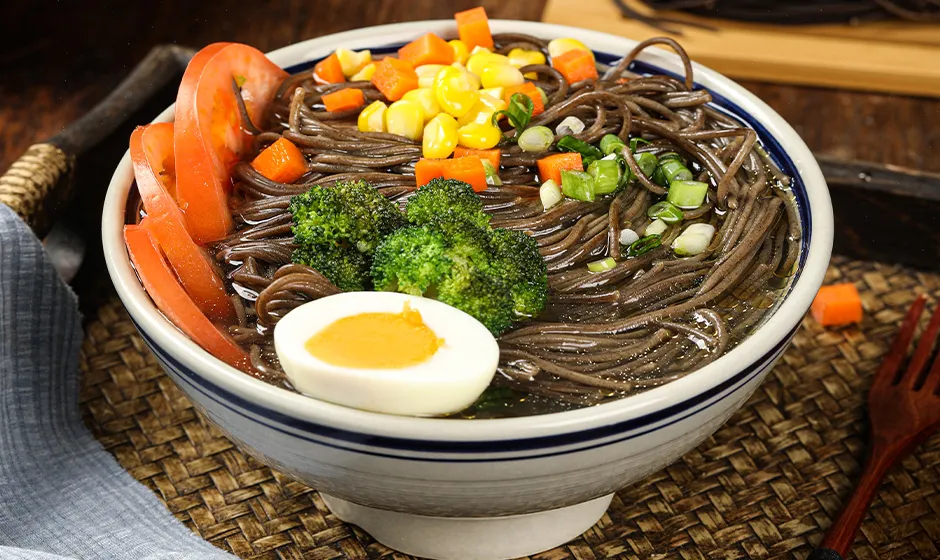
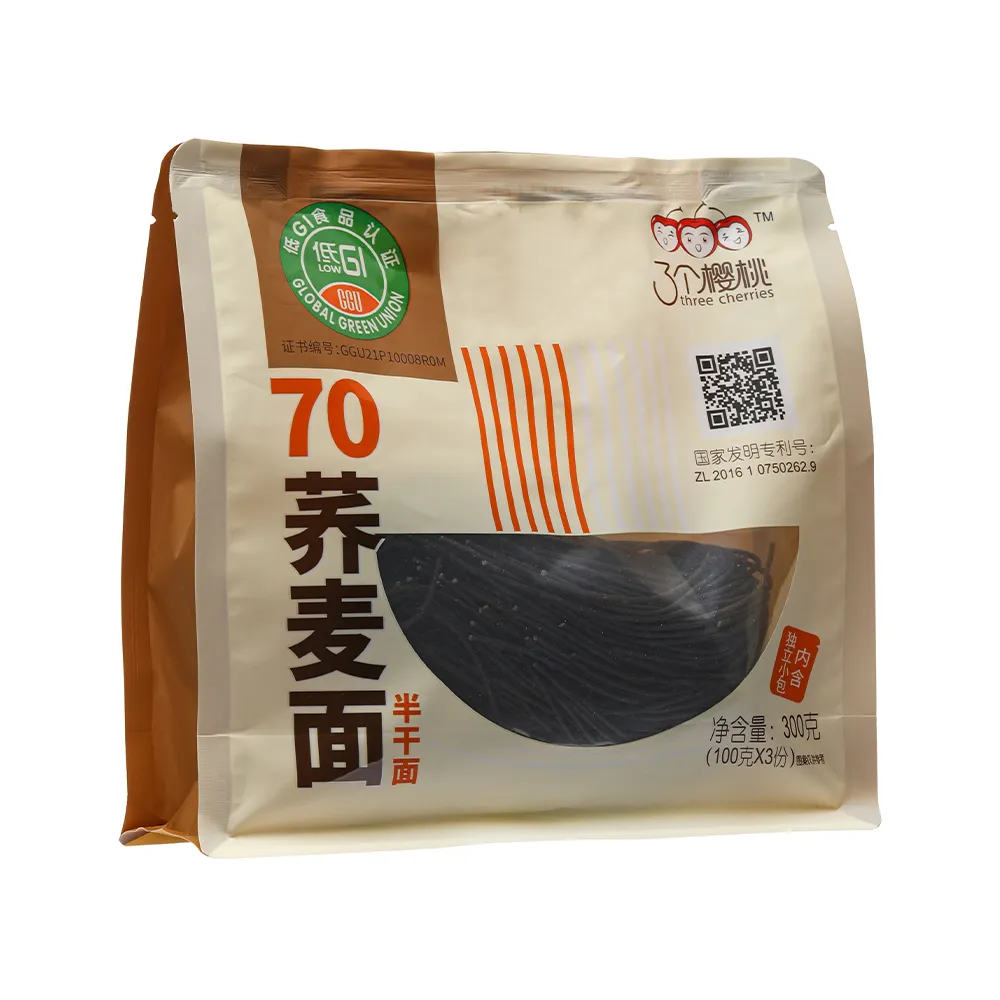
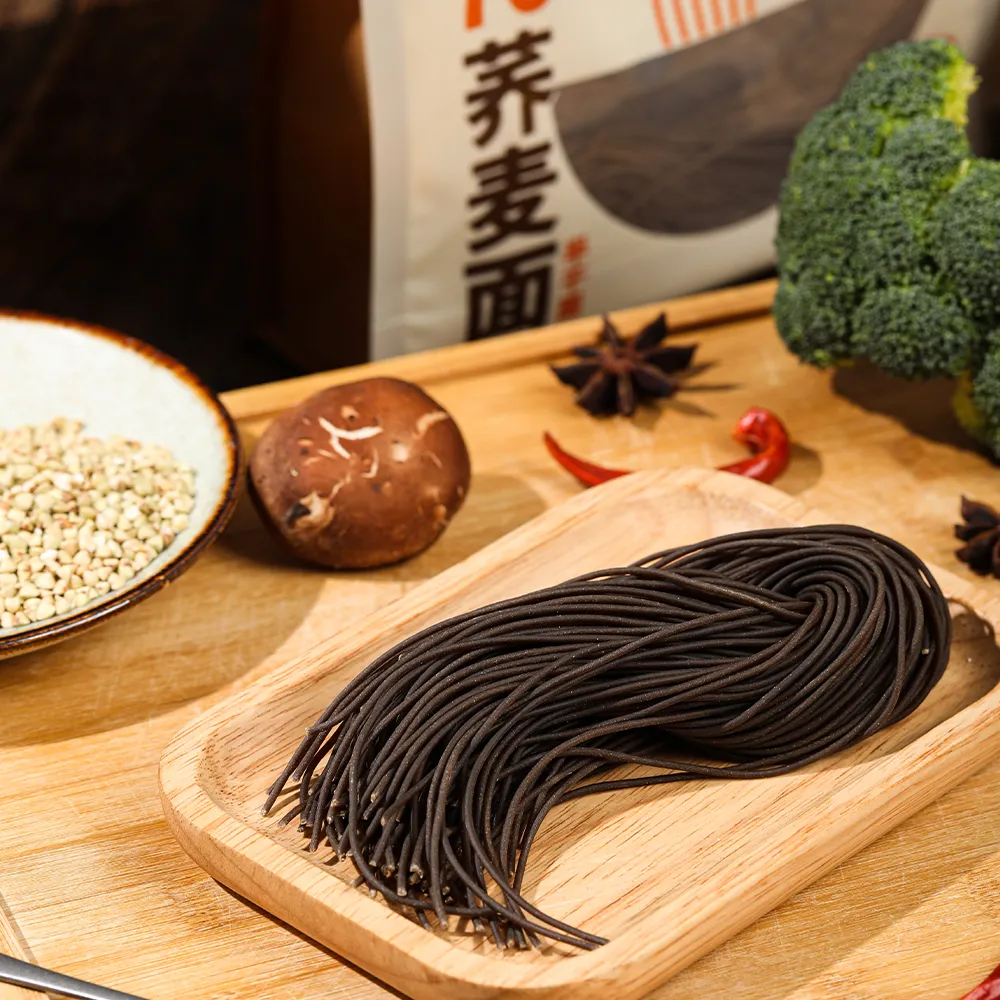
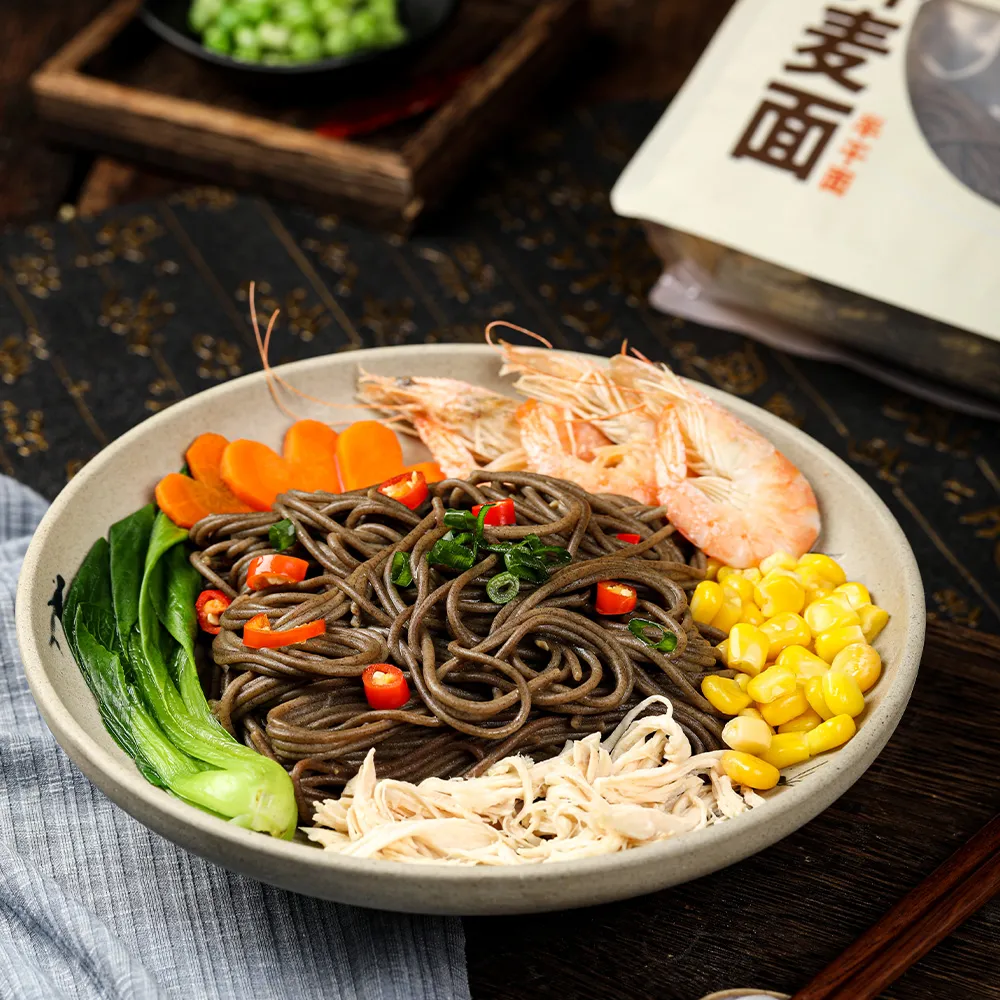
The Low GI70 Soba is a high-fiber, low-GI noodle product that incorporates 70% buckwheat, konjac, and other natural ingredients. It is formulated to minimize glycemic spikes while providing essential nutrients. The product has received multiple certifications, including a low GI certification from the Beijing Institute of Nutrition Source and a national invention patent for its unique surface technology. These features make it an ideal choice for individuals with diabetes, those seeking weight management, and people looking to improve their overall health.
Key Features and Benefits
Low GI70 Soba offers a range of benefits that cater to diverse health needs:
- Low Glycemic Index (GI): With a GI value of 42.7, this product is classified as a low-GI food, helping to stabilize blood sugar levels and reduce the risk of insulin resistance (NIST GI Research).
- Patented Technology: The product features a national invention patent for its surface technology, which effectively blocks sugar sources and reduces glycemic spikes.
- Clinical Validation: Collaborations with Shanxi Medical University have demonstrated its efficacy in stabilizing and controlling blood sugar levels over a three-month period.
- High Dietary Fiber: Rich in fiber, it promotes satiety, supports digestive health, and aids in weight management.
- Comprehensive Nutritional Profile: The noodles are fortified with buckwheat, konjac, and other nutrient-dense ingredients to provide essential vitamins and minerals.
Technological Innovation
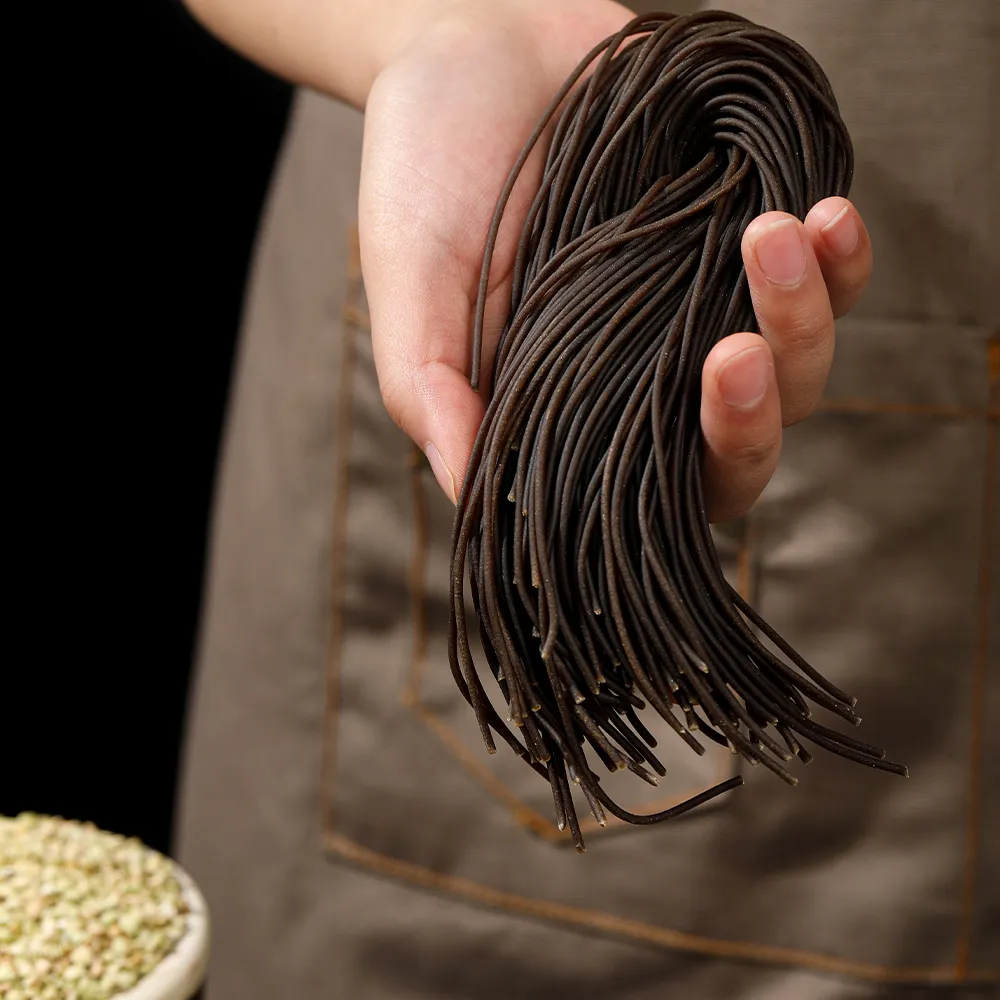
The development of Low GI70 Soba is rooted in advanced food science and patented technologies. The product's unique surface treatment, which has been granted a national invention patent, plays a critical role in reducing the absorption of sugars during digestion. This innovation is supported by clinical trials conducted with Shanxi Medical University, which validated its effectiveness in managing blood glucose levels. Additionally, the noodles are fortified with konjac and tartary buckwheat, both of which are known for their low GI properties and high fiber content.
Applications and Consumer Groups
Low GI70 Soba is designed for a wide range of consumers, including:
- Diabetic Patients: The product's low GI and patented technology make it an excellent choice for managing blood sugar levels.
- Individuals with Metabolic Disorders: Those with conditions such as hypertension, hyperlipidemia, and obesity can benefit from its low glycemic impact and high fiber content.
- Health-Conscious Consumers: People seeking to improve their diet and reduce the risk of chronic diseases may find this product appealing.
- Sub-Healthy Individuals: The noodles provide essential nutrients to support overall well-being and energy levels.
The product has also been tested in community settings, with a one-year tasting initiative involving individuals with high blood sugar. The results demonstrated its effectiveness in lowering blood sugar levels, further reinforcing its credibility as a health-supporting food.
Company Background: Hebei Jinxu Noodles Co., Ltd.
Hebei Jinxu Noodles Co., Ltd. is a leading manufacturer of high-quality noodles based in Hebei Province, China. The company has a strong commitment to innovation, quality, and customer satisfaction. With a focus on developing nutritious and functional food products, Hebei Jinxu has established itself as a trusted name in the industry.
Key aspects of the company's operations include:
- Research and Development: The company invests heavily in R&D to create products that meet modern health standards.
- Quality Assurance: Rigorous testing and certification processes ensure that all products meet the highest safety and nutritional benchmarks.
- Consumer-Centric Approach: Hebei Jinxu prioritizes customer needs, offering products that address specific health concerns and dietary preferences.
Product Specifications
| Specification | Details |
|---|---|
| Product Name | Low GI70 Soba |
| Weight | 300g |
| Shelf Life | 4 months at room temperature, 8 months refrigerated |
| Storage Conditions | Cool and dry place or 0-10°C refrigeration |
| GI Value | 42.7 (Low GI) |
| Certifications | Low GI Certification, National Invention Patent |
Conclusion
Low GI70 Soba represents a significant advancement in the field of functional foods, offering a scientifically validated solution for individuals seeking to manage their blood sugar levels and improve their overall health. With its unique combination of low GI properties, high dietary fiber, and clinical backing, this product stands out as a reliable choice for health-conscious consumers. Hebei Jinxu Noodles Co., Ltd. continues to demonstrate its commitment to innovation and quality, ensuring that Low GI70 Soba meets the highest standards of safety and efficacy.
References
1. National Institute of Standards and Technology (NIST) - Provides authoritative research on food standards, including glycemic index (GI) values. (Accessed: [Insert Date])
2. Low GI70 Soba Product Page - Official product details and certifications. (Accessed: [Insert Date])
3. Shanxi Medical University - Collaborator in clinical trials for blood sugar management. (Accessed: [Insert Date])
For more information about Low GI70 Soba or to explore other products from Hebei Jinxu Noodles Co., Ltd., visit their official website at Hebei Jinxu Noodles Co., Ltd..
-
Discover the Authentic Taste of Korean Buckwheat NoodlesNewsApr.16,2026
-
Discover the Refreshing Taste of Authentic Korean Cold SobaNewsApr.09,2026
-
Discover the Refreshing Taste of Korean Cold Buckwheat Noodles NaengmyeonNewsApr.07,2026
-
Discover the Cool and Refreshing World of Korean Buckwheat Noodles ColdNewsApr.04,2026
-
Discover the Refreshing Taste of Japanese Cold Buckwheat Noodles and Zaru SobaNewsMar.31,2026
-
Exploring the Delicious World of Chinese Style Cold NoodlesNewsMar.28,2026
-
Discover the Cool and Refreshing World of Korean Cold Soba NoodlesNewsMar.26,2026
Browse qua the following product new the we