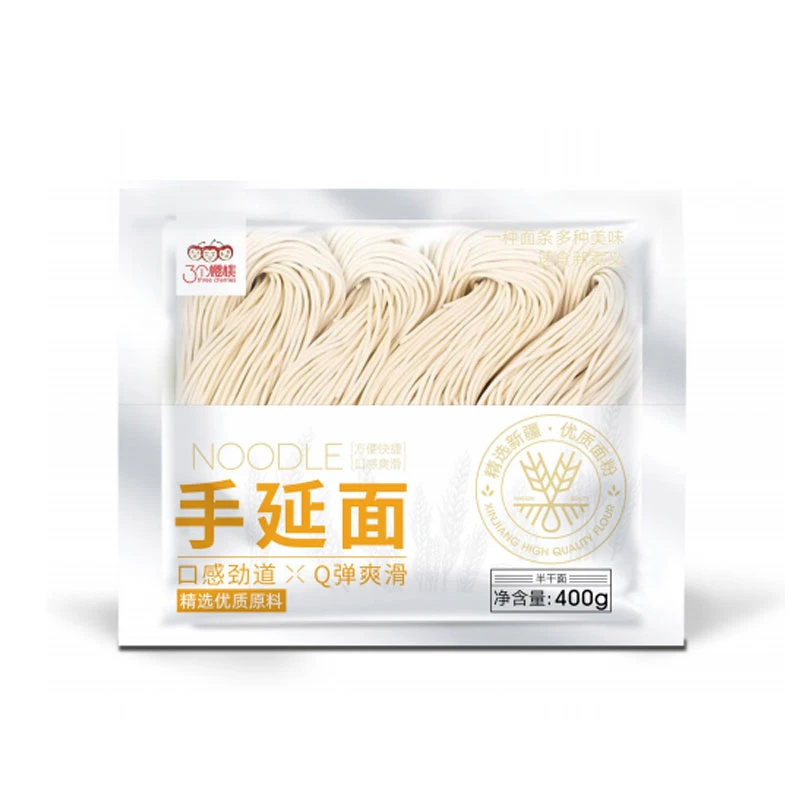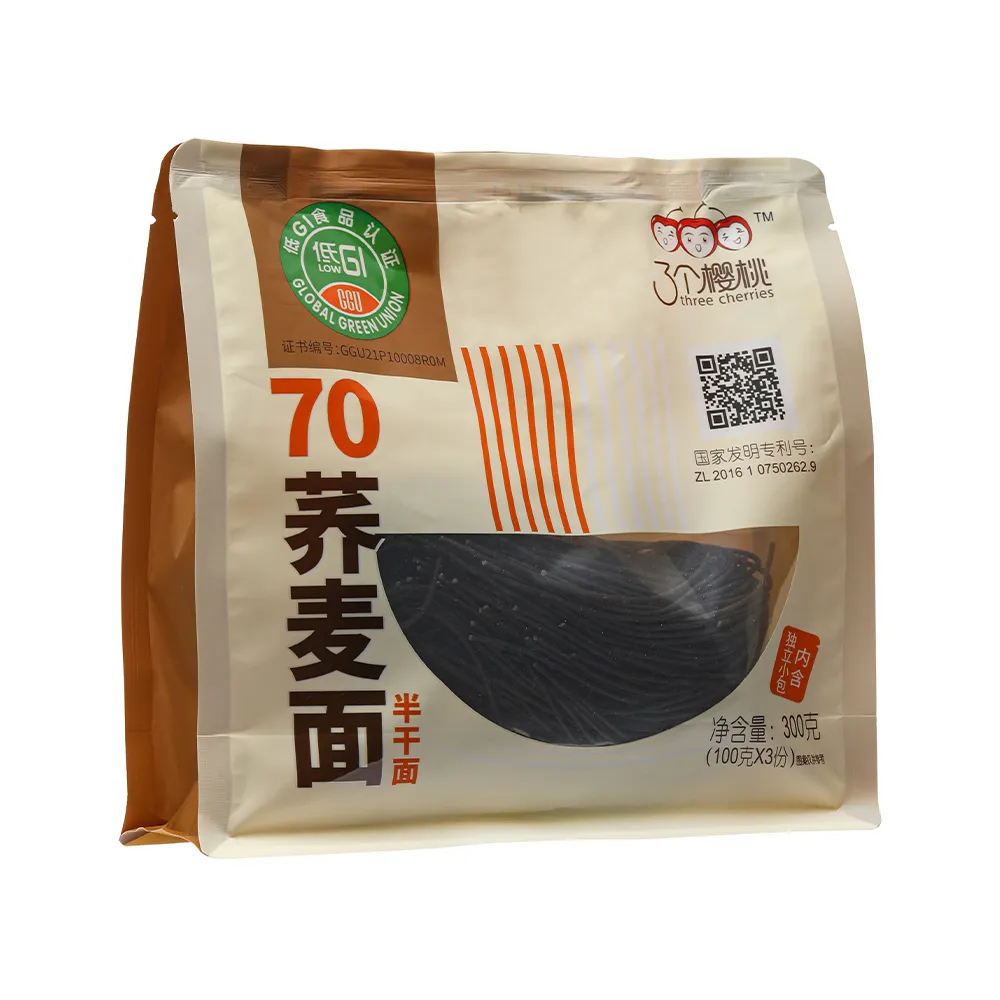

Quick & Delicious Instant Noodles: Perfect for Breakfast & Hot Pot
In the rapidly evolving global food industry, the demand for convenient, nutritious, and diverse meal solutions continues to surge. Among these, instant noodles have emerged as a staple, transitioning from a mere convenience item to a sophisticated food product category. This article delves into the technical intricacies, market dynamics, and strategic applications of modern noodle manufacturing, particularly focusing on B2B solutions for industrial-scale production. We will explore the journey from raw materials to final product, incorporating advanced manufacturing techniques, quality assurance, and a forward-looking perspective on industry trends and customized solutions.
Process Flow: From Grain to Global Cuisine
The manufacturing of instant noodles is a complex, multi-stage process that leverages precision engineering and food science to produce a consistent, high-quality product. This section outlines the typical process flow, highlighting critical technical parameters and control points.
1. Raw Material Preparation and Mixing
- Materials: Primarily wheat flour (with specific protein content, typically 10-12% for optimal viscoelasticity), water, salt (NaCl for flavor, dough strengthening, and microbial control), and alkaline agents (Kansui, a mixture of potassium carbonate and sodium carbonate, for texture, color, and chewiness). Other additives may include starch, emulsifiers, and hydrocolloids to modify texture and shelf life.
- Process: Flour, water, salt, and Kansui are precisely measured and mixed in a high-speed mixer. The mixing process is crucial for optimal gluten development, influencing the dough’s rheological properties. Typical mixing time ranges from 15-20 minutes, with a water absorption rate of 30-35%.
2. Dough Sheeting and Compounding
- Process: The mixed dough is fed into a series of rollers (compounding rollers) that gradually reduce its thickness and develop a uniform, smooth sheet. This process aligns the gluten structure, contributing to the noodle’s elasticity. Progressive rolling stages achieve a final sheet thickness typically between 1.0mm and 1.5mm.
3. Slitting and Waving
- Process: The dough sheet is then cut into individual noodle strands by slitting rollers. The width of the strands can vary, typically 1.0mm to 2.5mm, depending on the desired noodle type (e.g., thin noodles for breakfast noodles or thicker strands for hot pot noodles). A waving mechanism imparts the characteristic wavy shape, which helps prevent sticking during subsequent processing and frying, and allows for easier rehydration.
4. Steaming
- Process: The wavy noodle strands are conveyed through a continuous steaming chamber, typically at 98-100°C for 1-5 minutes. Steaming gelatinizes the starch, cooks the noodles, and partially deactivates enzymes, preparing them for the drying or frying stage. Proper gelatinization is critical for the noodle’s texture and rehydration properties.
5. Cutting and Forming
- Process: After steaming, the continuous noodle strands are cut into pre-determined lengths (e.g., 20-30 cm) and formed into block or cup shapes, ready for drying or frying.
6. Drying/Frying
- Frying: The most common method. Noodles are deep-fried in palm oil (or other vegetable oils) at 140-160°C for 60-90 seconds. Frying rapidly dehydrates the noodles to a moisture content of 2-5%, creates a porous structure for quick rehydration, and extends shelf life. Oil quality and temperature control are paramount to prevent oxidation and maintain product integrity.
- Hot Air Drying: A non-fried alternative. Noodles are dried in hot air (60-80°C) for 30-45 minutes. This method yields lower-fat products but may result in a denser texture and longer rehydration time.
7. Cooling and Packaging
- Process: Cooked noodles are cooled to ambient temperature to prevent condensation and microbial growth before packaging. They are then packaged with seasoning packets (soup base, vegetable flakes, oil, etc.) in airtight, moisture-proof packaging, often made of BOPP (biaxially oriented polypropylene) or multi-layer laminates, to ensure freshness and extended shelf life, typically 6-12 months.
Testing Standards: Throughout the process, adherence to international standards such as ISO 22000 (Food Safety Management), HACCP (Hazard Analysis and Critical Control Points), and specific national food safety regulations (e.g., FDA for the US, EFSA for Europe) is critical. Parameters like moisture content, oil content, rehydration time, and sensory attributes (texture, flavor) are continuously monitored to ensure consistent product quality and safety. Service life is optimized through precise moisture control and packaging integrity, ensuring products remain viable for their specified shelf life.
Target Industries: Our advanced noodle production lines cater to a broad spectrum of industries, including large-scale food manufacturers, hotel and restaurant suppliers, military food provisions, and disaster relief organizations. These systems are designed for high throughput and consistent quality, crucial for meeting diverse market demands.
Industry Trends and Market Dynamics
The instant noodles market is experiencing dynamic shifts, driven by evolving consumer preferences and technological advancements. Key trends include:
- Health and Wellness: A growing demand for healthier options, including non-fried noodles, fortified noodles (e.g., with vitamins, minerals, fiber), and varieties with reduced sodium and artificial additives. This pushes manufacturers to innovate in formulations and drying technologies.
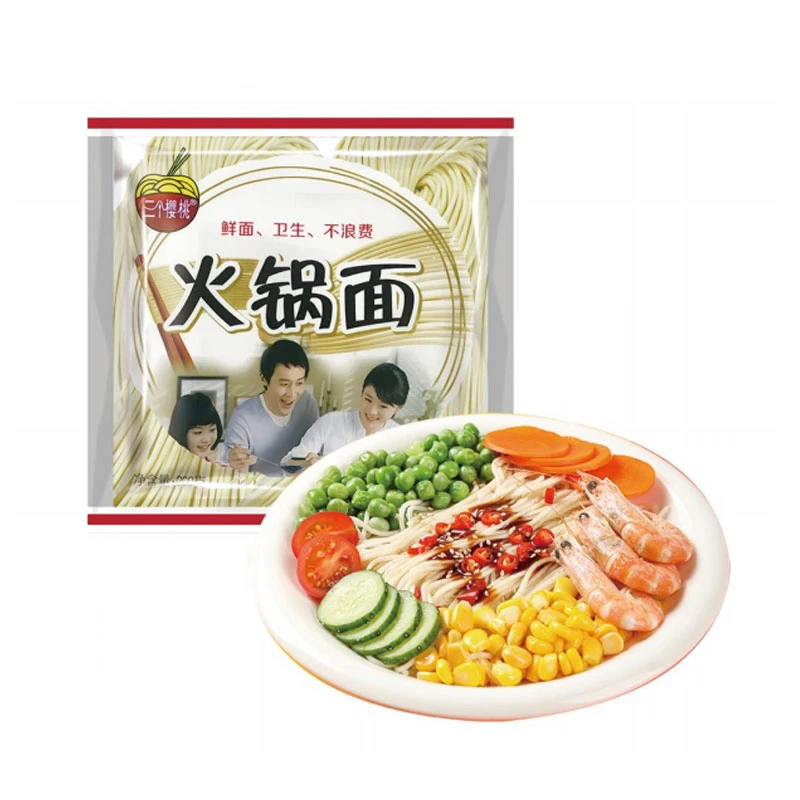
- Premiumization and Gourmet Flavors: Consumers are seeking more sophisticated flavor profiles and higher-quality ingredients, moving beyond basic chicken or beef flavors to authentic regional cuisines like chinese hot pot noodles or exotic seafood variations. This includes artisanal noodle textures and premium dehydrated ingredients.
- Sustainability: Increasing focus on eco-friendly packaging, sustainable sourcing of palm oil (RSPO certified), and energy-efficient production processes.
- Convenience and Portability: Continued demand for single-serve cups and bowls, optimized for on-the-go consumption and minimal preparation.
- Plant-Based and Allergen-Friendly: Expansion into plant-based proteins and gluten-free alternatives to cater to dietary restrictions and ethical preferences.
According to the World Instant Noodles Association (WINA), global demand for instant noodles has steadily increased, reaching approximately 121.2 billion servings in 2022. This robust growth underscores the market's resilience and adaptability.
Technical Specifications and Performance Parameters
Understanding the technical specifications of instant noodles is crucial for quality control and product differentiation. Key parameters dictate rehydration kinetics, texture, and overall sensory experience.
| Parameter | Specification Range | Impact on Product |
|---|---|---|
| Moisture Content (Fried) | 2-5% | Crucial for shelf life and prevention of microbial growth; lower content ensures crispiness and faster rehydration. |
| Oil Content (Fried) | 15-22% | Influences texture, flavor, and energy density. Controlled to meet health standards. |
| Rehydration Time | 3-5 minutes (in hot water) | Key convenience factor. Optimized through starch gelatinization and porous structure from frying/drying. |
| Noodle Strand Width | 1.0mm - 2.5mm | Affects mouthfeel, cooking time, and regional preference (e.g., thinner for Asian-style, thicker for spaghetti-like). |
| Salt Content | 1.0-2.0% (in noodle block) | Contributes to flavor, dough strength, and preservation. Monitored for health implications. |
| Shelf Life | 6-12 months (ambient storage) | Determined by moisture content, packaging, and antioxidant use in frying oil. |
Performance is also evaluated through sensory analysis, assessing elasticity, chewiness, stickiness, and overall flavor profile, ensuring consumer satisfaction and adherence to specific market demands for breakfast noodles or other specialized varieties.
Application Scenarios and Technical Advantages
Our advanced noodle manufacturing solutions deliver significant advantages across various application scenarios, driven by robust technical design and operational efficiency.
Typical Application Scenarios:
- Large-Scale Food Production Facilities: Our lines support high-volume output for national and international distribution, including diverse product lines from standard instant noodles to specialized breakfast noodles and premium gourmet offerings.
- Catering and Food Service Industry: Providing bulk or customized noodle blocks for restaurants, institutional catering, and ready-to-eat meal manufacturers, offering consistent quality and preparation ease. This is particularly relevant for high-demand scenarios like chinese hot pot noodles where a base noodle product is required.
- Emergency Relief and Military Rations: The long shelf life and ease of preparation make these products ideal for situations requiring durable, nutrient-dense food supplies.
Key Technical Advantages:
- Energy Efficiency: Modern frying and drying systems incorporate heat recovery technologies and optimized burner designs, reducing energy consumption by up to 20% compared to older models. This translates to significant operational cost savings for large-scale manufacturers.
- Corrosion Resistance and Hygiene: All food-contact surfaces are constructed from SUS304 or SUS316 food-grade stainless steel, ensuring superior corrosion resistance, ease of cleaning, and adherence to stringent food safety standards (e.g., ISO 22000, HACCP). This minimizes downtime for maintenance and enhances product safety.
- Automated Process Control: Integrated PLC (Programmable Logic Controller) and HMI (Human-Machine Interface) systems offer precise control over every stage – mixing, sheeting thickness, steaming temperature, frying duration, and packaging. This automation ensures consistent product quality, minimizes human error, and optimizes yield.
- Modular Design: Our lines feature a modular design, allowing for flexible configuration and future expansion. This adaptability enables manufacturers to easily switch between product types (e.g., varying noodle widths or block sizes) and scale production capacity as market demands evolve.
- Reduced Waste: Optimized cutting and forming mechanisms, combined with advanced sensing technologies, minimize raw material waste and ensure high product integrity, contributing to a more sustainable production model.
Vendor Comparison: Choosing the Right Manufacturing Partner
Selecting a manufacturing partner for instant noodles production lines requires a thorough evaluation of capabilities, technology, and support. Below is a comparative overview highlighting key differentiators.
| Feature/Vendor | Our Solution (e.g., JX Semi-Dry Noodles) | Competitor A (Standard) | Competitor B (Budget) |
|---|---|---|---|
| Automation Level | Full PLC & HMI integration, intelligent fault diagnosis | Partial automation, manual intervention required | Basic controls, high manual labor |
| Material Quality (Food Contact) | SUS304/SUS316 stainless steel throughout | Mixed materials, some SUS201, carbon steel for non-contact | Predominantly painted carbon steel, limited SS |
| Energy Efficiency | Advanced heat recovery, optimized motors (IE3/IE4) | Standard motors, some energy saving features | Basic components, higher energy consumption |
| Customization Capabilities | High (Noodle width, length, drying method, packaging) | Moderate (Limited customization on specific components) | Low (Standard models only) |
| After-Sales Support | Global network, 24/7 remote support, on-site engineers | Regional support, limited remote assistance | Basic warranty, local distributors |
| Certifications | CE, ISO 9001, HACCP compliance readiness | CE, basic quality certifications | Minimal or no international certifications |
Our solutions stand out due to our unwavering commitment to advanced technology, premium material quality, and comprehensive customer support, ensuring superior long-term value and operational excellence. Our extensive experience, spanning over 20 years in noodle machinery manufacturing, positions us as a trusted authority in the field. We prioritize partnerships with clients seeking reliability and innovation.
Customized Solutions
Recognizing that each client has unique requirements, we specialize in providing tailored manufacturing solutions for instant noodles production. Our engineering team collaborates closely with clients to design systems that align with specific production capacities, product formulations, and market strategies.
- Product Diversification: Customization extends to accommodating various noodle types (e.g., specific widths, thicknesses, shapes for breakfast noodles or special regional dishes like chinese hot pot noodles), frying/drying methods (fried, hot-air dried, vacuum dried), and seasoning application systems.
- Scalability: From pilot-scale production lines for new product development to high-capacity, multi-line factories, our solutions are designed for seamless scalability.
- Integration with Existing Infrastructure: We offer seamless integration with upstream (flour handling, ingredient dosing) and downstream (secondary packaging, palletizing) systems to create a fully optimized production workflow.
- Regional Compliance: Our designs account for specific local regulations, energy standards, and environmental considerations, ensuring smooth deployment and operation worldwide.
Application Case Studies
Case Study 1: High-Volume Production for a Leading Asian Food Conglomerate
A major food conglomerate in Southeast Asia required a high-capacity instant noodles production line to meet surging regional demand and expand into new export markets. They sought a solution capable of producing both traditional fried and innovative hot-air dried varieties, with stringent requirements for energy efficiency and hygiene.
Solution Provided: We engineered a fully automated line with a capacity of 180,000 blocks/hour, integrating a dual-mode frying/hot-air drying system. The line featured advanced PLC control, SUS316 food-grade stainless steel construction for all contact parts, and a comprehensive heat recovery system.
Outcome: The client achieved a 25% increase in production output within the first six months, coupled with a 15% reduction in energy consumption per unit. The flexibility to produce both fried and non-fried options allowed them to successfully launch a new "healthy choice" product line, expanding their market share significantly. The robust, hygienic design also reduced cleaning and maintenance time by 20%. Customer feedback highlighted the consistent quality and texture of the new products, reinforcing brand loyalty.
Case Study 2: Specialized Breakfast Noodle Line for a European Retailer
A prominent European supermarket chain identified a gap in the market for high-quality, quick-prep breakfast noodles with a distinct savory profile, targeting busy professionals. They needed a compact, efficient line that could produce noodles with specific textural properties suitable for a morning meal and comply with strict EU food safety standards.
Solution Provided: We developed a customized medium-capacity line (40,000 blocks/hour) featuring specialized sheeting rollers for a finer noodle texture, optimized steaming conditions for softer rehydration, and a precision seasoning applicator for their unique flavor blends. The entire system was designed to meet CE and stringent EU hygiene regulations.
Outcome: The client successfully launched their premium breakfast noodles line, which quickly became a top-seller in its category. The specialized texture and rapid rehydration time were key differentiating factors. Our solution enabled them to enter a niche market with a high-quality product, achieving a 30% ROI within the first year of operation. The system's reliability ensured uninterrupted supply to meet robust demand.
Frequently Asked Questions (FAQ)
- Q: What is the typical lead time for a complete instant noodles production line?
A: Lead times vary based on customization and capacity, but typically range from 90 to 180 days from order confirmation to factory acceptance testing. - Q: Do you provide installation and commissioning services?
A: Yes, we offer comprehensive on-site installation, commissioning, and operational training services by our experienced engineering teams worldwide. - Q: What are your warranty commitments?
A: We provide a standard 12-month warranty on all mechanical and electrical components, effective from the date of commissioning or 18 months from shipment, whichever comes first. Extended warranty options are available. - Q: How do you ensure product quality and food safety?
A: Our machines are designed and manufactured in compliance with international food safety standards (e.g., HACCP, ISO 22000). We use food-grade materials for all contact surfaces and implement rigorous quality control throughout the manufacturing process. - Q: Can your lines produce both fried and non-fried instant noodles?
A: Yes, many of our advanced lines are designed with modular drying sections, allowing for the production of both fried and hot-air dried instant noodles with minimal changeover time.
Lead Time, Fulfillment & Customer Support
Lead Time: Our commitment to efficiency ensures timely project delivery. Standard production lines typically have a lead time of 3-6 months. Highly customized solutions or integrated factory projects may range from 6-10 months. These estimates include design, manufacturing, quality assurance, and pre-shipment testing.
Fulfillment: We manage global logistics, ensuring safe and efficient delivery of equipment to your designated facility. Our team coordinates all aspects of shipping, customs, and import documentation, providing a seamless fulfillment experience.
Warranty: All our production lines come with a comprehensive 12-month warranty covering parts and labor for manufacturing defects. This warranty period can be extended upon request to provide clients with greater peace of mind.
After-Sales Support: Our dedicated customer support team offers 24/7 global assistance, including remote diagnostics, spare parts supply, and on-site technical support. We maintain a robust inventory of critical spare parts to minimize potential downtime. Our commitment extends beyond sales, providing lifelong technical consultation and upgrade services to ensure the continuous optimal performance of your investment.
References
- World Instant Noodles Association (WINA). (2023). Global Instant Noodles Consumption. Retrieved from www.instantnoodles.org
- Hou, G. G. (2010). Asian Noodles: Science, Technology, and Processing. John Wiley & Sons.
- Food and Agriculture Organization of the United Nations (FAO). (2021). Good Manufacturing Practices for the Food Industry.
- International Organization for Standardization (ISO). (2018). ISO 22000:2018 Food safety management systems.
-
Discover the Authentic Taste of Korean Buckwheat NoodlesNewsApr.16,2026
-
Discover the Refreshing Taste of Authentic Korean Cold SobaNewsApr.09,2026
-
Discover the Refreshing Taste of Korean Cold Buckwheat Noodles NaengmyeonNewsApr.07,2026
-
Discover the Cool and Refreshing World of Korean Buckwheat Noodles ColdNewsApr.04,2026
-
Discover the Refreshing Taste of Japanese Cold Buckwheat Noodles and Zaru SobaNewsMar.31,2026
-
Exploring the Delicious World of Chinese Style Cold NoodlesNewsMar.28,2026
-
Discover the Cool and Refreshing World of Korean Cold Soba NoodlesNewsMar.26,2026
Browse qua the following product new the we