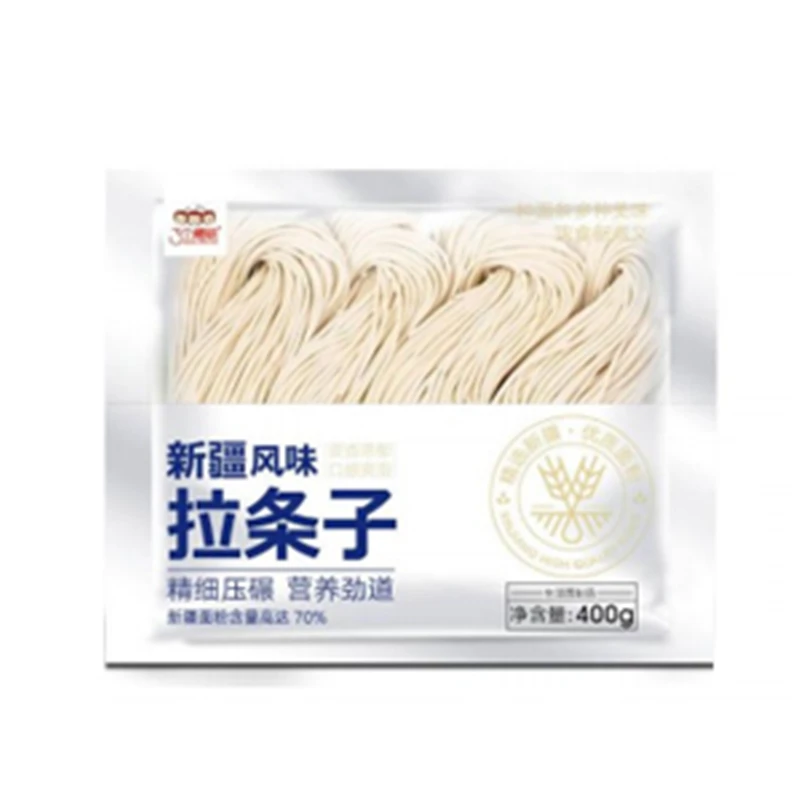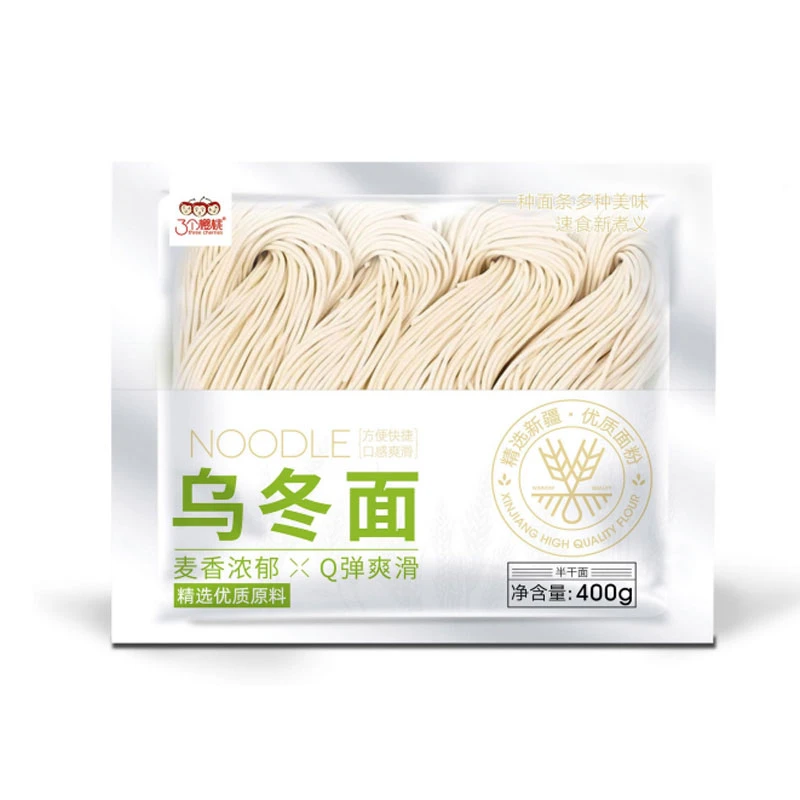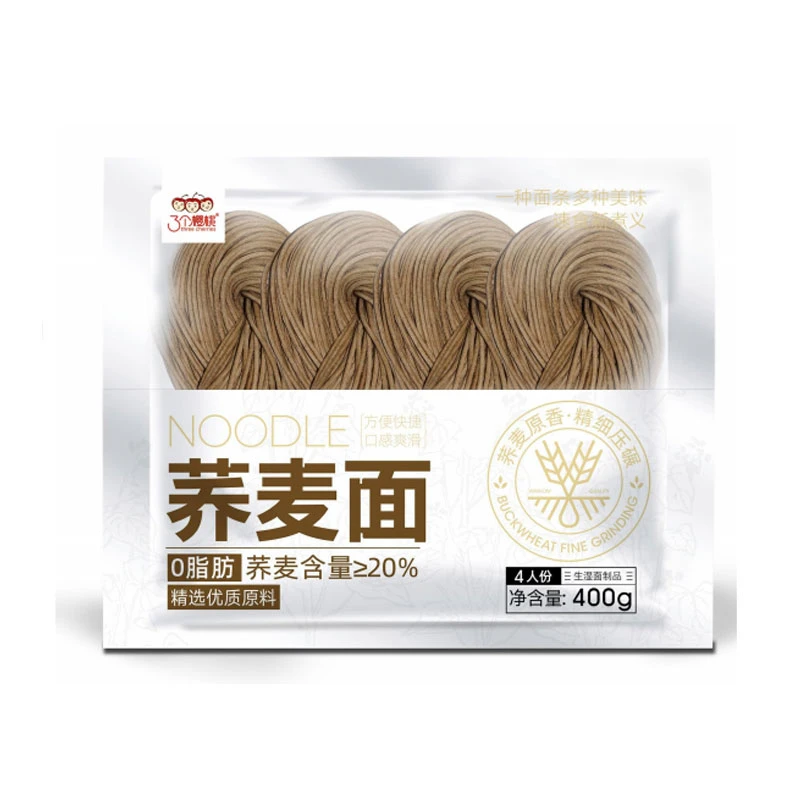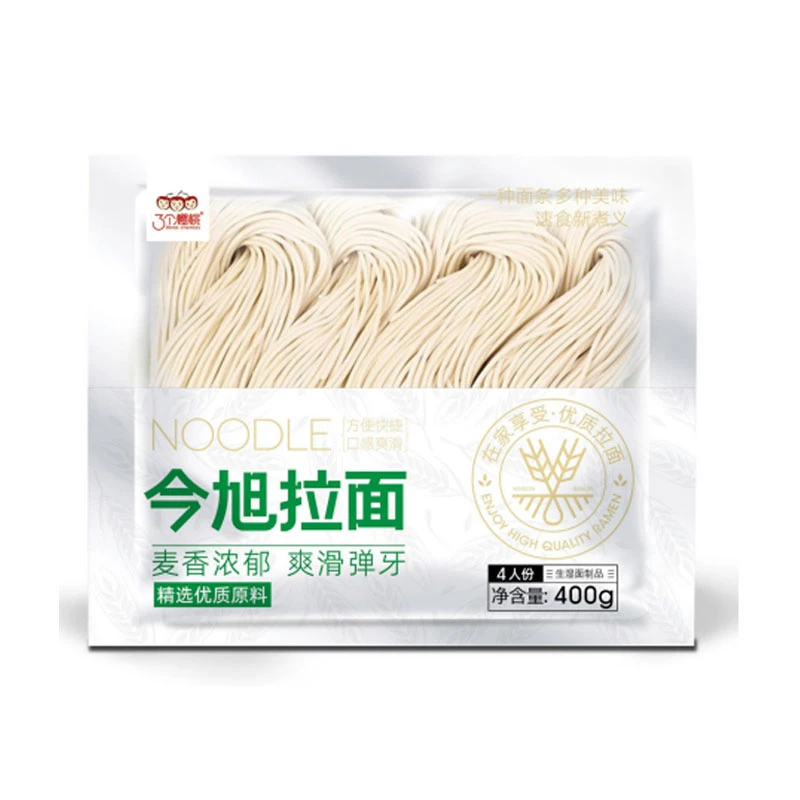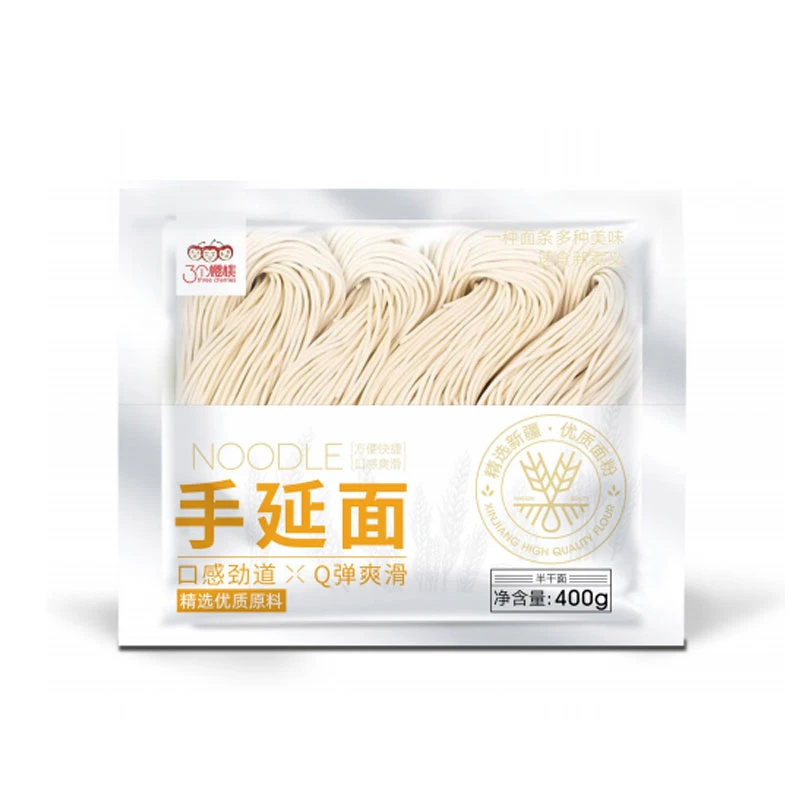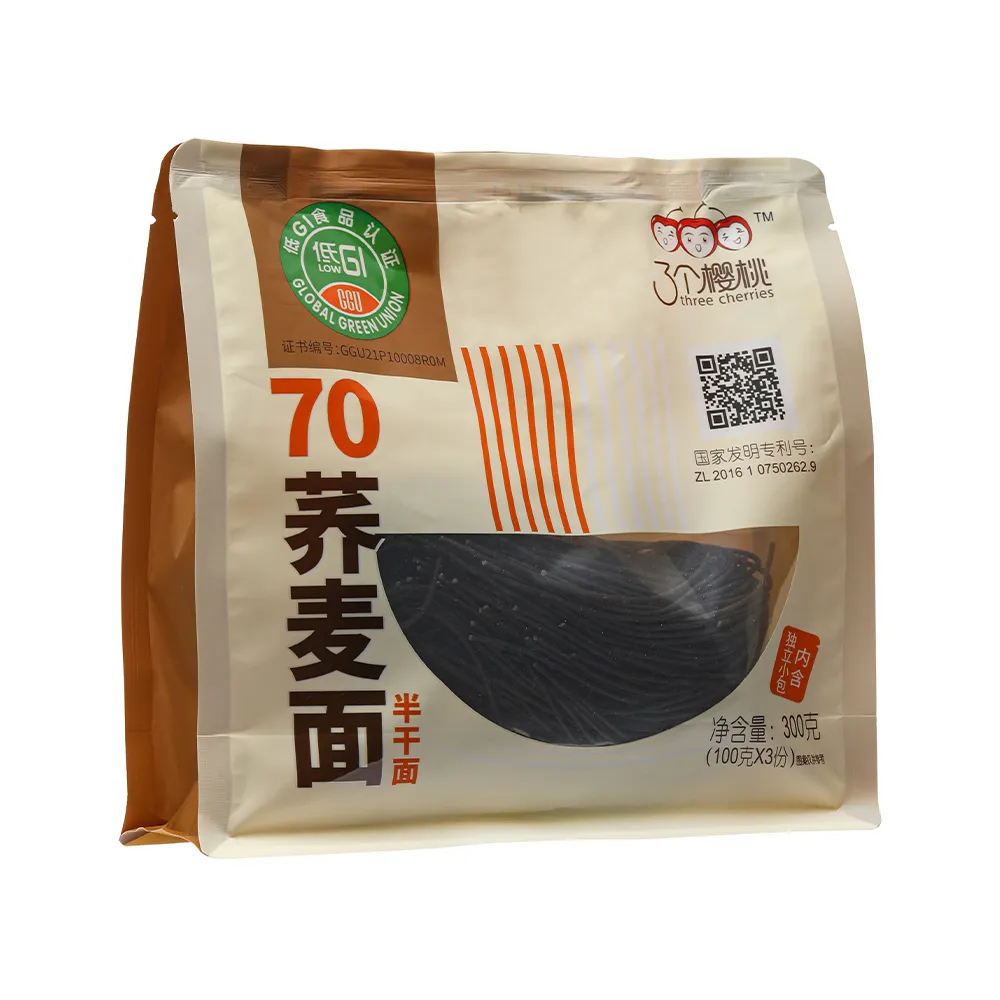

Organic Soba Noodles—Non-GMO, Vegan, Quick-Cook: Why Buy?
A Field Note on Organic Soba: Craft, Control, and What Buyers Really Ask
Last month I was back in Oriental Food City, Longyao County, Xingtai, Hebei—dusty trucks, tidy labs, and a noodle line humming at a steady clip. I went to taste organic soba noodles straight off the semi-dry rack. To be honest, I’d forgotten how clean buckwheat can smell when the milling room is dialed in—nutty, slightly floral, almost tea-like.
What’s trending now
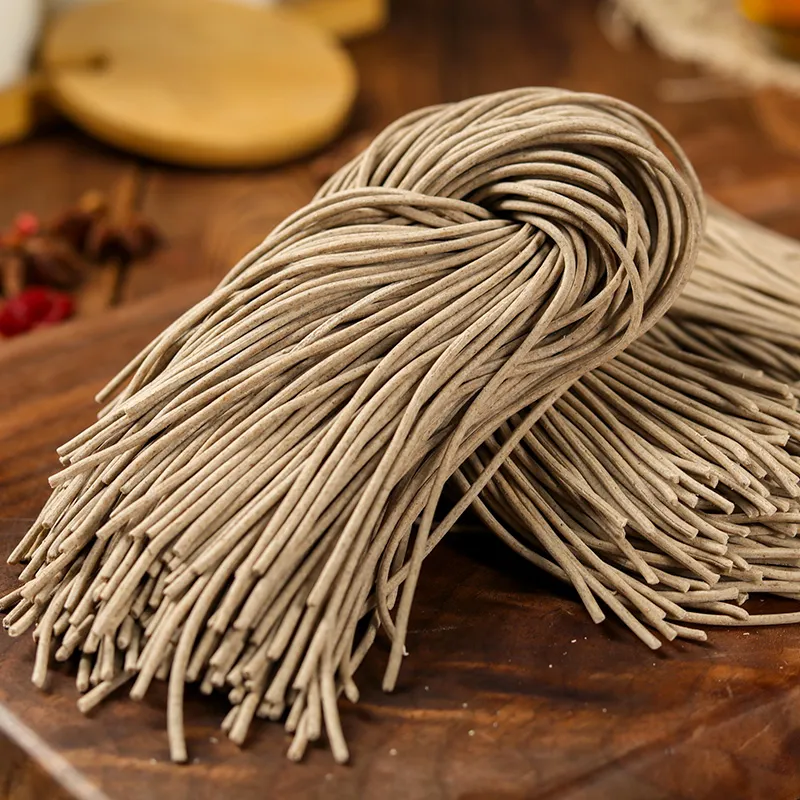
Three signals keep popping up: heritage grains, clean-label ingredient decks (two to three ingredients, tops), and time-saving formats for foodservice. Semi-dry organic soba noodles hit the sweet spot—fresher bite than shelf-stable, much longer life than fresh. Many buyers also ask about low-temp drying curves and water activity; that used to be niche, now it’s Tuesday.
Process and controls (short version)
- Materials: organic buckwheat flour (stone- or roller-milled), optional organic wheat flour for structure, filtered water, a pinch of salt. No additives—buyers check this line.
- Method: vacuum mixing → sheet lamination → multi-pass roll → cut → low-temp air dry (≈25–35°C, staged) to semi-dry → metal detection → pack.
- QC and testing: moisture and aw checks, sieve analysis for particle size, texture via 3-point bend, microbiology (TPC, coliforms, pathogens), heavy metals panel, pesticide residues aligned with organic rules.
- Storage/service life: 0–10°C, refrigerated; real-world shelf life ≈4 months if cold chain holds.
- Industries using it: fast-casual noodle bars, meal kits, airline catering, and private-label retail.
Product specs (typical lot targets)
| Name | Organic Soba Noodles |
| Pack Size | 250 g × 4 packs |
| Origin | Oriental Food City, Longyao County, Xingtai, Hebei |
| Storage | 0–10°C, refrigerated; warranty ≈4 months |
| Moisture / aw | ≈28–32% / aw ≤0.92 |
| Buckwheat ratio | Customizable; common spec ≈70% ±10% (real-world may vary) |
| Micro limits | TPC ≤1×10⁴ CFU/g; coliforms ≤10 CFU/g; Salmonella/Listeria: absent/25 g |
| Heavy metals | Pb ≤0.5 mg/kg; As ≤0.2 mg/kg (typical internal specs) |
| Certifications | Organic program compliance (USDA/EU/JAS) and ISO 22000/HACCP—verify per lot COI/COA |
Cooking behavior: 90–150 seconds in boiling water for cold zaru; 120–180 seconds when finishing in broth. Texture is surprisingly resilient—many customers say it “snaps” without going chalky. Quick note: soba may include wheat; if you need strict gluten controls, ask for dedicated lines and allergen validation.
Use cases
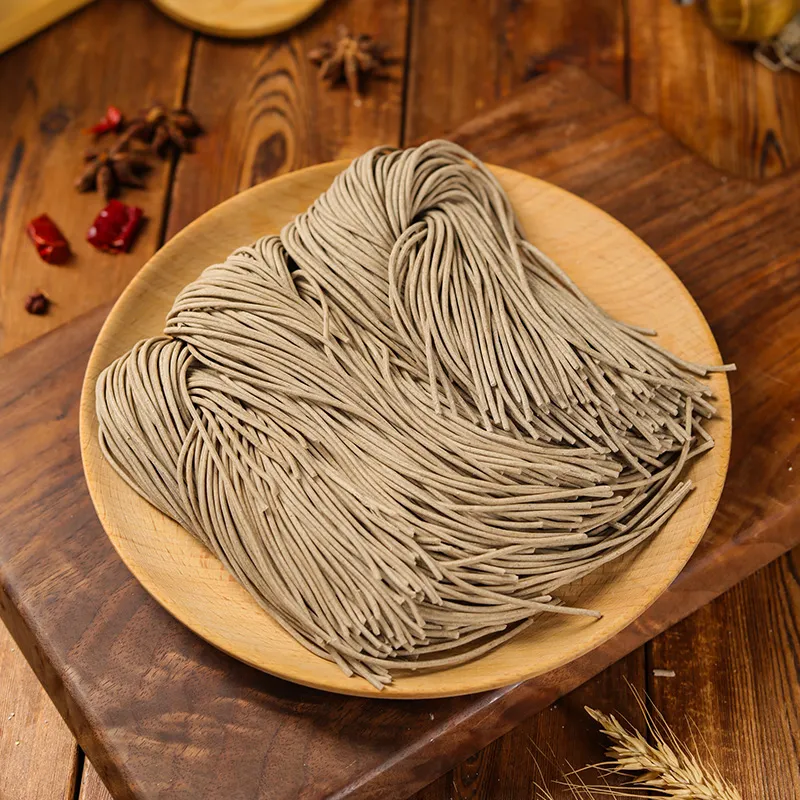
- Foodservice: high-turn lunch bowls, chilled salads, seasonal specials.
- CPG/private label: family four-pack format fits value channels.
- Meal kits: semi-dry stability reduces waste versus fresh.
Vendor snapshot (informational, approximate)
| Vendor | Origin | Format | Buckwheat | Certs | MOQ | Lead time |
|---|---|---|---|---|---|---|
| Hebei Producer (this product) | Hebei, CN | Semi-dry, chilled | ≈70–90% | USDA/EU/JAS (on request) | ≈1 pallet | ≈15–25 days |
| Nagano Artisan Co. | Nagano, JP | Dry | ≈80% | JAS Organic | ≈5 cases | ≈30–45 days |
| Pacific Natural Foods Inc. | US West Coast | Fresh/Frozen | ≈60% | USDA Organic | ≈200 kg | ≈10–14 days |
Customization
You can spec strand thickness (1.2–1.8 mm), length (18–24 cm), buckwheat/wheat ratio, salinity, and even private-label sleeves. For strict allergen programs, ask for validated allergen cleaning and dedicated-day production.
Field results
Case—fast-casual chain: switched to semi-dry organic soba noodles and cut ticket time by ~40 seconds per bowl; waste dropped 8% because overcooked batches virtually disappeared.
Case—D2C meal kit: moved to 250 g portions, EU/US dual-certified, and improved cold-chain survivability during summer by keeping aw under 0.92. Customer feedback: “springy texture even next day.”
Standards and paperwork buyers actually check
- Organic certification scope (USDA NOP/EU 2018/848/JAS) and current-year transaction certificates.
- Food safety: ISO 22000 or FSSC 22000; HACCP plan per Codex.
- COA with moisture/aw, micro panel, heavy metals, and pesticide screen aligned to organic MRLs.
If you want to go deep, ask for the drying curve and gelatinization profile. It sounds fussy, I know, but it predicts how your chefs will perceive “bite” across service windows.
Citations
- USDA National Organic Program (NOP): https://www.ams.usda.gov/rules-regulations/organic
- EU Organic Regulation (EU) 2018/848: https://eur-lex.europa.eu/eli/reg/2018/848/oj
- JAS Organic (MAFF, Japan): https://www.maff.go.jp/e/policies/standard/specific/organic_JAS.html
- Codex HACCP, CAC/RCP 1-1969: https://www.fao.org/fao-who-codexalimentarius/codex-texts/codes-of-practice/en/
- Buckwheat overview (NCBI/NIH): https://www.ncbi.nlm.nih.gov/pmc/articles/PMC7551603/
-
Discover the Authentic Taste of Korean Buckwheat NoodlesNewsApr.16,2026
-
Discover the Refreshing Taste of Authentic Korean Cold SobaNewsApr.09,2026
-
Discover the Refreshing Taste of Korean Cold Buckwheat Noodles NaengmyeonNewsApr.07,2026
-
Discover the Cool and Refreshing World of Korean Buckwheat Noodles ColdNewsApr.04,2026
-
Discover the Refreshing Taste of Japanese Cold Buckwheat Noodles and Zaru SobaNewsMar.31,2026
-
Exploring the Delicious World of Chinese Style Cold NoodlesNewsMar.28,2026
-
Discover the Cool and Refreshing World of Korean Cold Soba NoodlesNewsMar.26,2026
Browse qua the following product new the we