
Diabetic Friendly Noodles: Healthier Nutrition for a Global Challenge
Why Diabetic Friendly Noodles Matter More Than Ever
It might sound niche, but diabetic friendly noodles are gaining massive attention globally—not just as a food innovation, but as a critical element for better health and nutrition management worldwide. With diabetes affecting roughly 537 million adults worldwide according to the International Diabetes Federation, food products that cater specifically to this group are not just luxury items but necessary staples for many.
Understanding diabetic friendly noodles' role unlocks benefits across public health, food tech innovation, and the global food supply chain. Whether you’re a health-conscious consumer, a food manufacturer, or an NGO involved in nutrition programs, grasping this category's evolution can make a real difference to diet quality and well-being.
Introduction: The Global Context Behind Diabetic Friendly Noodles
In the fast-paced, often doughy world of noodles, innovation rarely stops—especially when it comes to health challenges like diabetes. The World Health Organization (WHO) estimates diabetes as a top 10 cause of death globally, with type 2 diabetes driven by poor nutrition and sedentary lifestyles becoming alarmingly common in low- and middle-income countries.
That’s where diabetic friendly noodles come into the picture: low glycemic index (GI), high fiber, and made with alternative flours or enhanced with nutrients. These noodles are not just a healthier “swap” but an essential strategy to curb the rising tide of diet-related illnesses.
However, creating noodles that balance taste, affordability, and health is tricky—cost, texture, and shelf life usually get in the way. Manufacturers and innovators are racing to design solutions that work globally, from urban markets in Europe to rural Asia.
What Exactly Are Diabetic Friendly Noodles?
Simply put, diabetic friendly noodles are noodles designed to minimize blood sugar spikes and support better long-term glucose control. Often, these noodles have a low glycemic index and include ingredients like wholegrain flours, resistant starches, or added fibers such as psyllium husk or inulin.
But it’s not just about ingredients. Production processes and portion control also matter greatly. The food industry sees these noodles as part of a broader health-driven product category responding to modern diets’ gaps and the need for accessible diabetic care options worldwide. As countries shift towards more preventive health approaches, this niche segment is growing fast.
Core Components Defining Diabetic Friendly Noodles
1. Low Glycemic Index (GI)
These noodles cause slower glucose absorption post-consumption. Achieving low GI often involves using complex carbs and modifying starches gently so the impact on blood sugar remains minimal.
2. High Dietary Fiber Content
Fiber slows digestion, improves satiety, and benefits gut health—key for diabetic patients. Fibers like beta-glucan or resistant starch often feature prominently.
3. Alternative Flours and Ingredients
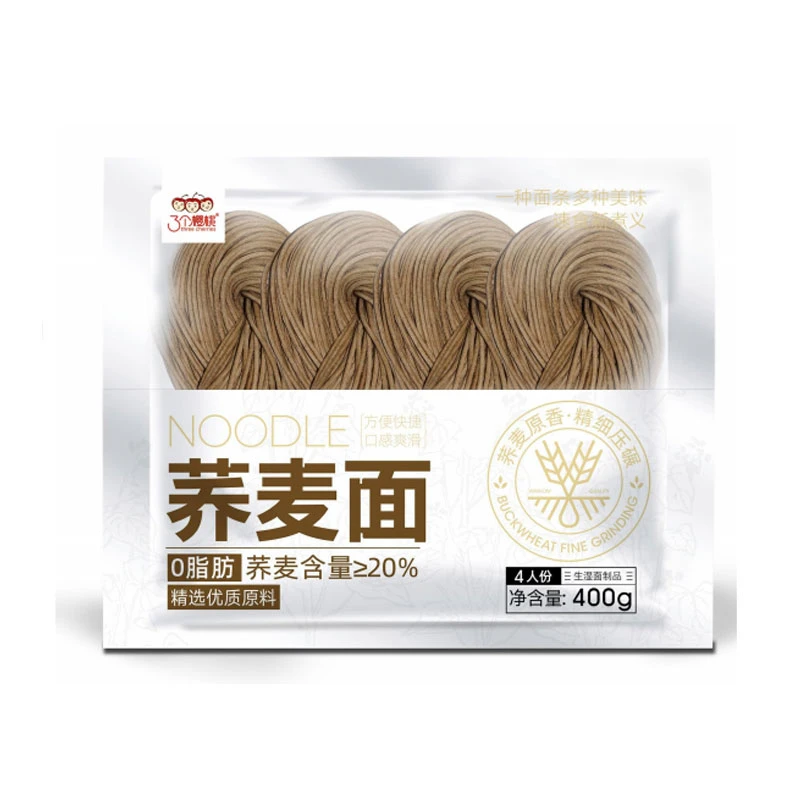
Typical wheat or rice flours are sometimes replaced or blended with chickpea, buckwheat, konjac, or whole oats—all selected for their positive metabolic effect.
4. Taste and Texture Optimization
Despite the health thrust, taste shouldn’t suffer. Manufacturers work hard on texture and flavor to compete with classic noodle varieties—because let’s be honest, if it tastes too “healthy,” people won’t buy it.
5. Portion Control and Packaging
Smaller or pre-measured noodle packs help consumers manage carb intake—technology increasingly supports this, sometimes using smart labels or recommended cooking instructions.
Mini Takeaway:
Diabetic friendly noodles combine smart ingredient choices with clever processing and consumer convenience. These aspects together shape how practical and scalable the product can be — not just a fad, but a steady part of diabetic diets worldwide.
Where in the World Are Diabetic Friendly Noodles Making an Impact?
Take Southeast Asia, for example—countries like Thailand and Vietnam have endemic high-carb diets but rising diabetic rates. Here, introducing diabetic friendly noodles into everyday markets and even relief programs is helping local populations without forcing drastic dietary overhauls.
In Western Europe, premium product lines target health food stores and diabetic-specific nutrition programs, blending technology and traditional pasta craftmanship.
Non-governmental organizations working in disaster-stricken regions have also begun including diabetic friendly noodles in relief packages, balancing energy needs with health safety, especially among vulnerable populations.
Examples of Use Cases
- School meal programs in countries with rising childhood diabetes cases
- Corporate wellness initiatives promoting balanced lunches
- In-home nutritional therapy for diabetic patients in urban hospitals
- Emergency nutritional strategies in regions affected by food insecurity, e.g., sub-Saharan Africa
Advantages & Long-Term Value of Diabetic Friendly Noodles
From a practical viewpoint, diabetic friendly noodles offer cost-effective dietary management. They often last longer thanks to alternative starches improving shelf stability, and their production tends to have a lighter environmental footprint—especially when locally sourced pulses replace industrial grains.
Emotionally, they help restore dignity and choice for diabetics tired of restrictive diets. Instead of “giving up noodles,” one can enjoy similar meals without the guilt or blood sugar roller coaster.
And innovation is key—bringing trust to markets that diabetics can rely on these products for safe consumption. The science-backed benefits give both healthcare providers and consumers peace of mind.
| Specification | Details |
|---|---|
| Ingredients | Chickpea flour, konjac fiber, resistant starch |
| Glycemic Index | |
| Dietary Fiber (%) | 8–10% |
| Shelf Life | 12 months (dry storage) |
| Packaging | 100g single-serve pouches |
Comparing Vendors in the Diabetic Friendly Noodle Market
| Vendor | Region | Specialization | Price Range | Unique Feature |
|---|---|---|---|---|
| HealthyGrain, Inc. | USA | Legume-based low GI noodles | $$ | Organic certification |
| AsiaFiber Foods | Thailand | Konjac fiber infused noodles | $ | Affordable for emerging markets |
| EuroHealth Pasta | Germany | Gluten-free and diabetic friendly blends | $$$ | High-end gourmet branding |
Looking Forward: The Future of Diabetic Friendly Noodles
The next few years will probably see more integration of digital nutrition technologies, such as smart packaging that tracks fresh dates or suggests portion sizes based on blood sugar readers— yes, science fiction just arrived in noodles! The sustainability angle is also strong: renewable energy used in processing, and ingredients sourced from regenerative ag methods will become standard.
Instant noodle options with diabetic friendly claims will likely grow too, catering to fast-paced lifestyles with health-conscious consumers. Finally, functional ingredients that aid metabolism and provide antioxidants might become the norm, blurring lines between convenience and advanced nutrition.
Challenges & Solutions on the Road Ahead
Despite all the advances, issues remain. The biggest? Cost and acceptance—many people equate “healthy” with “bland” or “expensive.” Producing diabetic friendly noodles at scale while retaining taste and affordability is tricky.
Innovation firms are exploring fermentation techniques, partial extrusion processes, and partnerships with local farmers to reduce costs and improve flavors. Education campaigns work hand-in-hand, helping consumers understand the health gains to motivate purchase and acceptance.
FAQ: Common Questions About Diabetic Friendly Noodles
- What ingredients make noodles diabetic friendly?
Generally, low-GI flours such as chickpea, buckwheat, and fibers like konjac or resistant starch help lower the blood sugar response after eating. - Can diabetic friendly noodles replace regular pasta completely?
For many, yes — but it depends on individual health needs and preferences. They’re designed to be suitable substitutes with fewer glucose spikes. - Are these noodles widely available?
Availability ranges by region. Urban markets and health specialty stores usually stock them, and online outlets are catching on fast. - Do they taste different?
Sometimes. Manufacturers work hard to improve flavor, but expect subtle differences due to alternative ingredients. - How should I store diabetic friendly noodles?
Like regular dry noodles: cool, dry place away from moisture. Typically shelf stable for 12 months.
Wrapping Up: Why Diabetic Friendly Noodles Are a Smart Choice
The rising diabetes epidemic demands smarter nutritional options—and diabetic friendly noodles answer a real global need. They offer a healthy, tasty, and accessible way for millions to manage blood sugar without sacrificing comfort foods.
If you’re interested in exploring these innovative food solutions further, definitely check out our website where quality and care meet tradition and innovation in every strand of noodle.
Mini Takeaway:
These noodles are more than just food — they’re a lifestyle choice that embodies health, dignity, and future-facing innovation. Oddly enough, who’d have thought noodles could carry such weight?
References
-
Discover the Authentic Taste of Korean Buckwheat NoodlesNewsApr.16,2026
-
Discover the Refreshing Taste of Authentic Korean Cold SobaNewsApr.09,2026
-
Discover the Refreshing Taste of Korean Cold Buckwheat Noodles NaengmyeonNewsApr.07,2026
-
Discover the Cool and Refreshing World of Korean Buckwheat Noodles ColdNewsApr.04,2026
-
Discover the Refreshing Taste of Japanese Cold Buckwheat Noodles and Zaru SobaNewsMar.31,2026
-
Exploring the Delicious World of Chinese Style Cold NoodlesNewsMar.28,2026
-
Discover the Cool and Refreshing World of Korean Cold Soba NoodlesNewsMar.26,2026
Browse qua the following product new the we