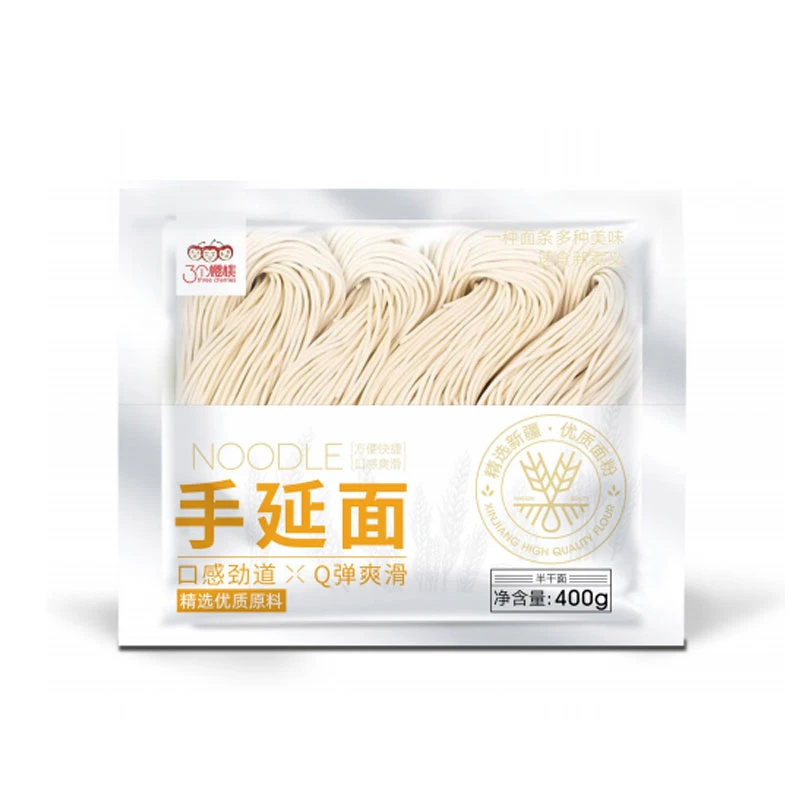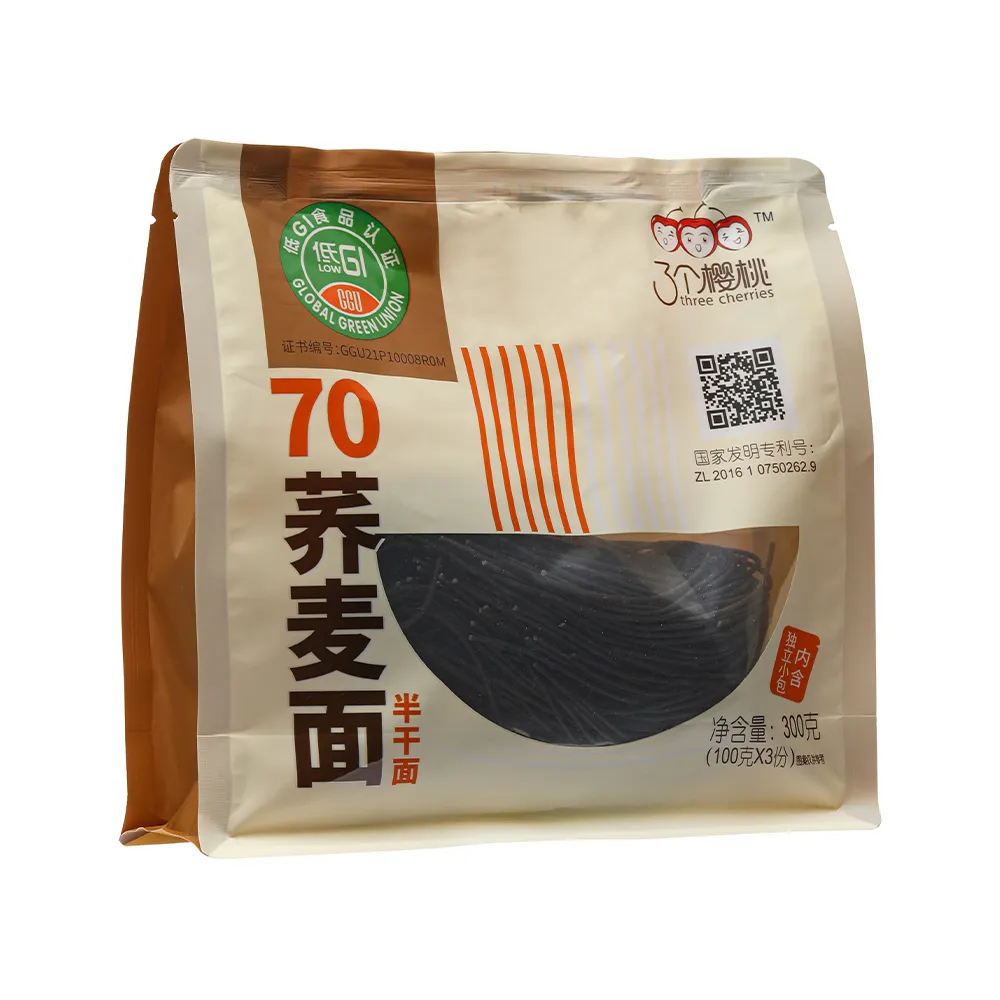

Low GI70 Soba Noodles: Healthy, Delicious, Blood Sugar Friendly
The Strategic Imperative of Low Glycemic Index Foods in Modern B2B Markets
The global food industry is undergoing a significant transformation, driven by escalating consumer demand for healthier, functional food options. Central to this shift is the rising awareness of the glycemic index (GI) and its profound impact on metabolic health. For B2B partners in the food service, retail, and healthcare sectors, integrating low-GI products is no longer a niche offering but a strategic necessity. This landscape presents an unparalleled opportunity for innovative products like Low GI70 soba, engineered to meet stringent nutritional demands without compromising culinary appeal.
Industry trends clearly indicate a surge in demand for foods that support blood sugar management, weight control, and sustained energy levels. According to a recent report by Grand View Research, the global functional food market size was valued at USD 247.9 billion in 2020 and is projected to expand at a compound annual growth rate (CAGR) of 8.0% from 2021 to 2028. Within this expansive market, the segment for low-GI and diabetic-friendly foods is experiencing accelerated growth, driven by an aging population and increasing prevalence of lifestyle-related health conditions.
Our Low GI70 soba represents a significant advancement in this category. By adhering to a glycemic index of 70 or below, it provides a slow and steady release of glucose into the bloodstream, a critical benefit for consumers managing blood sugar levels, athletes seeking sustained energy, and individuals pursuing healthier dietary patterns. This product is not merely a dietary alternative; it is a premium, versatile ingredient designed to enhance menus, expand product lines, and capture a growing segment of the health-conscious market.
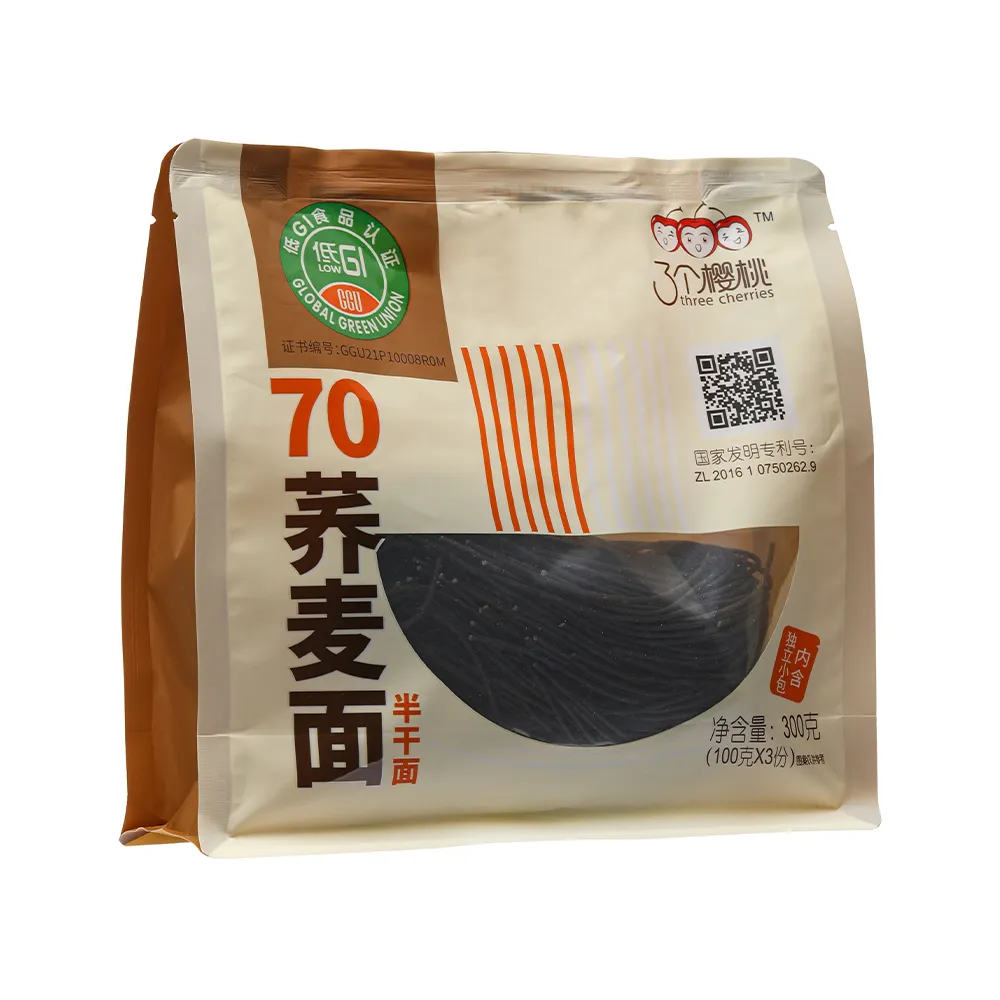
The strategic adoption of products like this allows businesses to differentiate themselves in a competitive market, cater to evolving consumer preferences, and align with global health initiatives. It's about providing scientifically-backed nutritional benefits without compromising on taste or texture, ensuring customer satisfaction and repeat business.
Technical Specifications and Nutritional Profile of Low GI70 Soba
The development of low-GI soba is rooted in precise material science and advanced food processing techniques. Unlike conventional soba, which can have a higher GI depending on its buckwheat-to-wheat ratio and processing methods, our product is meticulously formulated to achieve a controlled glycemic response. This involves a careful selection of raw materials and optimized manufacturing parameters.
Key Ingredients and Formulation:
- High-Quality Buckwheat Flour: The primary ingredient, selected for its naturally lower glycemic properties, rich fiber content, and distinctive flavor. Buckwheat is a pseudo-cereal known for its complete protein profile and abundance of rutin, a powerful antioxidant.
- Resistant Starch Blend: Strategically incorporated to further reduce the rate of carbohydrate digestion and absorption. These are types of starch that are not fully digested in the small intestine but ferment in the large intestine, behaving similarly to soluble fiber, promoting gut health and contributing to the low GI value.
- Minimal Wheat Flour (Optional/Controlled): Used in specific proportions to optimize texture and elasticity without significantly impacting the GI. For gluten-free variants, alternative flours are employed.
- Purified Water: Essential for dough consistency and optimal noodle formation.
Nutritional and Technical Specifications:
The following table outlines the typical nutritional and technical parameters for our product, based on extensive laboratory testing and adherence to international food safety standards (e.g., ISO 22000, HACCP).
| Parameter | Value | Unit |
|---|---|---|
| Glycemic Index (GI) | ≤ 70 | Rating |
| Energy | 340-360 | kcal |
| Protein | 12-14 | g |
| Total Carbohydrates | 68-72 | g |
| Of which Sugars | < 2 | g |
| Dietary Fiber | 5-7 | g |
| Total Fat | 2-3 | g |
| Sodium | 10-20 | mg |
| Shelf Life (unopened) | 18-24 | months |
| Cooking Time | 4-6 | minutes |
This meticulously controlled composition ensures that our low-GI soba delivers consistent nutritional value and meets the specific health objectives of diverse B2B applications.
The Advanced Manufacturing Process of Low GI70 Soba
The production of our specialized soba is a sophisticated process that integrates traditional noodle-making artistry with modern food science and stringent quality control protocols. Our manufacturing facilities are equipped with state-of-the-art machinery and adhere to global best practices, ensuring product consistency, safety, and optimal nutritional integrity.
Process Flow Overview:
1. Raw Material Sourcing & Inspection
Careful selection of premium buckwheat flour, specialized resistant starches, and other ingredients. Rigorous inbound inspection for purity, moisture content, and adherence to specifications. Supplier certification and traceability are paramount.
2. Precision Mixing & Kneading
Ingredients are combined with purified water in precise ratios using advanced mixing equipment. The kneading process is carefully controlled for duration and intensity to develop optimal dough elasticity and hydration, critical for subsequent extrusion and texture.
3. Extrusion & Shaping
The dough is fed into specialized extrusion machinery, where it is pressed through dies to form uniform soba strands of desired thickness and length. This stage is crucial for ensuring consistent texture and cooking properties.
4. Steaming & Cooling
Freshly extruded noodles are briefly steamed to set their structure and partially gelatinize the starch. This is immediately followed by rapid cooling to prevent overcooking and maintain texture integrity, a key step for semi-dry noodles.
5. Controlled Drying (GI Optimization)
The noodles undergo a carefully monitored drying process using specialized dryers. Temperature, humidity, and airflow are precisely controlled to achieve the desired moisture content while promoting the formation of resistant starch, which is vital for maintaining the low GI characteristic of the final product.
6. Quality Control & Testing
Throughout the process and on the finished product, various tests are conducted: moisture analysis, sensory evaluation (texture, taste), cooking performance, and critically, glycemic index testing. Our QC strictly adheres to standards like ISO 22000 and HACCP principles to ensure safety and consistent GI values.
7. Packaging
The finished low-GI soba is carefully packaged in appropriate materials to preserve freshness, extend shelf life, and protect against environmental factors. Packaging options are customizable to meet specific B2B client requirements, including bulk, retail-ready, and private label formats.
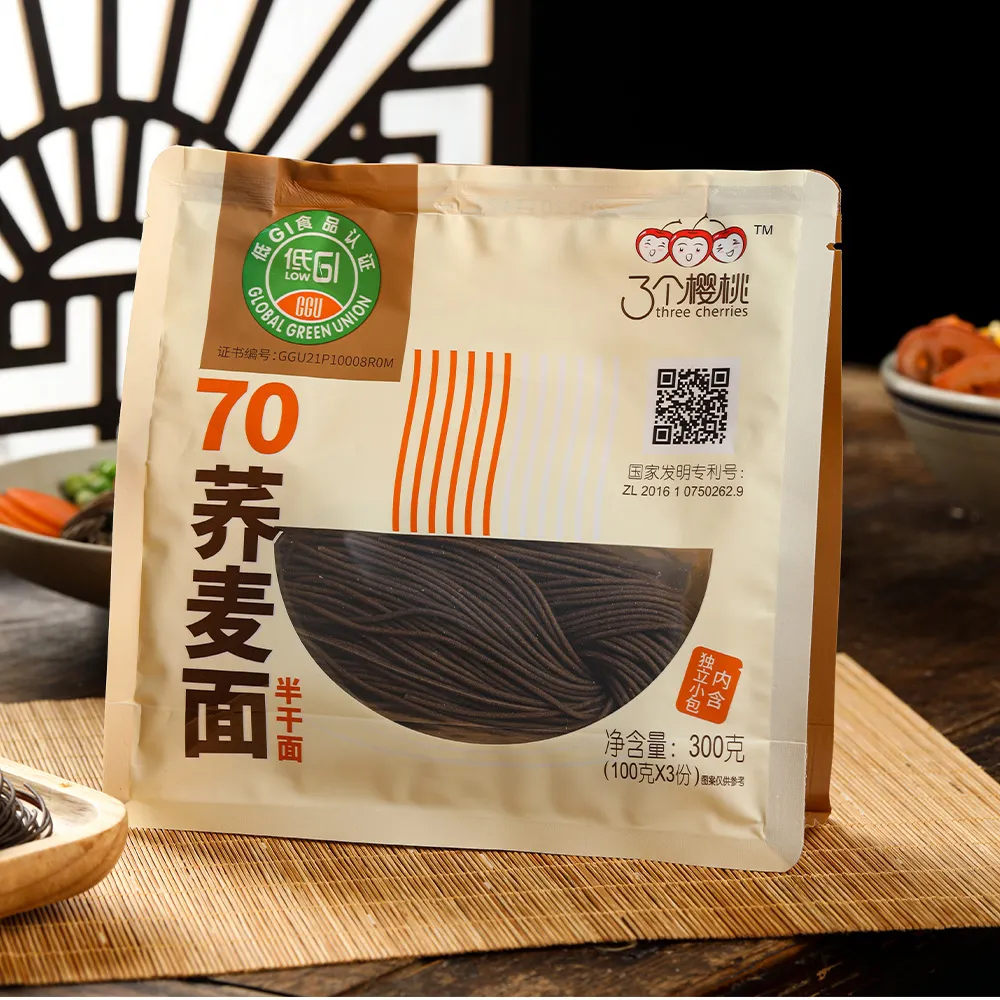
This integrated and highly controlled manufacturing paradigm ensures that every batch of our specialized soba consistently meets the declared GI rating and superior quality standards expected by our discerning B2B partners.
Technical Advantages and Diverse Application Scenarios of Low GI70 Soba
The inherent properties of our low-GI soba confer a range of technical advantages that translate directly into market opportunities and enhanced consumer well-being. These benefits extend beyond simple nutritional claims, offering tangible value for B2B partners across various sectors.
Key Technical Advantages:
- Stable Blood Glucose Regulation: The primary advantage, crucial for diabetic management and general metabolic health. The controlled digestion prevents sharp spikes and subsequent crashes, supporting sustained energy levels and reduced cravings.
- High Fiber Content: Contributes to digestive health, satiety, and further aids in blood sugar modulation. Resistant starch functions as a prebiotic, promoting a healthy gut microbiome.
- Rich in Essential Nutrients: Buckwheat is naturally rich in essential amino acids, magnesium, manganese, phosphorus, niacin, zinc, and selenium, enhancing the overall nutritional profile compared to refined grain noodles.
- Superior Textural Integrity: Engineered for optimal al dente texture even after cooking, resisting sogginess. This is a critical factor for food service applications where consistency is key.
- Versatile Culinary Profile: The mild, nutty flavor of buckwheat pairs well with a vast array of ingredients and cuisines, making it highly adaptable for diverse menu offerings.
- Extended Shelf Life: Our semi-dry processing and packaging ensure a long shelf life without compromising quality or requiring refrigeration until opened, offering logistical and inventory advantages.
Application Scenarios Across Target Industries:
The strategic value of this advanced soba is evident in its wide array of application possibilities, catering to specific industry needs:
- Food Service & Hospitality:
- Gourmet Restaurants & Cafes: Elevate health-conscious menu items, offering premium, nutritionally superior noodle dishes.
- Institutional Catering (Hospitals, Universities, Corporate Cafeterias): Provide wholesome, controlled-carbohydrate meal options for diverse dietary needs, including diabetic-friendly meals and general wellness programs.
- Meal Prep Services: Ideal for creating healthy, pre-portioned meals that retain quality upon reheating.
- Retail & Health Food Stores:
- Specialty Grocery Stores: Attract discerning customers seeking high-quality, functional foods.
- Private Label Brands: Offer a unique, branded low-GI noodle product to tap into the growing health food market.
- E-commerce Health Platforms: A natural fit for online retailers specializing in dietary, organic, and functional food products.
- Nutraceutical & Wellness Sectors:
- Dietary Supplement Manufacturers: Can be integrated into specific meal plans or product kits focused on metabolic health or weight management.
- Sports Nutrition Brands: Offers sustained energy for athletes without rapid sugar spikes, supporting endurance and recovery.
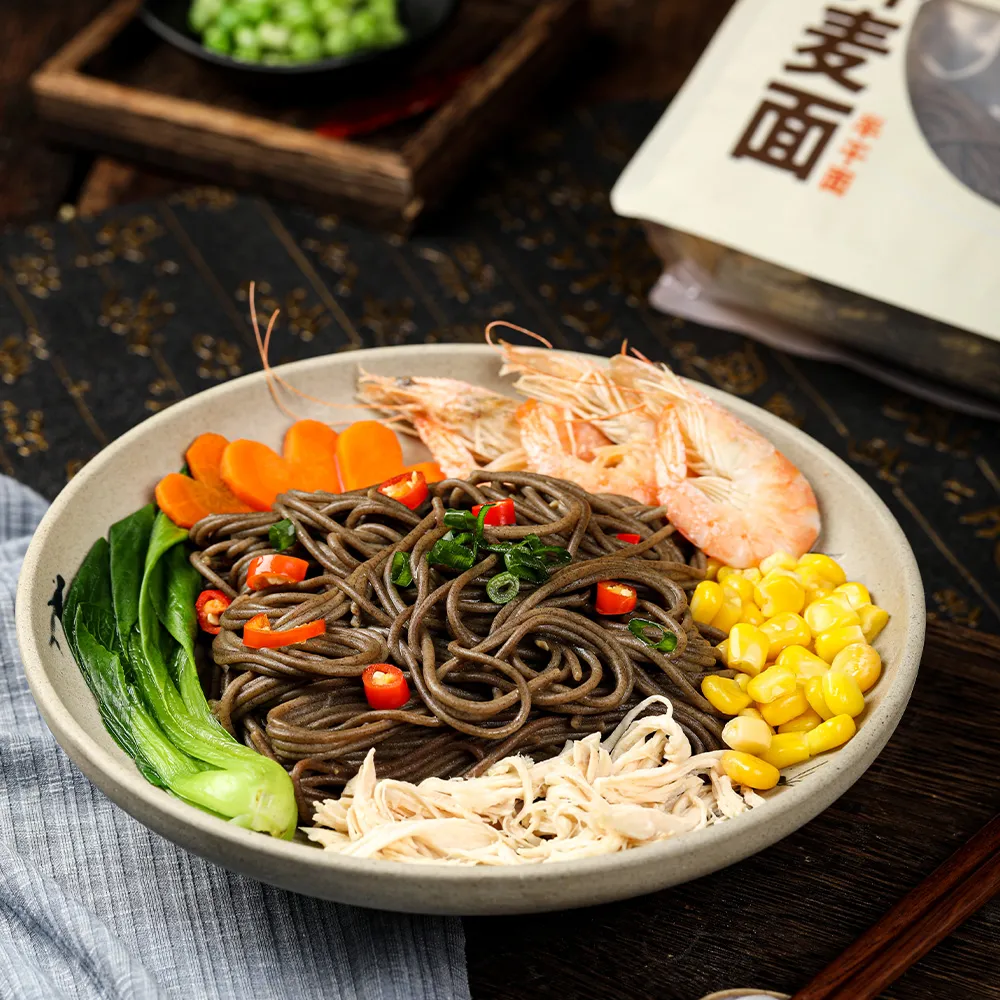
The strategic adoption of this low-GI soba allows businesses to not only meet the current market demands but also to proactively position themselves at the forefront of the healthy food revolution, offering products that genuinely contribute to consumer well-being and satisfaction.
Vendor Comparison: Differentiating Your Low GI70 Soba Supply
Selecting the right B2B partner for functional food products is a critical decision that impacts product quality, market positioning, and supply chain reliability. While several manufacturers may offer "low GI" or buckwheat noodles, significant differences exist in their product formulation, certification, production capabilities, and service offerings.
Key Differentiators in Low GI Soba Sourcing:
- Actual GI Certification and Testing: Verify if the claimed GI value is backed by independent, accredited laboratory testing, not just internal estimates. Our product undergoes rigorous third-party analysis.
- Ingredient Quality & Sourcing Transparency: Understand the origin and quality of buckwheat, resistant starches, and other components. Ethical sourcing and non-GMO verification are increasingly important.
- Manufacturing Expertise & Technology: Assess the manufacturer's experience in functional food production, particularly in controlling factors that influence GI, such as extrusion and drying processes.
- Quality Control & Food Safety Standards: Look for comprehensive certifications like ISO 22000, HACCP, BRCGS, or FSSC 22000.
- Customization & R&D Capabilities: Can the vendor tailor products to your specific needs (e.g., flour blends, nutritional additives, packaging)?
- Scalability & Lead Times: Ensure the supplier can meet your production volume requirements consistently and maintain reasonable lead times.
- Logistics & Supply Chain Reliability: Evaluate their ability to deliver products efficiently and securely, domestically and internationally.
Comparative Analysis Table (Illustrative Example):
| Feature | Our Low GI70 Soba | Competitor A (Generic) | Competitor B (Specialty) |
|---|---|---|---|
| Certified GI Value | ≤ 70 (Third-Party Verified) | Stated Low GI (Internal Tests) | ≤ 65 (Third-Party Verified, higher cost) |
| Primary Buckwheat Source | Premium, Traceable, Non-GMO | Standard Buckwheat | Organic Buckwheat |
| Resistant Starch Type | Optimized Proprietary Blend | Basic Type 2 RS | High-amylose corn starch |
| Food Safety Certs | ISO 22000, HACCP, FDA Reg. | HACCP | BRCGS, Organic Cert. |
| Customization Options | Extensive (Blend, thickness, packaging) | Limited (Packaging only) | Moderate (Blend, minimal thickness) |
| Minimum Order Qty (MOQ) | Flexible for B2B Partners | Higher | Lower (but higher unit price) |
| Lead Time (Typical) | 2-4 weeks (Excl. Shipping) | 4-6 weeks | 3-5 weeks |
This comparison highlights the importance of evaluating suppliers not just on price, but on the depth of their technical expertise, commitment to quality, and capability to serve specific B2B needs.
Customized Solutions and Collaborative Product Development
Recognizing the diverse and evolving needs of our B2B partners, we offer comprehensive customized solutions for our low-GI soba. Our approach extends beyond simply supplying a product; we engage in collaborative research and development to create tailored offerings that perfectly align with your brand vision, market positioning, and consumer demands.
Areas of Customization:
- Ingredient Blends:
- Flour Composition: Adjusting the ratio of buckwheat to other low-GI flours (e.g., chickpea, brown rice) to meet specific nutritional targets or textural preferences, including 100% gluten-free options.
- Enhanced Functional Ingredients: Incorporation of additional fibers, specific vitamins, minerals, or plant-based proteins to create fortified products.
- Noodle Formats & Dimensions:
- Thickness & Shape: Custom dies for thinner soba, wider noodles (udon-style GI-optimized), or specialty shapes for unique culinary presentations.
- Length: Pre-cut lengths optimized for specific packaging or serving sizes in food service.
- Packaging Solutions:
- Private Labeling: Comprehensive private label services, including custom branding, packaging design, and co-packing.
- Material Selection: Options for sustainable, eco-friendly, or bulk packaging, designed for efficiency and waste reduction.
- Portion Control: Individual serving packs for convenience, retail, or meal kit applications.
- Specific Certifications:
- Organic Certification: Production under certified organic standards.
- Halal/Kosher: Compliance with specific religious dietary requirements.
- Allergen-Free: Dedicated production lines or strict protocols to ensure absence of common allergens.
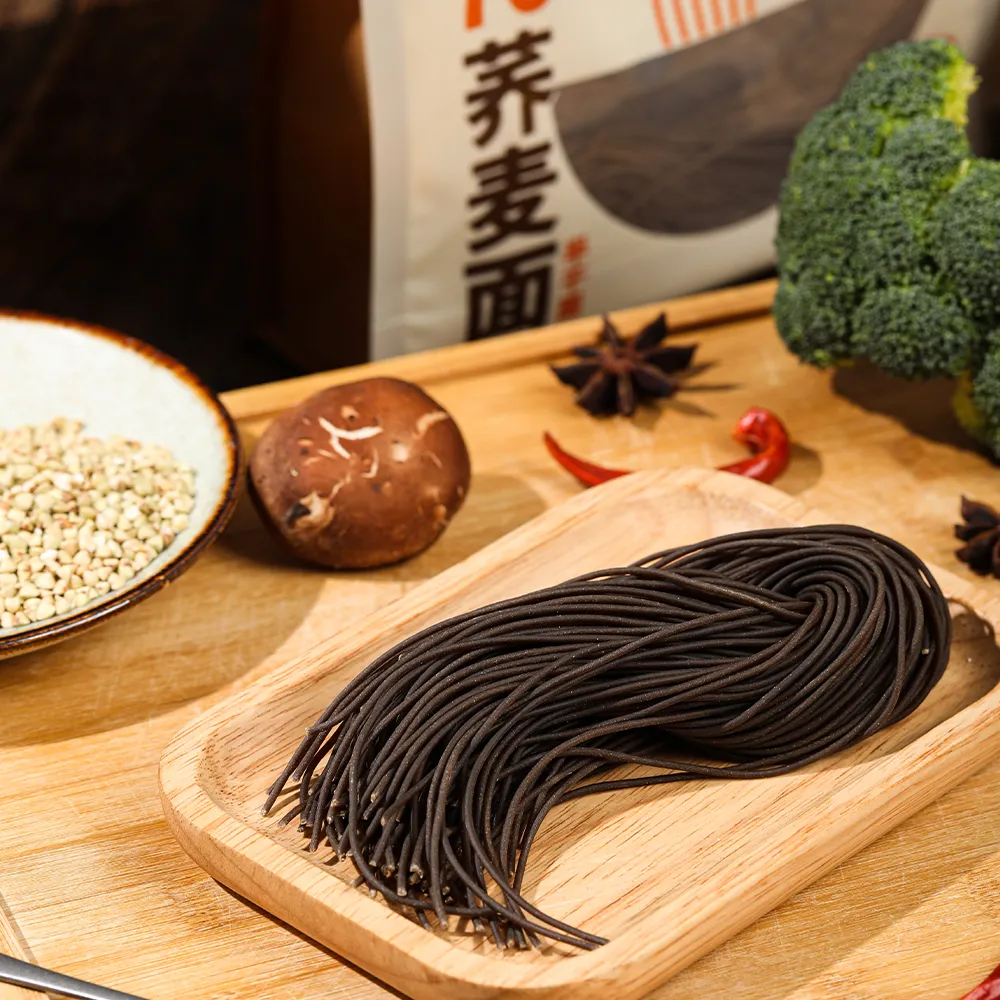
Our dedicated R&D team works closely with clients from conceptualization to market launch, ensuring that customized low-GI soba products not only meet technical specifications but also resonate strongly with target consumer demographics. This collaborative approach minimizes time-to-market and optimizes product success.
Application Case Studies: Demonstrating Impact with Low GI Soba
The real-world success of Low GI70 soba is best illustrated through its application in diverse B2B contexts. These case studies highlight how our partners have leveraged the unique properties of our product to achieve significant market advantages and consumer satisfaction.
Case Study 1: Upscale Health-Oriented Restaurant Chain
Client Profile: "Verde Eatery," a rapidly expanding chain of health-conscious restaurants focusing on nutritious, modern cuisine with several locations in major metropolitan areas.
Challenge: Verde Eatery sought to enhance its menu with a noodle option that was both premium and demonstrably healthy, specifically targeting diners concerned with blood sugar management and seeking high-fiber, plant-based options. Traditional soba often varied in GI, and pasta options were typically high GI.
Solution: We partnered with Verde Eatery to integrate our low-GI soba into several new signature dishes. Our R&D team collaborated with their culinary experts to ensure optimal texture and flavor performance within their recipes (e.g., cold noodle salads, warm broths, stir-fries). We provided specific cooking guidelines and consistent product supply.
Results: Verde Eatery experienced a 25% increase in sales for dishes featuring our low-GI soba within the first six months. Customer feedback consistently highlighted the appealing texture, delicious taste, and the added value of the certified low-GI claim. This helped Verde Eatery solidify its brand reputation as a leader in healthy gourmet dining, attracting a broader customer base and achieving a competitive edge.
Case Study 2: National Meal Kit Delivery Service
Client Profile: "NutriBox," a prominent national meal kit delivery service with a strong focus on balanced nutrition and convenient home cooking.
Challenge: NutriBox aimed to introduce a new line of "Diabetic-Friendly" and "Sustained Energy" meal kits but struggled to find a noodle component that consistently met strict low-GI requirements while also being easy to prepare and having a good shelf life suitable for their distribution model.
Solution: We provided NutriBox with our semi-dry low-GI soba in pre-portioned, sealed packaging. The product's consistent GI, long shelf life, and quick cooking time made it an ideal fit. We worked with NutriBox on packaging design to integrate their branding and clear nutritional labeling.
Results: The "Diabetic-Friendly" and "Sustained Energy" meal kits, featuring our low-GI soba, became one of NutriBox's most popular new offerings, leading to a 15% increase in subscriber retention within the target demographic. Customer reviews praised the innovative, healthy carbohydrate option that was both satisfying and easy to incorporate into their dietary regimen. This partnership expanded NutriBox's market reach and reinforced its commitment to health-focused innovation.
Trustworthiness, Support, and Guarantees ( Compliance)
Our commitment to our B2B partners extends beyond product delivery; it encompasses a comprehensive framework of expertise, experience, authoritativeness, and trustworthiness (). We ensure that every interaction and every batch of our specialized soba reflects our dedication to quality, reliability, and unparalleled customer support.
Authoritativeness & Certifications:
- ISO 22000 Certified: Our manufacturing facilities adhere to the highest international standards for food safety management systems, ensuring consistent quality and safety from raw material to finished product.
- HACCP Compliant: Implementation of Hazard Analysis and Critical Control Point (HACCP) principles across all production stages to proactively identify and mitigate food safety risks.
- FDA Registered Facility: Compliance with U.S. Food and Drug Administration (FDA) regulations for food manufacturing and import/export.
- Third-Party GI Verification: Glycemic Index values are regularly tested and verified by independent, accredited laboratories, providing objective proof of our product's low-GI claims.
- Years of Expertise: With over a decade in specialized noodle production, our team possesses deep technical knowledge in ingredient science, processing optimization, and functional food development.
Frequently Asked Questions (FAQ):
Q: What is the typical lead time for a bulk order of low-GI soba?
A: Standard lead time for bulk orders is generally 2-4 weeks after order confirmation and payment, excluding shipping transit time. For custom formulations or very large volumes, lead times may vary and will be communicated clearly during the quoting process.
Q: Do you offer samples for product evaluation?
A: Yes, we provide samples of our low-GI soba for qualified B2B partners to evaluate product quality, texture, and cooking performance. Please contact our sales team to arrange sample delivery.
Q: What is your warranty and quality guarantee?
A: We guarantee that our low-GI soba will meet all specified nutritional and quality parameters for its entire stated shelf life, provided it is stored under recommended conditions. Any product not meeting our published specifications will be eligible for replacement or credit, subject to our quality assurance review process. Shelf life is typically 18-24 months for unopened packages.
Q: What kind of customer support do you provide?
A: We offer dedicated account management, technical support from our R&D team, and responsive logistics assistance. Our team is available to answer product inquiries, provide usage recommendations, and assist with any supply chain or quality-related concerns. We are committed to fostering long-term, successful partnerships.
Conclusion: Partnering for Health and Innovation with Low GI70 Soba
The market for functional foods is expanding rapidly, driven by informed consumers who prioritize health without sacrificing taste or convenience. Our specialized soba stands at the forefront of this evolution, offering B2B partners a scientifically validated, high-quality product that addresses critical dietary needs and opens new avenues for market differentiation.
By choosing our advanced soba, you are not just acquiring a product; you are gaining a strategic partner dedicated to excellence in food science, manufacturing integrity, and comprehensive support. Leverage our expertise, our robust production capabilities, and our commitment to innovation to deliver superior, health-promoting solutions to your customers. Together, we can shape the future of healthy eating.
References:
- Grand View Research. Functional Food Market Size, Share & Trends Analysis Report By Ingredient, By Product (Dairy, Bakery & Cereals), By Application, By Region, And Segment Forecasts, 2021-2028. Available at: [https://www.grandviewresearch.com/industry-analysis/functional-food-market].
- International Organization for Standardization (ISO). ISO 22000 Food safety management systems - Requirements for any organization in the food chain. Available at: [https://www.iso.org/standard/65465.html].
- Food and Drug Administration (FDA). Food Safety and Modernization Act (FSMA). Available at: [https://www.fda.gov/food/guidance-regulation-food-and-dietary-supplements/food-safety-modernization-act-fsma].
- Brand-Miller, J. C., Wolever, T. M. S., Foster-Powell, K., & Colagiuri, S. (2007). The New Glucose Revolution: Complete Guide to Glycemic Index Values. Marlowe & Company.
- Jenkins, D. J. A., Wolever, T. M. S., Taylor, R. H., Barker, H., Fielden, H., Baldwin, J. M., ... & Goff, D. V. (1981). Glycemic index of foods: a physiological basis for carbohydrate exchange. The American Journal of Clinical Nutrition, 34(3), 362-366.
-
Discover the Authentic Taste of Korean Buckwheat NoodlesNewsApr.16,2026
-
Discover the Refreshing Taste of Authentic Korean Cold SobaNewsApr.09,2026
-
Discover the Refreshing Taste of Korean Cold Buckwheat Noodles NaengmyeonNewsApr.07,2026
-
Discover the Cool and Refreshing World of Korean Buckwheat Noodles ColdNewsApr.04,2026
-
Discover the Refreshing Taste of Japanese Cold Buckwheat Noodles and Zaru SobaNewsMar.31,2026
-
Exploring the Delicious World of Chinese Style Cold NoodlesNewsMar.28,2026
-
Discover the Cool and Refreshing World of Korean Cold Soba NoodlesNewsMar.26,2026
Browse qua the following product new the we