
Diabetes Ramen Noodles: A New Wave in Health-Conscious Dining
Why Diabetes Ramen Noodles Are Gaining Traction in Health Circles
Okay, so here’s the thing: ramen has always had this reputation as a quick, tasty, but admittedly carb-heavy comfort food. If you’ve ever worked a long shift on the floor—industrial, office, wherever—chomping down something quick and satisfying was a must. But with the rise of diabetes-friendly diets and the health-conscious revolution, the conventional ramen noodle felt... well, a bit off the table for people managing blood sugar levels.
Enter diabetes ramen noodles, a somewhat unexpected hero in the convenience food aisle. This isn’t about skimping on flavor or texture, either. Frankly, many engineers and food scientists are fascinated by how they combine traditional noodle-making techniques with modern health demands. And odd as it might sound, the industrial equipment side of noodle production benefits too: making noodles with lower glycemic indices means tweaking dough composition, drying speeds, and sometimes even the machinery itself.
Technical Overview: Crafting Diabetes Ramen Noodles
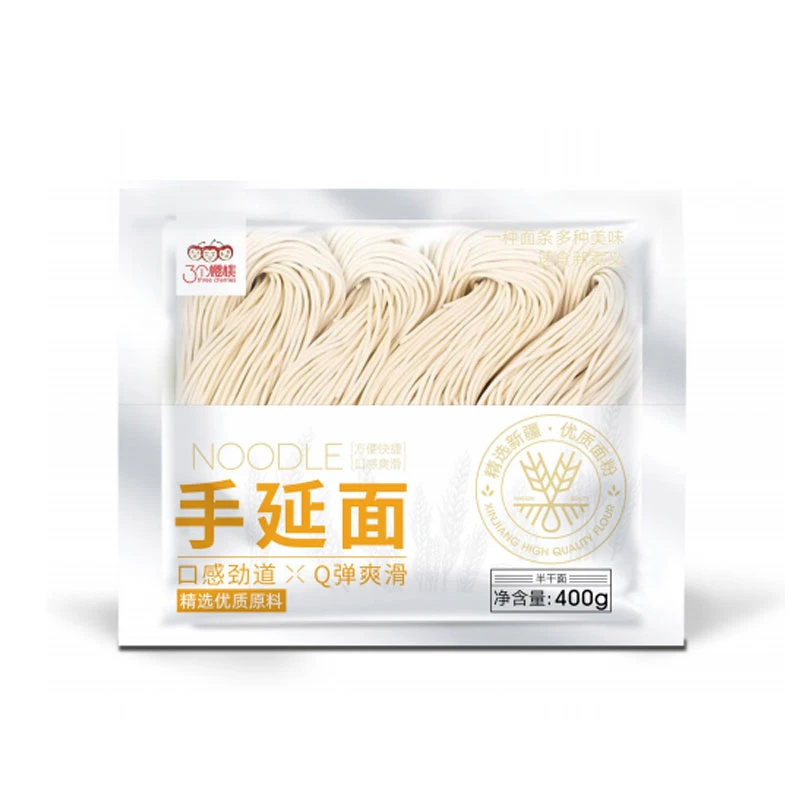
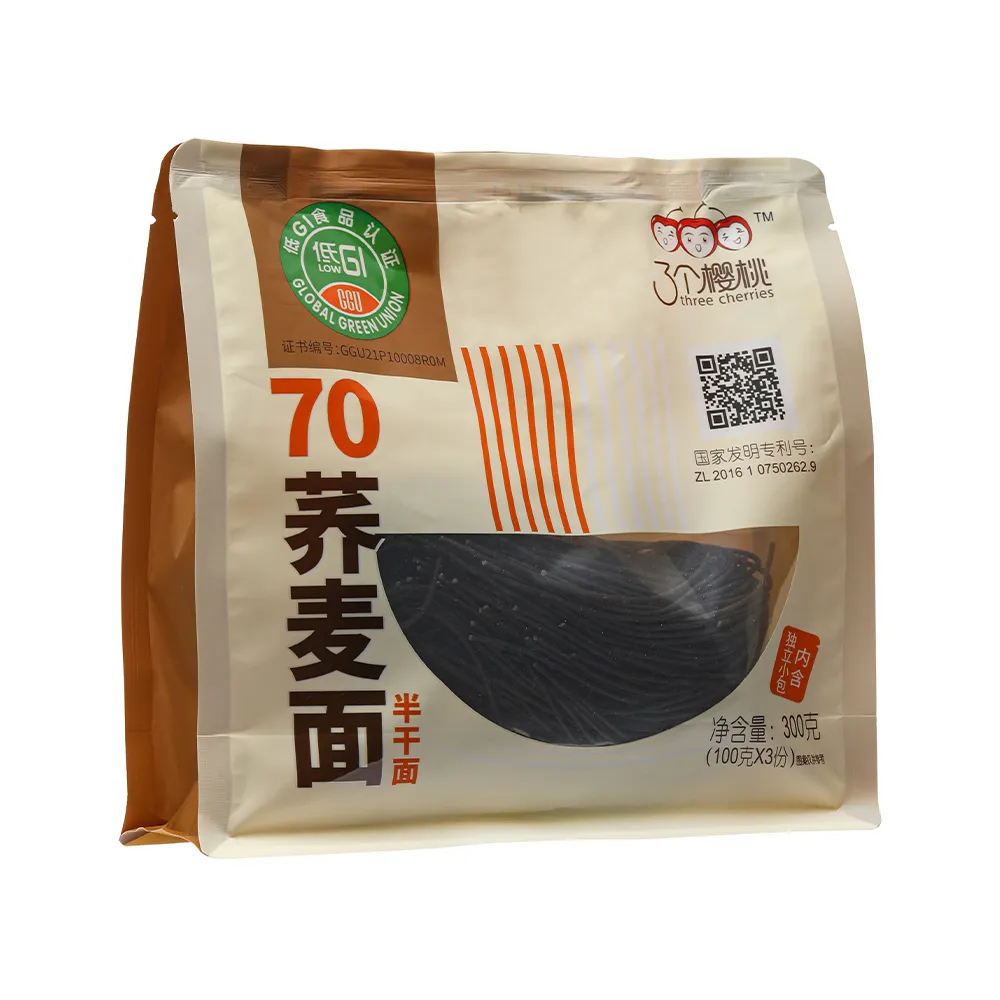
The magic basically lies in the ingredients and the process. Rather than pure wheat flour, these noodles incorporate alternative flours like chickpea, konjac, or resistant starches that slow down carbohydrate absorption. The noodle strands stay firm and springy—no sad mush here—and the process often uses a semi-dry production method that’s fascinating to anyone who knows food machinery. Adjustments in extrusion temperature, drying duration, and humidity control all play a part.
I remember visiting a semi-dry noodle manufacturing plant a while back—the kind that really geeks out on moisture content to balance shelf life and texture. Watching the machines calibrate precisely to handle different flour blends was an eye-opener. It’s oddly satisfying to see how the nuts and bolts of industry support not just efficiency but even personalized health needs.
| Specification | Diabetes Ramen Noodles | Standard Ramen Noodles |
|---|---|---|
| Main flour base | Chickpea & wheat blend | 100% Wheat flour |
| Glycemic index | ~40 (low) | ~70 (high) |
| Drying process | Semi-dry technology | Traditional high-temperature drying |
| Shelf life | 6-8 months | 9-12 months |
| Texture | Firm & springy | Soft to firm |
Choosing a Vendor: What Sets Providers Apart in Diabetes-Friendly Noodles
Because this product edge is niche, a few manufacturers stand out when you look beyond basic noodle distribution. It's not just about price or bulk shipping—though those always matter in industry settings—but also about their quality control, ability to customize blends, and response times. Companies that invest heavily in R&D, especially with diabetes ramen noodles, tend to offer more consistent quality. Plus, customer support isn’t always a given, I’ve noticed, especially when you want modifications or certifications.
| Vendor | Customization Options | Certifications | Lead Time | Price Range (per ton) |
|---|---|---|---|---|
| NoodleTech Inc. | Flour blends, thickness | ISO 22000, FDA | 3-4 weeks | $1,500 - $1,800 |
| HealthyNoodle Co. | Sugar-free seasoning options | Organic, Gluten-Free | 4-5 weeks | $1,600 - $1,900 |
| JX Semi-Dry Noodles | Semi-dry process, customized blends | ISO 9001, FDA | 2-3 weeks | $1,550 - $1,850 |
Personally? I have a soft spot for vendors like JX Semi-Dry Noodles. Their blend of traditional craftsmanship and the semi-dry technique strikes a great balance. Plus, their responsiveness to small batch tweaks shows they're tuned into what food engineers and consumers alike are looking for these days.
Let’s be honest: diabetes ramen noodles feel like a perfect intersection between industrial know-how and real-world lifestyle needs. You can’t just invent a product and call it “healthy” without seriously messing with your production line, shelf life, and of course, consumer taste buds. But when done well, it’s a game-changer, and oddly satisfying to those of us who’ve watched products evolve behind the scenes.
Next time you see noodles labeled as diabetic-friendly, you might think twice—not only about your health but about the machinery and fine-tuned processes humming away to make it possible. And maybe even grab a bowl—and enjoy.
A Short Reflection
Reflecting back, there was a time when noodles were just noodles: quick carbs, modest craft. But with today’s diabetic-conscious market gaining steam, innovation is the new norm. For anyone in the industrial sector watching these shifts, it’s a reminder that food tech and health are more intertwined than ever. And that’s something pretty cool.
References
- Food Industry Trends Report, 2023: The Rise of Functional Foods
- ISO Certifications for Food Manufacturing, 2024 Update
- Personal visits and interviews with noodle production facilities, 2023
-
Discover the Authentic Taste of Korean Buckwheat NoodlesNewsApr.16,2026
-
Discover the Refreshing Taste of Authentic Korean Cold SobaNewsApr.09,2026
-
Discover the Refreshing Taste of Korean Cold Buckwheat Noodles NaengmyeonNewsApr.07,2026
-
Discover the Cool and Refreshing World of Korean Buckwheat Noodles ColdNewsApr.04,2026
-
Discover the Refreshing Taste of Japanese Cold Buckwheat Noodles and Zaru SobaNewsMar.31,2026
-
Exploring the Delicious World of Chinese Style Cold NoodlesNewsMar.28,2026
-
Discover the Cool and Refreshing World of Korean Cold Soba NoodlesNewsMar.26,2026
Browse qua the following product new the we