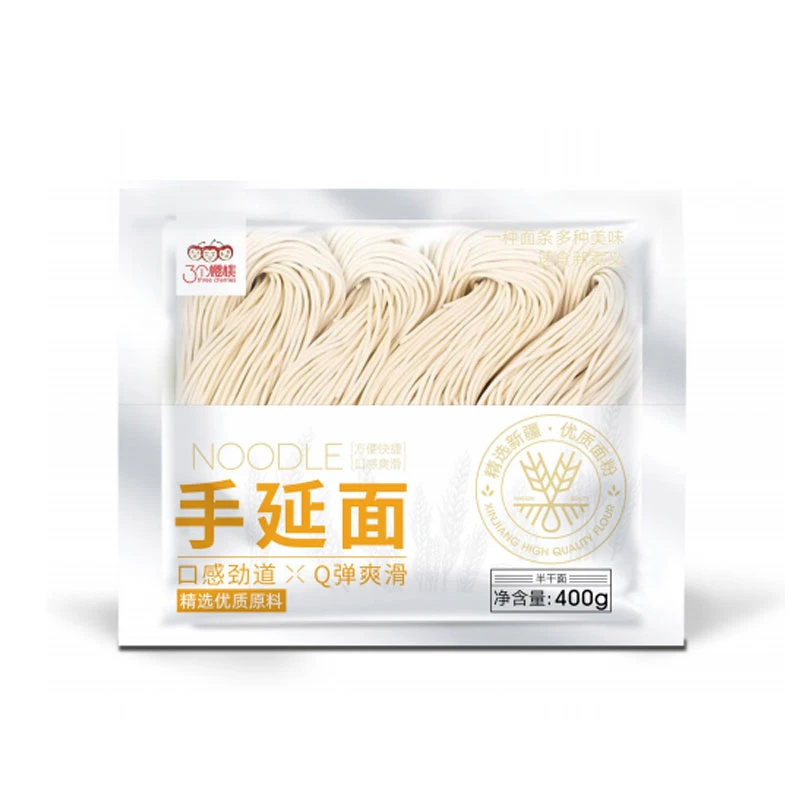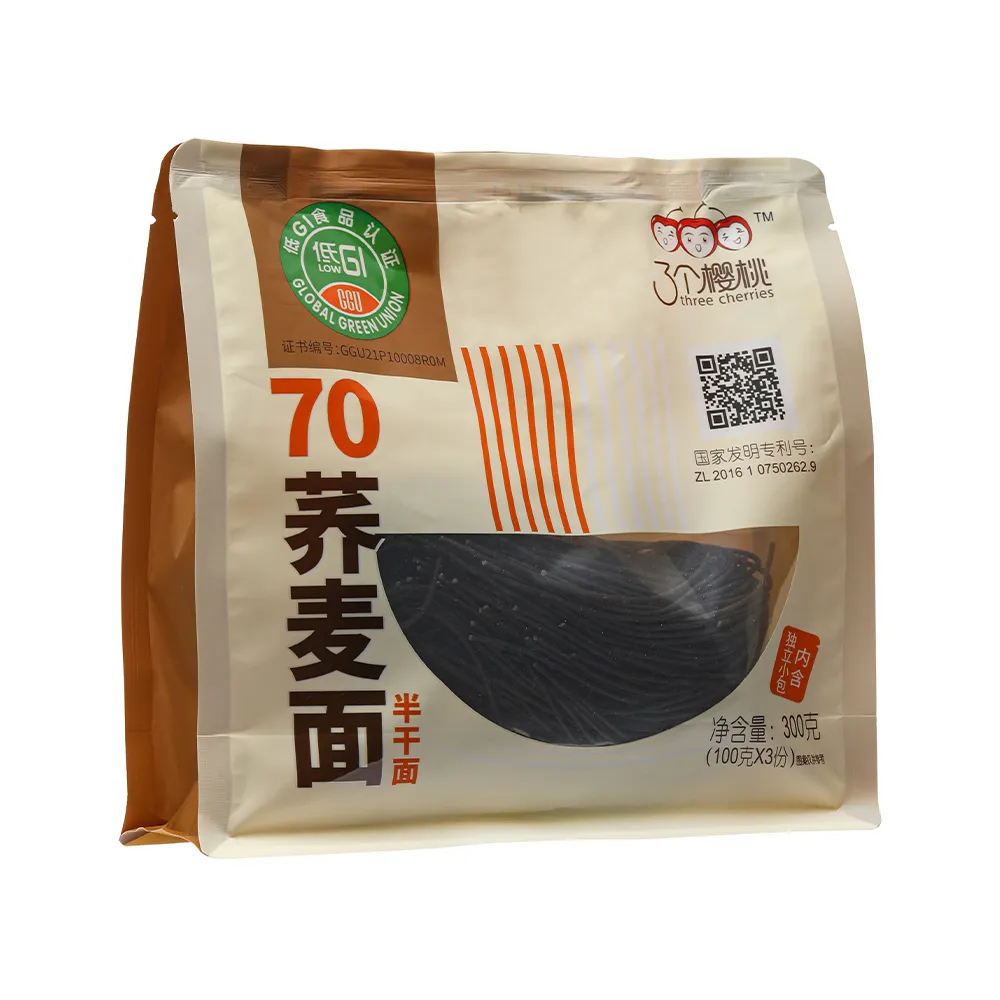

Buckwheat Noodles Good for Diabetics: A Nutritional Superfood for Blood Sugar Control
Why Buckwheat Noodles Are a Gamechanger for Diabetics Worldwide
At first glance, buckwheat noodles might just seem like another trendy food item popping up at local markets or niche grocery stores. But here’s the thing — these noodles are quietly revolutionizing how people with diabetes manage their diets, and frankly, that’s a big deal globally.
Diabetes affects over 537 million adults worldwide, according to the International Diabetes Federation. Nutrition plays a pivotal role in controlling blood sugar levels, and foods like buckwheat noodles, known for their low glycemic load and rich nutrient profile, offer a sustainable, tasty alternative to regular pasta. Understanding this intersection isn’t just important for individuals; it’s a cornerstone for global public health strategies aiming to ease the diabetes epidemic’s strain.
Mini takeaway: Buckwheat noodles offer a health-forward option that addresses a pressing global challenge — managing diabetes through better diet choices.
The Global Relevance of Buckwheat Noodles for Diabetics
Globally, populations are aging, and diabetes rates are spiking — climbing steadily especially in low-to-middle-income countries. The World Bank reports a rising economic burden due to diabetes-related complications, urging solutions that combine affordability with health benefits. Enter buckwheat noodles.
Unlike traditional wheat-based pasta, buckwheat noodles boast complex carbohydrates and a healthy dose of fiber, both critical for diabetic-friendly foods. This helps in slowing glucose absorption, reducing blood sugar spikes — a daily challenge for many living with the condition. But there’s more — buckwheat also contains rutin, a flavonoid linked to improved blood circulation and reduced inflammation, partially explaining why it’s favored in places that experience high diabetes prevalence, such as East Asia and Eastern Europe.
Still, many people don’t realize that opting for buckwheat noodles good for diabetics can be an effective, simple dietary habit with real impact.
Mini takeaway: Choosing buckwheat noodles addresses both nutritional and economic aspects of diabetes management on a global scale.
What Exactly Are Buckwheat Noodles Good for Diabetics?
Simply put, buckwheat noodles are noodles made mostly or entirely from buckwheat flour, derived from the seeds of the buckwheat plant (Fagopyrum esculentum), which is not a true cereal grain but a pseudocereal. Because of its unique composition, it offers a low glycemic index alternative compared to wheat pasta. For diabetics, this means a gentler, steadier rise in blood sugar after meals.
In humanitarian or medical nutrition circles, these noodles represent a food product that is both culturally adaptable and nutritionally strategic. Their gluten-free nature also adds to their appeal for those facing multiple dietary restrictions or preferences.
Main Ingredients and Nutritional Highlights
- Buckwheat Flour: Rich in fiber, magnesium, and antioxidants.
- Water: For dough formation.
- Sometimes Wheat Flour: To improve texture but varies by product.
Buckwheat noodles good for diabetics are increasingly recognized not just by nutritionists but by food industries looking to expand special diet lines.
Mini takeaway: They are a smart blend of nature and nutrition science, made to support healthy blood sugar levels.Key Factors That Make Buckwheat Noodles Ideal for Diabetes Management
Low Glycemic Index
One reason these noodles stand out is their low glycemic index (GI), typically ranging between 40-50 depending on the recipe. That’s much lower than traditional wheat pasta, which can sit closer to 60-70. This feature alone means blood glucose levels spike much less dramatically after eating — a crucial benefit for diabetics.
High Fiber Content
Fiber acts like a slow-release mechanism in your digestive system. Buckwheat noodles bring both soluble and insoluble fiber, promoting better blood sugar control along with digestive health. Fiber also helps with satiety, reducing overeating.
Rich in Bioactive Compounds
Buckwheat contains flavonoids like rutin and quercetin, which are antioxidants helping reduce oxidative stress — a key factor in diabetes complications. These aren't just buzzwords; numerous studies have supported their potential roles in vascular health and inflammation moderation (see NIH study on rutin).
Gluten-Free and Allergen-Friendly
Many diabetics also have gluten sensitivities or allergies. Buckwheat noodles sidestep the gluten issue naturally, making them a safe alternative in diverse global diets.
Affordability and Availability
Contrary to some health foods that come with hefty price tags, buckwheat noodles are produced widely in regions like China, Korea, Japan, and parts of Eastern Europe. This geographical distribution makes them affordable and accessible, a huge practical plus.
| Nutrient | Amount | Notes |
|---|---|---|
| Calories | 110 kcal | Low in calories |
| Carbohydrates | 24 g | Complex carbs dominate |
| Fiber | 3 g | Supports stable blood sugar |
| Protein | 4 g | Higher than wheat pasta |
| Fat | 0.1 g | Almost negligible |
How Different Regions and Industries Use Buckwheat Noodles Good for Diabetics
In Japan, soba noodles made from buckwheat have been a staple for centuries, long before the diabetes epidemic pushed modern nutritional science toward these foods. Korea also embraces buckwheat noodles for both everyday and ceremonial meals. Meanwhile, Europe—especially in countries like Russia and Ukraine—continues its tradition of buckwheat consumption in various forms.
More interestingly, NGOs and health programs working in Asia-Pacific regions integrate these noodles in diabetic patient meal plans, leveraging their local acceptance and nutritional profile.
Industrial food manufacturers are even developing instant cups and pre-packaged noodles aimed at diabetic consumers, ready for quick meals without compromising health.
Mini takeaway: Buckwheat noodles are not just a niche product but an embedded, culturally accepted food with expanding roles in global health.Advantages and the Lasting Value of Buckwheat Noodles
- Health: Better glucose control, antioxidant benefits, and allergy-friendliness.
- Sustainability: Buckwheat grows rapidly, requires minimal pesticides, and enriches soils, aligning well with sustainable farming.
- Societal: Offering dignified, tasty options to diabetics reduces stigma and despair often associated with restrictive diets.
- Economic: Cost-effective production means these noodles remain affordable to most consumers, including vulnerable groups.
From a user perspective, it genuinely feels empowering to eat foods that not only please the palate but also ease daily health burdens.
What’s Next? Future Trends Surrounding Buckwheat Noodles Good for Diabetics
We’re seeing exciting biotechnological advances focused on enhancing buckwheat varieties with better yields and boosted flavonoid levels. On the consumer front, digital nutrition apps increasingly recommend personalized meals involving buckwheat noodles based on individual glycemic responses.
Moreover, policies in various countries are promoting whole grains and pseudocereals like buckwheat as part of national diabetes prevention and control strategies. Packaging innovations are also aiming for zero-waste production while preserving the noodles’ freshness.
Challenges and How the Industry Is Tackling Them
Despite all the benefits, buckwheat noodles face challenges — some consumers resist due to taste or texture differences compared to wheat pasta. Production consistency and shelf life are also concerns for mass producers.
Innovations in mixing buckwheat with other flours, natural flavor enhancers, and improved drying techniques are steadily solving these issues. Plus, community education campaigns boost acceptance by spotlighting health benefits and cultural heritage.
Quick FAQ About Buckwheat Noodles Good for Diabetics
- Q1: Are buckwheat noodles truly safe for diabetics to eat daily?
- A: Yes, many nutritionists recommend them as a healthy carbohydrate source. Their low glycemic index helps maintain steadier blood sugar levels when consumed as part of a balanced diet.
- Q2: How do buckwheat noodles compare to regular pasta nutritionally?
- A: Buckwheat noodles generally have more fiber, protein, and antioxidants with a lower glycemic response, making them a superior choice for blood sugar management.
- Q3: Can people with gluten intolerance consume buckwheat noodles?
- A: Pure buckwheat noodles are gluten-free and safe. However, some commercial products may mix flours, so it's best to check labels.
- Q4: Where can I buy quality buckwheat noodles good for diabetics?
- A: Specialty health stores, Asian markets, and online retailers offer various options. Check our recommended supplier for reliable quality.
- Q5: Are there any taste tips for first-time buckwheat noodle eaters?
- A: Pair buckwheat noodles with savory sauces rich in umami or with a splash of sesame oil to balance their distinctive nutty flavor.
Vendor Comparison: Leading Producers of Buckwheat Noodles
| Vendor | Product Range | Gluten-Free Options | Pricing (per kg) | Global Shipping |
|---|---|---|---|---|
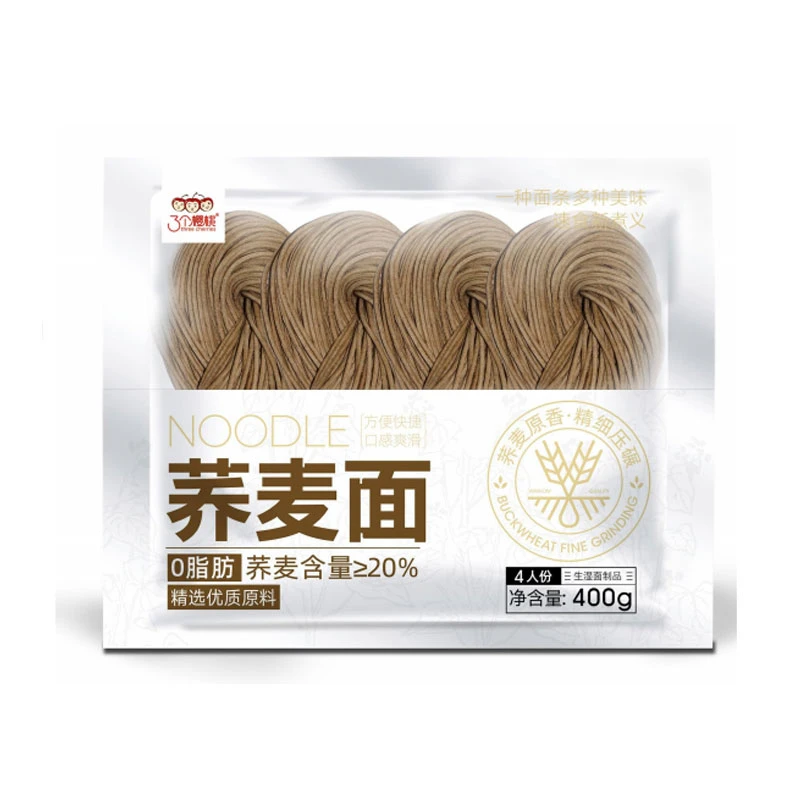
| JXS Semi-Dry Noodles | Traditional, Instant, Gluten-Free | Yes | $8.50 | Worldwide |
| East Asian Buckwheat Co. | Traditional only | Limited | $6.75 | Asia-Pacific |
| Gluten-Free Naturals | Gluten-Free Only | Yes | $12.00 | North America, Europe |
A Final Thought on Buckwheat Noodles and Diabetes
When you stop to think about it, buckwheat noodles good for diabetics are like a small but meaningful revolution on your plate. They blend tradition and science, nutrition and taste, accessibility and sustainability—all critical in tackling one of humanity’s biggest health challenges. Nothing fancy, just smart food choices that add up.
Explore more about how these classic noodles can fit into your or your community’s health plan by visiting our website. Trust me, once you start, it’s hard to look back.
References
-
Discover the Authentic Taste of Korean Buckwheat NoodlesNewsApr.16,2026
-
Discover the Refreshing Taste of Authentic Korean Cold SobaNewsApr.09,2026
-
Discover the Refreshing Taste of Korean Cold Buckwheat Noodles NaengmyeonNewsApr.07,2026
-
Discover the Cool and Refreshing World of Korean Buckwheat Noodles ColdNewsApr.04,2026
-
Discover the Refreshing Taste of Japanese Cold Buckwheat Noodles and Zaru SobaNewsMar.31,2026
-
Exploring the Delicious World of Chinese Style Cold NoodlesNewsMar.28,2026
-
Discover the Cool and Refreshing World of Korean Cold Soba NoodlesNewsMar.26,2026
Browse qua the following product new the we