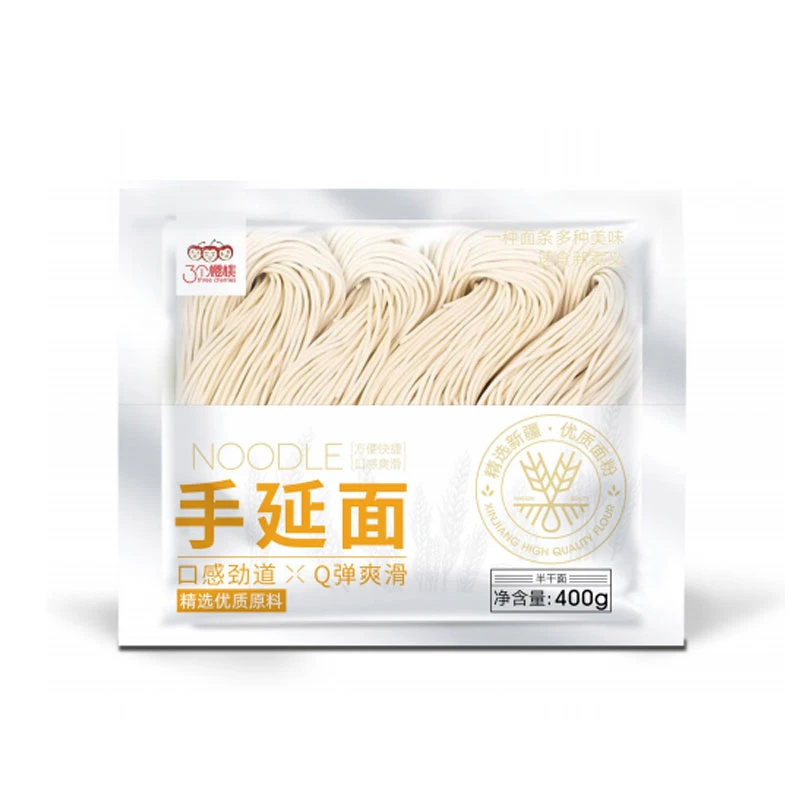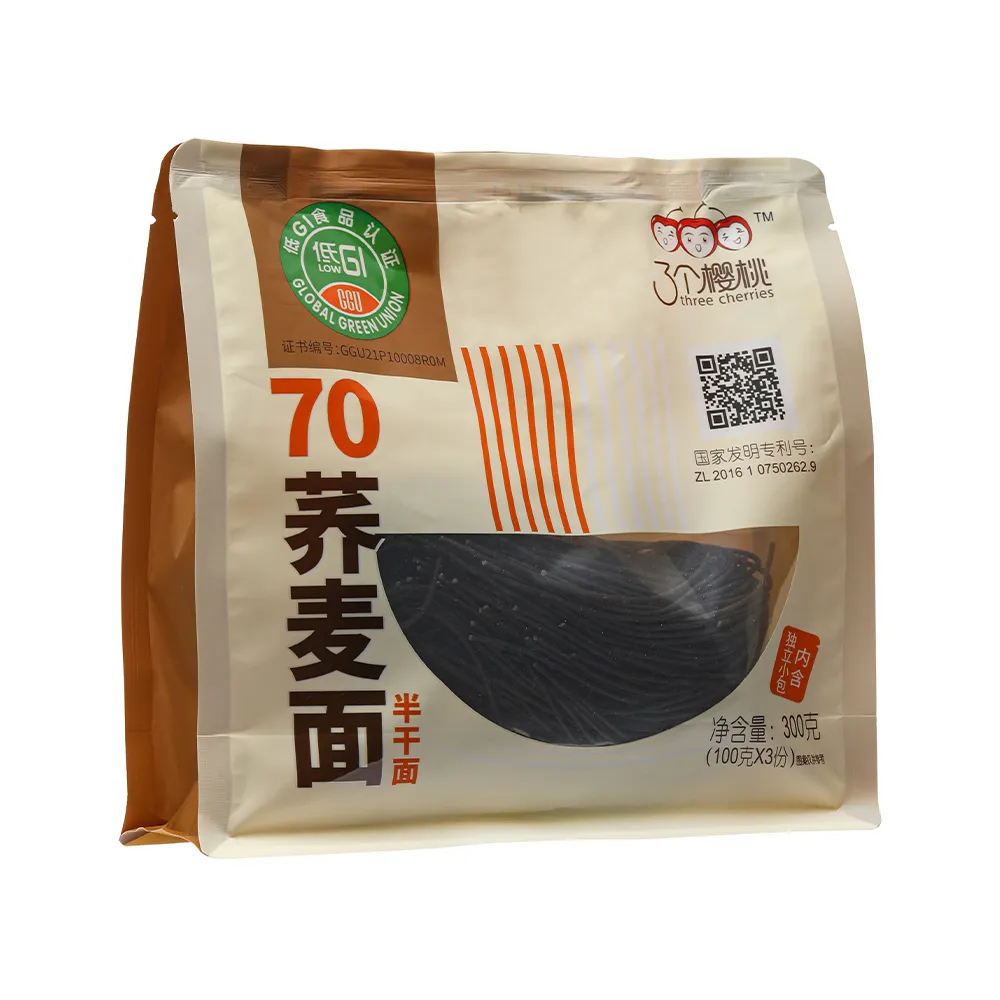

Asian Noodles for Diabetics - Healthy, Low GI Options for Global Wellness
Why Asian Noodles for Diabetics Matter Globally
When we talk about food choices for people managing diabetes, the spotlight often falls on breads, sugars, and carb counts, but something as simple – yet culturally significant – as asian noodles for diabetics deserves a closer look. Noodles have woven their way through Asian cultures for centuries, yet their impact goes beyond the culinary arts. Understanding how diabetic-friendly variants bring health, convenience, and taste to millions worldwide is more important than ever, considering the global diabetes epidemic estimated by the World Health Organization to affect over 537 million adults as of 2021.
Why? Because Asian noodles aren’t just comfort food; they intersect with public health, food innovation, and international trade — and ideally, they offer a bridge between culture and diabetic care that is globally accessible.
Introducing Asian Noodles for Diabetics: A Modern Perspective
Put simply, asian noodles for diabetics are noodle products formulated or selected to suit the nutritional needs of people living with diabetes. That typically means lower glycemic index (GI), higher fiber content, and often alternative flours or additives to control blood sugar spikes.
These noodles respond to a growing global demand where millions are seeking foods that respect taste but don't compromise health. It’s part of a broader trend where food industries innovate to make staples—from rice to bread, and yes, noodles—more "diabetes-conscious."
This connection reflects a critical humanitarian need, especially in countries where rice and noodle dishes reign supreme; people with diabetes must preserve cultural diets without sacrificing their health.
Core Components to Consider in Diabetic-Friendly Asian Noodles
1. Glycemic Index (GI) and Glycemic Load
GI indicates how quickly carbohydrates raise blood glucose levels. Diabetic-friendly noodles usually feature low to moderate GI ingredients—like whole grains, buckwheat, or legume flours. This helps maintain steady blood sugar.
2. Fiber Content
Adding dietary fiber helps slow digestion and glucose absorption. More fiber also benefits gut health, which is increasingly linked to diabetes management. For example, noodles with added oat bran or chia seeds tick this box.
3. Protein and Alternative Flour Bases
Interestingly, some producers are blending traditional rice or wheat with pulses (like chickpea flour) to boost protein — which helps with satiety and glucose control.
4. Portion Control and Packaging
Because noodles often come in bigger packets, portioning becomes critical for diabetics. Innovations include single-serving packs labeled with carb counts, making it easier to manage intake.
Mini takeaway:
When choosing or producing asian noodles for diabetics, it's not just about swapping flours — it's about an integrated approach combining GI, fiber, protein, and portion guidance.
Applications Around the World: Where & How Diabetics Enjoy Asian Noodles
It's fascinating to see the real-world impact. In East Asia, where traditional wheat and rice noodles dominate diets, diabetic product lines have surged in supermarkets, hospitals, and even school canteens.
In Southeast Asia, NGOs aimed at nutritional health are distributing these noodles to diabetic populations in urban and rural areas with great success. Governments in countries like Japan and South Korea promote diabetic-friendly food labeling, boosting consumer confidence.
Oddly enough, in Western countries too, the fusion scene means specialty Asian noodles tailored for diabetics have niche markets among health-conscious foodies and diabetic support groups.
Example Use Case:
In a rural diabetes clinic in Northern Thailand, patients receive servings of mung bean-based noodles formulated for glycemic control. Clinic staff report improved patient satisfaction and fewer sugar spikes compared to conventional options.
What Makes Asian Noodles for Diabetics a Smart Long-Term Choice?
First, they offer tangible health benefits — steady blood sugar means less strain on insulin and reduced risks of complications like neuropathy and cardiovascular disease. But the benefits go beyond numbers:
- Sustainability: Many diabetic noodles now utilize locally grown alternative grains, supporting farmers and reducing carbon footprints.
- Cultural Dignity: People don’t have to give up cherished traditional dishes.
- Affordability: Over time, mass production and innovation lower costs, making diabetic-friendly noodles accessible to low-income groups.
In real terms, that means improved quality of life, trust in food brands, and even community resilience in health systems.
Technical Specification Table: Typical Asian Diabetic-Friendly Noodle Product
| Feature | Specification | Benefit |
|---|---|---|
| Base Ingredient | Chickpea & whole wheat flour blend | Low GI, high protein for blood sugar control |
| Fiber Content | 6g per 100g serving | Aids digestion and glucose regulation |
| Calories | 180 kcal per serving (50g dry) | Supports weight management |
| Packaging | Single-serving packs with carb count label | Convenient portion control for diabetics |
| Shelf Life | 12 months unopened | Good for storage & distribution in remote areas |
Vendor Comparison: Leading Asian Noodle Brands for Diabetics
| Brand | Ingredient Base | Price per 100g | GI Rating | Availability |
|---|---|---|---|---|
| NutriNoodle | Chickpea & whole wheat | $0.80 | 45 | Available online globally |
| FiberNoodle | Oat bran & rice flour | $0.65 | 50 | Mostly Southeast Asia |
| GlyceLite | Buckwheat & mung bean | $1.00 | 42 | Available in Japan & Korea |
The Future Looks Promising: Innovations in Diabetic Asian Noodles
Trends are leaning toward even greener and smarter noodles. Scientists are experimenting with algae-based flours and resistant starches that barely register on glycemic indexes. Digital labeling, including smartphone apps scanning carb and ingredient info on packaging, are emerging, making diabetic management easier.
Sustainability is also key: companies use renewable energy for production and biodegradable noodle packaging, merging eco-conscious consumerism with health. Automation reduces human error in nutrient balance control too.
Common Challenges and How Experts Are Tackling Them
Not everything’s rosy. Some low-GI noodles taste different—sometimes crumbly or dense—which can put off traditionalists. There’s also the cost hurdle for mass-market penetration, especially in developing countries.
Nutritionists and food technologists collaborate to tweak recipes preserving authenticity while meeting diabetic needs. Then there’s education: consumers and health workers need information campaigns to understand how these noodles fit into diets.
Packaging can be wasteful; thus, innovations in eco-friendly materials offer dual wins.
FAQ: Your Questions about Asian Noodles for Diabetics
Q1: Are Asian noodles for diabetics significantly different from regular noodles?
A1: Yes. They are generally made with alternative flours and have higher fiber or protein content, resulting in a lower glycemic index — which helps prevent rapid blood sugar spikes compared to conventional noodles made from refined wheat or rice.
Q2: Can diabetics eat these noodles daily?
A2: Moderation matters, but diabetic-oriented noodles are designed to be part of balanced meals. The key is portion control — and these products often come with clear serving suggestions to guide consumption safely.
Q3: Where can I buy authentic Asian diabetic-friendly noodles?
A3: Many health food stores and online retailers stock these noodles. Countries with high diabetes prevalence and strong Asian culinary traditions usually have more options. See asian noodles for diabetics for one such reliable supplier.
Q4: Are diabetic-friendly noodles more expensive?
A4: Currently, they can be slightly pricier due to specialty ingredients and manufacturing. However, as demand grows and production scales, prices are expected to become more affordable.
Wrapping Up: Why Embrace Asian Noodles for Diabetics?
Over time, asian noodles for diabetics prove themselves more than "just food." They’re a health tool, a cultural keeper, and an example of how innovation can address global challenges like diabetes without sacrificing flavor or tradition. If you or your loved ones are balancing diabetes with a love for Asian cuisine, these noodles could change the way you think about everyday meals.
For the latest in diabetic-friendly Asian noodles, visit here — you might just find a healthier kitchen staple that fits your lifestyle perfectly.
A quick takeaway: embracing these noodles is about more than dietary preference — it’s a step toward accessible, culturally rich diabetic care that can resonate worldwide.
References
-
Discover the Authentic Taste of Korean Buckwheat NoodlesNewsApr.16,2026
-
Discover the Refreshing Taste of Authentic Korean Cold SobaNewsApr.09,2026
-
Discover the Refreshing Taste of Korean Cold Buckwheat Noodles NaengmyeonNewsApr.07,2026
-
Discover the Cool and Refreshing World of Korean Buckwheat Noodles ColdNewsApr.04,2026
-
Discover the Refreshing Taste of Japanese Cold Buckwheat Noodles and Zaru SobaNewsMar.31,2026
-
Exploring the Delicious World of Chinese Style Cold NoodlesNewsMar.28,2026
-
Discover the Cool and Refreshing World of Korean Cold Soba NoodlesNewsMar.26,2026
Browse qua the following product new the we