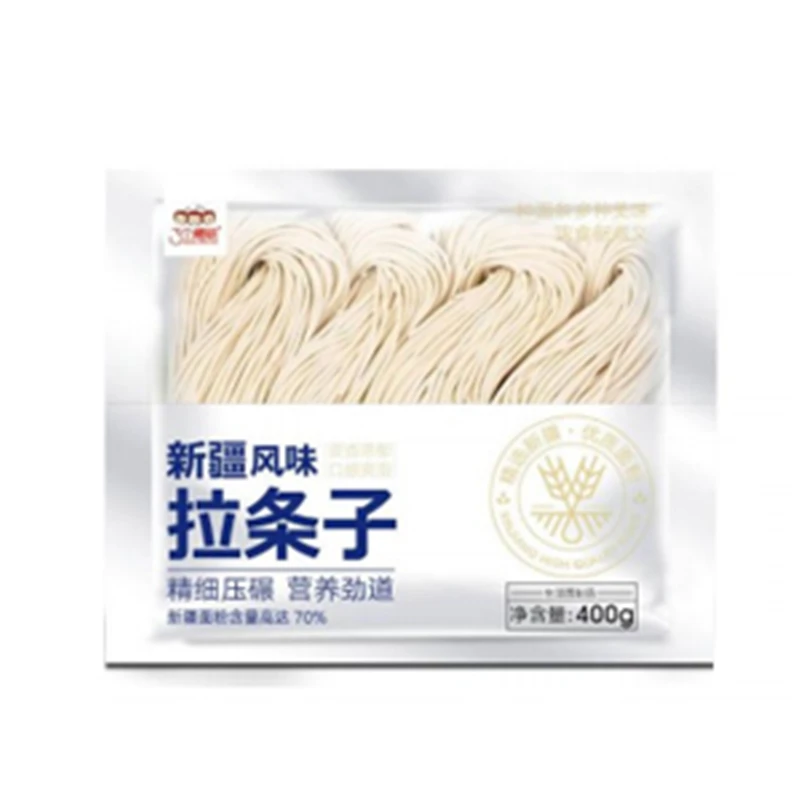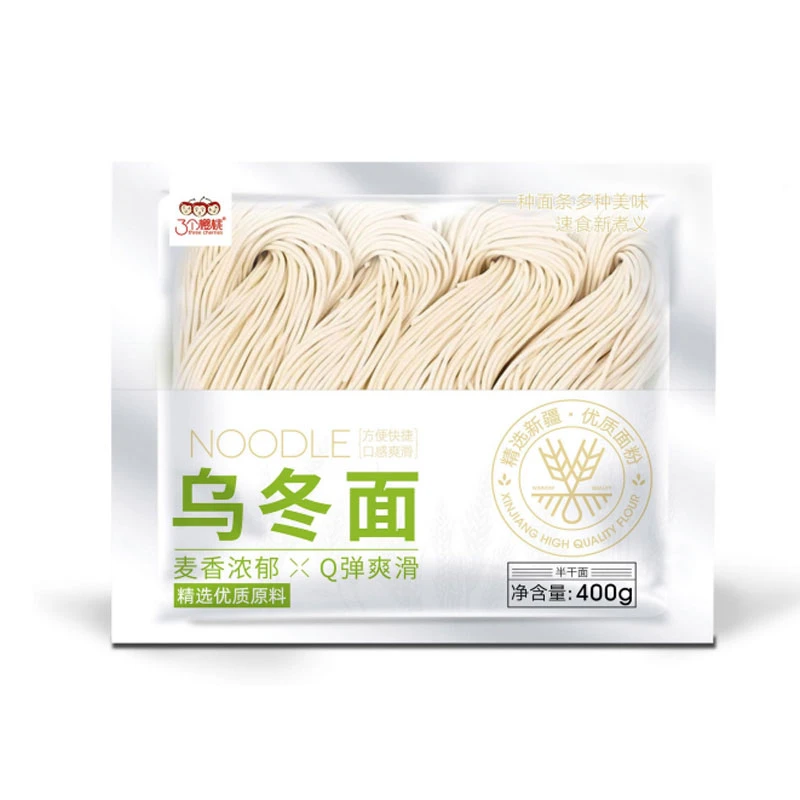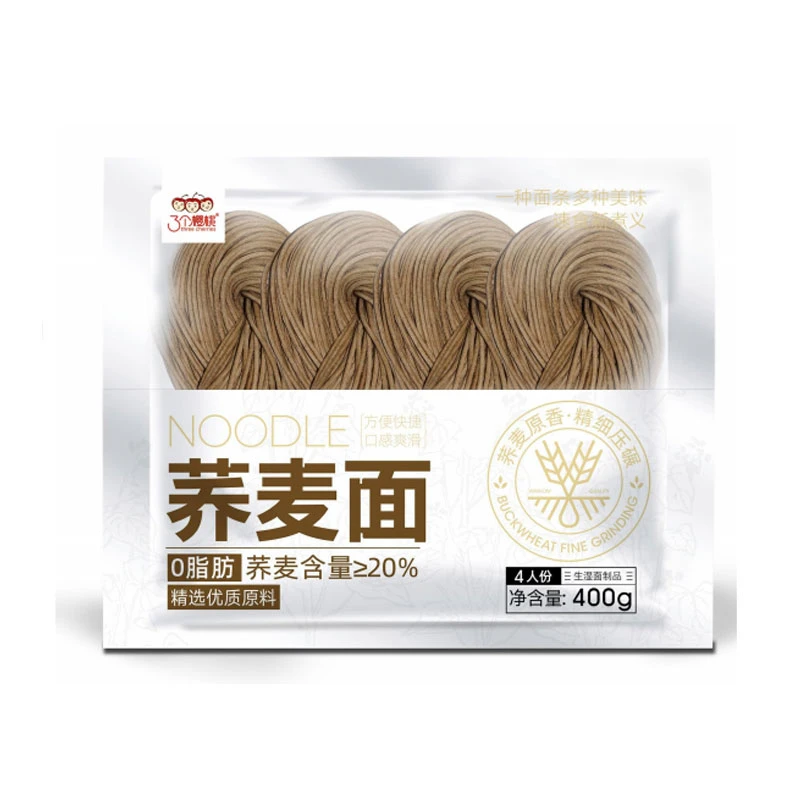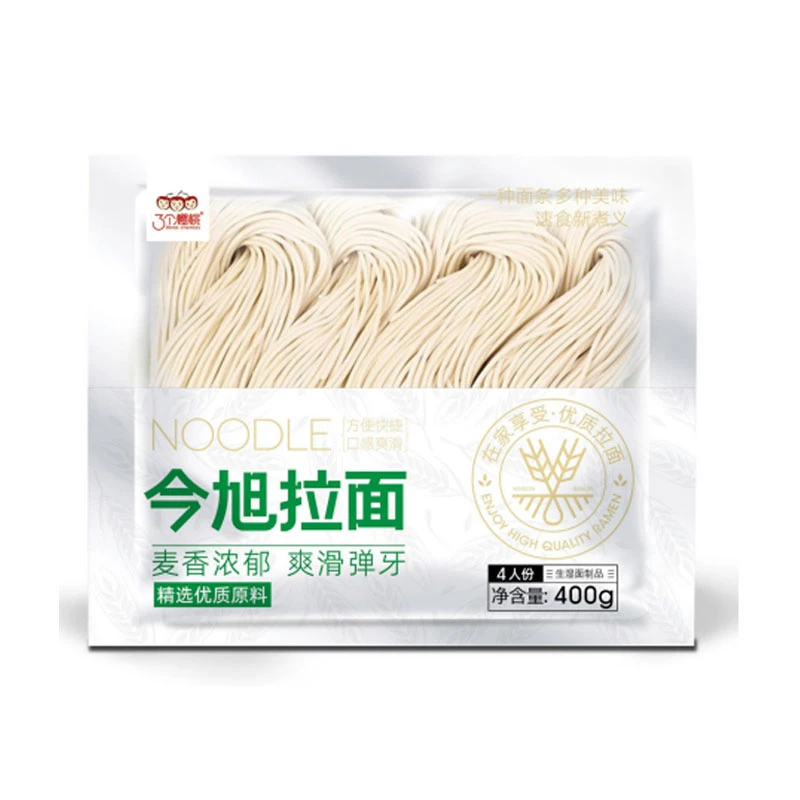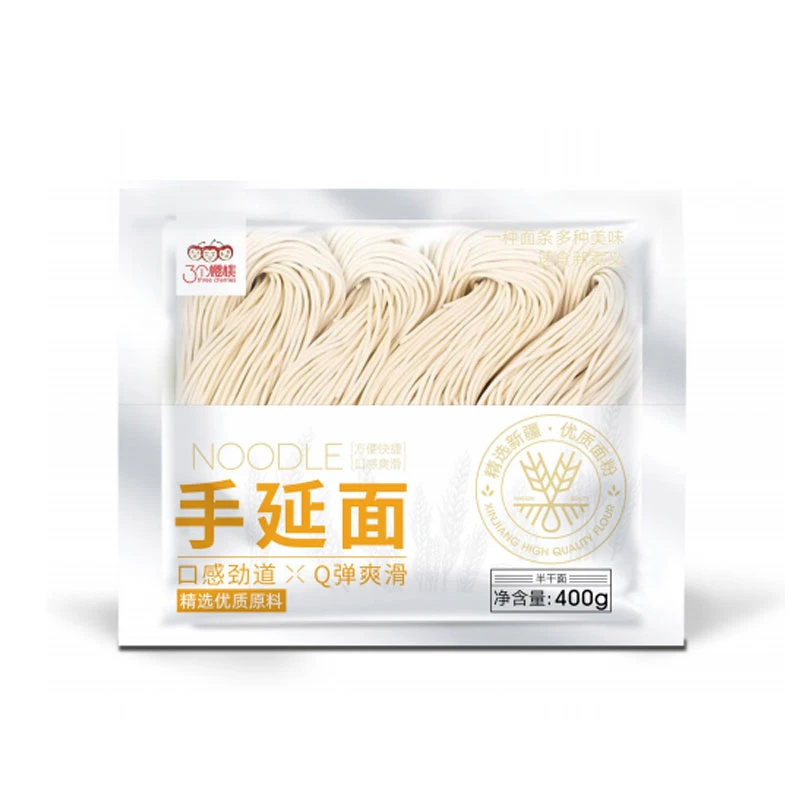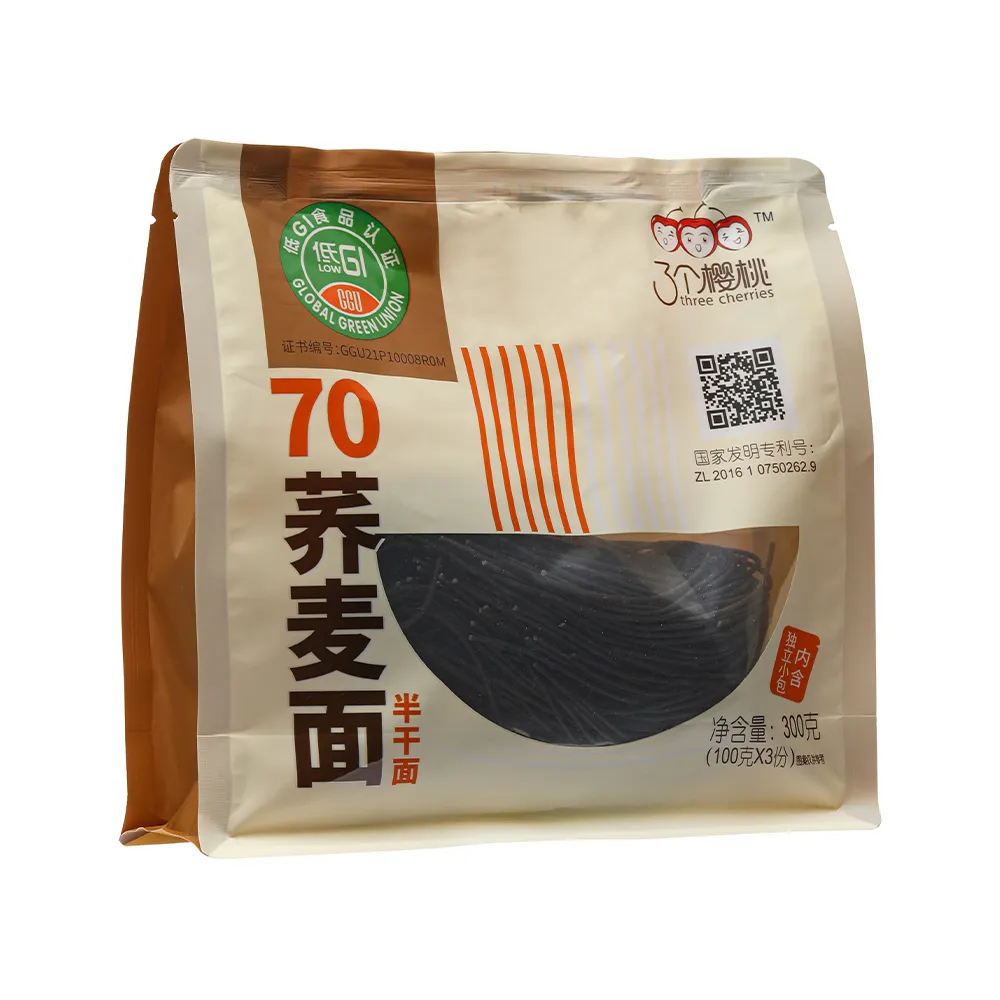

Discover the Benefits and Innovations of Low Carb and Calorie Pasta
The Low Carb and Calorie Pasta Revolution: Why It Matters Today
We’ve all heard about low-carb diets and calorie counting, but what about low carb and calorie pasta? It’s an interesting subject that’s quietly gaining traction worldwide, addressing both health-conscious consumers and broader global nutritional challenges.
Why does it matter globally? Well, the food industry is undergoing a substantial shift toward sustainable, healthier options without sacrificing taste or convenience. This type of pasta fits right into that space — offering a familiar comfort food with less impact on blood sugar and calorie intake. So we’re not just talking about trendy dieting here; it’s a meaningful step toward better public health and food sustainability.
Understanding the Global Context of Low Carb and Calorie Pasta
Now, let’s set the scene with some numbers. According to the World Health Organization, over 1.9 billion adults were overweight in 2016, and of those, 650 million were obese. Meanwhile, carb-heavy diets—especially those high in simple starches—often exacerbate these issues.
Globally, the trend to reduce carbohydrate and calorie consumption is becoming urgent. Between 2010 and 2020 alone, there was a notable increase in demand for healthier alternatives across Europe, North America, and parts of Asia. This isn’t just about weight loss. We’re talking diabetes management, cardiovascular health, and even combating malnutrition where appropriate.
But there’s a challenge: pasta, a staple for millions, traditionally is rich in carbs. So how can we keep this cultural mainstay without the drawbacks? Enter low carb and calorie pasta – a modern food innovation aimed at blending heritage with today's health needs.
What Exactly Is Low Carb and Calorie Pasta?
Simply put, it’s pasta formulated to have significantly fewer carbohydrates and calories than traditional wheat-based varieties. Often, manufacturers use ingredients like konjac flour, chickpea flour, or various legumes and fibers to cut down those numbers dramatically.
Think of it this way: standard spaghetti typically contains around 40 grams of carbs per serving, whereas low carb pasta variants can bring that down to as little as 3-10 grams. The calorie count follows suit, making it a better choice from a nutritional standpoint.
This type of pasta doesn’t just appeal to dieters: it’s crossing over into therapeutic food segments and humanitarian markets where malnutrition and chronic disease overlap. So you could say it’s pasta with a purpose beyond just dinner on the table.
Core Components That Define Quality Low Carb and Calorie Pasta
1. Ingredient Composition
Quality low carb pasta often relies on alternative flours such as:
- Konjac root powder (glucomannan fiber)
- Chickpea or lentil flour
- Almond or coconut flour blends
- Oat fiber or resistant starch
These ingredients maintain texture and bite without loading the product with digestible carbs.
2. Taste and Texture
One common complaint is that low carb pasta tastes “different” or has a strange mouthfeel. But advances in food technology have ironed out many of these quirks. It now ranges from surprisingly close to traditional pasta to a slightly nuttier or earthier profile, appealing to more adventurous eaters.
3. Shelf Life and Packaging
The inclusion of fiber-rich and legume-based ingredients affects shelf life, often shortening it compared to classic durums. However, modified atmosphere packaging and vacuum-sealing have helped improve product longevity.
4. Nutritional Profile
Besides reduced carbs and calories, many of these pastas provide higher protein and fiber contents, which aids digestion and contributes to a feeling of satiety.
5. Cost and Accessibility
While costs can be higher due to novel ingredients and production methods, prices are steadily coming down as demand grows and supply chains mature.
| Characteristic | Typical Value (per 100g) |
|---|---|
| Carbohydrates | 5 - 10 g |
| Calories | 50 - 90 kcal |
| Protein | 8 - 12 g |
| Fiber | 12 - 15 g |
| Shelf life (packaged) | 6 - 12 months |
Mini takeaway: Low carb pasta offers a radically different nutritional profile, often substituting carbs with protein and fiber without greatly compromising taste.
How Low Carb and Calorie Pasta Is Changing the Global Food Scene
Regions like Europe and North America lead the adoption due to high awareness about diet-related health risks. In Japan and parts of East Asia, the innovation aligns well with traditional dietary fiber intake.
Industries serving diabetic patients or weight-management clinics increasingly include this pasta in their meal plans. Even humanitarian organizations consider such foods for emergency relief in urban areas struggling with non-communicable diseases alongside typical food insecurity.
In remote areas where fresh food supply is irregular, low carb pasta offers a shelf-stable, nutrient-dense option. The food tech community often points to it as a bridge between indulgent comfort food and dietary discipline.
Comparing Popular Vendors of Low Carb and Calorie Pasta
| Vendor | Ingredient Base | Carb Content (g/100g) | Taste Texture | Approximate Price |
|---|---|---|---|---|
| Brand A | Konjac + Chickpea | 4.5 | Close to wheat pasta | $4.99 / 200g |
| Brand B | Lentil Flour | 9.2 | Nutty, firmer bite | $5.50 / 250g |
| Brand C | Almond + Fiber Blend | 6.0 | Earthy, softer texture | $6.20 / 180g |
The Long-Term Benefits of Choosing Low Carb and Calorie Pasta
Tangibly, it helps people better manage weight and blood sugar levels, which can reduce the risk of chronic diseases. On a social level, it promotes a more sustainable and conscious food system — often using crops that require less water and land.
Emotionally, many consumers say it gives them peace of mind: enjoy pasta without the guilt. For families juggling health concerns, that is priceless. Plus, food manufacturers and retailers are increasingly trusting these products due to growing demand and positive feedback.
Emerging Trends and Innovations in the Pasta World
One exciting frontier is the development of 3D-printed low carb pasta, allowing customization in shapes, textures, and even nutrient profiles. Biotechnology also plays a role — companies experimenting with plant proteins engineered for lower glycemic impacts.
Policy-wise, several countries are incentivizing reformulation of staple foods to combat obesity (see ISO food standards for relevant developments). Digitally, we see integration with smart packaging that advises consumers of nutritional content in real time.
Challenges and Smarter Solutions
Sure, there are challenges. Some people find the texture off-putting. Cost can be a barrier for widespread adoption. Manufacturing low carb pasta requires specialty equipment and careful process control.
Yet solutions are emerging: blending flours for better mouthfeel, automating ingredient mixing, and scaling production to cut costs. Even partnerships with local farmers to source alternative crops keep prices competitive while supporting sustainability.
FAQs About Low Carb and Calorie Pasta
Q1: Is low carb pasta suitable for diabetics?
A1: Absolutely. Because it contains fewer digestible carbs, it results in a smaller blood sugar spike. Still, diabetics should monitor portions and consult healthcare providers.
Q2: How does low carb pasta compare taste-wise to regular pasta?
A2: Taste varies by brand and ingredient but many modern versions closely mimic traditional pasta with a slight nuttiness or earthier aroma. Trying a few brands is the best way to find a personal favorite.
Q3: Can I use low carb pasta in any recipe that calls for regular pasta?
A3: Generally yes, though cooking times may be shorter and textures a bit different. It's good for sauces, baked dishes, or cold pasta salads.
Q4: Are these pastas more expensive?
A4: At present, yes — given specialty ingredients and smaller production scales. But prices are coming down as demand grows and tech advances.
Q5: Where can I buy low carb and calorie pasta?
A5: Many health food stores and online retailers stock them. For a great selection, check out low carb and calorie pasta suppliers and reviews.
Bringing It All Home: Why Low Carb and Calorie Pasta Is Here to Stay
In summary, low carb and calorie pasta represents a compelling fusion of tradition and innovation. It answers global health challenges, meets taste expectations, and paves the way for more sustainable food habits. Plus, it’s honestly sort of fun to experiment with in the kitchen.
If you want to discover a diverse range of these products or dive deeper into this culinary revolution, don’t be shy — visit our website. It might just change your kitchen game.
Mini takeaway: The future looks bright — and lighter — for pasta lovers worldwide. One plate at a time.
References
-
Discover the Authentic Taste of Korean Buckwheat NoodlesNewsApr.16,2026
-
Discover the Refreshing Taste of Authentic Korean Cold SobaNewsApr.09,2026
-
Discover the Refreshing Taste of Korean Cold Buckwheat Noodles NaengmyeonNewsApr.07,2026
-
Discover the Cool and Refreshing World of Korean Buckwheat Noodles ColdNewsApr.04,2026
-
Discover the Refreshing Taste of Japanese Cold Buckwheat Noodles and Zaru SobaNewsMar.31,2026
-
Exploring the Delicious World of Chinese Style Cold NoodlesNewsMar.28,2026
-
Discover the Cool and Refreshing World of Korean Cold Soba NoodlesNewsMar.26,2026
Browse qua the following product new the we