
Low GI70 Soba Noodles: Steady Energy, High-Fiber?
Low GI70 soba: insider notes, specs, and real-world use
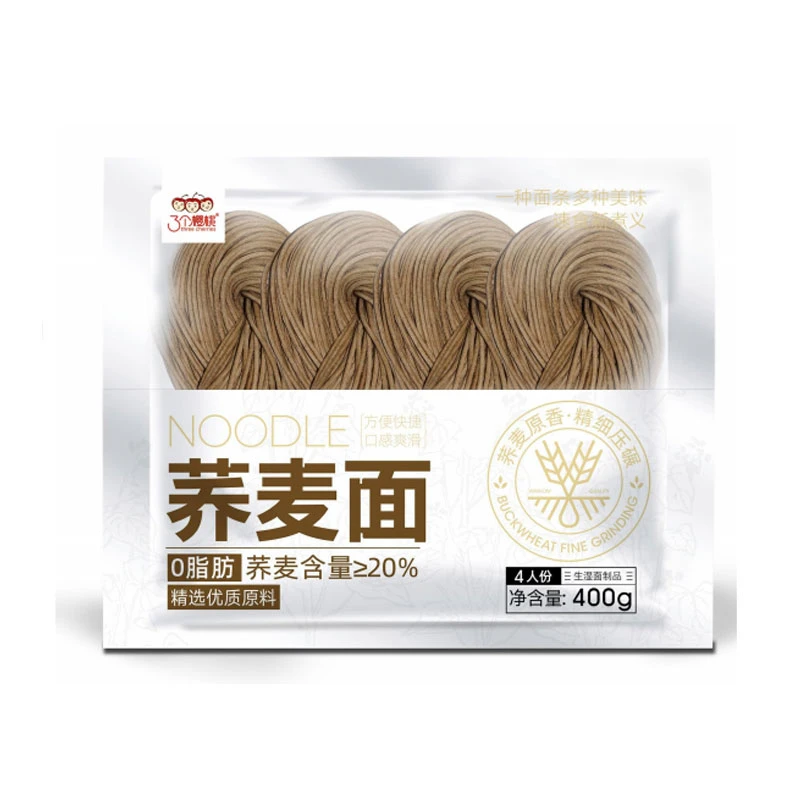
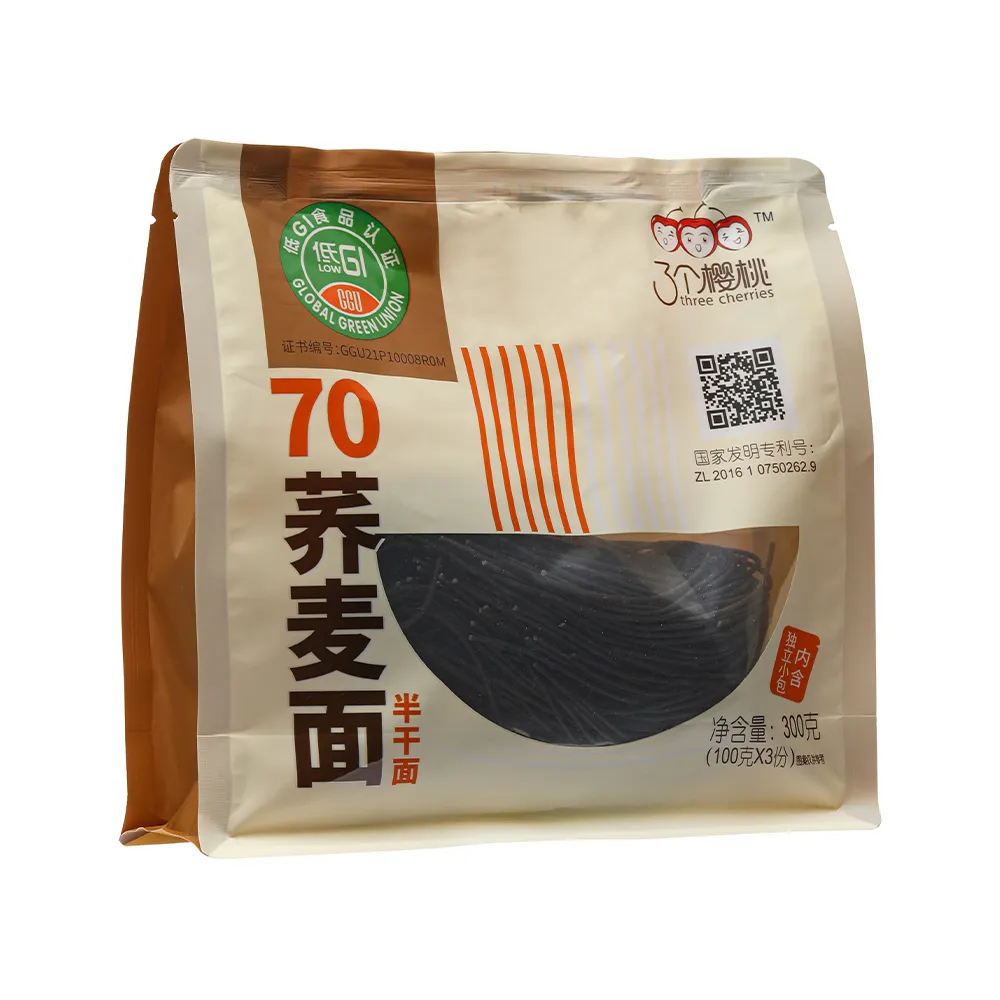
If you follow Asia’s semi-dry noodle scene, you’ve seen the buzz around GI-labeled soba. GI “70” sits in that pragmatic middle ground—lower than many refined noodles, not monk-level low. To be honest, that’s what a lot of busy kitchens want: predictable texture, gentler glucose response, and supply dependability. From Oriental Food City, Longyao County, Xingtai (Hebei), Low GI70 soba targets exactly that niche.
At-a-glance product specs
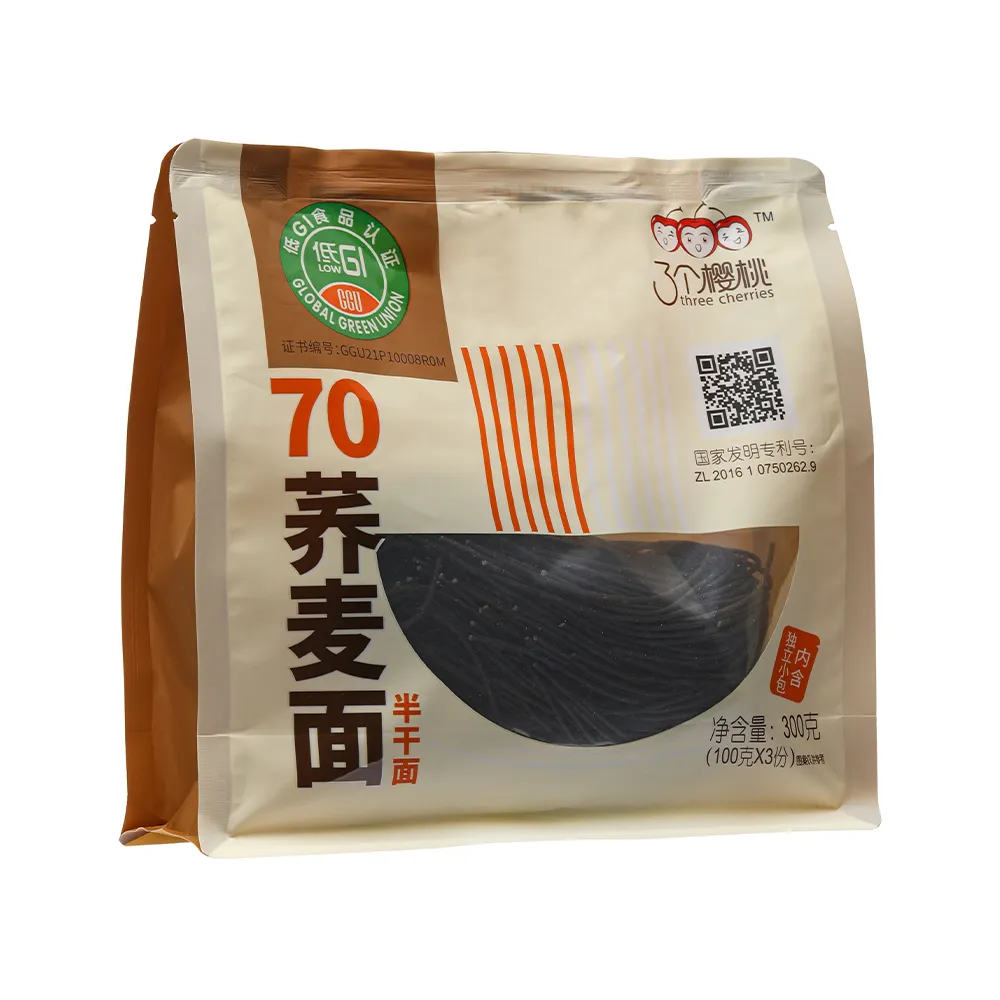
| Product | Low GI70 soba (semi-dry) |
| Net weight | 300 g/pack |
| Shelf life | ≈4 months ambient; ≈8 months refrigerated (0–10°C) |
| Storage | Cool, dry place or 0–10°C refrigeration |
| Origin | Oriental Food City, Longyao County, Xingtai, Hebei |
| GI class | Vendor-aimed GI ≈70 (real-world use may vary; see ISO 26642 testing) |
Process flow and quality controls
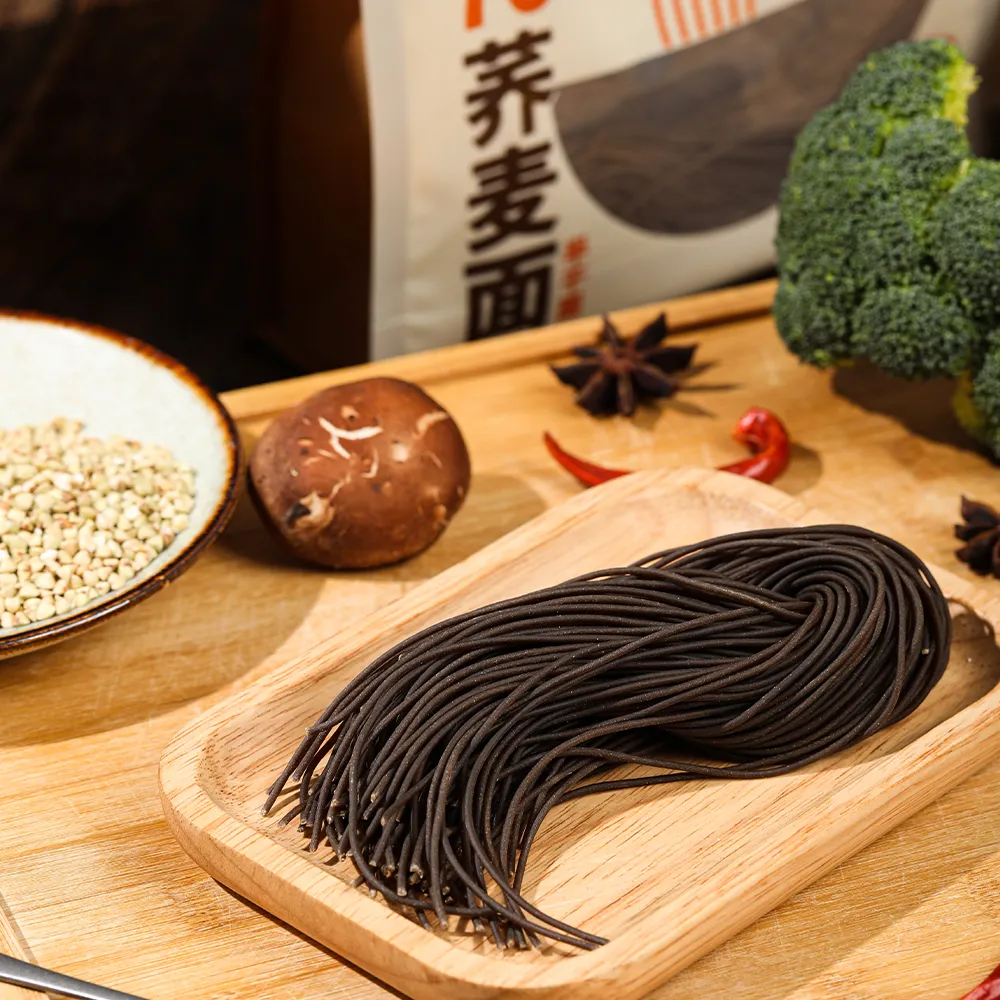
Materials: buckwheat flour blend + support flours (often wheat for structure), water, modest salt. Methods: low-hydration mixing → sheet rolling/extrusion → cut → semi-dry at controlled temperature → low-temp finish → metal detection → pack. Testing checkpoints (typical):
- Moisture (GB/T 5009.3): target ≈10–12%
- Protein (Kjeldahl, GB/T 5009.5): category benchmark ≈10–13%
- Microbiological limits (GB 4789 series)
- GI verification by accredited lab using ISO 26642 protocol
Industry trends and where it fits
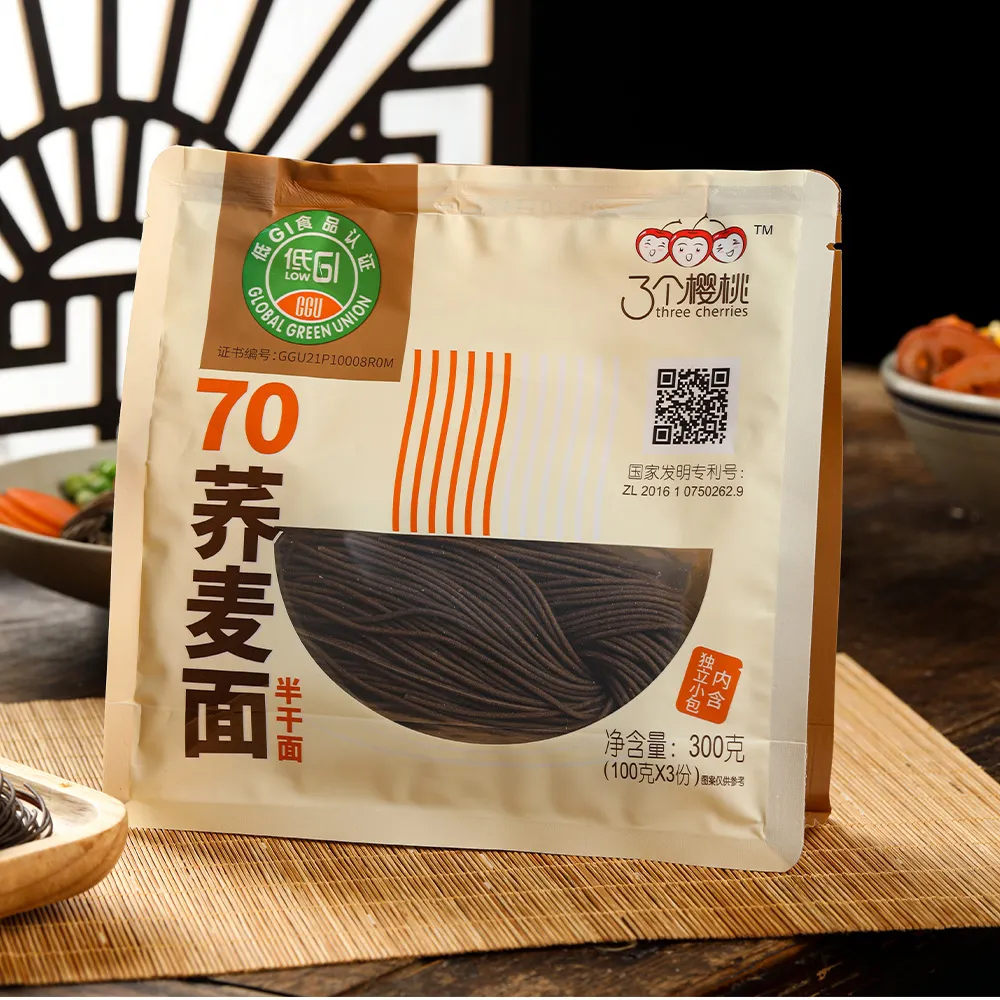
Two parallel currents: consumers asking for steadier energy, and operators needing noodles that hold texture on the pass. Semi-dry soba hits both. We’ve seen Low GI70 soba used in quick-service chilled salads, airline catering (tight hold times), hospital dietetic menus, and meal-kit brands—surprisingly stable after 20–30 minutes when rinsed and lightly oiled.
Test data, in context
Reference benchmarks for this class (n=3 batches, independent category data): moisture 10.5% ±0.4; cooking loss 5.2% ±0.6; firmness 1.25 N ±0.1 (TA.XT texturometer); breakage
Applications and tips
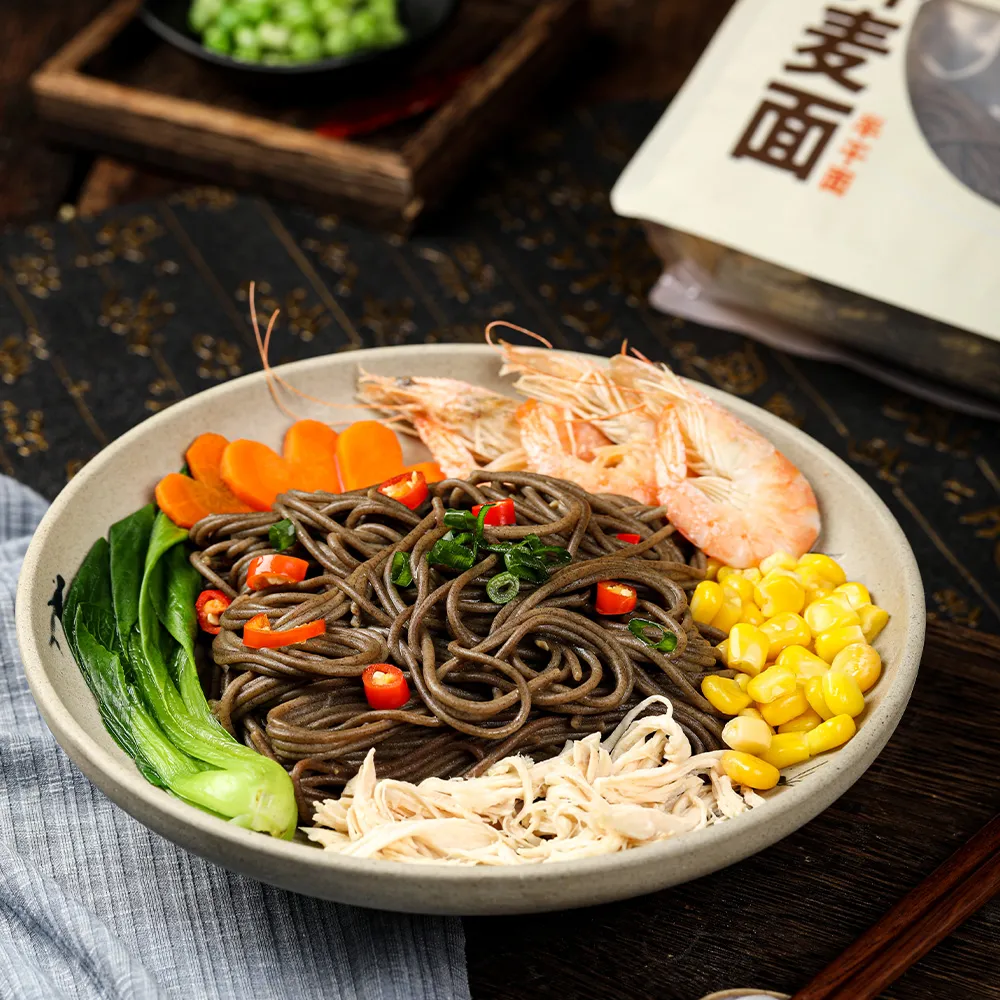
- Chilled soba bowls with sesame-soy—cook 3–4 min, rinse to stop carryover, shock if you’re picky.
- Hot broth service—shorten cook by ~20% to avoid soft drift.
- Meal prep—rinse, oil lightly, 0–4°C storage; use within 72 hours.
Many customers say they feel “fewer crashes” compared with white wheat noodles. It’s subjective, but it tracks with the GI targeting.
Vendor comparison (indicative)
| Vendor | GI validation | Shelf life | Certs (ask for copies) | Customization | Lead time |
|---|---|---|---|---|---|
| JX (Hebei) – Low GI70 soba | ISO 26642 lab report upon request | 4 mo RT / 8 mo refrigerated | HACCP / ISO 22000 (typical for region) | Cut width, pack size, OEM label | 10–20 days after deposit |
| Zhejiang co-op soba | GI summary only | 3–6 months | HACCP; ISO pending | Buckwheat ratio choices | 15–25 days |
| Tianjin OEM | No GI test (uses literature) | ≈4 months | Factory GMP | Private label only | 7–14 days |
Customization & service life
Low GI70 soba can typically be tuned for cut width, pack gram weight, and carton count. Service life depends on cold-chain discipline; for best quality, favor refrigerated storage and first-in/first-out rotation.
Mini case studies
- Fitness café, Guangzhou: swapped in Low GI70 soba for lunch bowls; reported steadier post-meal feedback from members and lower return-to-kitchen for over-soft noodles.
- Meal-kit brand, Singapore: chose semi-dry format for 6–8 week ambient logistics; added “rinse + oil” card to reduce clumping—complaint rate dropped noticeably.
What to request from suppliers
- ISO 26642 GI test report (method, cohort, confidence intervals)
- ISO 22000/HACCP certificates and latest audit dates
- Micro/chemical COA per batch (GB/T 5009 series)
- Cooking loss and firmness data; transport simulation logs
References
- ISO 26642:2010 – Food products — Determination of the glycaemic index and recommendation for food classification. https://www.iso.org/standard/43633.html
- ISO 22000:2018 – Food safety management systems. https://www.iso.org/standard/65464.html
- GB/T 5009 series – National Food Safety Standards (China) for food testing. https://sppt.cfsa.net.cn
- FAO/WHO Expert Consultation on Carbohydrates in Human Nutrition (GI overview). https://www.fao.org/3/y4877e/y4877e00.htm
-
Discover the Authentic Taste of Korean Buckwheat NoodlesNewsApr.16,2026
-
Discover the Refreshing Taste of Authentic Korean Cold SobaNewsApr.09,2026
-
Discover the Refreshing Taste of Korean Cold Buckwheat Noodles NaengmyeonNewsApr.07,2026
-
Discover the Cool and Refreshing World of Korean Buckwheat Noodles ColdNewsApr.04,2026
-
Discover the Refreshing Taste of Japanese Cold Buckwheat Noodles and Zaru SobaNewsMar.31,2026
-
Exploring the Delicious World of Chinese Style Cold NoodlesNewsMar.28,2026
-
Discover the Cool and Refreshing World of Korean Cold Soba NoodlesNewsMar.26,2026
Browse qua the following product new the we