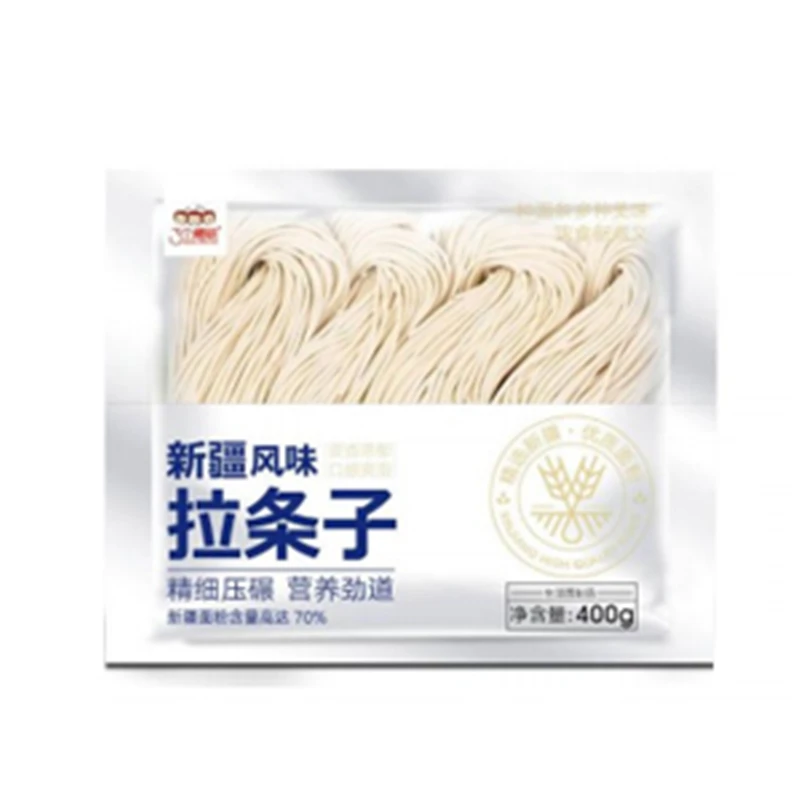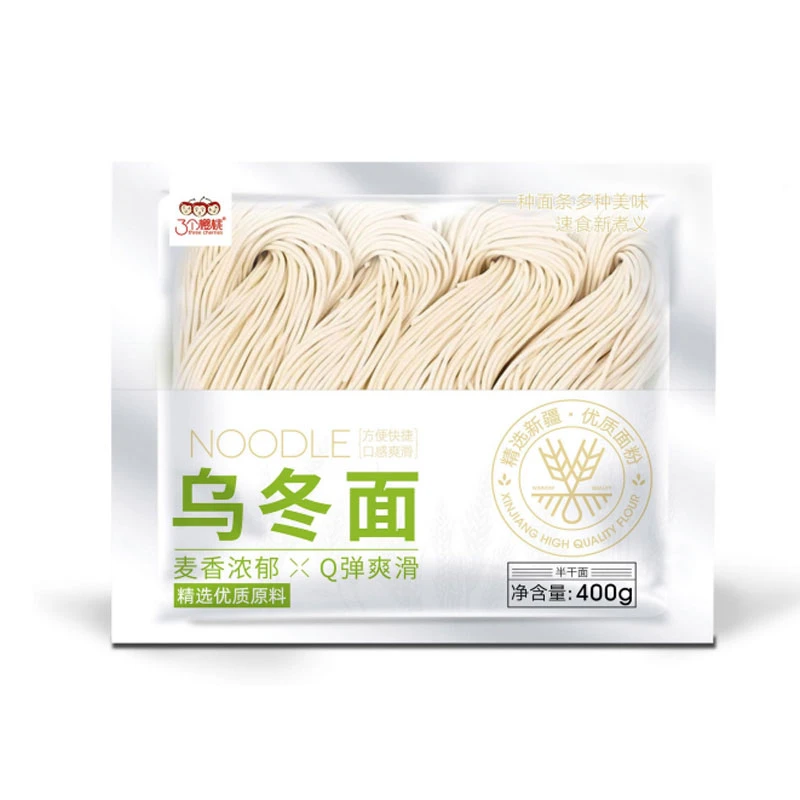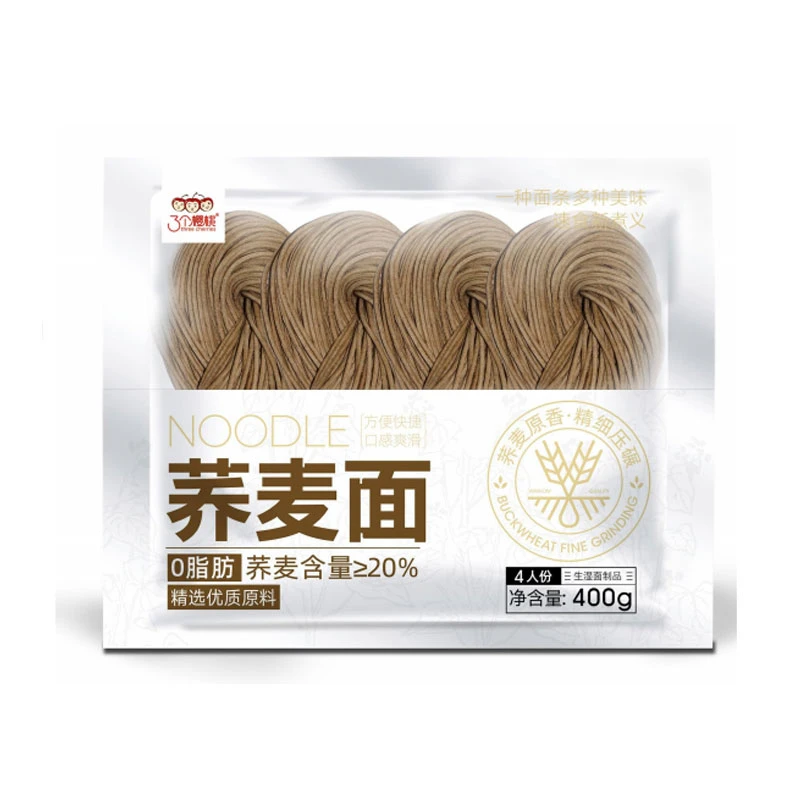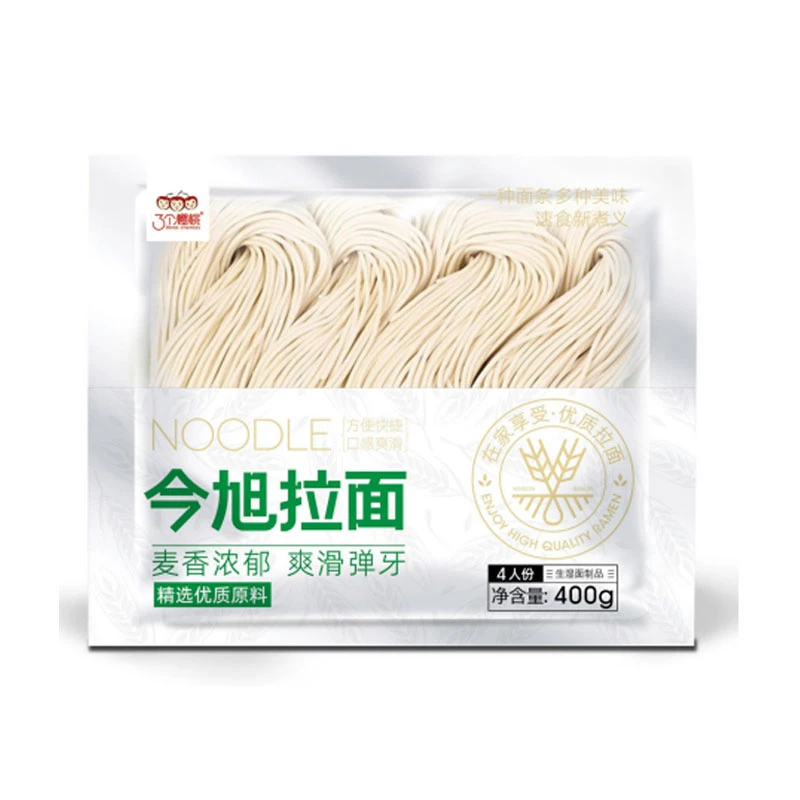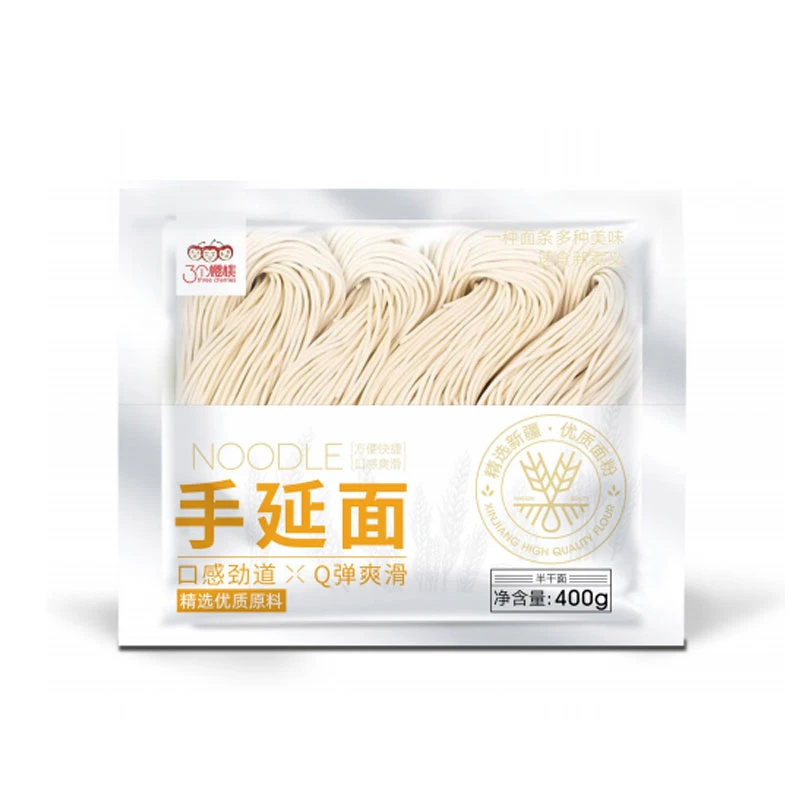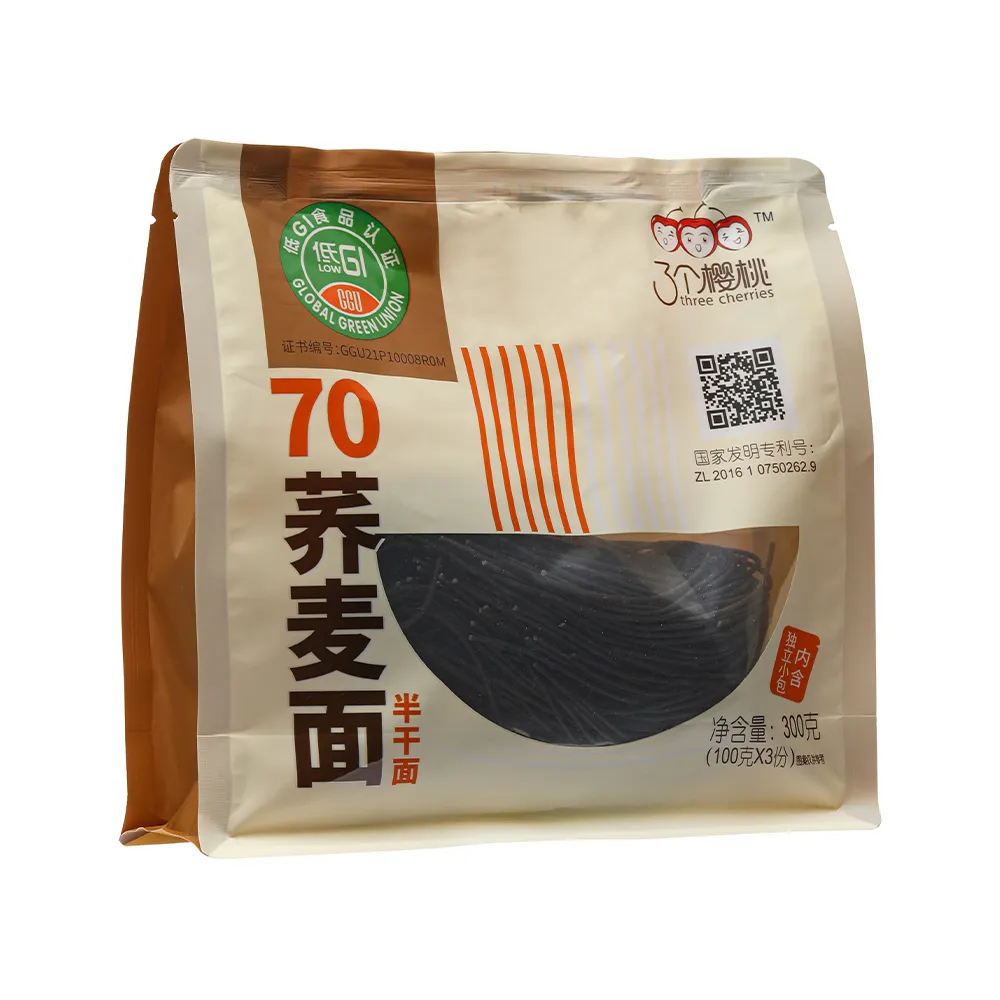

Hand Cut Noodles — Authentic Texture, Fresh & Chewy
Sliced Noodles: The Insider’s Take on Modern Craft
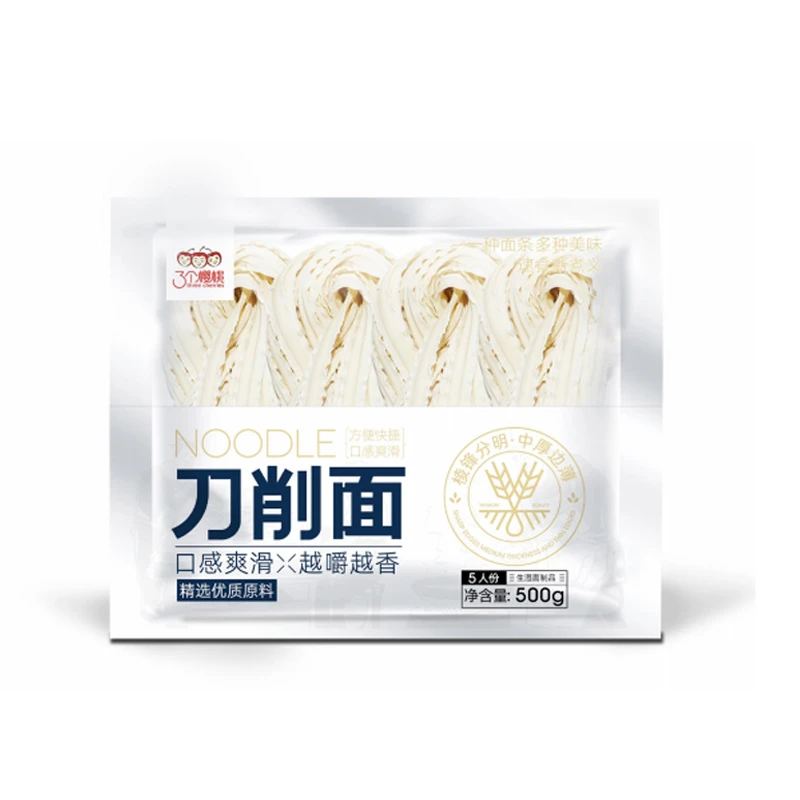
If you’ve been hunting for authentic texture without giving up consistency, start with hand cut noodles done right. I’ve toured more factories and mom-and-pop workshops than I care to admit; this category is quietly booming. The sweet spot today is semi-dry “Sliced Noodles”—a hand-cut style that behaves predictably in pro kitchens yet still feels artisanal in the bowl.
What’s driving the trend
Convenience is obvious, but the real reason chefs switch is textural performance. Semi-dry sheets keep gluten alignment intact, so you get that satisfying chew you’d expect from hand cut noodles—without the variability of daily handwork. To be honest, it also dodges labor bottlenecks. Many customers say they can finally standardize their stir-fry line and soup hold times.
Process flow—how it’s actually made
Materials: high-gluten wheat flour (GB/T 1355-2016 compliant), filtered water, a pinch of edible salt (per GB 2760). Methods: controlled hydration, double-roll lamination, low-temp relaxation, then the signature slicing to mimic hand knife cuts. Drying is gentle (≈35–45°C) to keep protein networks intact. Quality gates include metal detection, moisture checks (GB 5009.3-2016), microbiological screening (GB 4789 series), and labeling compliance (GB 7718-2011). Service life: 4 months at room temp; 8 months refrigerated (0–10°C). Real-world cooked “hold” in soup or sauce is around 15–25 minutes before noticeable softening—depends on broth salinity and temp, of course.
Product specifications (Sliced Noodles)
| Product name | Cut noodles (Sliced Noodles) |
| Pack size | 500 g |
| Origin | Oriental Food City, Longyao County, Xingtai City, Hebei Province |
| Form & cut | Semi-dry sheet, sliced; width ≈ 10–14 mm; thickness ≈ 1.8–2.2 mm |
| Moisture (as packed) | ≤ 14% (GB 5009.3-2016) |
| Cook time | ≈ 6–8 minutes to al dente |
| Cooking loss | ≤ 8% (ISO 7304-1 reference; real-world may vary) |
| Warranty/Shelf life | 4 months room temp; 8 months 0–10°C |
| Storage | Cool, dry place or refrigerated 0–10°C |
Application scenarios
- Wok stations: oil-slicked biang-style stir-fries; intense heat won’t shred the bite.
- Brothy bowls: beef shank soup, mala hotpot add-ins—holds texture nicely.
- Meal kits and retail: predictable portioning; customers appreciate the “handmade” feel.
- Airline and catering: par-cook, chill, and finish on service; surprisingly resilient.
Vendor snapshot (quick comparison)
| Vendor | Certifications | Lead time | MOQ | FOB Price/500 g | Customization |
|---|---|---|---|---|---|
| JX Semi-Dry (Hebei) | ISO 22000, HACCP | 7–15 days | ≈ 500 kg | $0.85–$1.20 | Width, thickness, private label |
| Local Workshop | HACCP (varies) | 3–7 days | ≈ 50 kg | $1.10–$1.60 | Limited; mostly width |
| Generic Import Brand | BRCGS, ISO 22000 | 20–35 days | ≈ 1 ton | $0.75–$1.05 | Artwork + carton spec |
Customization and real-world feedback
Thickness tuning is the secret weapon. A 2.0 mm slice gives that playful chew for hand cut noodles in chili oil; 1.8 mm runs faster for high-turnover lunch lines. One Shanghai meal-kit brand (mid-market, 60k boxes/month) reported a 23% drop in returns after moving to semi-dry slices; a hotpot chain in Chengdu shaved ≈18% off prep time by par-cooking and flash-chilling. Anecdotal? Sure—but the pattern keeps repeating.
Testing, standards, and data points
- Moisture: 12–14% typical (GB 5009.3-2016).
- Plate count and pathogens: within GB 4789 series limits (lot testing).
- Cooking quality: loss ≤ 8%, firmness retained per ISO 7304-1 guidance.
- Labeling and allergens: wheat/gluten labeled per GB 7718-2011; additives per GB 2760.
Bottom line: if you want the soul of hand cut noodles with spec-sheet reliability, semi-dry Sliced Noodles from Hebei’s noodle belt are a smart, scalable pick.
Authoritative citations
- ISO 22000:2018 Food safety management systems.
- ISO 7304-1:2016 Dry pasta — Cooking quality evaluation.
- GB 7718-2011 General rules for the labeling of prepackaged foods (China).
- GB 2760-2014 Standards for use of food additives (China).
- GB 5009.3-2016 Determination of moisture in foods (China).
- GB 4789 series: Food microbiological examination methods (China).
- GB/T 1355-2016 Wheat flour (China).
-
Discover the Authentic Taste of Korean Buckwheat NoodlesNewsApr.16,2026
-
Discover the Refreshing Taste of Authentic Korean Cold SobaNewsApr.09,2026
-
Discover the Refreshing Taste of Korean Cold Buckwheat Noodles NaengmyeonNewsApr.07,2026
-
Discover the Cool and Refreshing World of Korean Buckwheat Noodles ColdNewsApr.04,2026
-
Discover the Refreshing Taste of Japanese Cold Buckwheat Noodles and Zaru SobaNewsMar.31,2026
-
Exploring the Delicious World of Chinese Style Cold NoodlesNewsMar.28,2026
-
Discover the Cool and Refreshing World of Korean Cold Soba NoodlesNewsMar.26,2026
Browse qua the following product new the we