
Buckwheat Noodles for Diabetics: A Nutritious Low-GI Alternative for Better Blood Sugar Control
Buckwheat Noodles for Diabetics: A Global Snapshot and Why It Matters
It might come as a surprise, but buckwheat noodles for diabetics are gaining traction worldwide—not just as a culinary trend, but as an important dietary option for millions managing blood sugar levels. Diabetes is a global health challenge affecting over 537 million adults, according to the International Diabetes Federation (IDF). The need for food products that can support glycemic control without sacrificing taste or convenience has never been higher. Buckwheat noodles, thanks to their nutritional profile, have appeared on the radar as a viable, health-conscious alternative.
Understanding why these noodles matter is about more than just food preferences; it’s about crafting affordable, culturally accepted nutritional solutions in regions hardest hit by diabetes. Plus, with rising health awareness and shifts toward plant-based diets, the buzz around buckwheat noodles is unlikely to fade anytime soon.
The Global Context: How Buckwheat Noodles Fit into Diabetic Nutrition
Diabetes prevalence is uneven but universally rising. The World Bank notes higher rates in low- and middle-income countries, where medical resources can lag behind patient needs. Here, food often forms the frontline defense. Enter buckwheat noodles—a staple in East Asia for centuries but now known for having low glycemic index (GI) values, meaning they cause a slower, steadier blood sugar rise after eating.
The potential here ties to both tradition and science: buckwheat, a pseudo-cereal, is rich in soluble fiber and essential minerals like magnesium and zinc, which play roles in insulin sensitivity. Plus, industry data shows buckwheat noodles can reduce postprandial glucose spikes, a key factor in diabetic control.
The challenge though is accessibility and awareness. While Asia, especially Japan, Korea, and China, incorporates these noodles, awareness is emerging in Western markets and among global diabetic communities.
What Exactly Are Buckwheat Noodles for Diabetics?
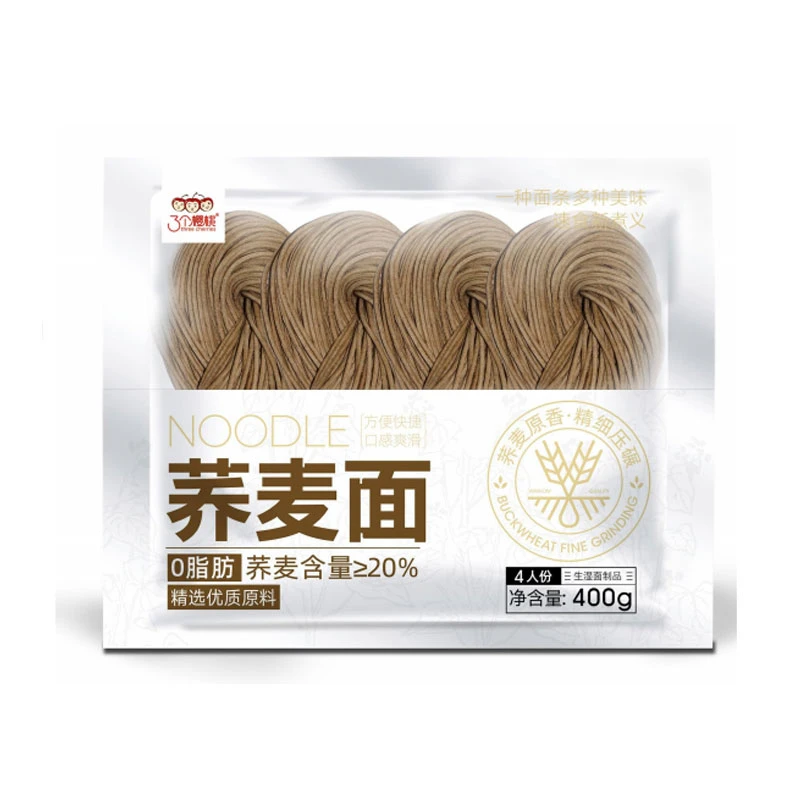
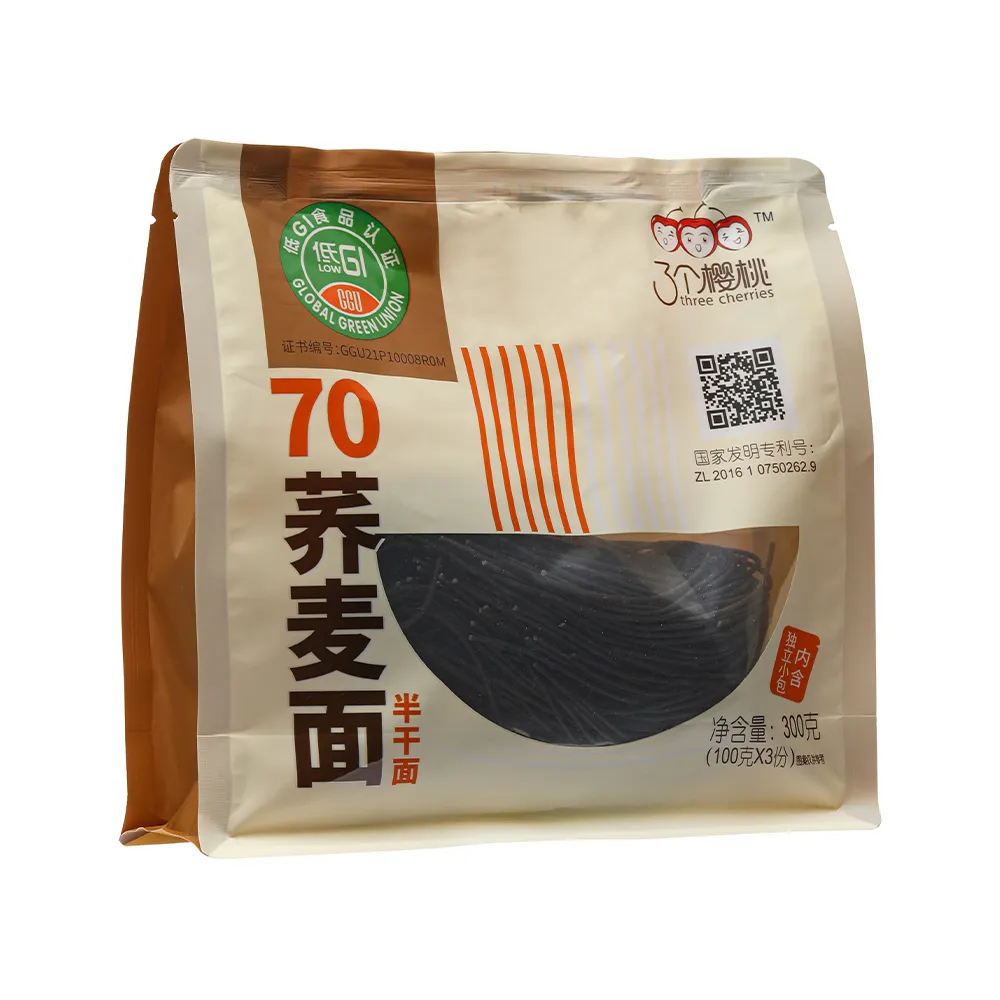
Simply put, buckwheat noodles are noodles made predominantly from buckwheat flour rather than wheat. This distinction is crucial because buckwheat contains complex carbohydrates and bioactive compounds that help regulate blood sugar.
For diabetics, this means these noodles are a safer carb choice versus regular wheat-based pasta or rice noodles, which often cause blood sugar to spike. They fit into a broader category of diabetic-friendly foods that combine taste with low glycemic impact, not to mention offering gluten-free options for those surprised to discover their diabetes coexist with gluten sensitivity.
Core Components that Make Buckwheat Noodles Ideal for Diabetics
1. Low Glycemic Index (GI)
Buckwheat noodles score low on the GI scale—roughly 45-55 compared to standard wheat noodles at around 65-75. This means they provide a gentler glucose release into the bloodstream, which helps avoid the dangerous blood sugar rollercoaster that diabetics dread.
2. Rich in Fiber
The soluble fiber content in buckwheat slows digestion and nutrient absorption, contributing to better blood sugar management. Fiber is also great for gut health, which is increasingly recognized as linked to diabetes and overall metabolic control.
3. Source of Essential Nutrients
Buckwheat is packed with magnesium, zinc, and antioxidants like rutin, which not only support insulin function but reduce inflammation, a rooting issue in diabetic complications.
4. Gluten-Free Option
While pure buckwheat noodles are naturally gluten-free, blends may contain varying wheat percentages. Still, they offer a much-needed alternative to wheat noodles, particularly important for diabetics who battle celiac disease or gluten intolerance side by side.
5. Taste and Culinary Versatility
One might think such functional food sacrifices flavor—but buckwheat noodles have a distinctive earthy, nutty taste that adds depth to many recipes, from traditional Asian broths to freshly tossed salads.
Current Global Use Cases: Where and How Buckwheat Noodles Are Making a Difference
- East Asia: In Japan and Korea, soba and memil guksu noodles are staples, consumed regularly as part of balanced diets. Here, diabetic nutritional education includes promoting these foods.
- Diabetic-focused Meal Programs: In hospitals and community centers in urban China and Singapore, buckwheat noodles often appear in menus tailored for diabetic patients.
- Health Food Markets in the West: Specialty grocers in the US and Europe stock buckwheat noodles to meet demand from diabetic consumers, gluten-free eaters, and holistic diets.
- Humanitarian Nutrition: Non-profits targeting diabetes prevention in India and Southeast Asia sometimes distribute buckwheat products as affordable, shelf-stable food offerings.
Product Specifications of Typical Buckwheat Noodles for Diabetics
| Specification | Description |
|---|---|
| Main Ingredient | 70–100% buckwheat flour (varies by brand) |
| Glycemic Index | 45–55 (low to medium range) |
| Fiber Content | 5–8 g per 100 g serving |
| Gluten Content | Gluten-free if 100% buckwheat; otherwise trace gluten from wheat blends |
| Shelf Life | 6–12 months (dry noodles, stored properly) |
How Different Vendors Stack Up: Comparing Buckwheat Noodles for Diabetics
| Brand | Buckwheat % | Gluten-Free | GI Value | Price Range (per 500g) | Available Regions |
|---|---|---|---|---|---|
| SobaPure | 100% | Yes | 45 | $6 - $8 | Japan, US, EU |
| HealthyGrain | 70% | No | 55 | $4 - $6 | Asia, US |
| BuckNaturals | 85% | Partial (depends on batch) | 50 | $5 - $7 | Europe, India |
Advantages and Long-Term Value of Buckwheat Noodles for Diabetics
Choosing buckwheat noodles isn’t just a small dietary tweak; it’s a lifestyle choice with meaningful long-term payoffs.
- Cost-efficiency: Though sometimes pricier than wheat noodles, buckwheat noodles offer value by potentially reducing diabetes-related health complications through better glycemic control.
- Sustainability: Buckwheat crops need fewer pesticides and thrive in poorer soils, meaning their production is often more eco-friendly than wheat.
- Social Impact: Access to culturally familiar, diabetic-friendly foods helps maintain dignity and quality of life for patients while encouraging healthier eating habits.
- Reliability: With proper storage, buckwheat noodles are shelf-stable, transport-friendly, and fit well into distributed food aid or retail environments.
Emotionally, there’s comfort in knowing you can enjoy a beloved staple—noodles—without guilt or risk. Logically, it’s a smart way of managing chronic illness embedded in one of the world’s most common diets.
Future Trends & Innovations on the Horizon
Looking ahead, several interesting developments could expand the role of buckwheat noodles for diabetics:
- Fortification: Adding micronutrients or fiber enhancers could boost their diabetic benefits even further.
- Automation in Production: New machinery allows consistent, high-buckwheat-content noodles at industrial scale, cutting costs.
- Personalized Nutrition: Combining nutritional data and AI, companies may soon offer buckwheat noodles tailored to individual blood sugar patterns.
- Sustainability Certifications: Climate-friendly supply chains and organic cultivation will appeal to eco-conscious consumers increasingly.
Challenges & Solutions in Adopting Buckwheat Noodles
Despite their appeal, buckwheat noodles face hurdles:
- Taste Acceptance: Some consumers find their earthy flavor unusual at first. Solution? Culinary education and recipe innovation help.
- Supply Chain Variability: Buckwheat harvests can be affected by climate variability, affecting availability and price. Developing resilient agricultural methods helps mitigate this.
- Gluten Cross-Contamination: For strict gluten-free needs, this remains tricky. Dedicated production lines and certifications solve that.
So, while there’s room to grow, the health and market potential are pushing the landscape forward.
FAQs: Your Top Questions About Buckwheat Noodles for Diabetics
Q1: Are buckwheat noodles safe for all diabetics?
A1: Generally, yes. Buckwheat noodles have low glycemic impact and nutrient benefits. However, diabetics with allergies or intolerances should check ingredient profiles carefully, especially for gluten content.
Q2: How do buckwheat noodles compare nutritionally to regular pasta?
A2: Buckwheat noodles usually have higher fiber, a lower glycemic index, and more minerals like magnesium than standard wheat pasta, making them preferable for blood sugar control.
Q3: Can buckwheat noodles be part of a weight management plan?
A3: Absolutely. Their fiber and slower digestion help with satiety and blood sugar stabilization, both key for weight management in diabetic patients.
Q4: Where can I buy authentic buckwheat noodles?
A4: Specialty health food stores, Asian markets, and online retailers—like the offerings at buckwheat noodles for diabetics—offer high-quality options globally.
Q5: How do I cook buckwheat noodles for the best texture?
A5: They require shorter cooking times than wheat pasta to avoid mushiness. Rinsing with cold water post-cooking also helps maintain a firm, pleasant bite.
Wrapping It Up: Why Buckwheat Noodles for Diabetics Are Worth a Spot at Your Table
In real terms, buckwheat noodles bring together tradition, science, and modern health needs in a tasty, practical package. They offer diabetics a reliable, enriched alternative to standard carbs, carrying benefits underserved by many staple foods.
With rising innovation, better supply chains, and growing awareness worldwide, these noodles aren’t just a regional delicacy but a smart choice for anyone mindful of sugar health.
Curious to learn more or ready to make the switch? Visit our website: buckwheat noodles for diabetics and explore products crafted with your needs in mind.
References
-
Discover the Authentic Taste of Korean Buckwheat NoodlesNewsApr.16,2026
-
Discover the Refreshing Taste of Authentic Korean Cold SobaNewsApr.09,2026
-
Discover the Refreshing Taste of Korean Cold Buckwheat Noodles NaengmyeonNewsApr.07,2026
-
Discover the Cool and Refreshing World of Korean Buckwheat Noodles ColdNewsApr.04,2026
-
Discover the Refreshing Taste of Japanese Cold Buckwheat Noodles and Zaru SobaNewsMar.31,2026
-
Exploring the Delicious World of Chinese Style Cold NoodlesNewsMar.28,2026
-
Discover the Cool and Refreshing World of Korean Cold Soba NoodlesNewsMar.26,2026
Browse qua the following product new the we