
How to Master Cooking Buckwheat Noodles: Tips, Uses, and Benefits
Cooking Buckwheat Noodles: A Global Flavor and Nutritional Staple
When it comes to traditional foods linking cultures and health, cooking buckwheat noodles stands out as one surprisingly resilient and beneficial practice. Far beyond the bowl, these noodles offer a rich story—nutrition, culinary art, and economic impact—that resonates worldwide. Given the recent surge in demand for gluten-free and nutrient-rich foods, understanding buckwheat noodles isn’t just a niche interest; it’s a global conversation about better food choices and sustainable agriculture.
Why Buckwheat Matters Globally
Buckwheat is ancient, yet it’s growing in importance — the Food and Agriculture Organization (FAO) cites buckwheat as a key crop for food security in various parts of Asia and Eastern Europe. Around 30 million tonnes have been produced globally in recent years (FAO), which may sound modest compared to wheat or rice, but the crop’s rapid adaptability to poor soil and short growing cycles is impressive. In terms of public health, buckwheat noodles deliver more antioxidants and balanced amino acids than many common alternatives, appealing to consumers focused on wholesome diets.
However, the challenge — especially for producers and home cooks — lies in mastering the perfect technique of cooking buckwheat noodles. Its unique texture and cooking properties mean it behaves differently than wheat noodles, triggering curiosity and often frustration. This intrinsic complexity is where knowledge really pays off.
What Are Buckwheat Noodles — Simply Explained
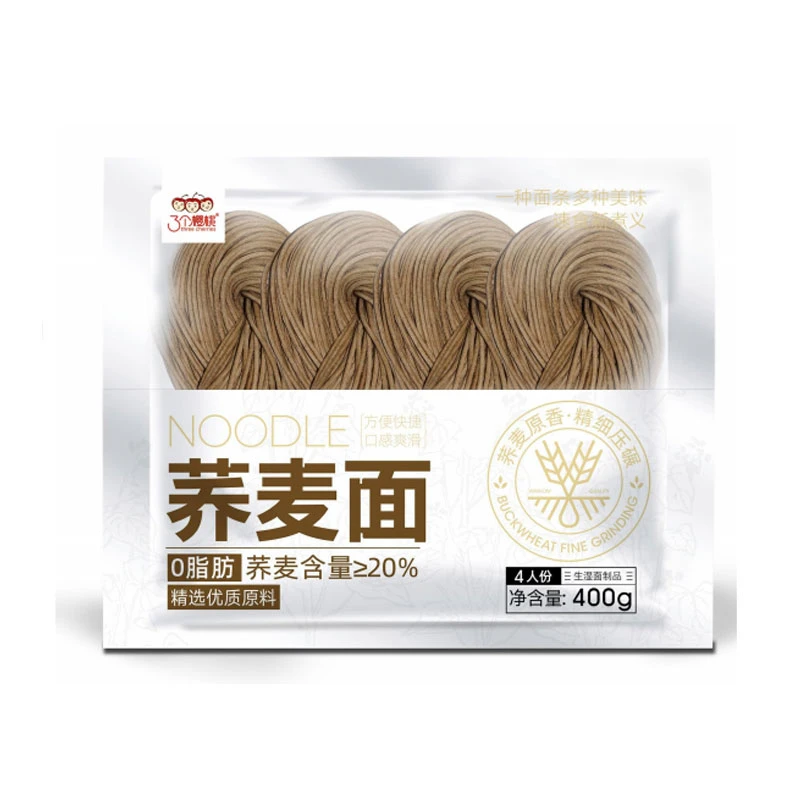
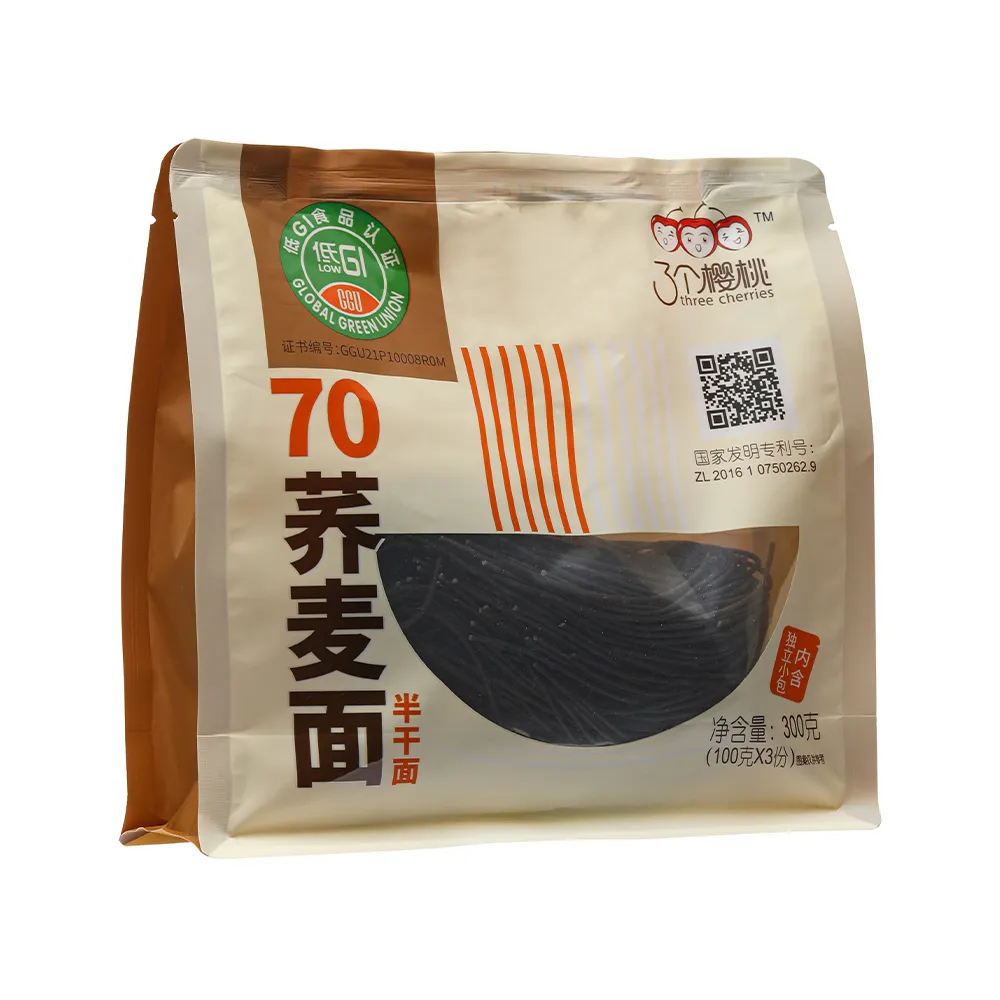
Buckwheat noodles, often called soba in Japan and similarly named in Korea (naengmyeon variants) or China, consist predominantly of buckwheat flour mixed with water (and sometimes wheat flour). They are thin, slightly nutty-flavored noodles that cook quickly and have a chewy, slightly grainy texture. Unlike traditional wheat pasta, these noodles bring a gluten-free (or low-gluten) option with considerable health benefits.
In modern industry and humanitarian contexts, they represent affordable, nutritious food options suitable for large-scale meal programs and disaster relief. Buckwheat’s hardiness makes it viable in harsh climates and economically challenged regions, offering a sustainable food source.
Core Elements in Cooking Buckwheat Noodles Successfully
1. Water Quality and Temperature
One subtle but vital aspect many overlook is the water used. Since buckwheat noodles lack the gluten “glue” of wheat pasta, they can fall apart if boiled too aggressively or with hard water. Most experts suggest bringing water to a rolling boil and then maintaining a gentle boil to keep the noodles intact and perfectly chewy.
2. Cooking Time Precision
Cooking buckwheat noodles is a race against the clock. Typically, they’re done in 3–5 minutes. Overcooking leads to mush, and undercooking leaves a tough bite. An attentive eye and a timer are essential—it's not something you can just toss in and forget.
3. Rinsing and Cooling
Post-cook rinsing under cold water is almost mandatory. This step stops the cooking process immediately and removes excess starch, which helps avoid stickiness and clumping, especially important for salads or chilled dishes.
4. Flour Composition
Many buckwheat noodles on the market blend some wheat flour into the mix, often 20% to 30%, to improve elasticity. Pure buckwheat noodles (100%) are more delicate but prized for full flavor and gluten-free purity. This influences cooking technique — noodles with more wheat are slightly more forgiving.
Takeaway:
- Quality water and tight cooking control are trickier but essential parts of making sure buckwheat noodles come out right.
- The flour blend shifts texture and cooking timelines, so tailor your method accordingly.
Real-World Places and People Who Rely on Cooking Buckwheat Noodles
While Japan is the most famous origin of soba, buckwheat noodles are integral across East Asia and parts of Eastern Europe, such as Russia and Ukraine.
In Japan, soba is served year-round but has cultural significance at New Year’s. In Korea, cold buckwheat noodle dishes help beat the summer heat. Farther west, Ukrainian households use buckwheat noodles in hearty, rustic recipes, tying to local agricultural practices.
On a larger scale, organizations involved in disaster relief in mountainous regions (think Nepal or Tibet) favor buckwheat noodles for their portability and nutrition. NGOs often incorporate them into rations because they require minimal cooking time and provide a dense nutrient profile to families recovering from disasters or displacement.
Example Use Case:
After the 2015 Nepal earthquake, relief groups distributed buckwheat noodles to remote villages; their quick cook time and storage stability made them perfect. This shows how traditional foods can merge with humanitarian efforts smartly.
Comparing Popular Buckwheat Noodle Brands: Quality and Composition
| Brand | Formulation | Cooking Time (min) | Gluten Content | Typical Use |
|---|---|---|---|---|
| Yamaki Soba | 80% buckwheat, 20% wheat | 4 | Low | Hot soups, chilled salads |
| Shirakiku 100% Buckwheat | 100% buckwheat | 3 | Gluten-free | Gluten-free recipes |
| Cheer Buckwheat Noodles | 50% buckwheat, 50% wheat | 5 | Moderate | Stir-fry, soups |
Advantages of Incorporating Cooking Buckwheat Noodles Into Your Diet
- Nutrition-packed: High in fiber, magnesium, and essential amino acids.
- Gluten sensitivity friendly: Many buckwheat noodles cater to gluten-free diets.
- Sustainability: Buckwheat grows with fewer pesticides and less water than wheat, supporting eco-friendly agriculture.
- Cultural richness: Eating buckwheat noodles connects you to thousands of years of culinary tradition.
Personally, I find there’s something comforting in their nutty flavor. They bring a kind of earthy warmth that you just don’t get from regular pasta. For many, buckwheat noodles are more than a meal: they are a connection to land, health, and heritage.
Future Trends in Buckwheat Noodle Production and Consumption
Innovation is underway in multiple directions. Some companies are experimenting with organic, heirloom buckwheat varieties to enhance antioxidant content. Automation in noodle cutting and drying processes reduces manual labor, boosting uniformity and shelf life.
Environmental sustainability drives new packaging designs — biodegradable and smart packaging that tracks freshness. Digital platforms are also educating consumers on cooking buckwheat noodles properly, helping reduce waste and improve taste results.
With increasing global emphasis on plant-based proteins, buckwheat noodles could even see a surge in popularity as part of vegetarian and vegan meal kits.
Common Challenges and How to Beat Them
One frequent frustration is noodle breakage during cooking — a challenge due to buckwheat’s low gluten content. To address this, blending dough with a small percentage of wheat flour helps, but that may not satisfy gluten-free needs.
Another issue is inconsistent cooking times due to variety in noodle thickness. The solution? Follow brand-specific recommendations carefully, and consider batch testing if cooking in bulk.
Storage can also be tricky — buckwheat flour and noodles can absorb moisture easily. Airtight containers and cool, dry rooms help maintain freshness.
Last but not least, some users mention a slight bitterness in pure buckwheat noodles. Quick blanching or pairing with sweeter sauces often balances that flavor.
Frequently Asked Questions About Cooking Buckwheat Noodles
- Q: How long should I cook pure buckwheat noodles?
A: Generally, 3 to 4 minutes in boiling water is enough. They cook quickly, so keep an eye out to avoid mushiness. - Q: Are buckwheat noodles suitable for gluten-free diets?
A: 100% buckwheat noodles are naturally gluten-free, but be sure to check labels as many mixes include wheat for texture. - Q: Can I reuse cooking water from buckwheat noodles?
A: It’s not recommended as residual starch and proteins cloud the water and may alter taste in future cooking. - Q: What’s the best way to store uncooked buckwheat noodles?
A: Store in airtight containers away from humidity, ideally in a cool, dark pantry to prolong shelf life.
The Takeaway: Sustaining Tradition and Taste
To sum it up, cooking buckwheat noodles may require a bit more attention than your average pasta, but the payoff is a nutritious, culturally rich, and sustainable meal. Their global reach—from Asian home kitchens to humanitarian food supplies—underscores their versatility and value.
Interested in diving deeper? For a hands-on, detailed guide to cooking buckwheat noodles just right every time, visit our site at cooking buckwheat noodles and explore recipes, tips, and videos.
Product Specification Snapshot
| Characteristic | Typical Value |
|---|---|
| Buckwheat content | 80–100% |
| Cooking time | 3–5 minutes |
| Typical moisture content (dry noodles) | 12% |
| Shelf life | 12 months (dry) |
| Gluten (if blended) | 0–30% |
Roughly, cooking buckwheat noodles blends centuries-old tradition with modern nutritional demands, presenting an interesting case in food sustainability and culinary heritage. It feels like the perfect food for these times — familiar yet innovative.
References
-
Discover the Authentic Taste of Korean Buckwheat NoodlesNewsApr.16,2026
-
Discover the Refreshing Taste of Authentic Korean Cold SobaNewsApr.09,2026
-
Discover the Refreshing Taste of Korean Cold Buckwheat Noodles NaengmyeonNewsApr.07,2026
-
Discover the Cool and Refreshing World of Korean Buckwheat Noodles ColdNewsApr.04,2026
-
Discover the Refreshing Taste of Japanese Cold Buckwheat Noodles and Zaru SobaNewsMar.31,2026
-
Exploring the Delicious World of Chinese Style Cold NoodlesNewsMar.28,2026
-
Discover the Cool and Refreshing World of Korean Cold Soba NoodlesNewsMar.26,2026
Browse qua the following product new the we