
Discover Instant Soba Noodles: Fast, Nutritious & Global Favorite
The Instant Appeal of Soba Noodles: Why It Matters Worldwide
Across kitchens globally, soba noodles instant have quietly become a hero—especially when time is scarce or convenience is king. These buckwheat-based noodles, traditionally a staple of Japanese cuisine, now feature in quick meals everywhere from urban Tokyo apartments to New York college dorms. Why care? Because in an age where fast, healthy, and nutritious meals matter more than ever, instant soba noodles fit the bill perfectly. They offer a unique combination of flavor, ease, and nutritional value. Plus, understanding the rise of these instant noodles can tell us a lot about global food trends, supply chains, and even sustainable eating habits.
Setting the Table: Global Context of Instant Soba Noodles
Soba noodles are more than just a casual snack. According to the Food and Agriculture Organization (FAO), buckwheat, the core ingredient, is gaining traction globally due to its gluten-free profile and high nutritional value, including balanced protein and fiber. Instant versions — think quick-cooking and easy prep — respond to a growing demand for fast yet wholesome foods.
Here’s the catch: busy lifestyles, urbanization, and even humanitarian needs (think disaster zones) pushed innovation toward snackable, shelf-stable meals. Several studies from the World Bank highlight how food innovation helps reduce malnutrition in densely populated regions with limited fresh produce availability. Instant soba noodles neatly fit into this narrative by offering a nutritious, long-lasting convenience food.
That said, a key challenge is maintaining authentic texture and flavor while making these noodles instant-ready. The engineering behind soba noodles instant is arguably more demanding than for typical wheat noodles.
Understanding Soba Noodles Instant
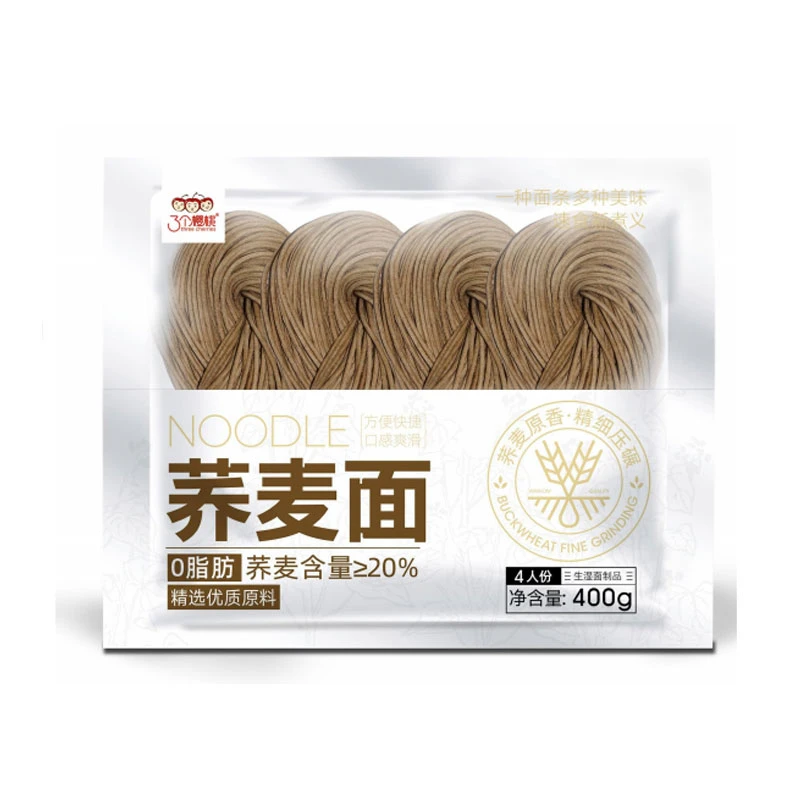
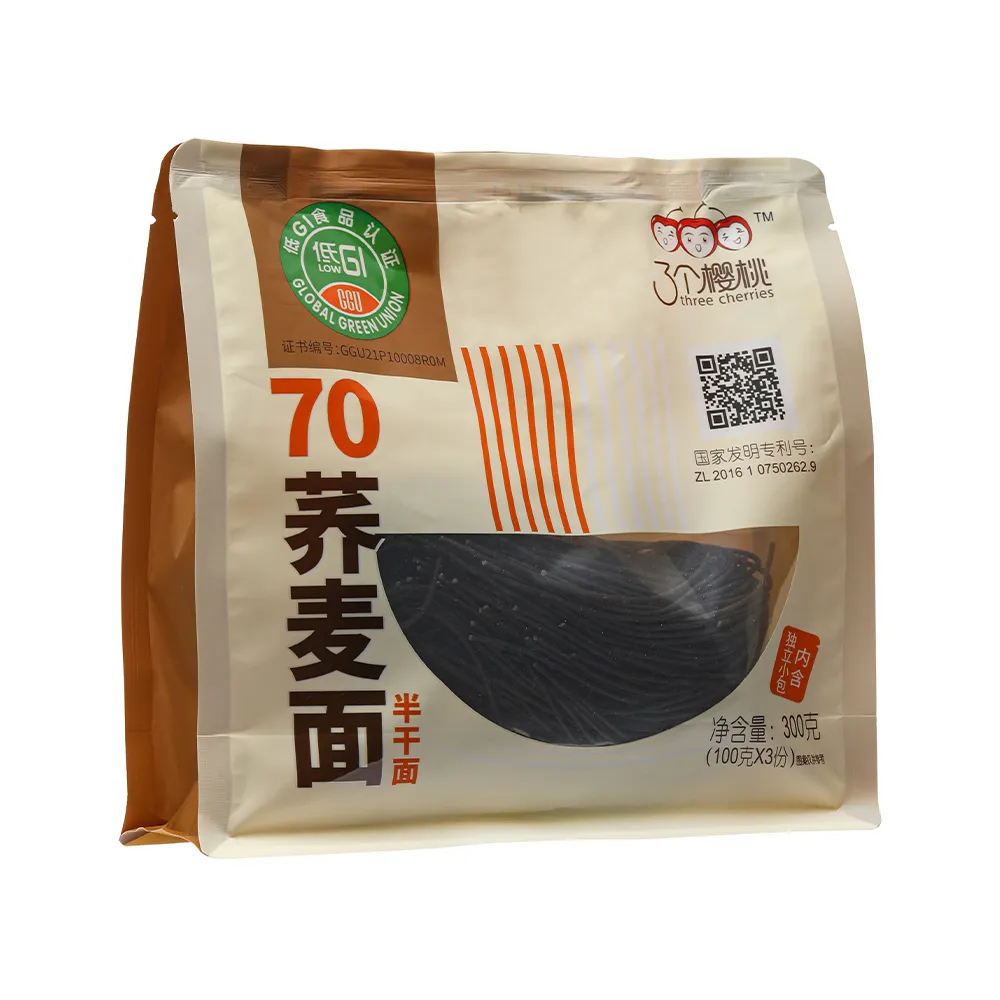
So, what exactly are soba noodles instant? Simply put, these are traditional buckwheat noodles pre-cooked, dried, and packaged so they can be prepared rapidly — typically by adding hot water or quick boiling. Instant soba noodles retain the distinctive nutty flavor and chewy texture of regular soba but shave off the lengthy preparation time.
From an industrial perspective, instantization entails specialized drying methods and packaging to maintain shelf life without preservatives, catering to convenience stores, humanitarian aid kits, and busy households alike.
Why They Matter in Industry & Aid
Instant soba noodles are not just a culinary curiosity. They also respond to needs in fast food production, supply chain efficiencies, and emergency nutrition. Humanitarian organizations, for instance, appreciate the compact size, ease of preparation, and nutrition that instant soba can bring to food-insecure regions.
Core Components That Define Quality and Success
1. Ingredient Quality and Composition
The ratio of buckwheat to wheat flour impacts taste, texture, and cooking time. A true soba noodle usually contains 80–100% buckwheat, but most instant variants blend in wheat for better dough elasticity. The trick is balancing flavor with manufacturability.
2. Drying & Preservation Technology
Instant soba noodles rely on advanced drying processes—like air drying or flash dehydration—to extend shelf life up to 12 months without artificial additives. This step must carefully avoid cracking or brittleness, which affects cooking performance.
3. Packaging Innovations
Vacuum-sealed, single-serve packets with moisture barriers ensure portability and freshness. Some brands incorporate eco-friendly materials, aligning with emerging sustainability standards (ISO 22000).
4. Cooking Speed & User Convenience
Instant soba's hallmark is rapid preparation, often under 5 minutes, just by soaking or briefly boiling. This convenience is key for on-the-go consumers and disaster relief scenarios alike.
5. Nutritional Profile
Compared to other instant noodles, soba offers higher protein and fiber, lower fat, and is generally gluten-free (depending on blends). This makes it attractive to health-conscious eaters worldwide.
Global Applications & Real-World Use Cases
Instant soba noodles have popped up in some unlikely places:
- Post-Disaster Relief: NGOs use them in emergency food kits due to their portability, quick prep, and nutritional benefits.
- Urban Convenience: Cafés and convenience stores in Asia and increasingly Europe are stocking instant soba for busy office workers.
- Outdoor Recreation: Backpackers appreciate the light weight and minimum water requirement, compared to traditional pasta.
- Healthcare Settings: Patient meals benefit from the low allergen and easy digestibility of soba noodles instant.
Regions like Southeast Asia, Japan, and parts of North America show rapid adoption due to cultural ties and demand for gluten-friendly options.
Advantages & Long-Term Value of Instant Soba Noodles
Let’s be honest — instant noodles often get a bad rap. But soba noodles instant challenge that stereotype through:
- Cost Efficiency: Affordable ingredients and shelf stability reduce waste and storage costs.
- Sustainability: Buckwheat is a hardy crop requiring less pesticide and water than wheat, which appeals to greener food sourcing.
- Health Impact: Nutrient-dense, low-fat, and rich in antioxidants, instant soba supports modern dietary needs.
- Emotional Value: Eating soba links people to cultural traditions, comfort, and a pause in busy lives.
- Reliability: Available year-round without spoilage worries, it enhances food security.
Product Specification Table: A Snapshot of Popular Instant Soba
| Feature | Typical Values | Notes |
|---|---|---|
| Buckwheat Content | 70–90% | Higher = richer flavor, less gluten |
| Drying Method | Air drying / Flash drying | Impacts shelf life and texture |
| Shelf Life | 9–12 months | Stored at room temperature |
| Cooking Time | 2–5 minutes | Fast soak or brief boil |
| Packaging | Vacuum sealed, single serve | Ensures freshness and portability |
Comparing Leading Instant Soba Vendors
Choosing the right supplier can be tricky. Here’s a quick overview of key players in this space:
| Vendor | Buckwheat Ratio | Product Range | Price Range | Sustainability Initiatives |
|---|---|---|---|---|
| SobaQuick Inc. | 85% | Instant noodles, cups, soups | $$ | Biodegradable packaging |
| Buckwheat Foods Ltd. | 90% | Dry noodles, instant kits | $$$ | Organic buckwheat sourcing |
| NoodleFast Enterprises | 75% | Wide instant noodle range | $ | Energy-efficient production |
Looking Ahead: Future Trends & Innovations in Instant Soba
The soba noodle industry isn’t standing still. Increasingly, manufacturers are exploring:
- Sustainable Buckwheat Farming: Using precision agriculture to reduce water and pesticide use.
- Green Packaging: Compostable wraps and plastic alternatives gaining traction.
- Digital Transformation: AI-driven production lines optimizing drying and quality control.
- Flavor Innovations: Incorporating local flavors worldwide, reflecting global fusion trends.
These innovations promise both tastier and more eco-friendly instant soba noodles, meeting a savvy consumer's needs.
Challenges & How Industry Insiders Tackle Them
No product line is perfect. Instant soba noodles face:
- Texture Loss: Sometimes instantizing reduces the chewy “bite” that soba lovers expect. Manufacturers are experimenting with blending processes and drying speeds to improve this.
- Packaging Waste: Single-serving packs generate more waste, addressed by biodegradable materials.
- Supply Chain Variability: Buckwheat harvests can fluctuate in quality year to year, prompting innovations in storage and sourcing contracts.
Industry experts believe that cross-sector collaboration—between farmers, manufacturers, and sustainability groups—is key to these challenges.
FAQ: Quick Answers About Soba Noodles Instant
Q1: How fast can I prepare instant soba noodles?
A: Typically, they cook within 2 to 5 minutes by soaking in hot water or briefly boiling. That speed makes them versatile for quick meals or emergency food kits.
Q2: Are instant soba noodles a healthy alternative?
A: Yes. Compared to many wheat-based instant options, soba noodles generally have higher protein, more fiber, and are lower in fat. However, check ingredient lists for added sodium or flavor packets.
Q3: Can instant soba noodles be stored long-term?
A: Absolutely. With proper packaging and storage at room temperature, they last roughly 9 to 12 months without degradation, ideal for stockpiling or humanitarian use.
Q4: Are these noodles gluten-free?
A: Pure buckwheat soba is gluten-free, but most instant variants blend wheat flour for texture. Look for certified gluten-free labels if you have sensitivities.
Q5: How do companies ensure instant soba noodles retain authentic flavor?
A: It's a balancing act involving ingredient ratios, drying technique, and packaging freshness. Many producers also continuously refine recipes based on customer feedback.
Final Thoughts: Why Soba Noodles Instant Could Be Your Next Pantry Staple
Instant soba noodles blend convenience with nutrition and tradition, delivering a quick taste of Japan with every bowl. They’re not just food; they’re part of a bigger global push toward smarter eating, sustainability, and food security. Whether you’re stocking your pantry for busy days, outfitting emergency supplies, or innovating in foodservice, instant soba fits the bill—and the flavor profile surprisingly well.
Curious to learn more or see products? Visit our website for detailed options and offers.
References
-
Discover the Authentic Taste of Korean Buckwheat NoodlesNewsApr.16,2026
-
Discover the Refreshing Taste of Authentic Korean Cold SobaNewsApr.09,2026
-
Discover the Refreshing Taste of Korean Cold Buckwheat Noodles NaengmyeonNewsApr.07,2026
-
Discover the Cool and Refreshing World of Korean Buckwheat Noodles ColdNewsApr.04,2026
-
Discover the Refreshing Taste of Japanese Cold Buckwheat Noodles and Zaru SobaNewsMar.31,2026
-
Exploring the Delicious World of Chinese Style Cold NoodlesNewsMar.28,2026
-
Discover the Cool and Refreshing World of Korean Cold Soba NoodlesNewsMar.26,2026
Browse qua the following product new the we