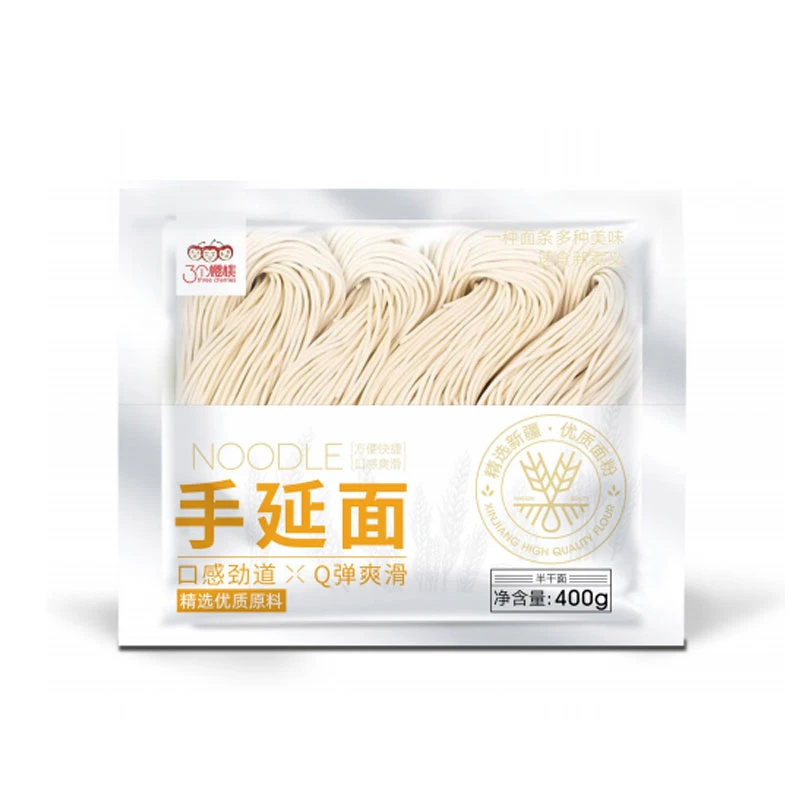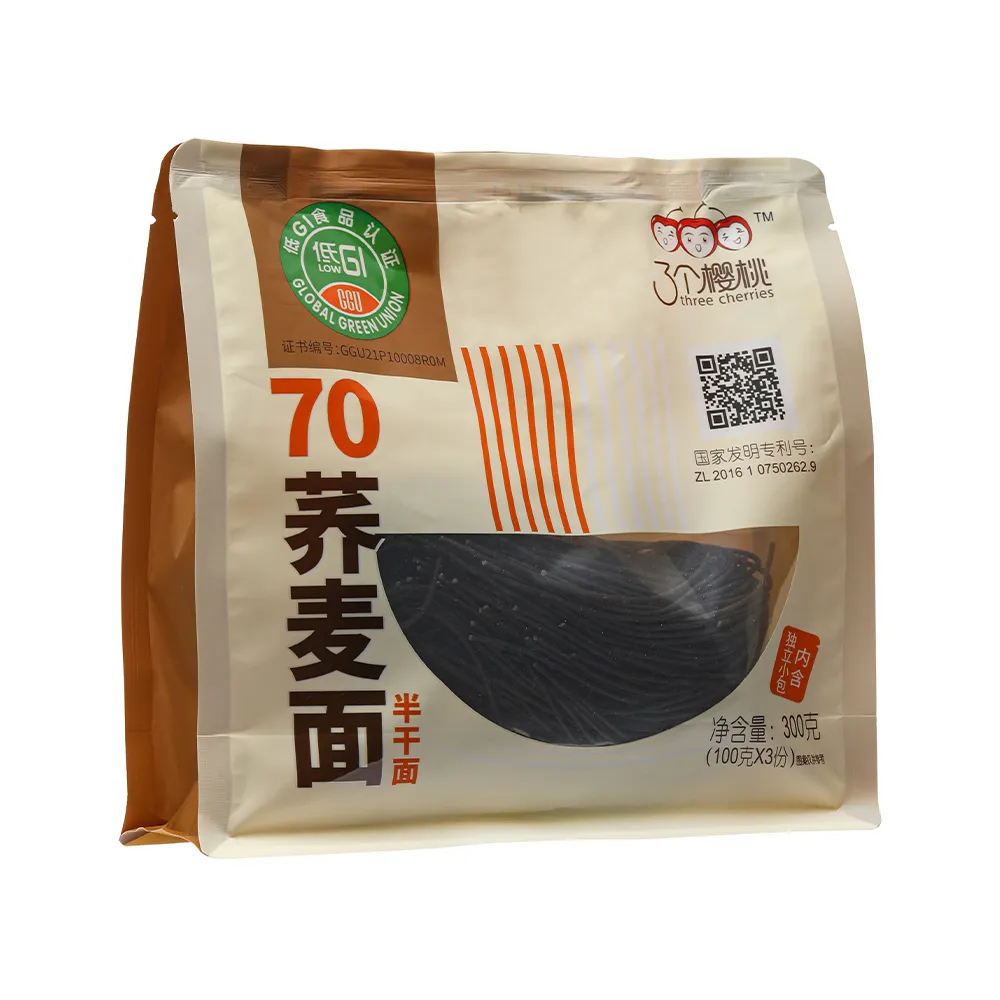

Asian Whole Wheat Noodles: Nutrition, Global Applications & Future Trends
Asian Whole Wheat Noodles: A Global Staple with Growing Importance
When you think about Asian whole wheat noodles, it’s tempting to just imagine a steaming bowl of soba or hand-pulled noodles on a street corner somewhere in East Asia. But frankly, these noodles represent so much more than just a tasty meal. Across the globe, the rise of asian whole wheat noodles speaks to larger trends in nutrition, agriculture, and food sustainability. Understanding their significance unlocks insights not only into culinary heritage but also global health initiatives and food security strategies.
Why Asian Whole Wheat Noodles Matter Globally
Whole wheat is a nutritional powerhouse—rich in fiber, vitamins, and minerals—and has been increasingly promoted by food organizations worldwide for healthier diets. According to the Food and Agriculture Organization of the United Nations (FAO), whole grains like wheat can help reduce incidences of cardiovascular diseases and obesity, which remain daunting challenges globally. Asian whole wheat noodles are a particularly interesting vehicle for these benefits. Their production and consumption have grown in places ranging from Japan and China to South Korea, and now even North America and Europe, driven by consumer demand for healthier, traditional, and culturally connected food options.
But let’s not overlook the challenges. The shift from refined wheat noodles to whole wheat types faces hurdles — consumer preferences often favor the lighter, softer textures of traditional noodles, and manufacturers wrestle with maintaining texture and taste. Plus, costs can fluctuate with whole wheat’s agricultural demands.
What Exactly Are Asian Whole Wheat Noodles?
Simply put, asian whole wheat noodles are noodles made using flour that retains the whole wheat kernel, including bran, germ, and endosperm, unlike refined flours that remove bran and germ. They come in various regional forms — soba (buckwheat blend) in Japan, mian in China, and others — but consistently carry a richer nutritional profile.
In today’s modern food industry, these noodles link tradition with innovation, meeting rising consumer interest in healthier, sustainable options while also addressing humanitarian concerns around malnutrition and food security. Nutritionists and NGOs alike often recommend whole grain products including these noodles for school lunch reforms and emergency food aid due to their fiber and micronutrient content.
Key Factors That Define Asian Whole Wheat Noodles
1. Nutritional Density
Containing more fiber and micronutrients like B vitamins and iron, whole wheat noodles offer tangible health advantages over refined variants. This helps reduce chronic disease risk, all while supporting digestion.
2. Texture and Taste
Oddly enough, whole wheat noodles tend to be denser with a nuttier flavor. This can take some getting used to. Manufacturers often combine whole wheat flour with other grains or enzymes to get the desired chewiness that consumers expect.
3. Production Scalability
The shift to whole wheat production requires adjustments in milling and dough processing — on a scale that often challenges producers used to refined flour. Finding efficient methods that don’t compromise quality remains an ongoing pursuit.
4. Cost Efficiency
Whole wheat flour can be slightly more expensive due to the complexities of growing and milling whole grains. However, advances in supply chains and local sourcing help mitigate costs.
5. Shelf Life and Storage
In contrast to refined noodles, whole wheat variants are more prone to rancidity because of the oils in the germ, so manufacturers employ preservative techniques or modified atmospheres for packaging.
Typical Product Specs of Popular Asian Whole Wheat Noodles
| Specification | Whole Wheat Noodle A | Whole Wheat Noodle B |
|---|---|---|
| Wheat Content (%) | 100% Whole Wheat | 80% Whole Wheat + 20% Buckwheat |
| Protein (%) | 13.5 | 12.0 |
| Fiber (g/100g) | 8.1 | 7.5 |
| Shelf Life (months) | 12 | 10 |
| Recommended Cooking Time | 4 – 6 minutes | 3 – 5 minutes |
Global Applications & Use Cases
Asian whole wheat noodles find their applications far beyond restaurant menus. Exporters supply them as shelf-stable, nutritious alternatives for emergency and school feeding programs—in places from East Asia to Africa. For instance, in post-disaster relief operations, NGOs appreciate whole wheat noodles because they provide energy-rich calories and fiber without the need for refrigeration.
In industrialized regions, these noodles feature in health-conscious cafeteria menus and packaged meal kits. Some start-ups are innovating with asian whole wheat noodles integrated into ready-to-cook meal delivery services, appealing to millennials and Gen Z consumers prioritizing health and sustainability.
Vendor Comparison Table: Leading Asian Whole Wheat Noodle Manufacturers
| Feature | Vendor 1 | Vendor 2 | Vendor 3 |
|---|---|---|---|
| Certification | ISO 22000, Organic | HACCP, Non-GMO | ISO 22000, Gluten-Free options |
| Price (per kg) | $3.50 | $3.75 | $4.00 |
| Lead Time (days) | 7 | 10 | 14 |
| Sustainability Practices | Locally sourced grain | Renewable energy in operations | Waste reduction programs |
| Customization | Tailored flours blend | Packaging options | Private labeling |
Advantages & Long-Term Value of Asian Whole Wheat Noodles
If you ask nutritionists, the fiber and micronutrients matter enormously — lowering health risks and promoting gut health. Manufacturers benefit from a growing health-conscious demand, while consumers, frankly, enjoy an elevated eating experience that feels wholesome and authentic.
Emotionally, these noodles can evoke a deep connection to tradition and cultural identity. Socially, they contribute to food diversity and help safeguard public health on a broad scale. And from a market perspective, innovation in fashioning whole wheat noodles that balance nutritional value with palatability reflects a meaningful trend toward sustainable food systems.
Future Trends & Innovations
- Green Milling Technologies: Reducing energy use in processing whole wheat is a growing focus.
- Hybrid Grain Varieties: Breeding wheat strains optimized for noodle texture and nutrition.
- Smart Packaging: To extend shelf life and maintain freshness without preservatives.
- Digital Food Tech Integration: Apps and platforms helping consumers find authentic whole wheat noodles more easily.
Challenges & Solutions
Of course, there are bumps along the way. Whole wheat noodles have a shorter shelf life due to natural oils, and some consumers struggle with the denser texture compared to white noodles. Logistics and supply chain limitations can also pose an issue—especially for exporters aiming to maintain quality across continents.
Yet, industry experts suggest various approaches—like blending whole wheat with lighter flours, or innovative packaging—to overcome these. Educational campaigns that inform consumers about the health benefits help shift taste expectations. Plus, partnerships with local farmers ensure fresher grain sourcing at more stable prices.
FAQ: Frequently Asked Questions About Asian Whole Wheat Noodles
- Q: Are asian whole wheat noodles suitable for people with gluten intolerance?
- A: No, since these noodles contain wheat, they are not gluten-free. However, some vendors offer gluten-free noodle alternatives made with rice or buckwheat, suitable for sensitive individuals.
- Q: How long can asian whole wheat noodles be stored without losing quality?
- A: Typically, they last between 10 to 12 months when stored in a cool, dry place sealed properly. Smart packaging can extend shelf life, but exposure to moisture or heat shortens it.
- Q: What cooking methods work best for whole wheat noodles?
- A: Boiling for 3 to 6 minutes depending on thickness usually yields the best texture. Avoid overcooking as whole wheat noodles become mushy faster than refined types.
- Q: Can whole wheat noodles be used in traditional Asian dishes without altering flavor?
- A: They can, but expect a nuttier, denser mouthfeel. Many chefs blend whole wheat with other flours to approximate traditional textures more closely.
- Q: Where can I buy quality asian whole wheat noodles in bulk?
- A: Leading manufacturers and exporters specialize in bulk supply with various certifications. For options and direct buying guidance, visit asian whole wheat noodles.
Conclusion
In real terms, asian whole wheat noodles symbolize the blending of heritage and health in today’s evolving food landscape. Their benefits—from nutrition to sustainability—make them a compelling choice for consumers, producers, and humanitarian work alike. If you’re looking to explore nutritious, authentic noodle options, or even source them for business use, you might want to check out asian whole wheat noodles for more details. Embracing these noodles is more than a culinary choice — it’s a step toward future food resilience.
A little nutritious noodle can go a long way.
References:
-
Discover the Authentic Taste of Korean Buckwheat NoodlesNewsApr.16,2026
-
Discover the Refreshing Taste of Authentic Korean Cold SobaNewsApr.09,2026
-
Discover the Refreshing Taste of Korean Cold Buckwheat Noodles NaengmyeonNewsApr.07,2026
-
Discover the Cool and Refreshing World of Korean Buckwheat Noodles ColdNewsApr.04,2026
-
Discover the Refreshing Taste of Japanese Cold Buckwheat Noodles and Zaru SobaNewsMar.31,2026
-
Exploring the Delicious World of Chinese Style Cold NoodlesNewsMar.28,2026
-
Discover the Cool and Refreshing World of Korean Cold Soba NoodlesNewsMar.26,2026
Browse qua the following product new the we