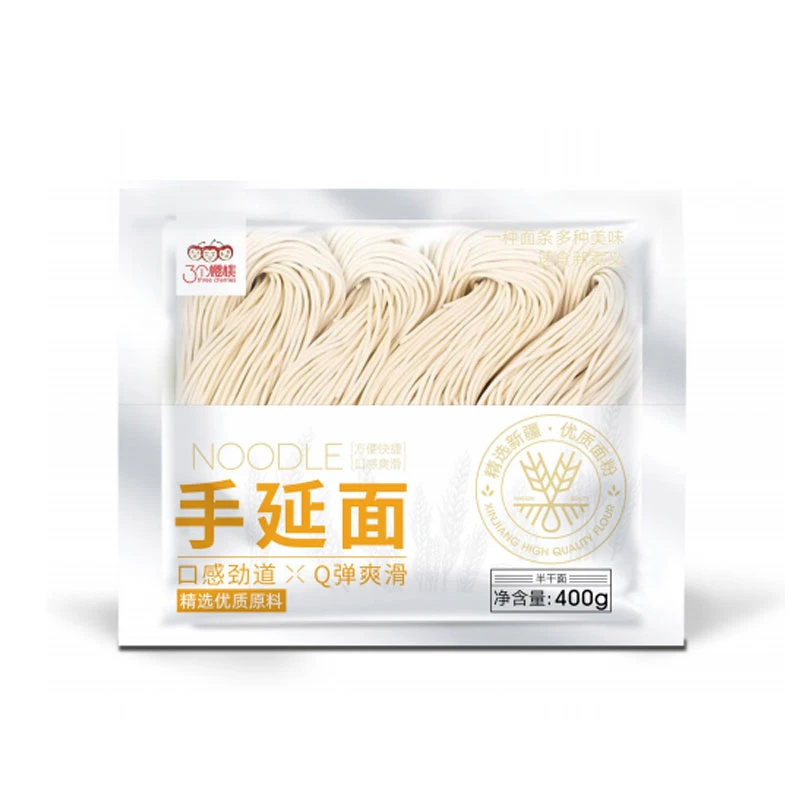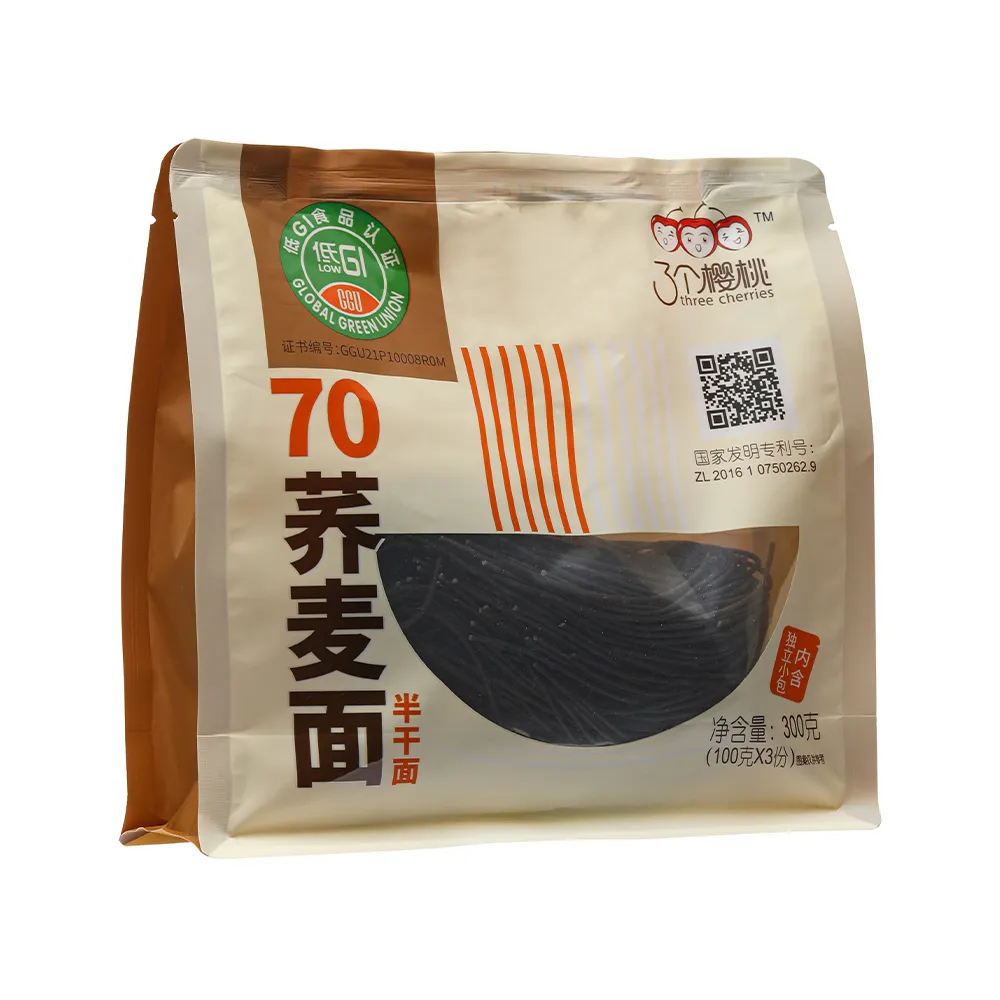

Soba Noodles: Buckwheat Flavor with Low-Carb Konjac Choices
soba noodles are a key solution in the Food and Beverage industry, specifically within grain, oil, rice, and flour and noodles. This article explores how Hebei Jinxu Noodles Co., Ltd. supports professionals with durable, high-performance products, and explains why this product is an ideal choice for businesses in these sectors.
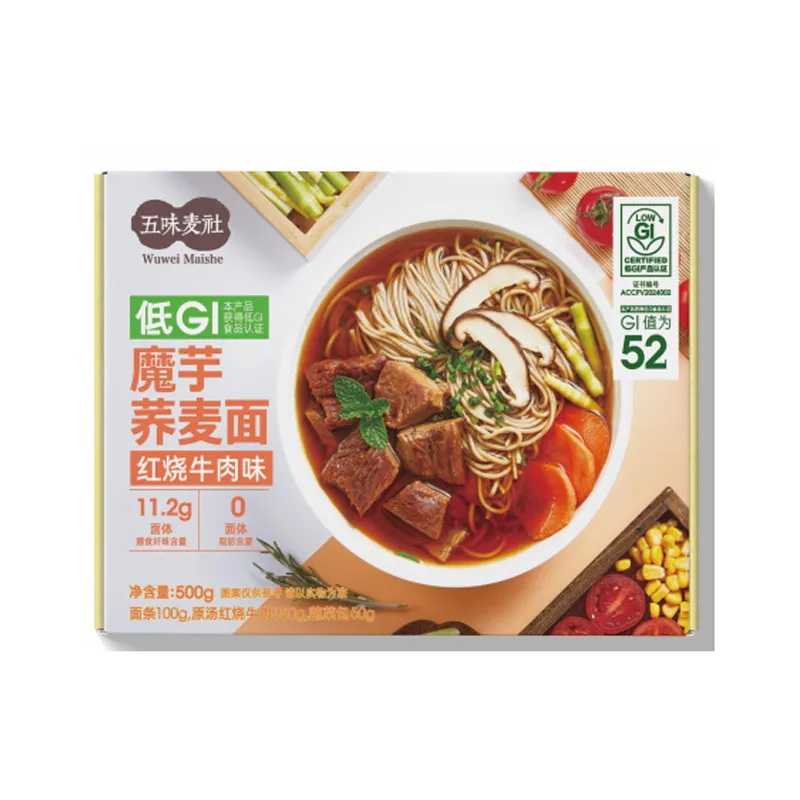
Table of Contents
- soba noodles Overview
- Benefits & Use Cases of soba noodles in noodles
- Cost, Maintenance & User Experience
- Sustainability & Market Trends in Food and Beverage
- Conclusion on soba noodles from Hebei Jinxu Noodles Co., Ltd.
soba noodles Overview
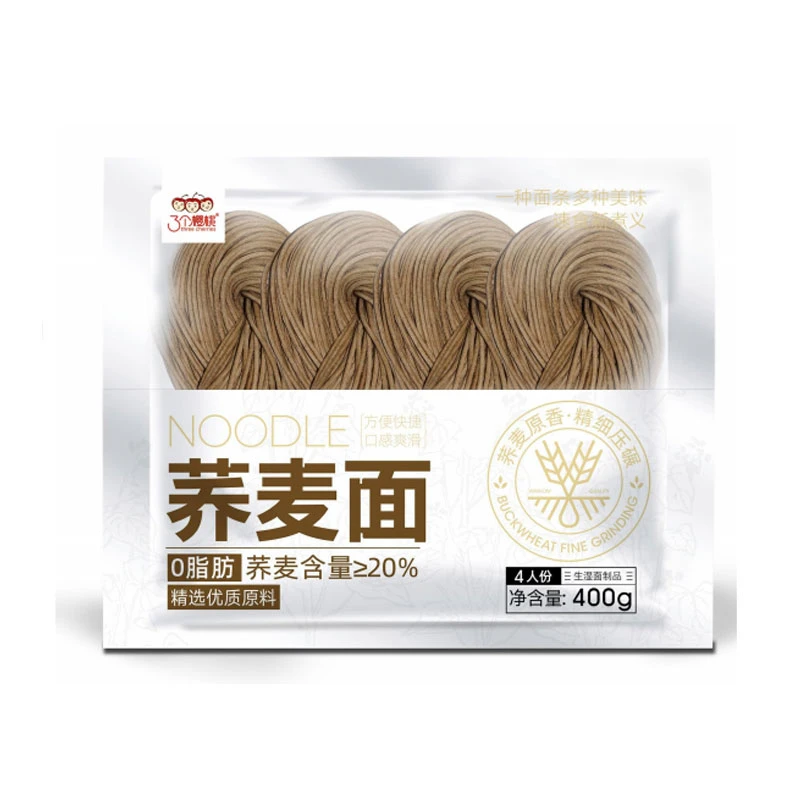
Soba noodles—traditionally crafted with buckwheat—are prized for their nutty aroma, firm bite, and versatility across hot and cold menus. For modern B2B buyers, soba sits at the intersection of authenticity and better-for-you eating. Hebei Jinxu Noodles Co., Ltd. extends this appeal with a konjac-enhanced format that pairs buckwheat character with the calorie-light benefits associated with konjac noodles (also known globally as noodles de konjac and, in Nordic markets, shirataki nuudeli). This hybrid approach broadens menu potential while aligning with wellness-forward assortments.
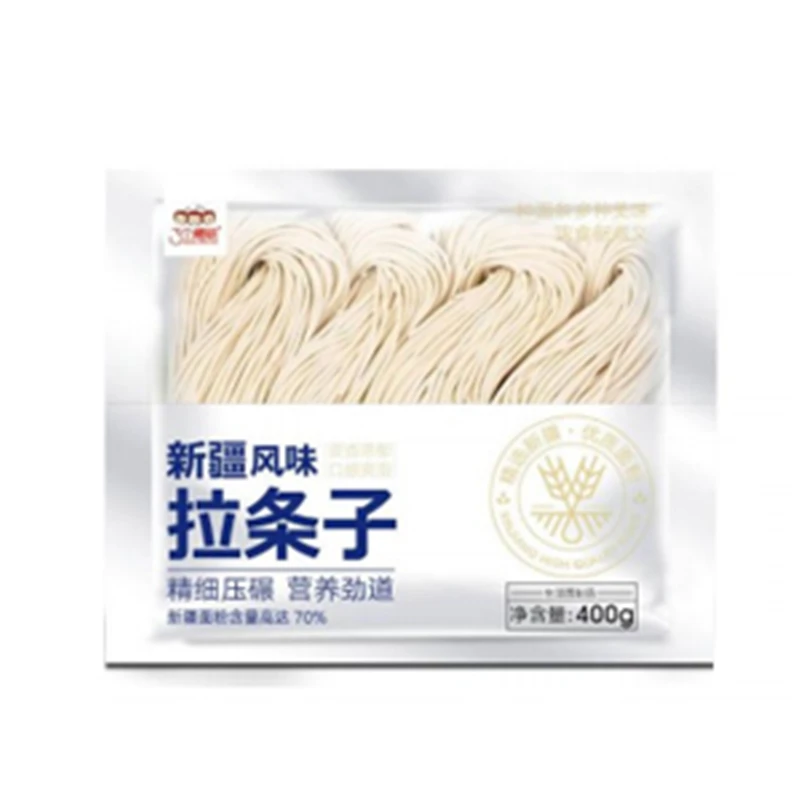
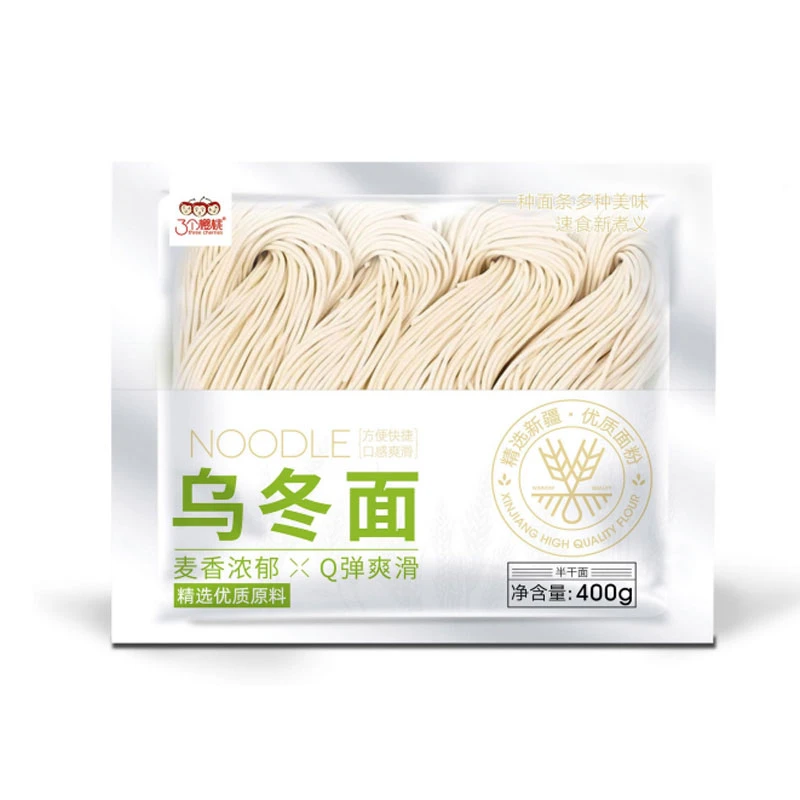
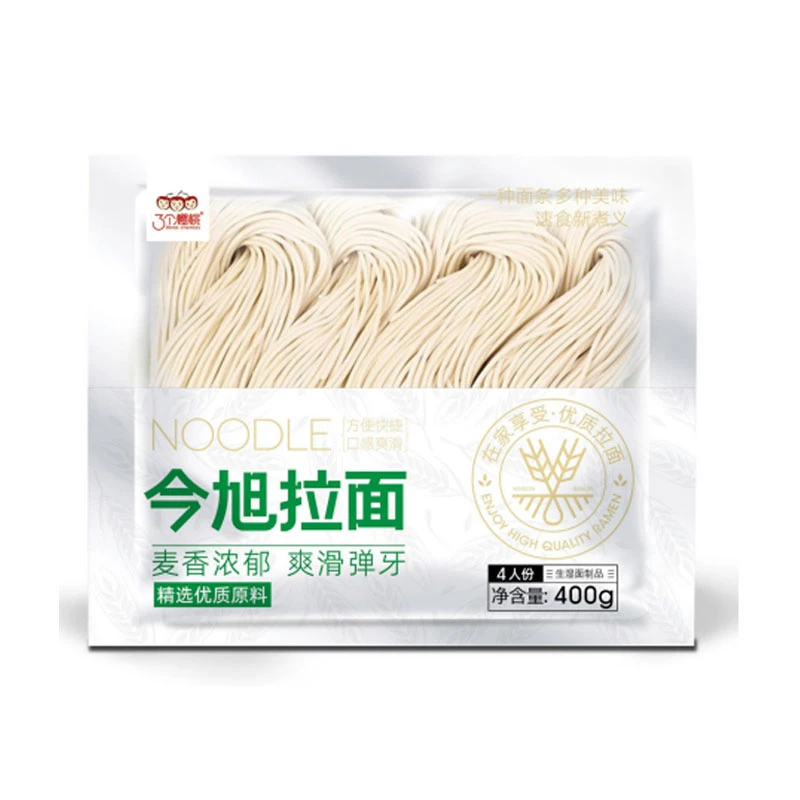
From a technical standpoint, Jinxu offers soba noodle types tailored to different channels: classic buckwheat-wheat blends for elastic texture, higher-buckwheat options for deeper flavor and color, and konjac soba for lower-calorie, higher-fiber profiles. Specifications can be customized for cut width, strand length, moisture target (dried or semi-dry), and cooking tolerance. Consistent strand geometry supports predictable water uptake, reduced clumping, and steady yield across boiling, steam, and chilled applications—key for central kitchens, OEM co-packing, and private-label retail. As a reliable manufacturer with export-ready documentation and rigorous quality systems, Hebei Jinxu ensures dependable performance batch after batch.
Benefits & Use Cases of soba noodles in noodles
In foodservice, soba noodles excel in chilled salads (zaru soba), broth-based bowls, stir-fries, and grab-and-go meal kits. The konjac soba option delivers a lighter calorie load while maintaining bite, making it suitable for wellness menus and calorie-controlled SKUs. For retail buyers, soba performs in boxed dry noodles, semi-dry pouches for quick-cook convenience, and ready-to-heat bowls paired with sauces or dehydrated toppings. Its natural color and buckwheat aroma communicate premium quality on-shelf and online.
- Operational consistency: tight cut tolerances and controlled moisture deliver reliable cooking times and reduced breakage.
- Menu versatility: classic, high-buckwheat, and konjac-enhanced soba noodle types cover traditional and better-for-you positioning.
- Export-ready: multilingual artwork support and documentation streamline launches across APAC, EU, and North America.
Hebei Jinxu Noodles Co., Ltd. brings category expertise from ingredient selection through sheeting, cutting, drying, and packing. Their R&D team partners with brands and distributors to match texture targets (al dente vs. soft), optimize cooking tolerance for commissaries, and align pack sizes with channel economics—whether single-serve cups, 180–200 g retail pouches, or foodservice bulk.
Cost, Maintenance & User Experience
Total cost of ownership for soba noodles extends beyond unit price to include yield, labor time, energy, and shrink. Jinxu’s consistent strand thickness and controlled starch release reduce clumping, improving yield and cutting rework. Semi-dry options cook faster, supporting throughput and lowering energy use during peak service, while dried variants maximize shipping efficiency and ambient storage life for long-distance distribution. Pack format flexibility (vacuum, pillow, or tray) enables right-sizing per channel and limits waste.
Storage is straightforward—ambient conditions in a cool, dry area with FEFO rotation—requiring minimal “maintenance” from operations. Foodservice buyers value the noodles’ tolerance windows, which help maintain texture on steam tables or in delivery. Retail partners cite clean, nutty flavor and attractive natural coloring that performs well in photos and planograms. Distributors appreciate stable lead times, export documentation support, and cartons engineered for pallet efficiency. These factors combine into a favorable ROI for private label, meal kits, and multi-unit operators seeking dependable soba noodles or konjac noodles solutions at scale.
Sustainability & Market Trends in Food and Beverage
Plant-forward, lower-calorie, and high-fiber choices continue to shape noodle demand globally. Konjac-based formats—recognized as noodles de konjac or shirataki nuudeli in various markets—are expanding quickly in retail and foodservice due to their calorie-light profile and clean labels. Regulatory expectations around transparency, nutrition panels, and allergen statements are also intensifying, requiring partners who can support compliant claims and multi-market labeling. Soba made with buckwheat can complement reduced-wheat assortments; where wheat is used in blends, clear allergen labeling remains essential for global compliance.
Hebei Jinxu Noodles Co., Ltd. is investing in process efficiency and responsible sourcing practices, aiming to minimize waste and optimize energy usage during drying and packaging. The company supports recyclable carton choices and works with buyers to right-size pack formats, reducing transport emissions per serving. With a forward-thinking approach to quality systems, traceability, and documentation, Jinxu positions partners to capitalize on growth in better-for-you noodles while meeting evolving compliance and sustainability expectations.
Conclusion on soba noodles from Hebei Jinxu Noodles Co., Ltd.
For B2B buyers in grain, oil, rice, and flour—especially noodles—soba noodles deliver premium flavor, reliable performance, and broad menu utility. Hebei Jinxu Noodles Co., Ltd. enhances that value with flexible specifications, konjac-enhanced variants, export-ready support, and consistent quality that scales from foodservice to retail private label. Whether you need classic soba, high-buckwheat depth, or a modern konjac profile, Jinxu is a dependable manufacturing partner.
- Contact us: email: jinxumianye@163.com
- Visit our website: https://www.jxsemidrynoodles.com
-
Discover the Authentic Taste of Korean Buckwheat NoodlesNewsApr.16,2026
-
Discover the Refreshing Taste of Authentic Korean Cold SobaNewsApr.09,2026
-
Discover the Refreshing Taste of Korean Cold Buckwheat Noodles NaengmyeonNewsApr.07,2026
-
Discover the Cool and Refreshing World of Korean Buckwheat Noodles ColdNewsApr.04,2026
-
Discover the Refreshing Taste of Japanese Cold Buckwheat Noodles and Zaru SobaNewsMar.31,2026
-
Exploring the Delicious World of Chinese Style Cold NoodlesNewsMar.28,2026
-
Discover the Cool and Refreshing World of Korean Cold Soba NoodlesNewsMar.26,2026
Browse qua the following product new the we