
What Type of Pasta Is Good for Diabetics – Healthy Pasta Choices & Benefits
What Type of Pasta Is Good for Diabetics? A Global Perspective
Understanding what type of pasta is good for diabetics matters way beyond dinner tables. With over 537 million adults worldwide living with diabetes — according to the International Diabetes Federation — making smart dietary choices is crucial. Pasta, a staple food loved globally, often gets a mixed reputation when it comes to blood sugar. But here’s the thing: not all pasta is created equal. Knowing which pasta varieties can harmonize with diabetic nutritional needs unlocks better health, improved blood sugar control, and more satisfying meals.
At its core, this topic bridges nutrition science, food technology, and cultural eating habits. It’s a subtle dance between carbs that fuel and carbs that harm, and how food makers innovate to help manage one of the most widespread chronic conditions the world faces today.
Mini takeaway: Choosing the right pasta type can help diabetics enjoy pasta dishes without unwanted blood sugar spikes, blending comfort with care.Why Does Pasta Choice Matter for Diabetics Worldwide?
Globally, pasta ranks as a popular carbohydrate source — cheap, versatile, and universally loved. Yet its impact on blood sugar can be a double-edged sword. The World Health Organization documents a steady rise in type 2 diabetes, particularly in middle-income countries where diets are evolving rapidly. With pasta often a daily meal in places from Italy to India, figuring out what type of pasta is good for diabetics becomes a public health puzzle.
The challenge: traditional white pasta typically has a high glycemic index (GI), meaning it can cause a rapid spike in blood glucose. For millions juggling diabetes management, that can translate to complications, energy crashes, and dietary frustration. Thus, research and the food industry have raced to craft pasta options that tick the boxes for taste, texture, and blood sugar-friendly profiles.
Mini takeaway: Pasta suitable for diabetics could ease global health pressures by reducing blood sugar spikes linked to common staples.Defining Diabetic-Friendly Pasta: What Does It Mean?
Simply put, the question what type of pasta is good for diabetics asks which pasta varieties have qualities that cause a slower and steadier release of glucose into the bloodstream. This typically means pasta with a low to moderate glycemic index, enriched with fiber, protein, or alternative grains. Whole grain pasta, pasta made from legumes like chickpeas or lentils, and those with added resistant starches generally fit the bill.
From a bigger perspective, diabetic-friendly pasta is more than just a food product — it’s part of a growing industry trend emphasizing personalized nutrition, sustainability, and health optimization. These products respond to humanitarian nutritional needs by offering accessible, affordable, and effective dietary solutions worldwide.
Mini takeaway: Diabetic-friendly pasta balances taste with nutritional technology to help maintain healthier blood sugar levels.Key Characteristics of Pasta Good for Diabetics
1. Low Glycemic Index (GI)
Pasta with low GI is digested and absorbed more slowly, resulting in a gentler rise in blood sugar. Whole wheat, legume-based, and oat-based pastas usually score better here.
2. High Fiber Content
Fiber, especially soluble fiber, helps regulate glucose absorption. Many diabetic-friendly pastas harness whole grains or added fibers to slow carbohydrate digestion.
3. Rich in Protein
Adding protein — as chickpea or lentil pastas do — not only improves the glycemic response but also aids satiety. It’s a win-win in controlling blood sugar and curbing overeating.
4. Portion Size and Cooking Method
Al dente pasta, cooked just right, has a lower glycemic impact than overcooked mush. Portion control complements the pasta type itself in blood sugar management.
5. Minimal Added Sugars and Refined Carbs
Avoiding added sugars is a no-brainer. Diabetic-friendly pasta keeps ingredients clean, focusing on natural, complex carbs rather than refined options.
Mini takeaway: The best pasta for diabetics combines slow digestion, fiber, protein, and mindful cooking — a teamwork approach.Product Specification Table: Typical Diabetic-Friendly Pasta Types
| Pasta Type | Glycemic Index | Fiber (g/100g) | Protein (g/100g) | Typical Ingredients |
|---|---|---|---|---|
| Whole Wheat Pasta | Low (37–45) | 6–8 | 12–15 | Whole wheat flour, water |
| Chickpea Pasta | Low (35–40) | 8–10 | 20–22 | Chickpea flour, water |
| Brown Rice Pasta | Moderate (50–55) | 3–5 | 7–9 | Brown rice flour, water |
How Is Diabetic-Friendly Pasta Used Around the World?
It’s fascinating to see how diversified the global response is to the challenge of supplying diabetics with suitable pasta options. In Mediterranean countries — Italy being the obvious epicenter — traditional whole wheat pasta is enjoying a renaissance due to its health properties. Meanwhile, in the US and parts of Europe, plant-based pastas from legume flours have recently gained market share thanks to the rise of plant-based and low-carb diets.
Many hospitals, care centers, and diabetic clinics are now incorporating such pastas into dietary plans, recognizing how cultural foods can still fit therapeutic windows. NGOs operating in diabetic hotspots also sometimes distribute low-GI pasta to help nutritional education and practical support.
And oddly enough, even in developing nations where white rice or white wheat has traditionally dominated, demand for these healthier pasta alternatives is growing, pushed by increasing awareness and local producers adapting recipes.
Mini takeaway: Diabetic-friendly pasta is not just a niche; it’s an evolving staple addressing diverse cultural and health needs worldwide.Advantages and Lasting Benefits for Diabetics
There’s a logical appeal here: choose a pasta that won’t cause blood sugar chaos, and you save future medical costs, improve overall energy, and maintain a pleasant eating experience. Emotionally, it feels empowering to enjoy a classic dish without the guilt or worry of side effects. Socially, it preserves dignity and tradition while innovating nutrition.
Financially, diabetic-friendly pastas can reduce long-term healthcare burdens by preventing severe spikes and crashes. Their often sustainable ingredient sources (like legumes that fix nitrogen and improve soil health) give an environmental bonus, aligning with growing consumer sustainability values.
Mini takeaway: These pastas offer a smart blend of health, enjoyment, and sustainability — a rare trifecta in food choices.Future Expectations & Innovations in Diabetic Pasta
The industry seems to move fast. Innovations include genetically modified wheat strains with lower glycemic effects, pasta with embedded fiber or resistant starch, and smart portion packaging. Digital health tools even help patients log pasta types and blood sugar outcomes to tailor recommendations.
Green energy and sustainable farming practices increasingly support pasta ingredient sourcing, while 3D printing pasta shapes enriched with specific nutrients might soon jump from concept to kitchen tables. Automation in production helps maintain consistent quality crucial for diabetic requirements.
Mini takeaway: The future holds promising, tech-enabled, and personalized pasta options keeping diabetics both safe and satisfied.Common Challenges & How to Overcome Them
Despite the progress, some caught between choice and tradition find it challenging to adopt diabetic-friendly pasta varieties. Cost barriers, unfamiliar textures, or cooking differences often discourage switching. Additionally, labeling and education gaps can confuse consumers on what really fits their needs.
Experts recommend simple, transparent labeling of glycemic index and fiber content, recipe sharing to help adoption, and small trial packages to mitigate cost or texture concerns. Food producers embracing local taste preferences also smooth acceptance.
Mini takeaway: Bridging education, availability, and affordability remains key to wider adoption of pasta good for diabetics.FAQ: What Type of Pasta Is Good for Diabetics?
- Q1: Is whole wheat pasta always better for diabetics than regular pasta?
- A1: Generally, yes. Whole wheat pasta contains more fiber and has a lower glycemic index than traditional white pasta, making it better for blood sugar control. However, portion size and cooking method also affect the impact.
- Q2: Can legumes-based pastas like chickpea or lentil pasta help manage diabetes?
- A2: Absolutely. These pastas pack more protein and fiber, slowing carbohydrate digestion and potentially reducing blood glucose spikes, which benefits diabetics.
- Q3: How should diabetics cook pasta to minimize blood sugar spikes?
- A3: Cooking pasta al dente — firm to the bite — slows starch breakdown, leading to lower glucose responses compared to overcooked pasta.
- Q4: Are gluten-free pastas good for diabetic dietary needs?
- A4: Gluten-free pastas can vary widely. Some are made from white rice flour with high glycemic indices, so diabetics should look for low-GI gluten-free options, like those based on legumes or whole grain alternatives.
- Q5: Where can I buy diabetic-friendly pasta options?
- A5: Many supermarkets, health food stores, and online retailers carry whole grain or legume-based pastas. Checking labels and choosing reputable brands ensures quality.
Vendor Comparison Table: Popular Diabetic-Friendly Pasta Brands
| Brand | Main Ingredient | Average GI | Price Range (USD / lb) | Availability |
|---|---|---|---|---|
| Barilla Whole Grain | Whole Wheat | 40 | $2.00–$3.50 | Widely available |
| Banza | Chickpea | 37 | $4.00–$5.50 | Online, specialty stores |
| Tolerant Foods | Lentil | 35 | $6.00–$7.00 | Online only |
Wrapping It All Up
If you or someone close to you wrestles with diabetes, exploring what type of pasta is good for diabetics is well worth the time. The right pasta choice is not just about glycemic control — it’s about enjoying life's simple pleasures safely, balancing tradition with innovation, and supporting long-term wellbeing. While the market brings more and more specialized pasta options daily, mindful cooking and portion control still hold sway.
Hopefully, this overview has helped you decide your next pasta purchase will be both smart and satisfying — because honestly, it’s about time healthy pasta did what it’s supposed to: bring joy without compromise.
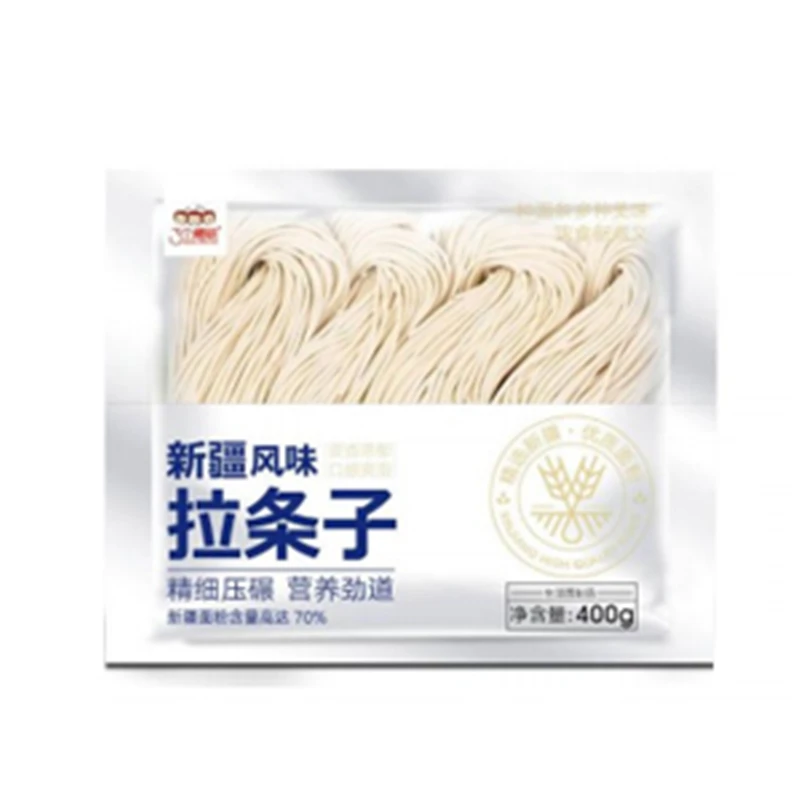
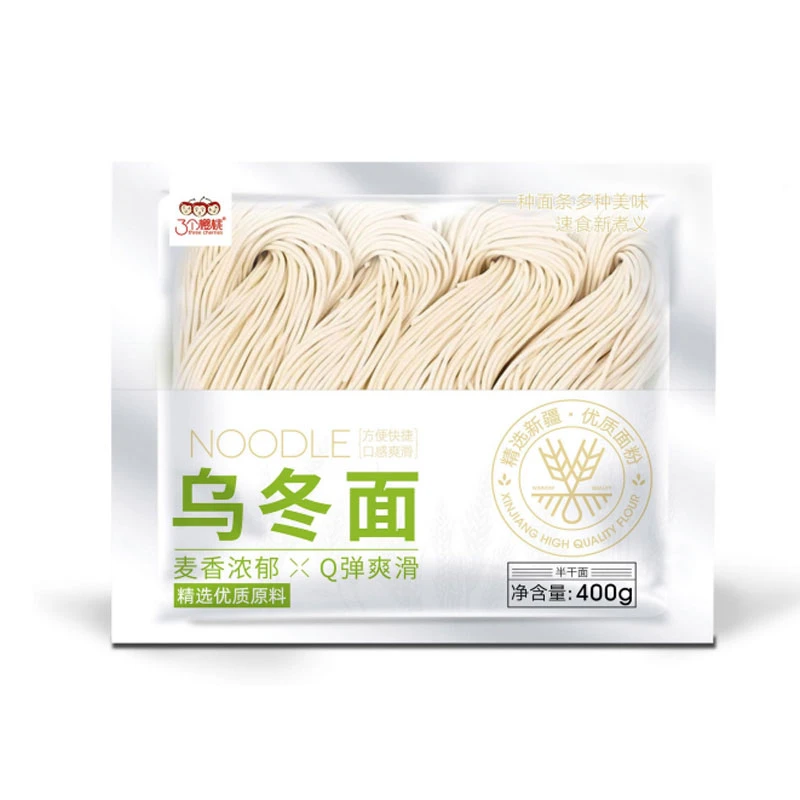
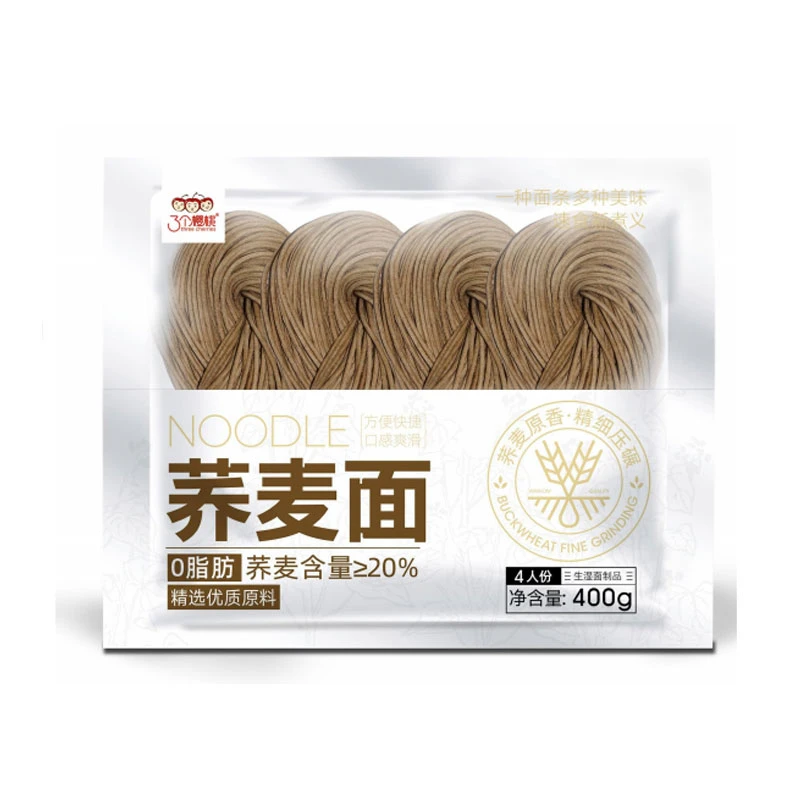
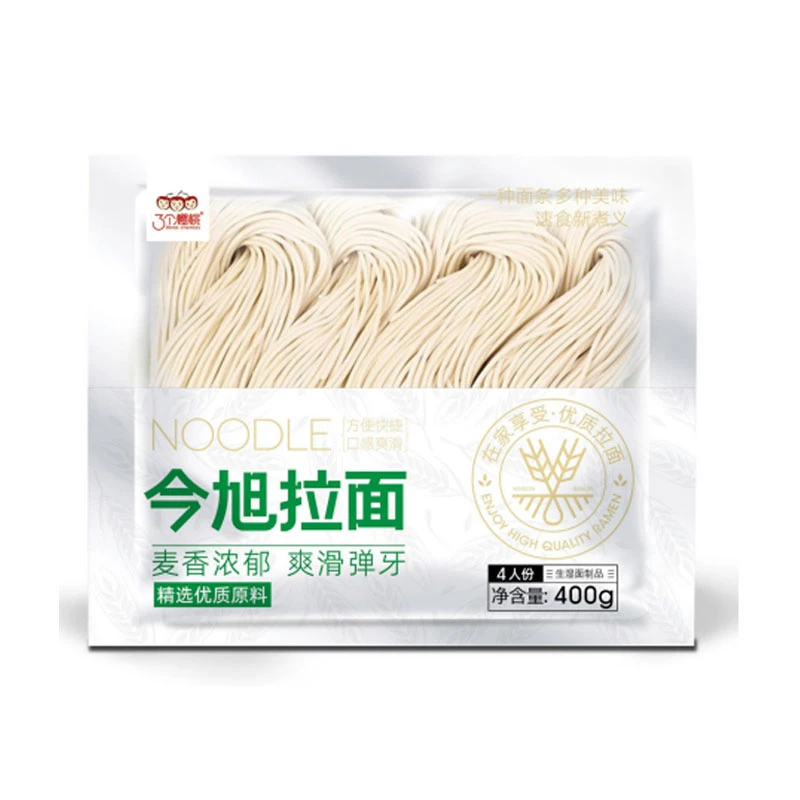
Explore more and find your perfect diabetic-friendly pasta at: JX Semi-Dry Noodles.
References:
-
Discover the Authentic Taste of Korean Buckwheat NoodlesNewsApr.16,2026
-
Discover the Refreshing Taste of Authentic Korean Cold SobaNewsApr.09,2026
-
Discover the Refreshing Taste of Korean Cold Buckwheat Noodles NaengmyeonNewsApr.07,2026
-
Discover the Cool and Refreshing World of Korean Buckwheat Noodles ColdNewsApr.04,2026
-
Discover the Refreshing Taste of Japanese Cold Buckwheat Noodles and Zaru SobaNewsMar.31,2026
-
Exploring the Delicious World of Chinese Style Cold NoodlesNewsMar.28,2026
-
Discover the Cool and Refreshing World of Korean Cold Soba NoodlesNewsMar.26,2026
Browse qua the following product new the we