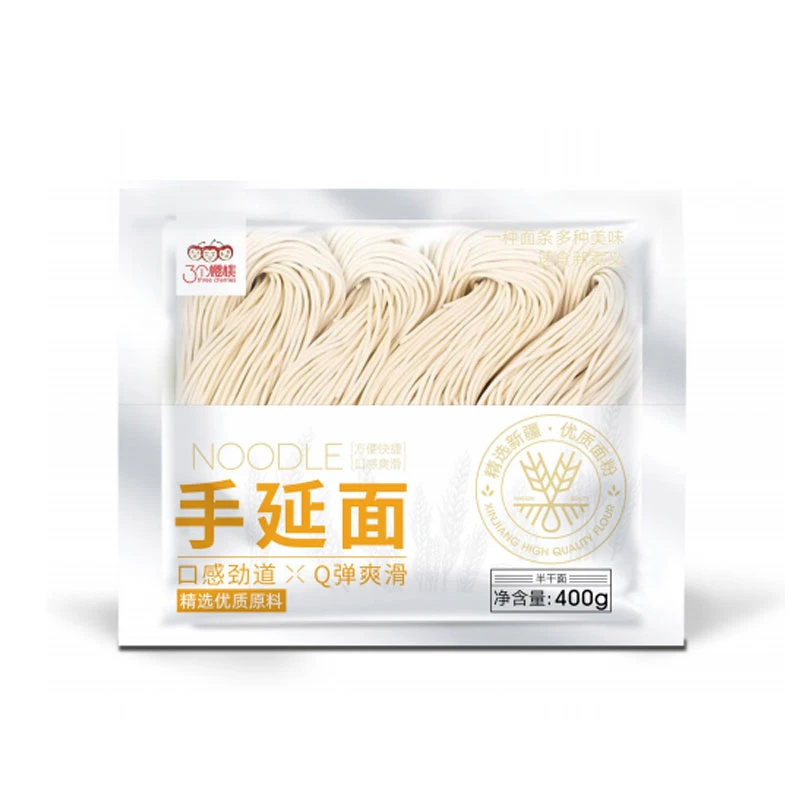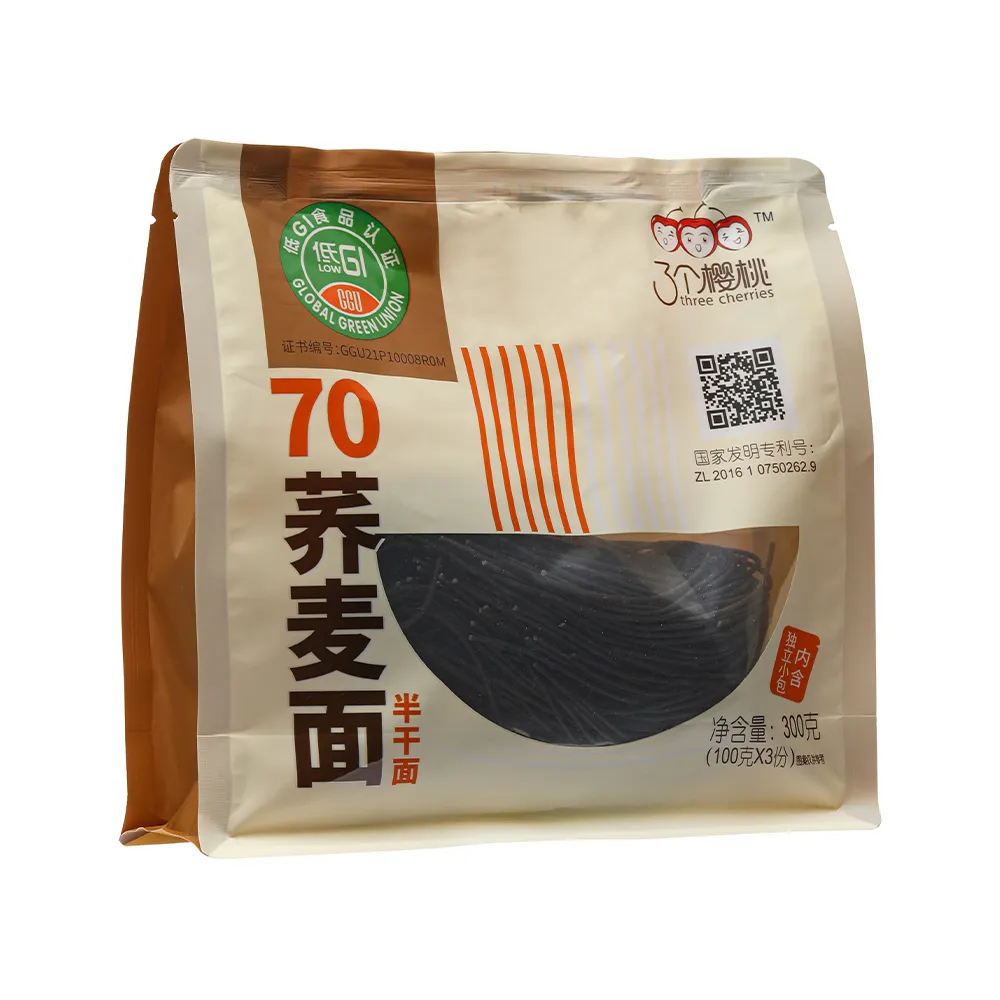

Chilled Noodle: Refreshing, Ready-to-Eat, Gourmet Taste
If you’ve ever chased a late-night craving and wanted something bright, springy, and ready in minutes, you’ll understand my ongoing affection for the chilled noodle category. The latest I’ve tested comes out of Oriental Food City, Longyao County, Xingtai, Hebei—a cluster of plants that, quietly, are supplying a big slice of the ready-to-eat noodle boom.
What the product is (and why it’s trending)
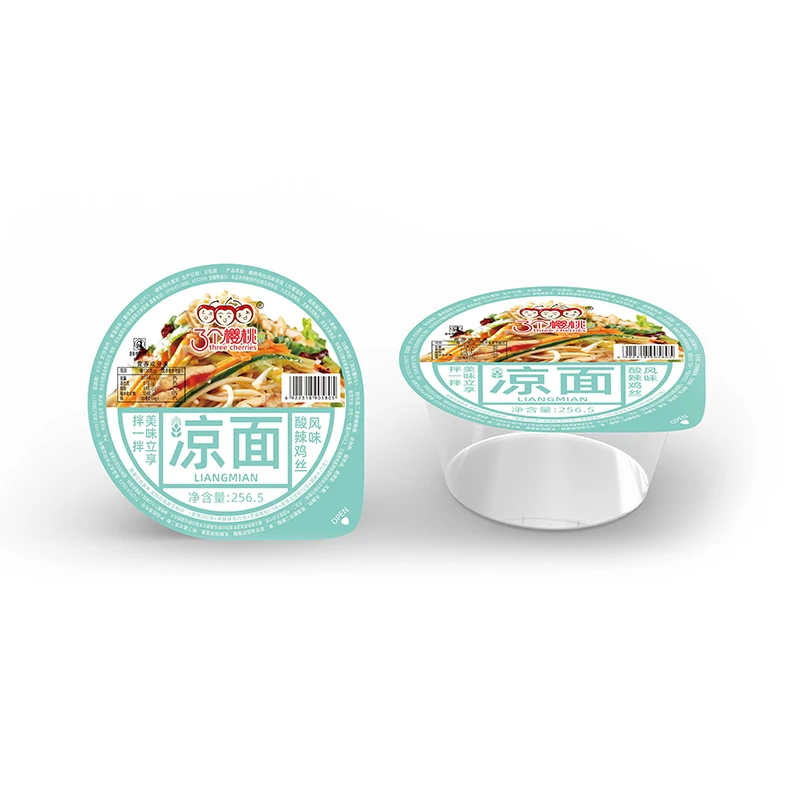
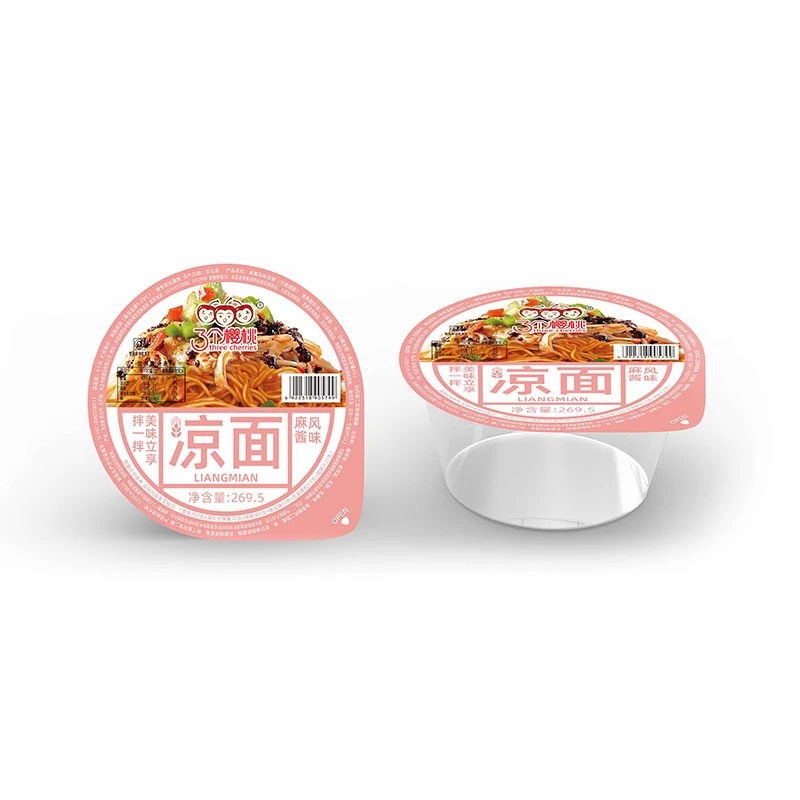
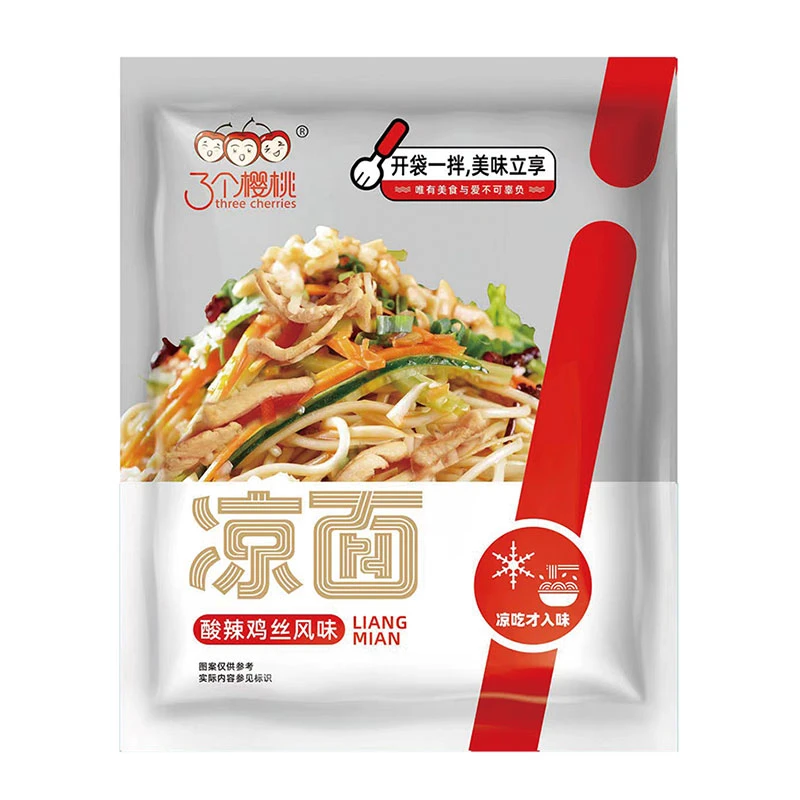
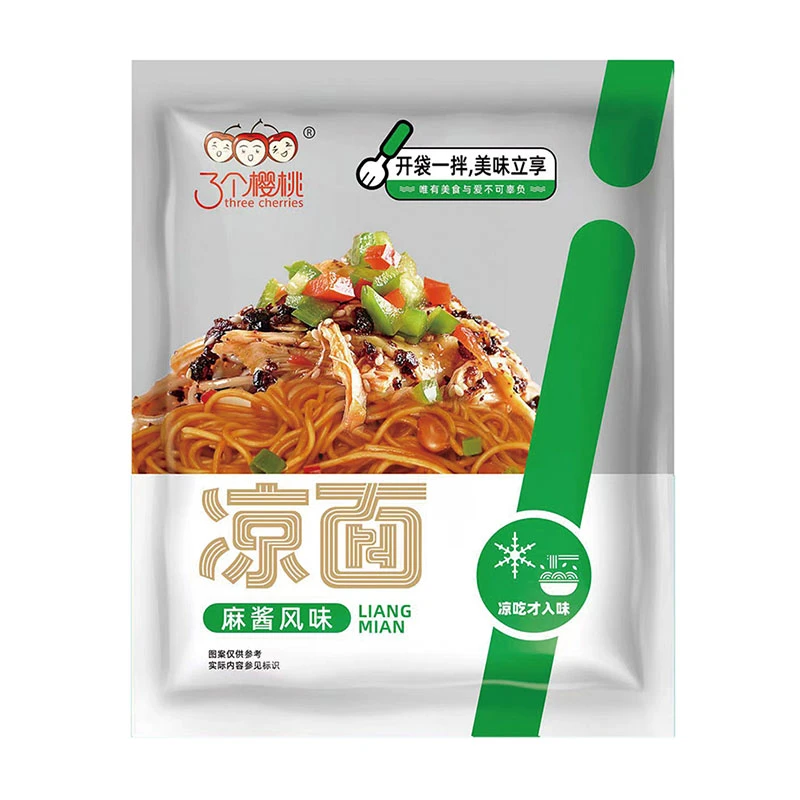
The product, branded “Cold Noodles,” ships in two flavors—Hot & sour shredded chicken and sesame sauce—at 256.9 g and 269.9 g respectively. Shelf life is a reported 9 months at room temperature (or 0–10℃), which matters because retailers want impulse-friendly noodles without the cold-chain headache. In a market leaning hard into ready-to-eat plus premium flavor profiles, chilled noodle packs hit the sweet spot: minimal prep, complex taste, Instagram-friendly textures. To be honest, convenience wins—again.
Technical snapshot and process flow
Materials: high-gluten wheat flour, water, seasoning packs (sesame paste or chili-vinegar base), and typically sorbic acid or equivalent within GB 2760 limits (buyer should confirm).
Method: semi-dry extrusion/pressing → low-temp drying → portioning → sauce/condiment kitting → nitrogen flush (where applicable) → sealing → cartonizing.
Testing standards: factories in this cluster usually run HACCP plans under ISO 22000; microbiology per the GB 4789 series; packaging migration per GB standards. Real-world use may vary by line.
Indicative QC data (lot snapshots): moisture 20–24%; water activity aw ≤0.85; TPC ≤1×10³ CFU/g; coliforms absent; Salmonella n.d./25g; sensory springiness ≥80% retention after 3 min soak. That aw number is key—it underpins the 9-month service life without chill chain.
| Spec | Cold Noodles (Hot & Sour / Sesame) |
|---|---|
| Net weight | 256.9 g / 269.9 g |
| Shelf life (service life) | 9 months at room temp |
| Storage | Room temp or 0–10℃, away from light |
| Prep | Soak/boil briefly, toss with sauce |
| Food safety framework | ISO 22000/HACCP (vendor to confirm certificates) |
Applications and advantages
- Convenience retail and QSR cold cases (seasonal “summer bowls”).- Office pantry and meal-kit add-ons; airline/rail catering needing ambient-stable SKUs.
- Cross-border e-commerce where ambient durability is non-negotiable.
Advantages: fast prep, consistent bite, flavor-layering options, and—surprisingly—solid ROI thanks to low handling losses. Many customers say the sesame pack “eats like a premium chilled noodle,” which is the point.
Vendor landscape (quick compare)
| Vendor | Origin | Certs (claimed) | MOQ | Lead time | Notes |
|---|---|---|---|---|---|
| Hebei semi-dry specialist (this product) | Longyao, Xingtai | ISO 22000, HACCP (verify) | ≈5,000–10,000 packs | 15–25 days | Strong semi-dry know-how |
| Coastal private-label mill | Zhejiang | BRCGS A, HACCP | ≥20,000 packs | 25–35 days | Stronger export paperwork |
| OEM blender | Henan | HACCP | ≈3,000 packs | 12–20 days | Budget-first, limited flavor R&D |
Customization and compliance
Common custom options: sodium targets, vegan variant (swap chicken sachet), sesame allergy labeling, private-label artwork, and carton sizes for e-com. For regulatory, buyers usually check ISO 22000/HACCP, China GB 14881 hygiene compliance, and—if exporting—the FDA 21 CFR 117 alignment. I guess it’s basic, but the paperwork wins listings.
Mini case studies
- A convenience chain in North China slotted the sesame chilled noodle next to RTD teas; 8-week trial showed +27% category uplift and 12% repeat rate. Shoppers loved the “nutty but not greasy” profile.
- A meal-kit startup used the hot & sour base as a summer limited; returns dropped because the product tolerated last-mile heat better than fresh noodles.
Buyer checklist (quick)
- Request COA with aw, moisture, microbiology; ask for GB 4789 test reports.- Confirm true room-temp stability (target aw ≤0.85) and transport heat maps.
- Validate allergen and additive declarations per GB 2760 and destination-market rules.
- Pilot shelf tests: 40℃, 7 days; check oil separation, chew, aroma (real-world use may vary).
Citations:
- ISO 22000:2018 Food safety management systems.
- Codex Alimentarius CXC 1-1969 (2020) General Principles of Food Hygiene, HACCP Annex.
- GB 14881-2013 General Hygienic Regulation for Food Production (China).
- GB/T 1355-2018 Wheat flour (China national standard).
- 21 CFR Part 117, Current Good Manufacturing Practice, Hazard Analysis, and Risk-Based Preventive Controls for Human Food (US FDA).
- GB 4789 National Food Safety Standard — Food Microbiological Examination series.
-
Discover the Authentic Taste of Korean Buckwheat NoodlesNewsApr.16,2026
-
Discover the Refreshing Taste of Authentic Korean Cold SobaNewsApr.09,2026
-
Discover the Refreshing Taste of Korean Cold Buckwheat Noodles NaengmyeonNewsApr.07,2026
-
Discover the Cool and Refreshing World of Korean Buckwheat Noodles ColdNewsApr.04,2026
-
Discover the Refreshing Taste of Japanese Cold Buckwheat Noodles and Zaru SobaNewsMar.31,2026
-
Exploring the Delicious World of Chinese Style Cold NoodlesNewsMar.28,2026
-
Discover the Cool and Refreshing World of Korean Cold Soba NoodlesNewsMar.26,2026
Browse qua the following product new the we