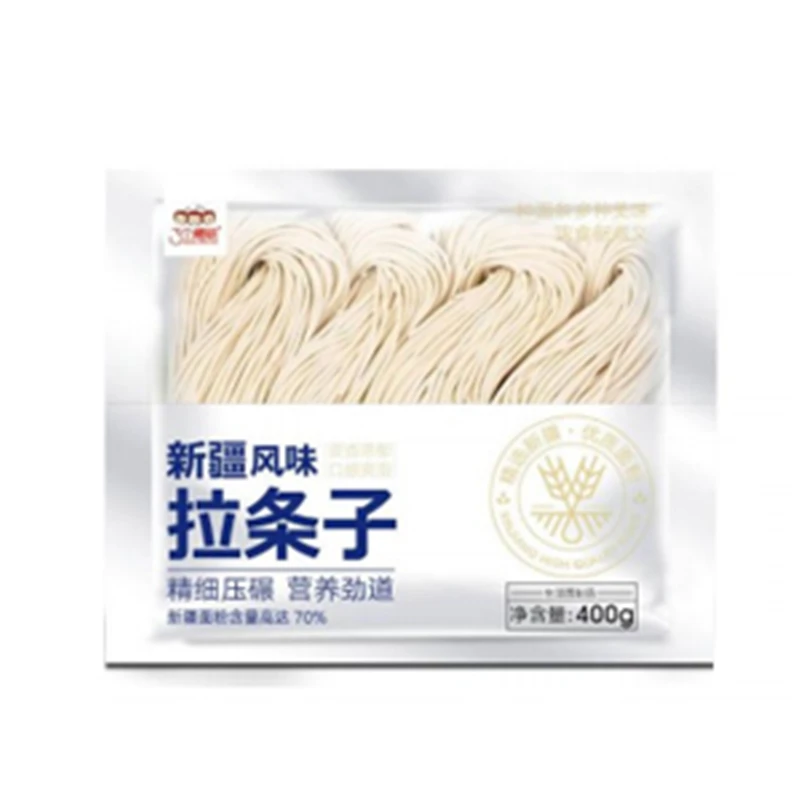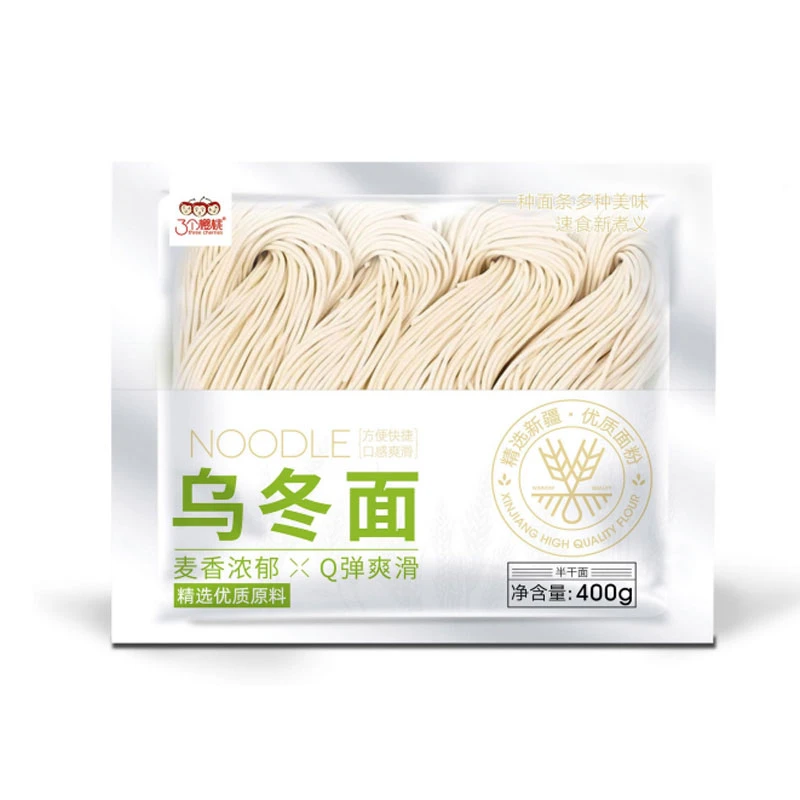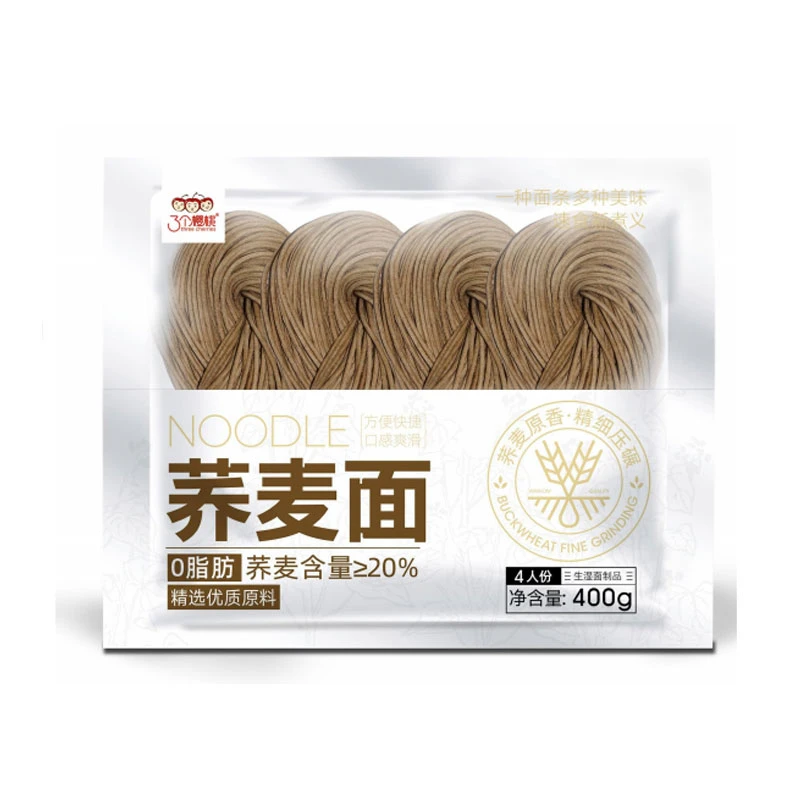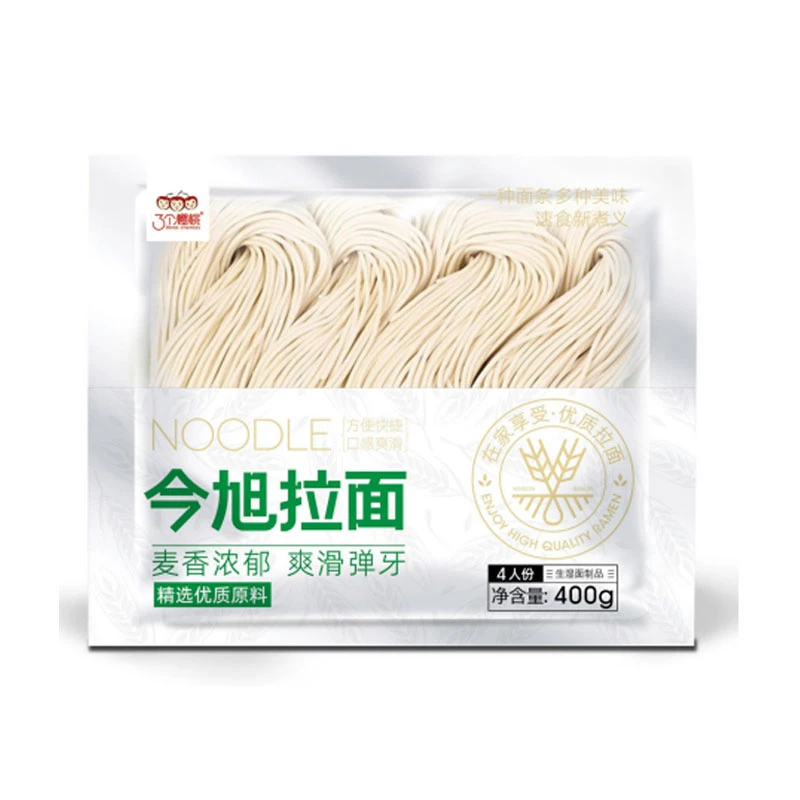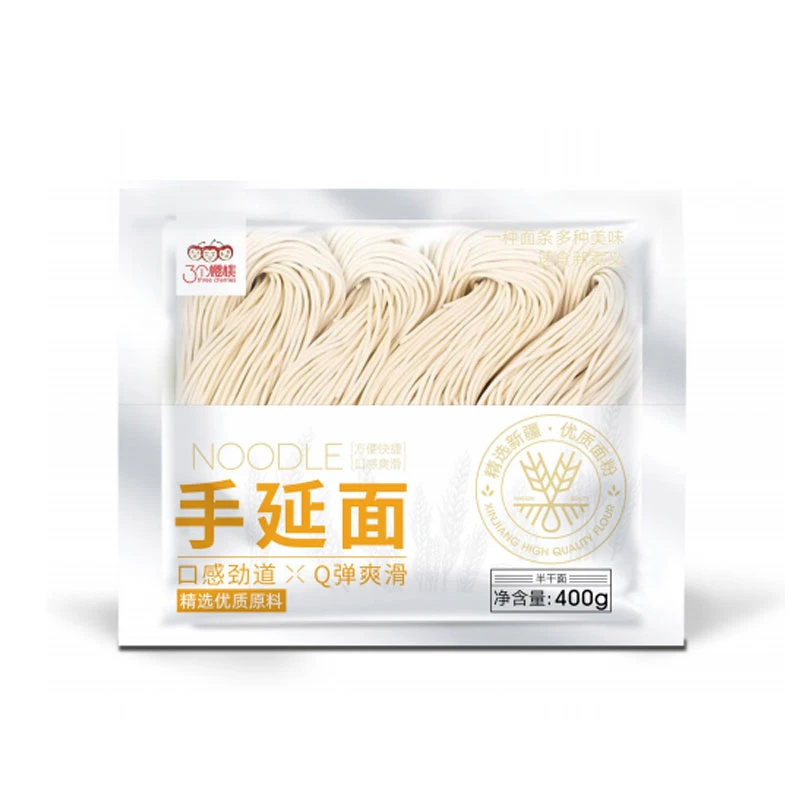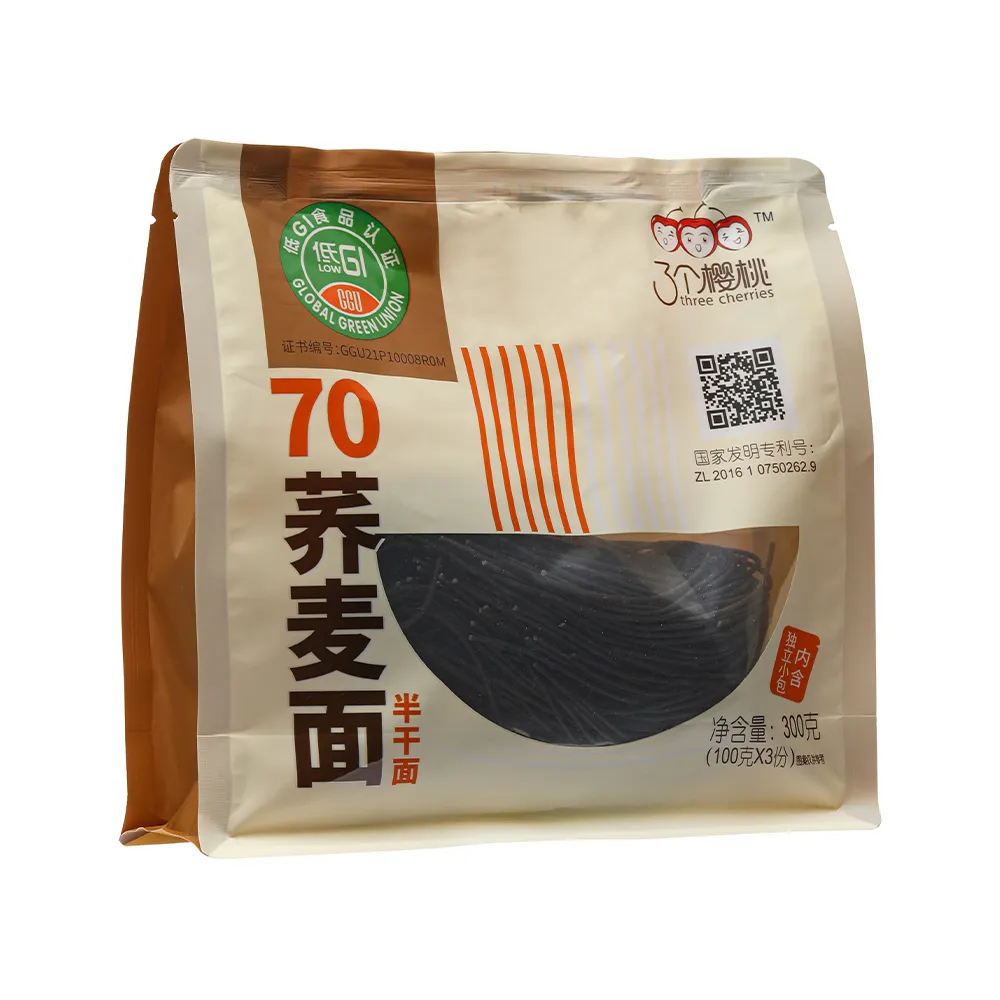

Soba Udon Noodles – Authentic Buckwheat, Chewy, Quick-Cook
Soba Udon Noodles: an insider’s take on taste, texture, and the supply chain
If you’ve worked in foodservice or packaged foods long enough, you learn that noodle decisions aren’t just about flavor—they’re about consistency, safety, and how many service tickets you can get out the door in an hour. That’s why I keep a close eye on hybrids like Soba Udon Noodles. The blend here—rye and buckwheat with a hearty udon-style bite—comes from Oriental Food City, Longyao County, Xingtai, Hebei. It’s semi-dry, which, to be honest, is where a lot of the operational magic happens.
Why semi-dry matters (and the current trend)
Semi-dry formats are quietly replacing both instant and fully fresh in meal kits, airline catering, and fast-casual chains. Less breakage in transit, faster reconstitution, and, surprisingly, more consistent chew. Many buyers tell me they prefer the predictability—real-world yield is easier to forecast, and texture holds up better across a lunch rush.
Product specifications
| Parameter | Detail (≈ values; real-world use may vary) |
|---|---|
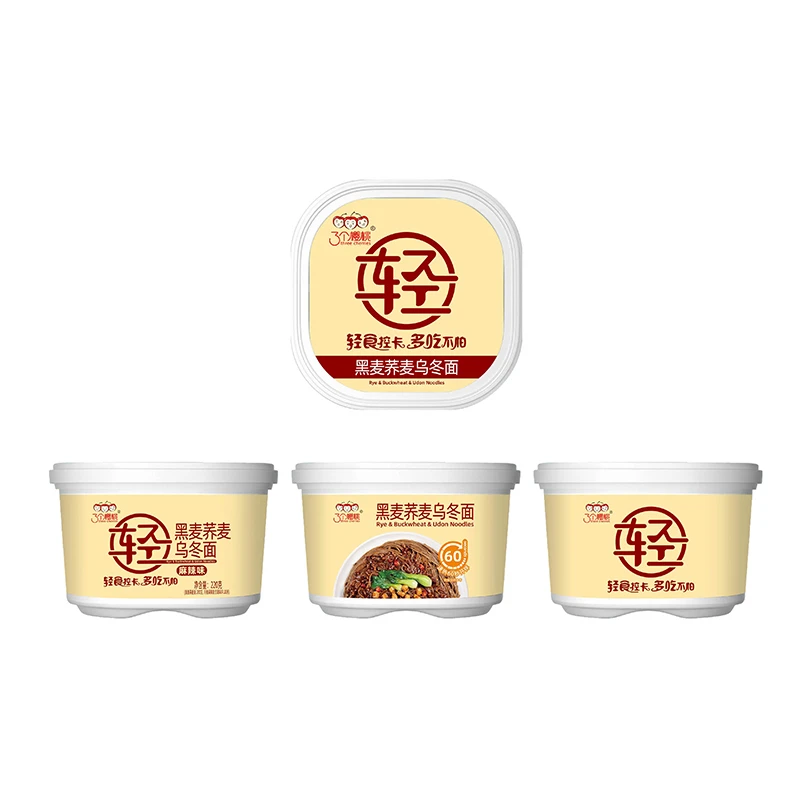
| Name | Soba Udon Noodles — Rye & Buckwheat Udon (Spicy & Seafood) |
| Pack sizes | 220 g & 225 g |
| Origin | Oriental Food City, Longyao County, Xingtai City, Hebei Province |
| Shelf/Warranty | 9 months at room temperature |
| Storage | Store at room temp or 0–10 ℃, away from light; cool, dry place |
| Cook yield | ≈1.8×–2.2× weight after cooking |
| Texture metrics | Bite firmness ≈500–700 g-f (TPA), elasticity resilient |
Process flow and quality controls
Materials: buckwheat and rye flours with a supporting cereal base (often wheat), water, salt; seasoning packets for spicy or seafood profiles.
- Hydration & dough development (protein‑starch hydration, controlled mixing)
- Sheeting/cutting to udon gauge; partial steaming/par‑cook
- Semi‑drying to target moisture (typically mid‑20% range)
- Rapid cooling, seasoning pack assembly
- Metal detection, weight checks, O2 control, pack coding
Testing standards include ISO 22000/HACCP systems, microbial counts (TVC, yeast/mold), moisture by AOAC methods, and heavy metals against Codex limits. Typical in‑process data I’ve seen: moisture ≈24–28%; TVC within spec for shelf‑stable semi‑dry goods; breakage
Applications and advantages
- Quick‑serve bowls (spicy or seafood broth), meal kits, ghost kitchens
- Institutional catering and airlines where consistency beats novelty
- Home retail: dependable boil time and hearty chew
Advantages: faster prep, sturdy udon bite with nutty buckwheat notes, lower breakage in logistics, and, frankly, fewer surprises on a busy line.
Vendor comparison (snapshot)
| Vendor | Buckwheat content | Texture | Shelf life | Certs | Customization |
|---|---|---|---|---|---|
| Soba Udon Noodles maker | Medium (≈15–30%) | Hearty udon chew | 9 months | ISO 22000/HACCP (typ.) | Flavor pack, size, logo |
| Exporter A (generic) | Low | Softer, faster cook | 6–9 months | HACCP | Limited |
| Artisan B (fresh) | High | Exceptional, but fragile | 7–14 days | Local GMP | Broad, higher MOQ |
Customization
Private label packs (220 g or 225 g), spice level tuning, seafood profile tweaks, buckwheat ratio adjustments, sodium targets, and bilingual packaging. I guess the biggest win for retailers is the clean box copy plus a QR code for cooking tips.
Case notes from the field
A North Asia meal‑kit brand swapped in Soba Udon Noodles for their winter soups: prep time dropped ≈18%, returns due to mushy texture fell by about a third, and customer comments skewed toward “chewy and nutty.” In a campus dining pilot, line cooks reported fewer clumps during peak service—small thing, big morale boost.
Compliance, testing, and safety
- Food safety systems: ISO 22000 and HACCP alignment
- Microbiological: TVC, coliforms, yeast/mold within Codex‑aligned limits
- Chemical: heavy metals vs. Codex CXS 193; allergens declared per market
- Moisture by AOAC; label rules per local regs (e.g., FDA/GB as applicable)
Bottom line? For operators who need a sturdy udon bite with soba character—and fewer headaches in logistics—Soba Udon Noodles are an easy yes.
Authoritative references
- ISO 22000:2018 Food Safety Management Systems. International Organization for Standardization. https://www.iso.org/standard/65464.html
- Codex General Standard for Contaminants and Toxins in Food and Feed (CXS 193‑1995). FAO/WHO. https://www.fao.org/fao-who-codexalimentarius
- General Principles of Food Hygiene CXC 1‑1969 (HACCP Annex). Codex Alimentarius. https://www.fao.org/fao-who-codexalimentarius
- AOAC Official Methods for Moisture in Cereal Products (e.g., 925.10). AOAC INTERNATIONAL. https://www.aoac.org
-
Discover the Authentic Taste of Korean Buckwheat NoodlesNewsApr.16,2026
-
Discover the Refreshing Taste of Authentic Korean Cold SobaNewsApr.09,2026
-
Discover the Refreshing Taste of Korean Cold Buckwheat Noodles NaengmyeonNewsApr.07,2026
-
Discover the Cool and Refreshing World of Korean Buckwheat Noodles ColdNewsApr.04,2026
-
Discover the Refreshing Taste of Japanese Cold Buckwheat Noodles and Zaru SobaNewsMar.31,2026
-
Exploring the Delicious World of Chinese Style Cold NoodlesNewsMar.28,2026
-
Discover the Cool and Refreshing World of Korean Cold Soba NoodlesNewsMar.26,2026
Browse qua the following product new the we