
Is Noodle Good for Diabetics? A Practical Look
Is Noodle Good for Diabetics? A Closer Look
After decades working in industrial equipment, I’ve developed a habit: paying attention to details that matter. Surprisingly, this kind of vigilance also applies to food choices — especially if you’re managing blood sugar levels.
Noodles often get a bad rap among diabetics. High carbs, spikes in blood sugar... it’s the typical story. But oddly enough, not all noodles are created equal. The real question isn’t “are noodles bad?” but is noodle good for diabetics — and that’s where it gets interesting.
Understanding Noodles and Their Impact on Blood Sugar
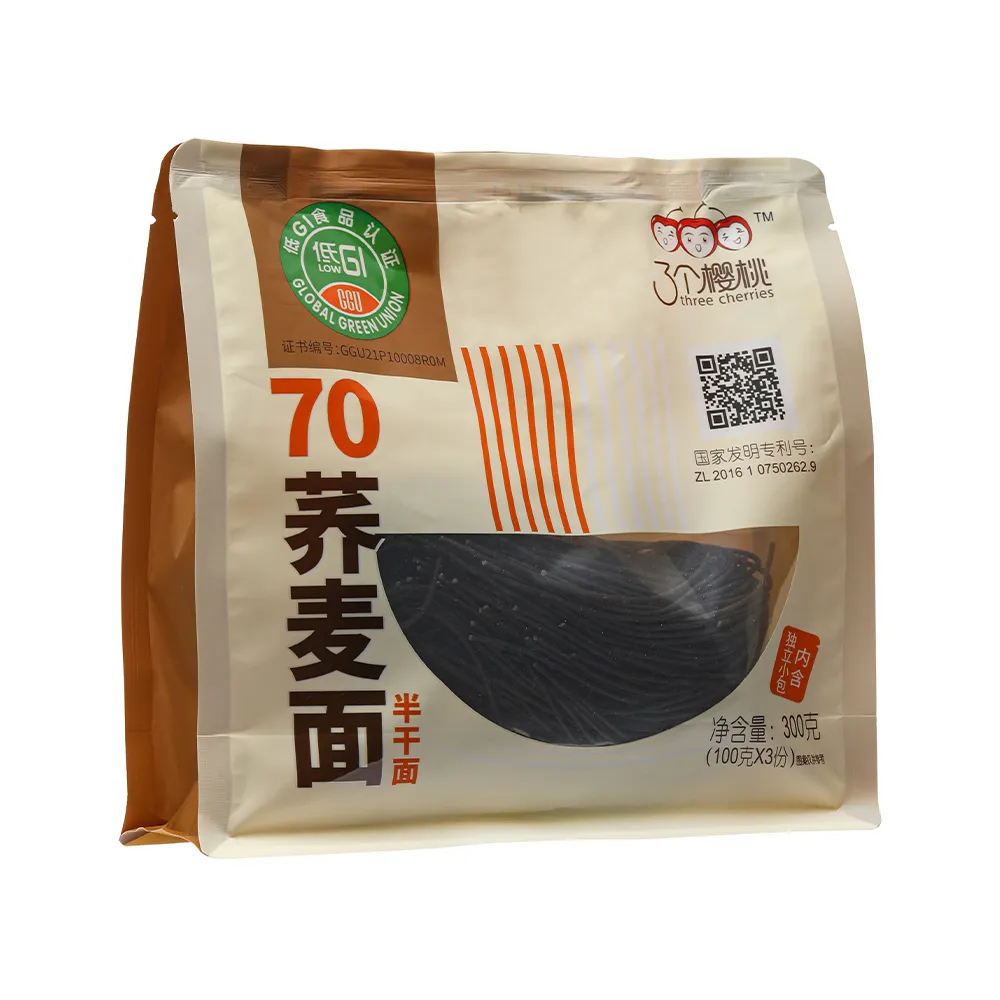
First off, most classic wheat noodles have a high glycemic index (GI), meaning they cause faster rises in blood glucose. But you can find noodles with lower GI, made from different flours or processing methods. Think buckwheat soba, shirataki (those jelly-like wonders), or even veggie-based noodles.
In industrial terms, it’s a bit like choosing the right material for the right job. If you pick a low GI noodle, it’s like opting for a high-strength steel instead of flimsy aluminum — more stable, less prone to causing a "breakdown" in blood sugar.
Many nutritionists suggest pairing noodles with fiber, proteins, or healthy fats. This slows digestion and tempers glucose spikes. It’s a bit like adding quality control checks into a production line to avoid sudden machine breakdowns.
Noodle Specifications: What to Look for When Buying
| Type of Noodle | Main Ingredient | Glycemic Index (GI) | Calories (per 100g) | Notes |
|---|---|---|---|---|
| Regular wheat noodle | Refined wheat flour | High (60-75) | 138-150 | Common; quick glucose spike |
| Whole wheat noodle | Whole wheat flour | Medium (40-55) | 120-140 | Higher fiber, slower digestion |
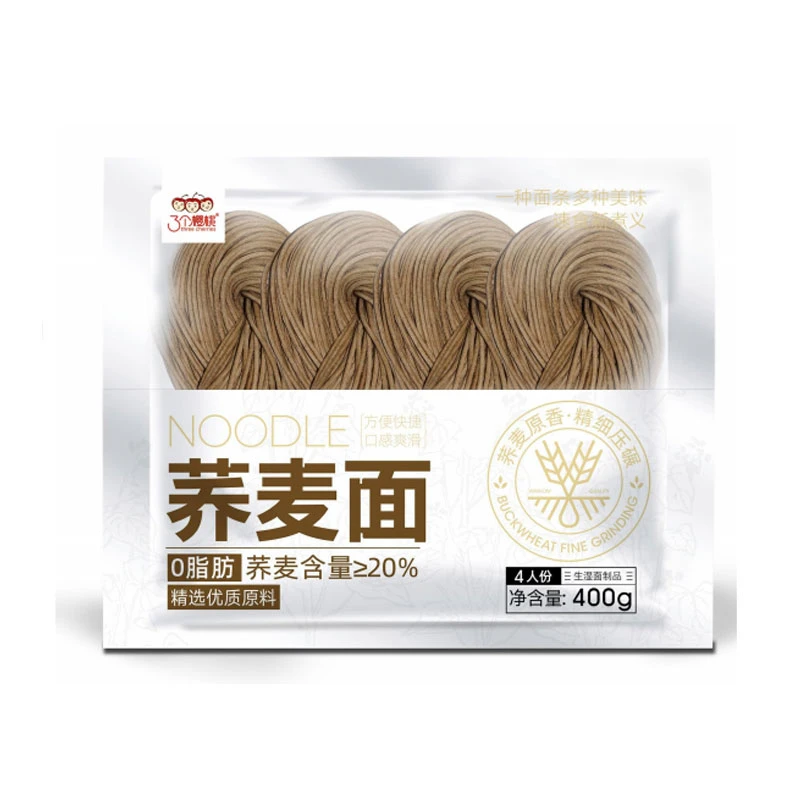
| Buckwheat soba | Buckwheat flour | Low (45) | 99-110 | Good source of protein and minerals |
| Shirataki noodles | Konjac yam (glucomannan) | Very Low (~0-10) | 10-20 | Virtually zero carbs, very filling |
Comparing Popular Noodle Vendors: What Sets Them Apart?
| Vendor | Specialty | Organic Options | Price Range (per 500g) | Availability |
|---|---|---|---|---|
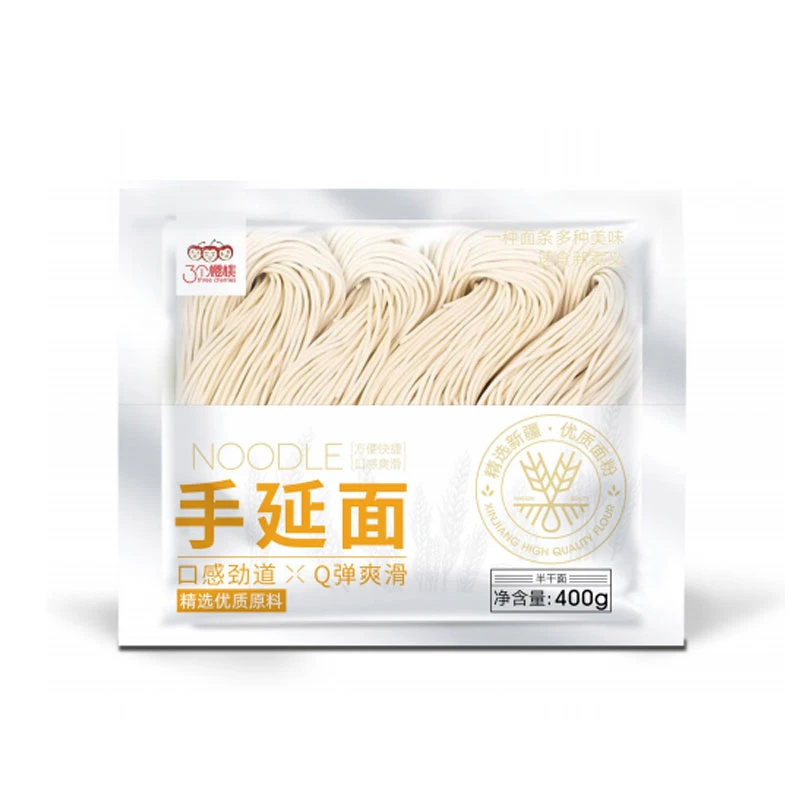
| JX SemiDry Noodles | Traditional & low-moisture noodles | Limited organic | $3.50 - $5.00 | Global export |
| Healthy Harvest | Gluten-free and veggie noodles | Mostly yes | $4.00 - $6.50 | North America & Europe |
| Nature’s Grain | Whole grain & sprouted noodles | Yes | $5.00 - $7.00 | Online & specialty stores |
A Quick Story from the Field
I once chatted with a food engineer working for a diabetic meal prep startup. Their favorite noodle? Shirataki. “It's the silent, unsung hero for blood sugar control,” she told me with a wink. I could see why — its almost zero carb content makes it feel more like a texture experience than an actual starch bomb.
Meanwhile, another co-worker swore by pairing good old whole wheat noodles (handmade ones from a regional farm) with loads of vegetables and beans. The mix of fiber and protein helps smooth out glucose swings remarkably. It’s about balance, not just avoidance.
Final Thoughts: Noodle Wisdom for Diabetes Management
So, is noodle good for diabetics? Frankly, yes — as long as you pick the right kind and pair it wisely. Low GI noodles, better ingredients, balanced meals. That’s the industrial-grade approach — precision, testing, and real-world trials.
Don’t treat noodles like the enemy. Think of them like any other tool in your blood sugar toolbox. Used well, they’re part of a flavorful, manageable diet.
References and notes:
1. Jenkins DJ, et al. Glycemic index of foods: a physiological basis for carbohydrate exchange. Am J Clin Nutr. 1981.
2. American Diabetes Association. Nutrition recommendations for diabetes. Diabetes Care. 2023.
3. Conversations with industry food engineers and diabetic nutritionists, 2023-2024.
-
Discover the Authentic Taste of Korean Buckwheat NoodlesNewsApr.16,2026
-
Discover the Refreshing Taste of Authentic Korean Cold SobaNewsApr.09,2026
-
Discover the Refreshing Taste of Korean Cold Buckwheat Noodles NaengmyeonNewsApr.07,2026
-
Discover the Cool and Refreshing World of Korean Buckwheat Noodles ColdNewsApr.04,2026
-
Discover the Refreshing Taste of Japanese Cold Buckwheat Noodles and Zaru SobaNewsMar.31,2026
-
Exploring the Delicious World of Chinese Style Cold NoodlesNewsMar.28,2026
-
Discover the Cool and Refreshing World of Korean Cold Soba NoodlesNewsMar.26,2026
Browse qua the following product new the we