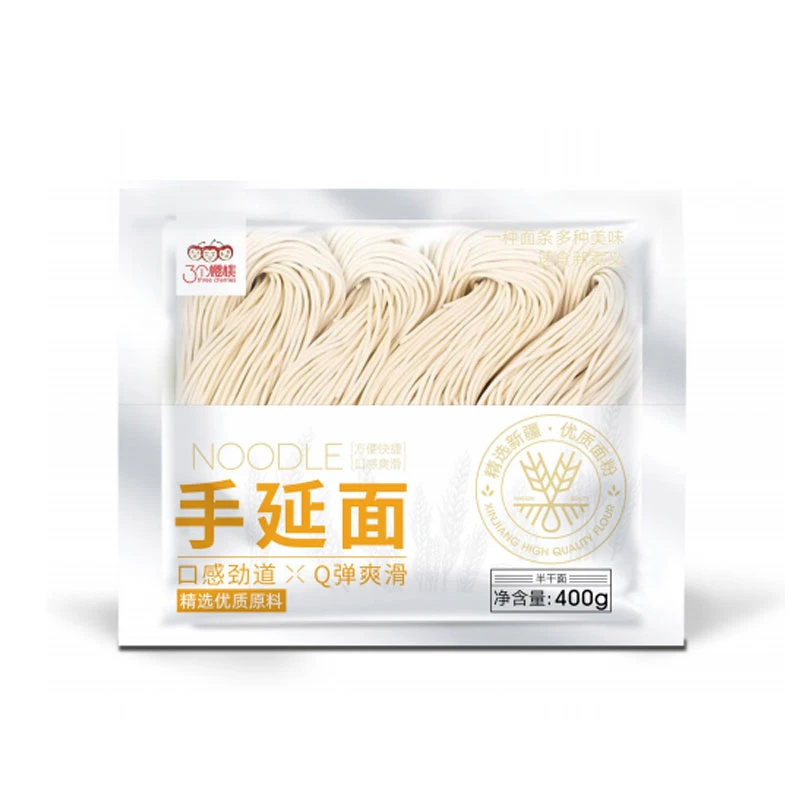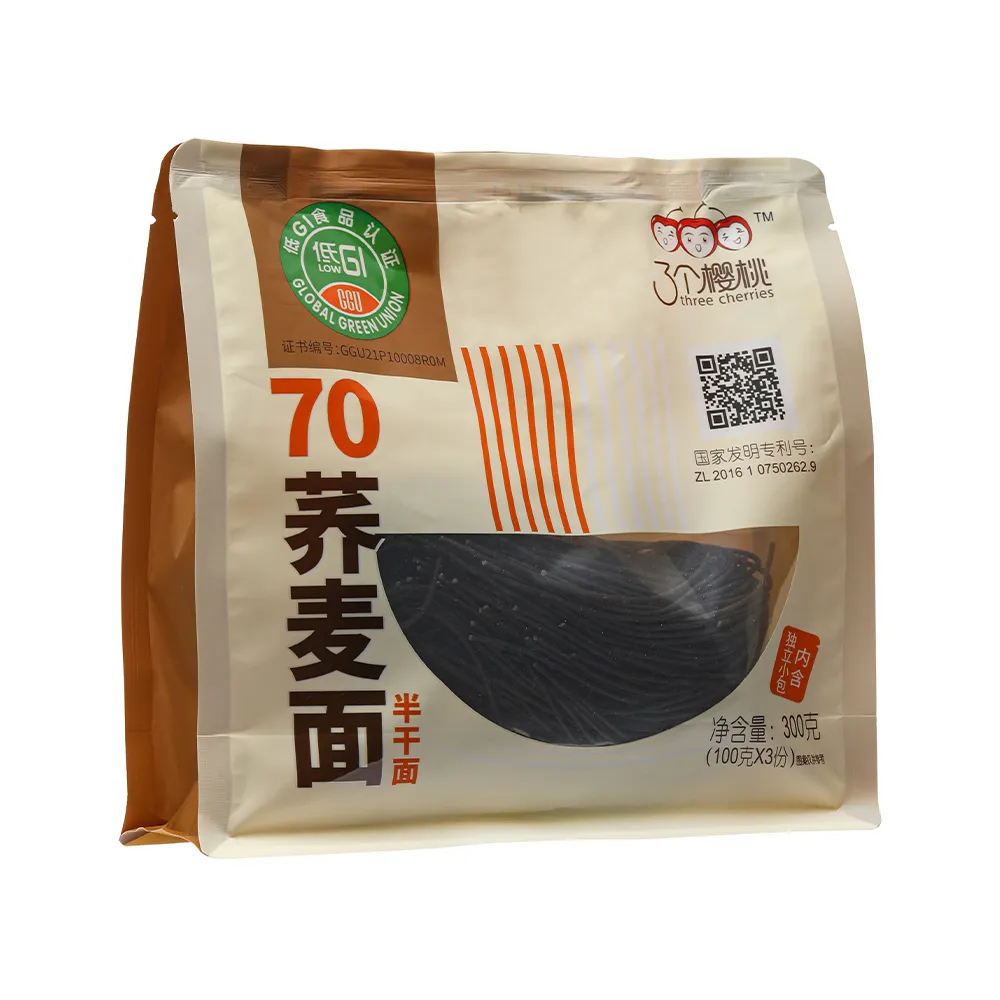

Chinese Oat Noodles – High-Performance, Sustainable Solution for B2B Food Manufacturing
Chinese Oat Noodles is a key solution in the industry, specifically within the realm of food manufacturing and supply chain enterprises. This article explores how https://www.jxsemidrynoodles.com supports professionals with durable, high-performance products, and explains why this product is an ideal choice for businesses in these sectors.
Table of Contents
- Chinese Oat Noodles Overview
- Benefits & Use Cases of Chinese Oat Noodles
- Cost, Maintenance & User Experience
- Sustainability & Market Trends
Chinese Oat Noodles Overview
Chinese Oat Noodles might not be your everyday staple in Western kitchens, but in the food manufacturing industry—especially among B2B buyers—they represent a growing niche with notable appeal. Essentially, these noodles blend traditional craftsmanship with contemporary nutritional insights, offering both texture and health benefits you might not associate with typical grain-based noodles.
- Chinese Oat Noodles are made primarily from oat flour combined with wheat or other flours, targeting a balance between elasticity and chewiness.
- Technically, this product boasts a higher fiber content compared to regular wheat noodles, thanks to oats, and they exhibit better moisture retention during cooking—great for industrial scale food processing.
- A case study from a leading Asian food supplier showed a 20% increase in consumer satisfaction when substituting ordinary noodles with oat-enriched versions.
Benefits & Use Cases of Chinese Oat Noodles
Frankly, it's quite interesting how these noodles have carved a space in numerous food processing and hospitality sectors. Their versatility means they aren’t just a health fad but an intelligent product choice for large-scale applications.
- In factory catering and ready-to-eat meal providers, Chinese Oat Noodles can easily substitute traditional noodles without sacrificing texture or flavor.
- They offer an edge with their lower glycemic index, appealing to health-conscious markets abroad, which your business can leverage.
- Compared to standard wheat-only noodles, these oat blends stand out thanks to enhanced shelf stability and better cooking resilience.
| Property | Specification |
|---|---|
| Primary Ingredients | Oat Flour, Wheat Flour, Water, Salt |
| Fiber Content | 6.5 g/100g |
| Shelf Life | 12 months (dry storage) |
| Cooking Time | 3-5 minutes |
| Moisture Content | 8-10% |
Cost, Maintenance & User Experience
When you’re weighing up any ingredient or product for industrial use, total cost of ownership (TCO) is front and center. Chinese Oat Noodles generally deliver a reassuring ROI. Why? Because of durability during cooking and reduced waste due to superior shelf life.
- Durability means fewer noodles break during transport or cooking—which cuts down on reprocessing costs.
- Maintenance for facilities is minimal since the oat blend doesn’t cause increased residue build-up seen with some gluten-heavy noodles.
- Feedback from B2B clients indicates a notable preference for Chinese Oat Noodles in menu diversification and meeting health trends without raising production complexity.
| Supplier | Product Quality | Pricing (per 1000 kg) | Delivery Time | Customization Options |
|---|---|---|---|---|
| JXS Semi-Dry Noodles | Premium consistency, high fiber content | $1200 | 2-3 weeks | Yes - custom thickness and flour ratio |
| Vendor A | Standard quality, moderate fiber | $1000 | 3-4 weeks | Limited options |
| Vendor B | High moisture content, shorter shelf life | $1100 | 1 week | No |
Sustainability & Market Trends
Oddly enough, the rise of Chinese Oat Noodles aligns with several sustainability goals many manufacturers and retailers are embracing. Oats generally require less water and fertilizer than wheat, making the ingredient inherently greener. Also, with consumers becoming more mindful of nutritional content, fiber-rich alternatives have a marketplace advantage.
- Regulatory bodies in food safety have tightened standards globally; oat noodles' simple natural ingredient list helps businesses stay compliant without complex reformulations.
- Market research shows annual growth in specialty noodle segments around 5%, driven by health trends and ethnic cuisine interest.
Frequently Asked Questions about Chinese Oat Noodles
- What is Chinese Oat Noodles and how does it work?
- Chinese Oat Noodles are a type of noodle product combining oat flour with wheat and other ingredients to create a chewy, nutritious noodle. The oats add fiber and moisture-retention qualities, making the product both tasty and suitable for a range of cooking methods.
- What are the main benefits of using Chinese Oat Noodles in industrial applications?
- The key advantages include improved shelf life, better fiber content for health-conscious consumers, and consistent texture during large scale food production. They also help reduce waste due to resilience against breaking.
- How does Chinese Oat Noodles compare to traditional alternatives?
- Compared to plain wheat noodles, the oat variety offers more fiber, slightly reduced gluten, and often cooks up with a more pleasant chew. This translates to a broader appeal and often lower glycemic impact in end products.
- What industries can benefit most from Chinese Oat Noodles implementation?
- Food manufacturers focusing on ready meals, institutional catering, and export-oriented companies aiming for the health market find these noodles useful. There are also emerging opportunities in retail packaged food where fiber-enriched products have strong traction.
Conclusion on Chinese Oat Noodles from china
To sum it up, Chinese Oat Noodles shine as a well-conceived product that balances tradition with modern health-conscious manufacturing. For B2B decision makers in the food and hospitality sector, they represent a smart blend of quality, innovation, and consumer appeal. It’s worth considering them for menu diversification or scaling production with efficiency.
- Recap the value of Chinese Oat Noodles.
- - Visit our website: https://www.jxsemidrynoodles.com
Interestingly, while the oat noodle market is niche, its potential is growing steadily as more manufacturers and consumers alike seek healthier and more sustainable alternatives.
References:
1. Industry report on specialty noodles, 2023
2. Consumer satisfaction study, Asian food markets, 2022
3. Sustainability data from grain farming surveys, 2023
-
Discover the Authentic Taste of Korean Buckwheat NoodlesNewsApr.16,2026
-
Discover the Refreshing Taste of Authentic Korean Cold SobaNewsApr.09,2026
-
Discover the Refreshing Taste of Korean Cold Buckwheat Noodles NaengmyeonNewsApr.07,2026
-
Discover the Cool and Refreshing World of Korean Buckwheat Noodles ColdNewsApr.04,2026
-
Discover the Refreshing Taste of Japanese Cold Buckwheat Noodles and Zaru SobaNewsMar.31,2026
-
Exploring the Delicious World of Chinese Style Cold NoodlesNewsMar.28,2026
-
Discover the Cool and Refreshing World of Korean Cold Soba NoodlesNewsMar.26,2026
Browse qua the following product new the we