
Soba Noodles Low GI – A Healthy, Sustainable Choice for Modern Eating
Discovering Soba Noodles Low GI: Why It Matters in Today's Health-Conscious World
At first glance, soba noodles low gi might just seem like another trendy health food label tossed around by nutritionists and chefs alike. But honestly, there's more to these humble buckwheat noodles than meets the eye—especially when you zoom out and see the bigger global picture. With rising awareness about diabetes, obesity, and lifestyle illnesses worldwide, foods boasting a low glycemic index (GI) are gaining serious attention. Understanding the benefits of soba noodles low gi isn’t just for fitness buffs or culinary enthusiasts: it’s also a crucial part of how societies approach nutrition, health equity, and even sustainable agriculture.
Global Context: Soba Noodles and the Drive Toward Low-GI Diets
Why is the topic of soba noodles with a low glycemic index critical today? The World Health Organization (WHO) reports that non-communicable diseases like Type 2 diabetes now affect over 422 million people globally, prompting dietary shifts worldwide. Low-GI foods help moderate blood sugar spikes, making them vital for managing these conditions.
Japan, the birthplace of authentic soba noodles, ranks them among the staple foods contributing to its long-standing reputation for longevity and balanced diets. But demand is spreading far beyond East Asia. International markets increasingly seek low GI soba noodles as an alternative carbohydrate source that aligns with modern dietary guidelines and sustainable agriculture practices. This trend tackles the challenge of offering nutritious yet culturally adaptable foods at a global scale.
What Exactly Are Soba Noodles Low GI?
Put simply, soba noodles low gi refer to Japanese noodles primarily made from buckwheat flour, whose glycemic index measures lower than common wheat-based pasta or rice. The glycemic index ranks foods by their blood sugar impact after consumption—a lower GI means a slower, steadier rise, which helps avoid insulin spikes.
In practical terms, these noodles bridge culinary tradition and modern nutritional science. They’re not just trendy—they represent a real connection between food technology, health priorities, and cultural heritage.
Core Components That Define Soba Noodles Low GI
1. Buckwheat Content
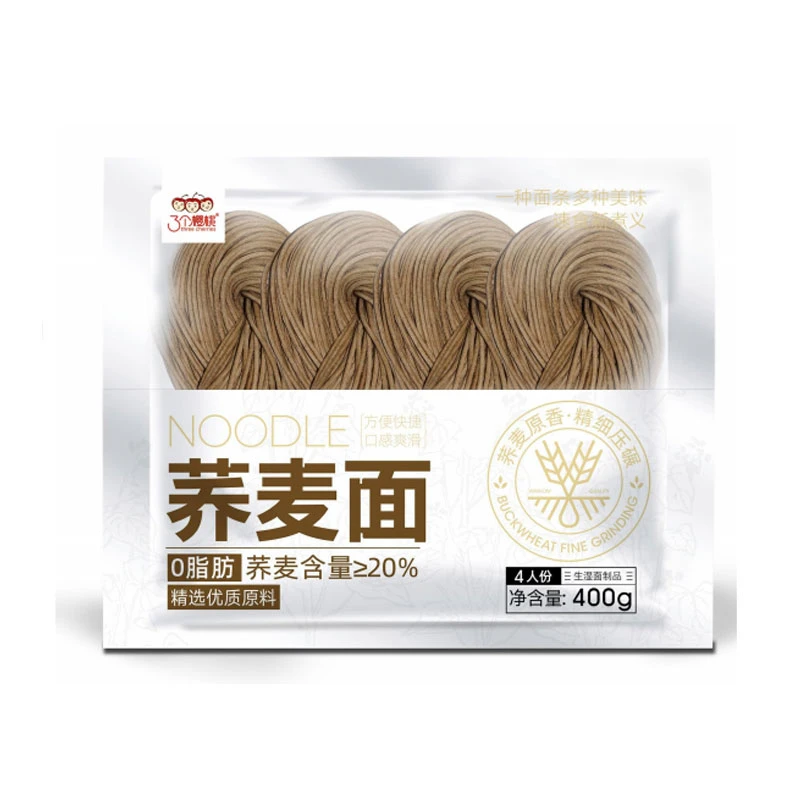
The most crucial factor is the percentage of buckwheat flour. Pure soba boasts 100%, but many commercial variants blend wheat to improve texture. The higher the buckwheat ratio, the lower the glycemic index tends to be.
2. Glycemic Index Value
Typical soba noodles carry a GI between 40-55, classifying them as low to moderate, especially compared to white rice (around 72). This range greatly affects how the body digests and metabolizes the noodles.
3. Production Methods
Processing techniques—stone milling versus industrial grinding or fresh versus dried—can influence GI values and nutrient retention.
4. Portion Control and Serving Style
Oddly enough, how you serve soba noodles (cold versus hot, toppings included) can shift their metabolic effect. Cold soba with dipping sauces might slow digestion compared to hot soups.
Mini Takeaway:
Soba noodles low gi combine high buckwheat content and mindful preparation to create a traditionally inspired, health-forward meal option.
Global Applications and Use Cases
Low-GI soba noodles are finding their place far beyond their Japanese origins. Let’s explore where these noodles serve a meaningful purpose:
- Healthcare nutrition programs: Hospitals and diabetes care centers in Europe and North America incorporate soba to provide patients with satisfying yet blood-sugar-friendly meals.
- Disaster relief and humanitarian aid: In regions where sustainable, nutritious, non-perishable foods are essential, soba noodles made from buckwheat offer high energy with low glycemic load, aiding recovery without exacerbating metabolic stress.
- Eco-conscious and specialty restaurants: Growing consumer demand for gluten-free and low-GI menu items is pushing chefs in metropolitan areas worldwide to innovate with soba-based dishes.
- Athletic and lifestyle markets: Athletes who focus on sustained energy release choose soba noodles for endurance fueling.
For example, a small NGO in Nepal reported including buckwheat soba in its food rations during a recent emergency response, improving blood sugar control among aid recipients without sacrificing taste or satiety.
Mini Takeaway:
Soba noodles low gi fit into diverse global contexts, proving their nutritional versatility across public health, emergency aid, and culinary innovation.
Advantages & Long-Term Value of Choosing Soba Noodles Low GI
When you dive into the benefits of soba noodles low gi, a few key advantages stand out:
- Stable Blood Sugar Control: Prevents sharp peaks in glucose, crucial for diabetics and metabolic health.
- Sustainability: Buckwheat is a resilient crop, thriving with minimal fertilizer and water, supporting eco-friendly agriculture.
- Rich in Nutrients: Alongside fiber and protein, buckwheat packs antioxidants and minerals like manganese and magnesium.
- Flavor & Culinary Adaptability: Nutty undertones and pleasant texture satisfy a wide range of palates and diets.
- Social Impact: Promoting traditional crops supports farmer livelihoods and cultural heritage preservation.
Further, it’s emotionally reassuring to know a meal can be both nourishing and sustainable. Aside from the health wins, eating soba low GI feels like an act of self-care and ethical responsibility in one bite.
Product Specification Table
| Specification | Detail |
|---|---|
| Primary Ingredient | Buckwheat flour (80%-100%) |
| Glycemic Index | 40-55 (depending on blend and processing) |
| Typical Serving Size | 100 grams (dry weight) |
| Protein Content | ~12-15 grams per 100g |
| Shelf Life | 9-12 months (if stored properly) |
| Storage Conditions | Cool, dry place away from sunlight |
Vendor Comparison Table: Leading Soba Noodles Low GI Suppliers
| Vendor | Buckwheat % | GI Range | Organic Certified | Price Range (per kg) | Distribution Regions |
|---|---|---|---|---|---|
| Kyoto Buckwheat Co. | 100% | 42-50 | Yes | $15-$20 | Asia, North America, Europe |
| Hokkaido Noodle Makers | 85-90% | 45-55 | No | $10-$14 | Asia, Europe |
| Green Valley Organics | 80% | 40-50 | Yes | $18-$22 | North America, Europe |
Future Trends and Innovations in Soba Noodles Low GI
Looking ahead, soba noodles with a low glycemic index sit at an exciting intersection of health tech and sustainability. For instance, biotech advances now explore improving buckwheat crop yields with less environmental impact. Also, innovation in digital agriculture is enabling traceability from seed to package—which matters for organic labeling and consumer trust.
Moreover, the rise in plant-based diets is opening premium markets for soba as a protein source that is vegan and gluten-free. Automated production lines capable of customizing noodle blends for specific GI targets could soon become a reality.
Interestingly, climate change's effect on standard grain crops means hardy alternatives like buckwheat are gaining strategic importance in global food systems resilient to environmental shocks.
Challenges & Practical Solutions
Of course, no product is flawless. A few hurdles stand in the way of wider adoption of soba noodles low gi:
- Availability and Cost: High-quality buckwheat is sometimes pricey and limited in supply outside Japan.
- Consumer Education: Many still confuse soba with regular noodles or rice—education is key.
- Storage & Shelf Life: Buckwheat fats can shorten shelf life if not stored properly.
Experts suggest partnering with local buckwheat farmers to create supply chains, investing in outreach programs, and improving packaging technologies to enhance freshness.
Frequently Asked Questions About Soba Noodles Low GI
- Q: Are soba noodles suitable for people with diabetes?
- A: Yes, due to their low glycemic index, soba noodles help prevent rapid blood sugar spikes, making them a smart carbohydrate choice for managing diabetes alongside medical advice.
- Q: How do soba noodles compare nutrition-wise to regular pasta?
- A: Soba noodles contain more protein, fiber, and essential minerals like manganese, with a lower glycemic index, promoting sustained energy versus typical wheat pasta.
- Q: Can soba noodles be included in gluten-free diets?
- A: Pure buckwheat soba noodles are naturally gluten-free, but many commercial versions blend wheat—so always check labels carefully.
- Q: How should soba noodles be stored to maintain quality?
- A: Keep them in a cool, dry place away from light and moisture. For long-term storage, airtight, opaque containers work best.
- Q: Where can I buy authentic soba noodles low gi?
- A: Specialty Asian stores, online health food vendors, or directly from trusted producers like those listed in the vendor comparison table offer authentic options.
Wrapping It Up: Why Embracing Soba Noodles Low GI Is a Smart Move
In the end, soba noodles low gi are much more than a food fad. They represent a thoughtful blending of health science, environmental stewardship, and cultural tradition—a kind of culinary triple threat that feels just right for today’s world. By choosing soba low GI, you’re not only making a smart choice for your body but also supporting sustainable farming and global health equity.
Curious to explore more? Visit our website to discover top-quality soba products and recipes designed for health and taste.
Final Thoughts
Honestly, it feels like soba noodles are quietly becoming a global wellness staple, carving out space on plates from Tokyo to Toronto. As more people gravitate toward low GI eating patterns, these noodles stand ready — nutritious, versatile, and steeped in history — to satisfy both curiosity and appetite.
References:
-
Discover the Authentic Taste of Korean Buckwheat NoodlesNewsApr.16,2026
-
Discover the Refreshing Taste of Authentic Korean Cold SobaNewsApr.09,2026
-
Discover the Refreshing Taste of Korean Cold Buckwheat Noodles NaengmyeonNewsApr.07,2026
-
Discover the Cool and Refreshing World of Korean Buckwheat Noodles ColdNewsApr.04,2026
-
Discover the Refreshing Taste of Japanese Cold Buckwheat Noodles and Zaru SobaNewsMar.31,2026
-
Exploring the Delicious World of Chinese Style Cold NoodlesNewsMar.28,2026
-
Discover the Cool and Refreshing World of Korean Cold Soba NoodlesNewsMar.26,2026
Browse qua the following product new the we