
Chinese Pulled Noodles: Tradition, Global Influence, and Culinary Innovation
Chinese Pulled Noodles: A Culinary Tradition with Global Resonance
When you hear “chinese pulled noodles,” you probably picture something hand-crafted, silky, and utterly satisfying — the kind of noodle that almost magically stretches and twists in a chef’s hands to create the perfect bite every time. But oddly enough, this traditional food also holds surprising global importance, impacting international food culture, culinary innovation, and the preservation of artisanal craftsmanship in a rapidly industrialized world.
Understanding chinese pulled noodles offers more than tasty inspiration; it sheds light on food heritage's role in cultural identity, economic vitality, and even global trade. As China’s food scene continues to influence international cuisine, appreciating these noodles helps chefs, food lovers, and entrepreneurs alike foster cross-cultural connections and boost sustainable practices in food production.
Why the World Cares about Chinese Pulled Noodles
According to the Food and Agriculture Organization (FAO) of the United Nations, noodles rank among the top staple foods globally, with East Asia remaining a powerhouse in both production and culinary innovation. Chinese cuisine contributes a significant share, with pulled noodles (or lamian) standing out because of their unique preparation method and texture. However, global markets often struggle to balance authentic craftsmanship with mass production demands — a challenge that chinese pulled noodles elegantly address by marrying tradition with scalability.
Yet, there’s a broader challenge: as fast food and pre-packaged meals surge worldwide, live traditions like hand-pulled noodles risk fading into niche artisan domains. The revival and modernization of these noodles matter for cultural preservation, food quality, and even nutrition, since freshly made noodles retain a different texture and nutritional profile than factory-made substitutes.
Defining Chinese Pulled Noodles
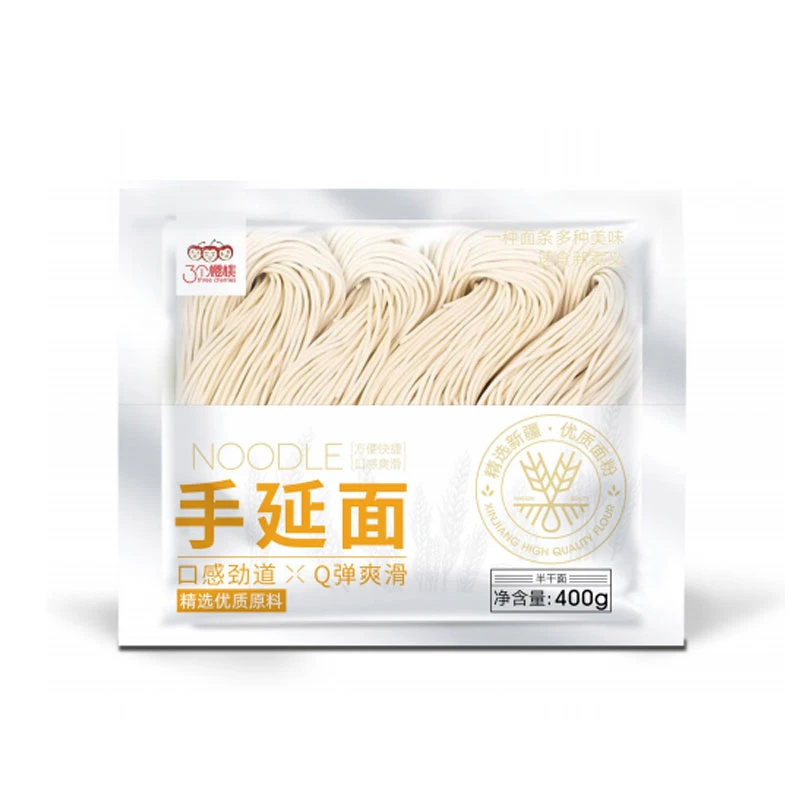
At their core, chinese pulled noodles are fresh wheat noodles, manually stretched and folded repeatedly to develop elasticity and thinness. This technique — rooted in centuries of craftsmanship — allows for quick cooking, delightfully chewy texture, and adaptability to countless dishes from spicy Sichuan broths to northern hand-pulled bowls.
Beyond food artistry, these noodles exemplify principles relevant to modern industries: precision, scalability (a skilled chef can ramp up production by adding assistants), and adaptability to local tastes. Surprisingly, the culinary technique even inspires robotics research aiming to automate noodle pulling while retaining that human touch.
Core Components of Chinese Pulled Noodles
- Dough Composition: Typically made with high-gluten wheat flour and water, sometimes a pinch of salt, which creates elasticity essential for pulling.
- Technique & Skill: The hallmark – continuous stretching and folding to produce uniform, chewy noodles.
- Texture & Consistency: Achieving the perfect bite requires controlling dough hydration and pulling rhythm.
- Cooking Method: Usually boiled briefly and immediately served or dipped into broths or stir-fried dishes.
- Cultural Variations: Regional styles vary in thickness, length, and even flavoring, reflecting local preferences and heritage.
Mini takeaway: Understanding these components reveals why mastery over each part influences the final dish’s success — it’s not just dough and hands but a complex interplay of science and art.
Global Applications & Use Cases
Chinese pulled noodles have transcended their regional origins to impress taste buds across continents. Chefs from New York to Sydney embrace chinese pulled noodles to add authenticity and texture to contemporary fusion menus. In some ways, these noodles are culinary ambassadors, inviting global diners to experience a piece of China’s food culture.
Some noteworthy contexts:
- Restaurants & Culinary Schools: Training on pulled noodles preserves traditional skills and encourages innovation.
- Mass Production Lines: Food companies explore semi-automated noodle pulling to scale authentically hand-made textures.
- Food Security Programs: Fresh noodles are nutritious, relatively affordable, and versatile — useful in diverse dietary support efforts.
For example, in immigrant communities worldwide, chinese pulled noodles maintain cultural connection while inspiring hybrid dishes. Oddly enough, this ancient technique fuels modern entrepreneurial stories where small restaurants become cultural hubs.
Advantages & Long-Term Value
Exploring chinese pulled noodles uncovers practical value beyond taste:
- Cost Efficiency: Making noodles from simple ingredients reduces dependence on expensive processed foods.
- Sustainability: Fresh noodles minimize packaging waste common in instant or dried variants.
- Health Benefits: Containing basic, non-processed ingredients, they support cleaner diets.
- Social Impact: Preserving the noodle-pulling craft nurtures artisan communities and builds cultural pride.
- Reliability: In crisis or resource-limited settings, quick food prep from straightforward ingredients proves invaluable.
Emotionally, the act of making and sharing hand-pulled noodles fosters connection, comfort, and a sense of belonging — all elements often underestimated in food’s role.
Future Trends & Innovations in Chinese Pulled Noodles
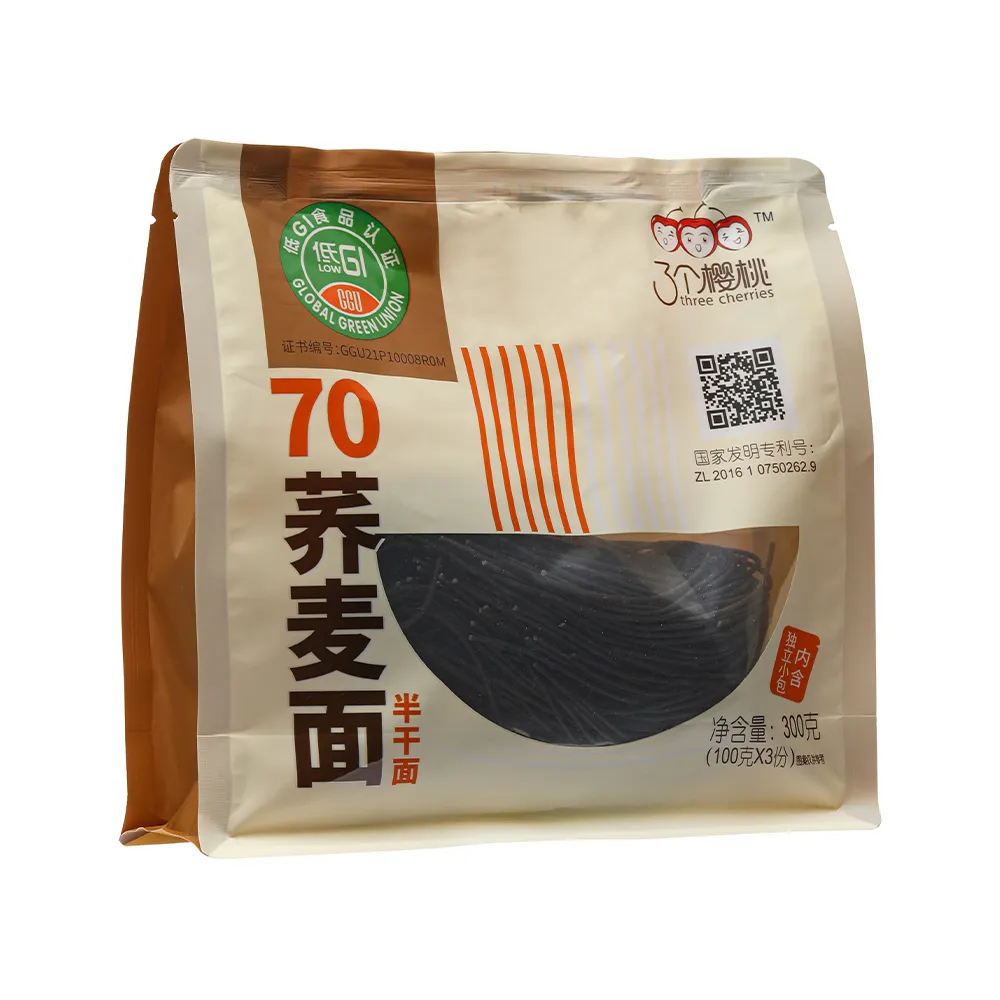
Surprisingly, tradition and tech now converge around chinese pulled noodles. Researchers work on automated noodle-pulling machines using AI and robotics, aiming for rapid production without losing hand-crafted quality. At the same time, sustainability-focused chefs experiment with alternative flours (like whole wheat, buckwheat, or even legume blends) to enhance nutrition and environmental footprint.
Additionally, digitization enables virtual culinary classes, connecting noodle masters globally and safeguarding skills for future generations. Green energy usage in noodle manufacturing facilities further reduces carbon impact — a modest yet meaningful step.
Challenges & Solutions
Of course, the process isn’t without hurdles:
- Skill Barrier: Mastering pulled noodles takes years of practice, limiting mass adoption.
- Consistency & Scale: Manual noodles can vary batch to batch, problematic for global food chains.
- Ingredient Quality: Variations in flour quality worldwide affect noodle texture.
To tackle these, some innovations focus on hybrid machines that assist stretching while allowing human control, balancing consistency and artistry. Meanwhile, supplier partnerships focus on standardized, high-gluten flour sourcing. Shared digital tutorials help amateurs master basics, broadening skill access.
Product Specification Table: Typical Chinese Pulled Noodle Attributes
| Attribute | Details |
|---|---|
| Flour Type | High gluten wheat flour (11-13% protein) |
| Water Ratio | 50-55% by weight |
| Salt | 0-1%, optional |
| Pull Count | Typically 6-8 times folding and stretching |
| Cooking Time | 1-3 minutes in boiling water |
Vendor Comparison Table: Leading Chinese Pulled Noodle Suppliers
| Vendor | Authenticity | Scale | Price Range | Delivery |
|---|---|---|---|---|
| JX Semi Dry Noodles Co. | High (Traditional techniques + quality control) | Medium to Large | $$ | Global |
| Handcrafted Lamian Co. | Very High (small batch) | Small | $$$ | Local/Regional |
| QuickNoodle Inc. | Medium (partial automation) | Large | $ | Global |
Frequently Asked Questions About Chinese Pulled Noodles
Q1: What differentiates chinese pulled noodles from other noodle types?
A1: The key difference lies in the manual pulling process, which develops gluten layers and elasticity uniquely. Unlike machine-cut noodles, hand-pulled ones have variable thickness and a signature chewiness. This method also affects cooking time and texture, delivering that classic tender but firm mouthfeel.
Q2: Can chinese pulled noodles be mass-produced without losing authenticity?
A2: It’s a challenge but feasible using hybrid machines that combine automation with skilled operator control. These innovations aim to replicate pulling motions while maintaining texture and quality, although purists argue only true hand-pulling can achieve genuine results.
Q3: How should fresh chinese pulled noodles be stored for best shelf life?
A3: Fresh noodles are best kept refrigerated and consumed within 2-3 days. For longer storage, freezing is effective but slightly alters texture. Proper airtight packaging helps retain moisture and prevents drying or spoilage.
Q4: Are chinese pulled noodles gluten-free?
A4: Traditionally, no. They use high-gluten wheat flours. However, some modern recipes experiment with alternative flours for gluten-sensitive consumers, although these don’t pull as well and differ in texture.
Conclusion
Chinese pulled noodles are more than just a culinary delight; they are a bridge linking history, culture, and modern innovation. Their global impact stretches from hand-crafted kitchens to new technology labs, reminding us that food traditions carry enduring value. For anyone curious to explore these noodles more deeply — whether as a chef, food business owner, or avid eater — visit https://www.jxsemidrynoodles.com to learn about authentic products and innovations in this field.
Personally, it feels like every plate of authentic pulled noodles served in a faraway city carries a little piece of human touch — a reminder we're connected by food’s power.
Mini takeaway: Embracing chinese pulled noodles means supporting cultural heritage, culinary innovation, and sustainable food practices worldwide.
References
-
Discover the Authentic Taste of Korean Buckwheat NoodlesNewsApr.16,2026
-
Discover the Refreshing Taste of Authentic Korean Cold SobaNewsApr.09,2026
-
Discover the Refreshing Taste of Korean Cold Buckwheat Noodles NaengmyeonNewsApr.07,2026
-
Discover the Cool and Refreshing World of Korean Buckwheat Noodles ColdNewsApr.04,2026
-
Discover the Refreshing Taste of Japanese Cold Buckwheat Noodles and Zaru SobaNewsMar.31,2026
-
Exploring the Delicious World of Chinese Style Cold NoodlesNewsMar.28,2026
-
Discover the Cool and Refreshing World of Korean Cold Soba NoodlesNewsMar.26,2026
Browse qua the following product new the we