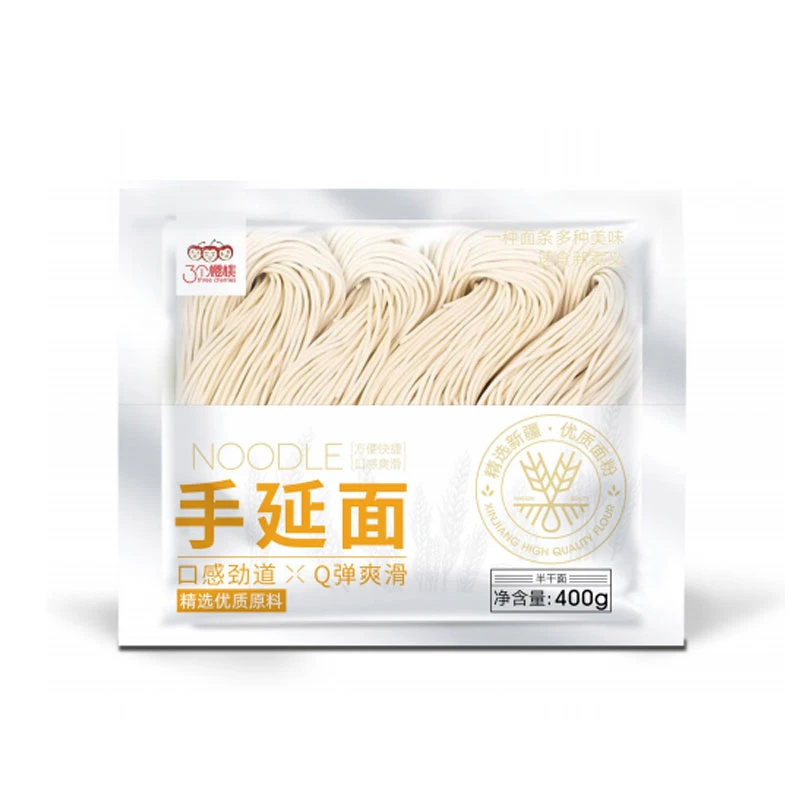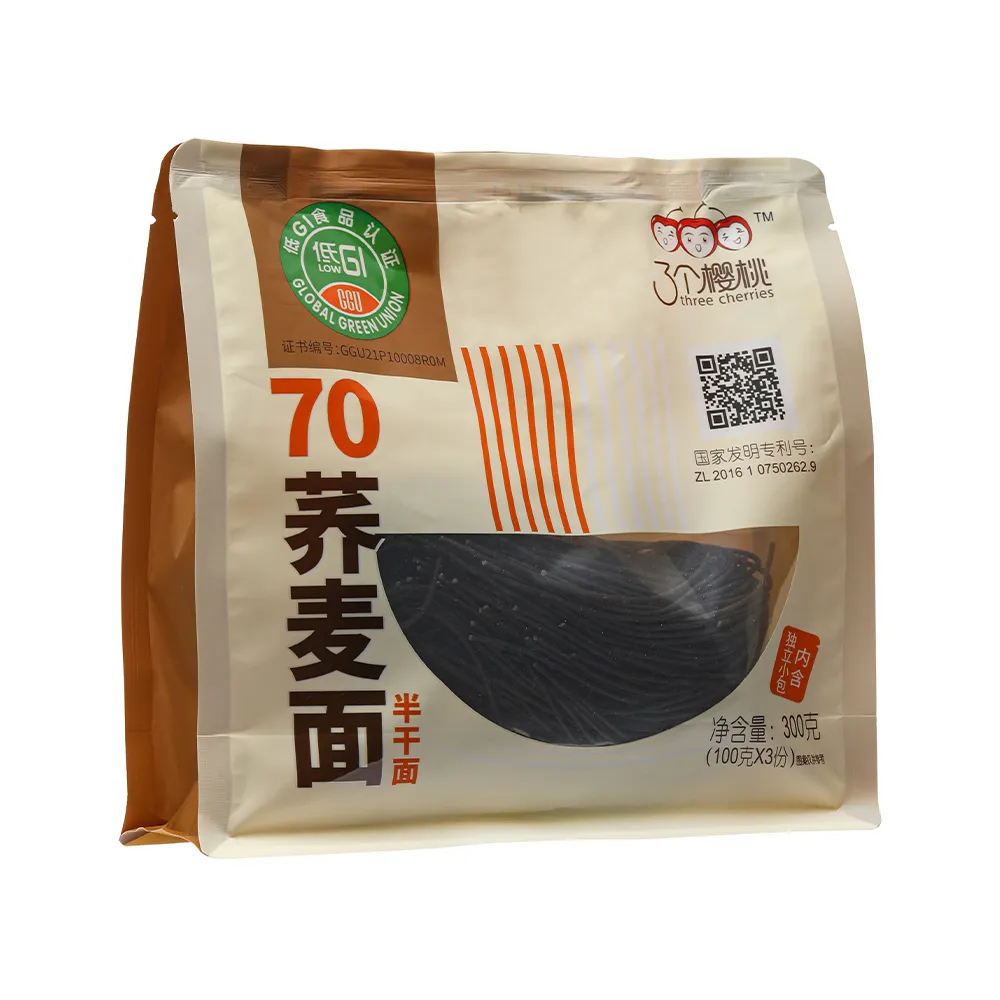

Udon for Industrial Food Production: Benefits, Costs & Sustainability | JX Semi-Dry Noodles
Udon is a key solution in the industry, specifically within the foodservice and manufacturing sectors. This article explores how https://www.jxsemidrynoodles.com supports professionals with durable, high-performance products, and explains why this product is an ideal choice for businesses in these sectors.
Table of Contents
- Udon Overview
- Benefits & Use Cases of Udon
- Cost, Maintenance & User Experience
- Sustainability & Market Trends
Udon Overview
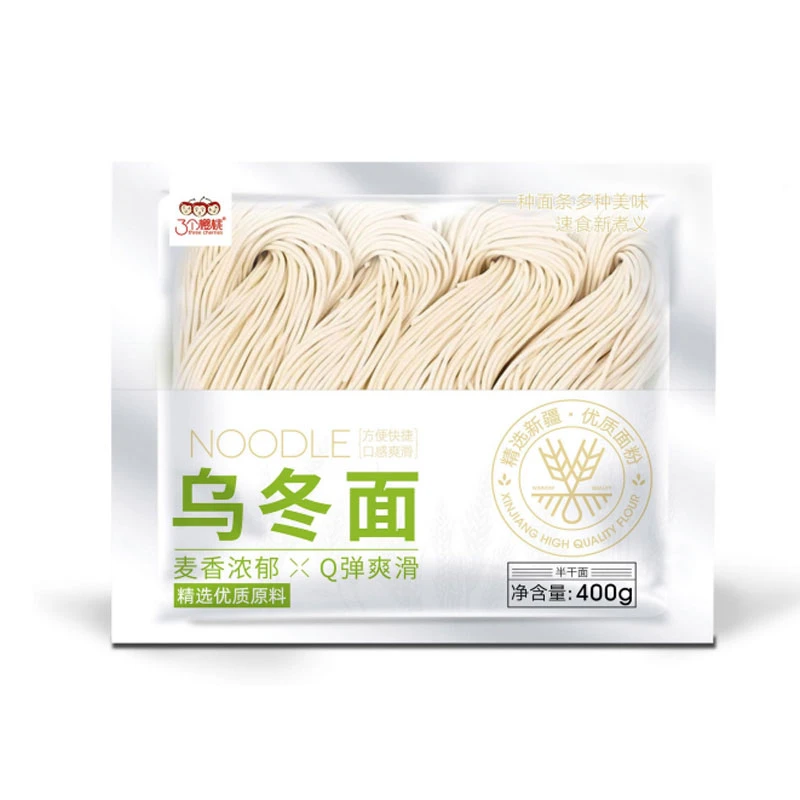
Udon, at its core, is a thick wheat noodle beloved not only for its taste but also for its versatility and quality in industrial food production. For B2B decision makers, understanding the technical nuances of Udon can make a world of difference when sourcing ingredients or products at scale. Importantly, Udon from this supplier is semi-dry, which offers an excellent shelf life and stability during shipping – something that many professionals find invaluable.
- Udon’s semi-dry process involves partial moisture removal to balance texture and durability.
- Typical specs include a thickness of about 3mm and a tensile strength suited for industrial-scale handling.
| Specification | Details |
|---|---|
| Noodle Thickness | Approximately 3mm |
| Moisture Content | 30% (semi-dry) |
| Shelf Life | 6-8 Months (refrigerated) |
| Packaging | Vacuum sealed in 5kg packs |
| Material | Premium Wheat Flour, Water, Salt |
Benefits & Use Cases of Udon
What makes Udon truly stand out in industrial applications is its unique texture and consistency — qualities that deliver repeatable results in large-scale kitchens and food production lines. You might be surprised how small ingredient or process variations can lead to big changes in product integrity. Thankfully, the semi-dry Udon offered here assures consistent cooking times and minimizes stickiness during processing.
- Used extensively in noodle soups, stir-fries, and packaged ready-to-eat meals.
- Features excellent moisture retention that supports texture even after reheating.
- Competitive edge: longer shelf life compared to fresh noodles without sacrificing quality.
| Vendor | Shelf Life | Packaging | Typical Pricing |
|---|---|---|---|
| JX Semi-Dry Noodles | 6-8 months refrigerated | Vacuum sealed, 5kg packs | Competitive |
| Traditional Fresh Udon | 7 days refrigerated | Plastic trays with film | Higher (due to perishability) |
| Instant Udon (Dry) | 12 months shelf-stable | Individual packs | Lower unit cost but lower texture quality |
Cost, Maintenance & User Experience
Frankly, when you’re managing bulk food production, the total cost of ownership (TCO) matters as much as product quality. Udon from the JX supplier tends to offer an excellent balance of upfront cost and ROI. Its semi-dry nature means less spoilage, fewer returns, and more predictable use on production lines. I’ve heard from several chefs and procurement officers that switching to this Udon reduced waste by nearly 15%, which in real terms is significant for annual budgets.
- Durability in transportation reduces unforeseen downtime.
- Vacuum packaging protects freshness, easing storage needs.
- User feedback often praises its consistent texture and flavor profile.
Sustainability & Market Trends
Sustainability isn't just a buzzword — it’s reshaping how companies source staples like Udon noodles. The supplier emphasizes environmentally friendly practices, such as sourcing wheat from certified farms and minimizing packaging waste. Looking at market trends, the increasing demand for semi-dry, longer shelf-life noodles aligns with shifts toward reducing food waste. Regulations in key markets are tightening, and products like this Udon help businesses stay compliant while meeting consumer expectations for quality and ethics.
- Eco-friendly packaging solutions reduce plastic usage.
- Growing global markets for authentic, premium noodles.
- Digital ordering platforms streamline supply chain transparency.
Frequently Asked Questions about Udon
- What is Udon and how does it work?
- Udon is a thick wheat noodle traditionally used in Japanese cuisine. It works by combining wheat flour with water and salt to create a sturdy noodle that can be boiled, stir-fried, or served in broth. The semi-dry production method used by JX Semi-Dry Noodles balances moisture content for improved durability and shelf life.
- What are the main benefits of using Udon in industrial applications?
- Its semi-dry state offers extended shelf life and less breakage during transport. It cooks evenly and maintains texture, which is crucial for large-scale food production. Cost-effectiveness and easier inventory management are other key benefits.
- How does Udon compare to traditional alternatives?
- Compared to fresh Udon, this semi-dry version lasts longer and reduces waste. Against instant dry noodles, it offers a noticeably better texture and taste, even though the latter lasts longer shelf-stable.
- What industries can benefit most from Udon implementation?
- Foodservice providers, instant meal manufacturers, and institutional cafeterias particularly benefit. Success stories include large-scale hotel chains that streamlined their noodle supply using this product for consistent quality.
Conclusion on Udon from China
In short, Udon from https://www.jxsemidrynoodles.com represents a smart choice for businesses seeking quality, reliability, and efficiency in their noodle supply. Its blend of durability, texture, and sustainability checks many boxes — making it a valuable addition to your food production lineup.
- A robust product worthy of strategic sourcing decisions.
- Visit our website: https://www.jxsemidrynoodles.com
Reflecting on this, it’s clear that Udon’s role in industrial food solutions is quietly expanding — it’s not just a noodle; it’s a dependable ingredient in a complex supply chain, and that reliability counts for a lot. For decision makers looking to optimize cost and quality, looking into specialized suppliers like JX Semi-Dry Noodles seems well worth the time.
References:
1. Industry whitepapers on semi-dry noodle production
2. Customer case studies from JX Semi-Dry Noodles
3. Market reports on sustainability trends in foodservice
-
Discover the Authentic Taste of Korean Buckwheat NoodlesNewsApr.16,2026
-
Discover the Refreshing Taste of Authentic Korean Cold SobaNewsApr.09,2026
-
Discover the Refreshing Taste of Korean Cold Buckwheat Noodles NaengmyeonNewsApr.07,2026
-
Discover the Cool and Refreshing World of Korean Buckwheat Noodles ColdNewsApr.04,2026
-
Discover the Refreshing Taste of Japanese Cold Buckwheat Noodles and Zaru SobaNewsMar.31,2026
-
Exploring the Delicious World of Chinese Style Cold NoodlesNewsMar.28,2026
-
Discover the Cool and Refreshing World of Korean Cold Soba NoodlesNewsMar.26,2026
Browse qua the following product new the we