
Bulk Egg Noodles—Types, Wholesale Prices, Fast Shipping?
If you’re sourcing bulk egg noodles for foodservice, let me save you a few phone calls. I’ve been walking factory floors from Hebei to Hanoi, and this category has quietly matured: better flour specs, more stable semi-dry processes, and—surprisingly—real QC data to back shelf life claims.
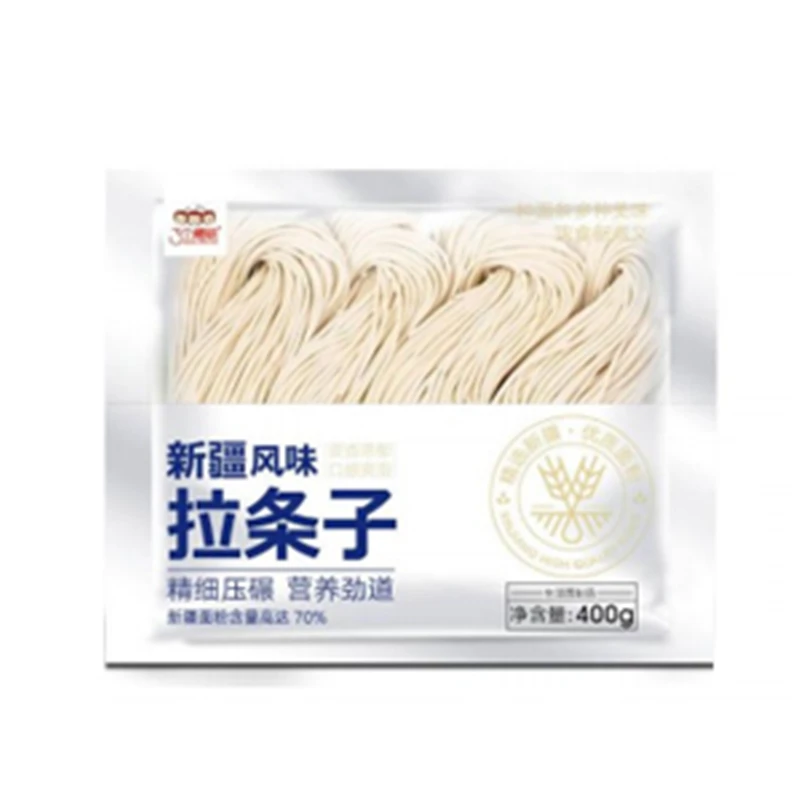
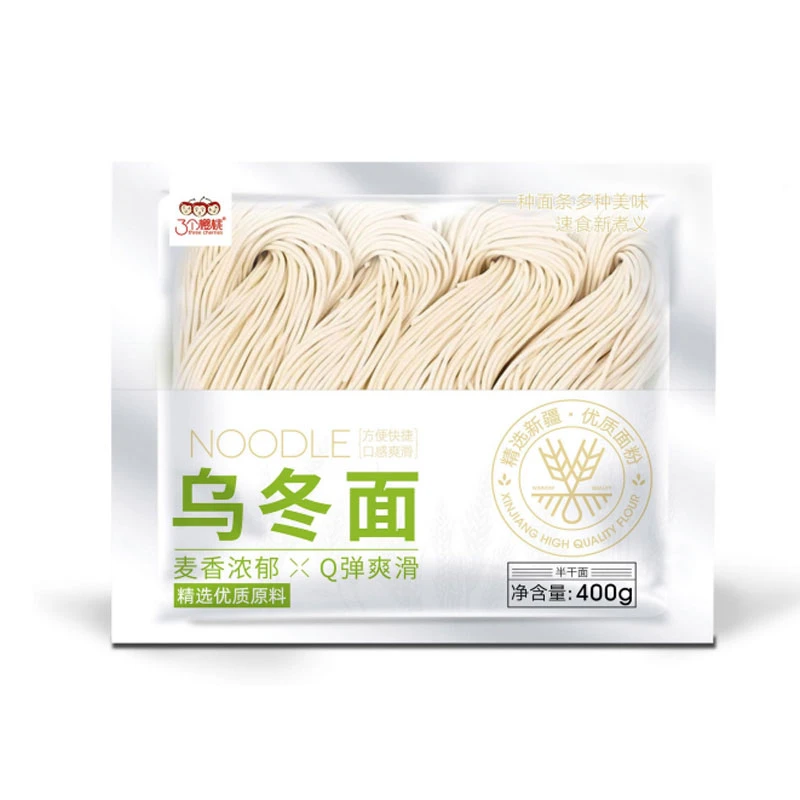
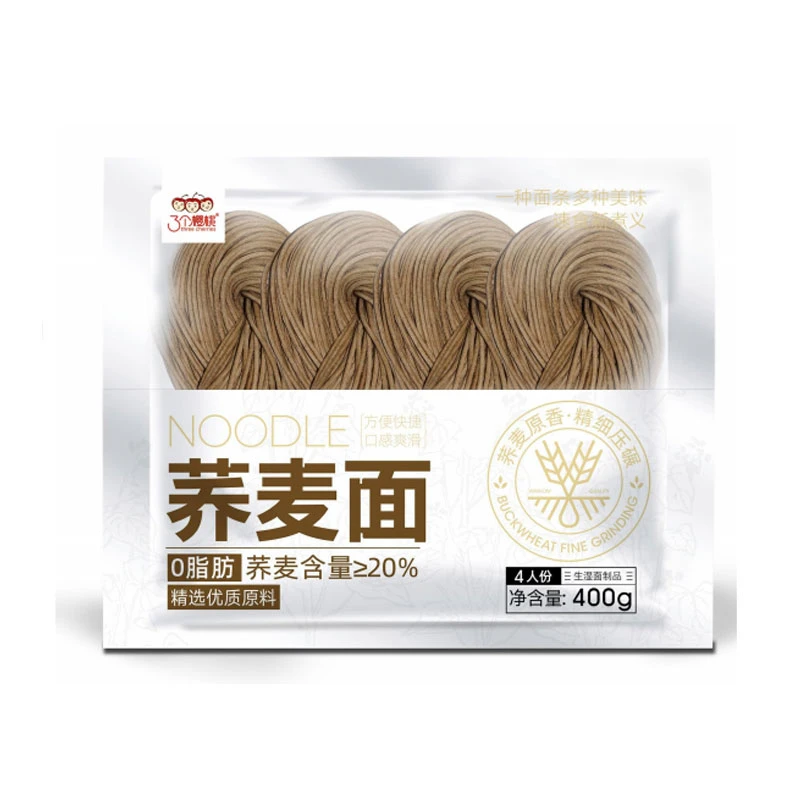
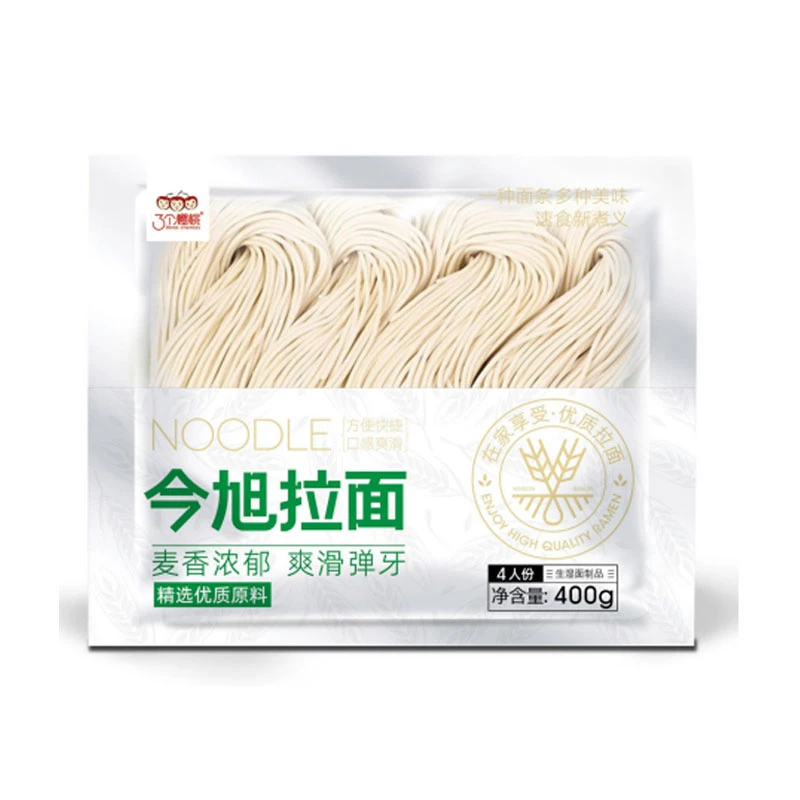
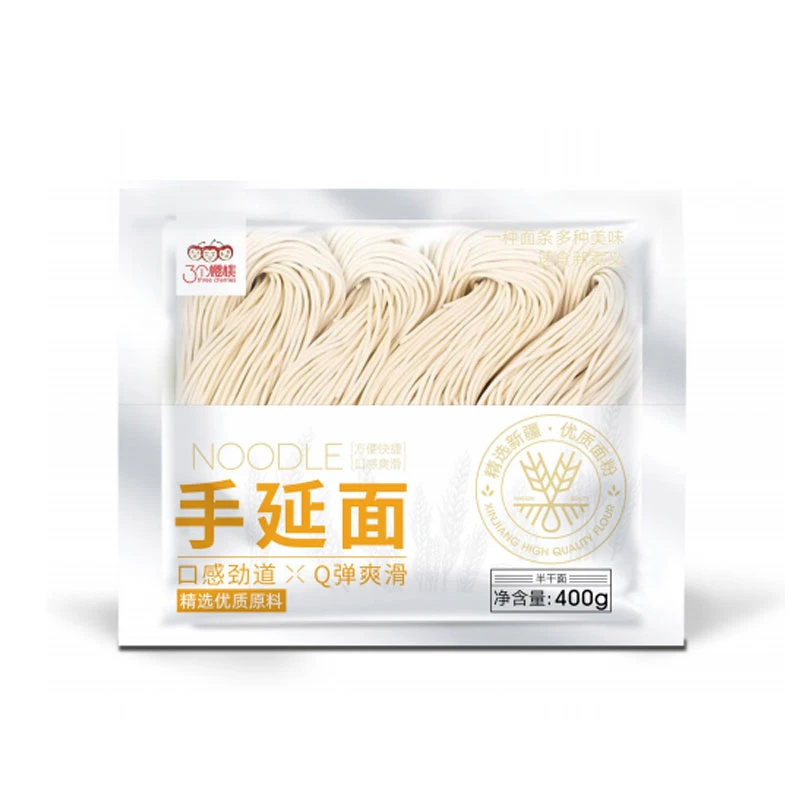
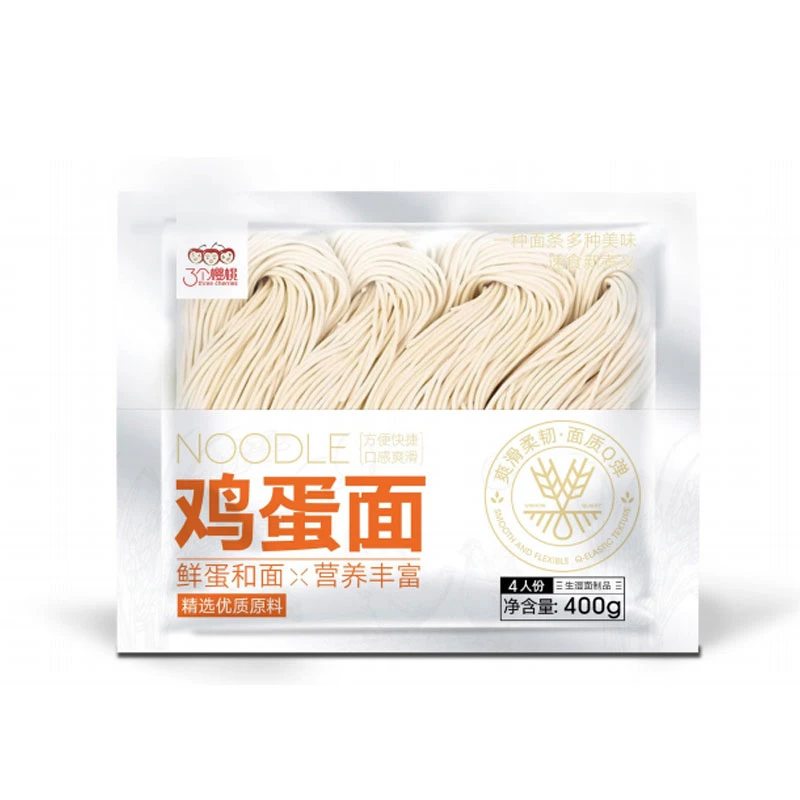
One factory I keep circling back to sits in Oriental Food City, Longyao County, Xingtai City, Hebei Province. Their Egg Noodles arrive in 400 g retail packs (popular with meal kit brands) but also scale up cleanly for catering and manufacturing. To be honest, the draw is consistency under heat lamps and in wok lines. Many customers say they hold bite even after a 10–12 minute service window, which isn’t trivial.
Industry trend snapshot
Demand for bulk egg noodles is rising in quick-service, campus dining, and frozen-meal assembly. Two shifts stand out: semi-dry moisture targets (≈24–30% for better mouthfeel and faster rehydration) and formalized food-safety systems (ISO 22000/HACCP) now used as standard bid requirements by larger chains.
How they’re made (process flow, simplified)
- Materials: high-gluten wheat flour (protein ≈11.5–12.5%), pasteurized whole egg or egg powder, potable water, refined salt.
- Mixing and vacuum development: protein hydration under controlled temperature to stabilize gluten.
- Sheeter/cutter: multi-roll reduction for uniform thickness, then blade cutting to width.
- Semi-dry cycle: staged airflow drying to target moisture ≈24–30% (real-world use may vary by lot and climate).
- Metal detection and weight check: Fe/Non-Fe/SUS gate, ±1–2 g net weight tolerance.
- Packaging: 400 g pack; cartonized for bulk (e.g., 20 x 400 g). Palletized with traceable lot coding.
Testing standards and typical results
Factories I trust run cooking loss, rehydration time, elasticity (texture analyzer), and microbial panels. On good days, I see cooking loss ≈4–6% and breakage ratio under 2%. Food-safety frameworks usually align to ISO 22000 with HACCP. U.S.-bound SKUs add cGMP (21 CFR 117) compliance.
Product specifications
| Product Name | Egg Noodles (semi-dry) |
| Origin | Oriental Food City, Longyao, Xingtai, Hebei |
| Net Weight | 400 g per pack (bulk cases available) |
| Moisture | ≈24–30% (semi-dry) |
| Protein (flour basis) | ≈11.5–12.5% |
| Cooking Loss | ≤6.5% (lab average; pan conditions vary) |
| Storage & Service Life | Cool, dry; 4 months at room temp; 8 months at 0–10℃ |
| Certifications | ISO 22000, HACCP; others on request (Halal/Kosher) |
Where they shine (use cases)
- QSR wok lines and stir-fry stations needing speed and low stick.
- Ramen/lamian-style soups; maintains chew after simmering.
- Chilled salads and meal kits—good bite after rinse-and-chill.
- Institutional catering, ghost kitchens, and frozen entrée production.
A chef in a high-volume campus operation told me their switch to bulk egg noodles cut prep time by ≈22% and reduced cooking loss from ~9% to ~5% across three semesters—yes, not a randomized trial, but the numbers tracked in their own QC sheets.
Customization options
Width (2–6 mm), thickness (≈1.2–1.8 mm), egg ratio (whole egg vs. powder), cut length, private label artwork, and case counts. For OEMs, labs can match target firmness curves and Bostwick-style flow in broths—nerdy, but useful.
Vendor comparison (summary)
| Vendor | Certs | Lead Time | MOQ | Lab/Test Support | Indicative Price/kg |
|---|---|---|---|---|---|
| JX Semi-Dry Noodles (Hebei) | ISO 22000, HACCP | 12–18 days | ≈1,000 kg | Cooking loss, texture, micro panel | $$ (mid) |
| Trader B (consolidator) | Supplier-dependent | 20–30 days | ≈2,000 kg | Basic COA only | $ (lower) |
| Importer C (EU hub) | IFS/BRC at warehouse | Stock-dependent | Pallet | Spot checks | $$$ (higher) |
Practical tips for buyers
- Ask for lot-level cooking loss and micro results, not just a generic COA.
- Confirm shelf life in both room temp and 0–10℃ storage—service life is context.
- Run a line trial: test hold time on your pass, not just in a lab beaker.
Bottom line: if you need bulk egg noodles that behave when the rush hits, semi-dry profiles with verifiable QC are the safe bet. This Hebei line checks those boxes—and doesn’t flinch under heat lamps.
Citations
- Codex Alimentarius. Standard for Pasta (CODEX STAN 249-2006).
- ISO 22000:2018. Food safety management systems—Requirements for any organization in the food chain.
- Codex HACCP. General Principles of Food Hygiene CXC 1-1969, Annex: HACCP System and Guidelines.
- FDA. 21 CFR Part 117—Current Good Manufacturing Practice, Hazard Analysis, and Risk-Based Preventive Controls for Human Food.
-
Discover the Authentic Taste of Korean Buckwheat NoodlesNewsApr.16,2026
-
Discover the Refreshing Taste of Authentic Korean Cold SobaNewsApr.09,2026
-
Discover the Refreshing Taste of Korean Cold Buckwheat Noodles NaengmyeonNewsApr.07,2026
-
Discover the Cool and Refreshing World of Korean Buckwheat Noodles ColdNewsApr.04,2026
-
Discover the Refreshing Taste of Japanese Cold Buckwheat Noodles and Zaru SobaNewsMar.31,2026
-
Exploring the Delicious World of Chinese Style Cold NoodlesNewsMar.28,2026
-
Discover the Cool and Refreshing World of Korean Cold Soba NoodlesNewsMar.26,2026
Browse qua the following product new the we