
Are Soba Noodles Low GI? Understanding Their Health Benefits and Global Importance
Understanding: Are Soba Noodles Low GI and Why It Matters
When you think of soba noodles, the slim buckwheat strands straight from Japan might just seem like dinner options. But the question are soba noodles low GI sparks a bit more interest beyond just taste — it touches on health, nutrition, and global dietary trends. Why is that important? Well, the choice of food that maintains balanced blood sugar is critical worldwide as the prevalence of diabetes and metabolic disorders keeps climbing. So, understanding if soba noodles are low glycemic index (GI) foods could help millions find a delicious yet safer carb option for daily meals.
Frankly, the GI ranking of foods influences how fast blood sugar rises after eating, which impacts energy, weight management, and long-term health. As soba noodles gain global popularity, discerning their actual GI value helps consumers and dietitians around the globe make informed decisions.
The Global Context of Low GI Foods Like Soba Noodles
Globally, diabetes affects over 537 million adults and is anticipated to rise, according to the International Diabetes Federation. Low GI foods are championed for minimizing blood sugar spikes, improving heart health, and supporting weight control — a huge deal as urbanization and changing diets alter lifestyles. In regions like East Asia, Europe, and North America, soba noodles are transitioning from a niche ethnic food to a mainstream staple, especially among the health-conscious.
However, inconsistencies in glycemic index readings and cultural acceptance pose challenges. This question — "are soba noodles low GI?" — isn’t just academic. It bridges Asian culinary traditions with modern nutritional science and humanitarian calls for affordable, healthy staples that reduce chronic disease burdens globally.
Defining Soba Noodles and What Low GI Means
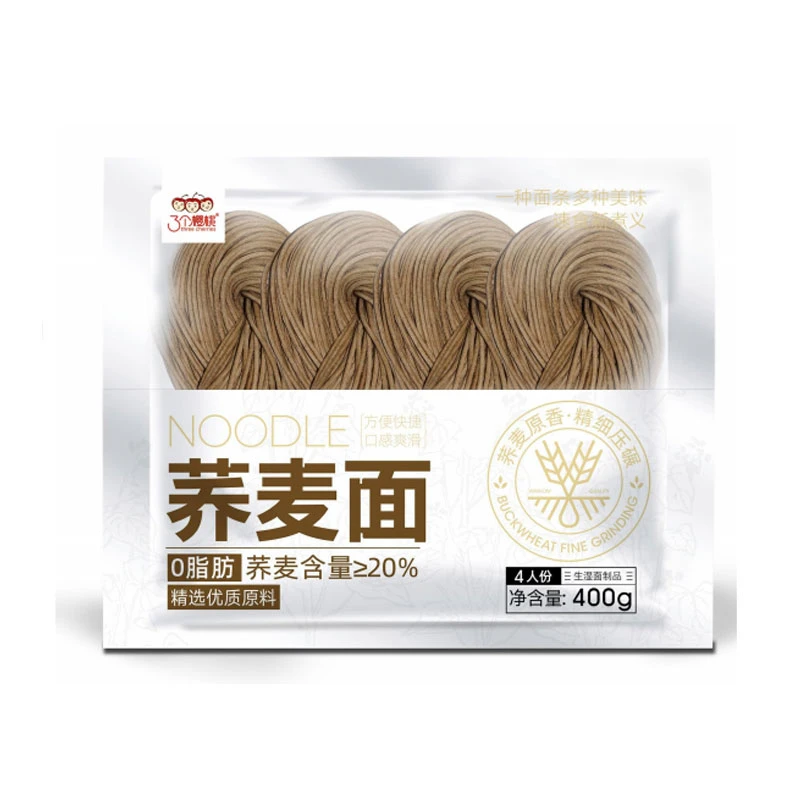
Simply put, soba noodles are thin noodles made primarily from buckwheat flour, sometimes blended with wheat flour. The "GI" or glycemic index ranks carbohydrate-containing foods on a scale from 0 to 100 based on how quickly they raise blood glucose. Foods under about 55 are considered low GI, offering a slow, steady energy release.
So, “are soba noodles low GI” boils down to whether they cause a slower blood sugar rise compared to white pasta or rice. Given that buckwheat is naturally higher in fiber and protein and lower in starch than wheat, it’s often assumed soba noodles sit at a lower GI — but things can get complicated quickly depending on ingredients and cooking methods.
Key Factors Affecting Soba Noodles’ Glycemic Index
1. Buckwheat Content
The percentage of buckwheat in soba noodles heavily determines their GI. Pure buckwheat noodles generally have a lower GI compared to blends with wheat flour, which can raise the GI closer to regular pasta.
2. Processing and Milling
Finely milled flours tend to digest quicker, pushing the GI upward. Coarser buckwheat flour retains more fiber, helping blunt blood sugar spikes.
3. Cooking Time
Overcooking soba noodles softens starches, making them easier to digest and increasing their GI. Al dente textures keep it lower.
4. Serving Size and Accompaniments
Eating soba noodles with vegetables, protein, or healthy fats reduces overall meal GI impact. Just plain noodles won’t paint the whole picture.
5. Individual Metabolism
Some people’s blood sugar reacts differently — genetics, gut microbiomes, even stress come into play.
Mini takeaway: Not all soba noodles are created equal on the GI scale. The buckwheat ratio, processing, cooking, and meal context all matter.
Global Use Cases: Where Low GI Soba Makes a Difference
In Japan, soba has been a staple for centuries, often celebrated for its nutritional qualities. More recently, health clinics in Europe and North America have incorporated soba into diabetic-friendly meal plans. Post-disaster aid organizations look for shelf-stable, nutrient-rich foods that won’t exacerbate blood sugar problems — soba noodles can sometimes fit that bill if packaged properly.
Even athletes working on steady energy release during training sessions include soba as a carb source. Meanwhile, Asian wellness tourism highlights soba noodle dishes as part of traditional, balanced diets.
Regions with rising diabetes rates, such as South Asia and parts of Africa, are experimenting with soba incorporation efforts, trying to marry heritage grains with modern dietary needs.
Product Specification Table: Typical Nutritional Profile of Soba Noodles
| Characteristic | Typical Value per 100g (Cooked) |
|---|---|
| Calories | 99 kcal |
| Carbohydrates | 21 g |
| Dietary Fiber | 2.5 g |
| Protein | 5 g |
| Fat | 0.1 g |
| Glycemic Index | 45–55 (varies by type) |
Comparing Popular Soba Noodle Vendors
| Vendor | Buckwheat Content | Typical GI | Price Range | Organic Certification |
|---|---|---|---|---|
| Yamamoto Soba | 100% | 45 | $$$ | Yes |
| Soba Harvest | 80% | 50 | $$ | No |
| Global Noodle Co. | 70% | 55 | $ | No |
Advantages and Long-Term Value of Eating Low GI Soba
Choosing soba noodles, particularly those with high buckwheat content, presents multiple benefits:
- Better blood sugar control: Multiple clinical studies show buckwheat’s ability to moderate post-meal glucose changes.
- Sustainability: Buckwheat thrives in poor soils with fewer pesticides, promoting eco-friendly farming.
- Rich in nutrients: Buckwheat provides balanced protein and antioxidants, supporting overall health.
- A heart-friendly choice: Lower GI means less strain on cardiovascular systems over time.
Emotionally, it’s comforting to have a traditional, tasty meal that also supports wellness — it feels like the best of both worlds.
Future Trends in Low GI Noodle Innovation
There’s a fascinating push towards improving soba noodles through biotechnology and sustainable agriculture. Expect:
- New buckwheat cultivars bred for higher fiber and resilience.
- Gluten-free, purely buckwheat soba expanding for allergy-conscious markets.
- Smart packaging that preserves nutrition and shelf life, helping disaster aid food distribution.
- Digital health apps linking food consumption with personal blood sugar trends, raising awareness.
Oddly enough, the fusion of tradition and tech feels like the secret sauce behind future low GI soba noodles.
Challenges & Practical Solutions
Despite the benefits, there are hurdles:
- GI variability: Not all soba noodles guarantee a low GI — inconsistent recipes and cooking methods confuse consumers.
- Price barriers: Pure buckwheat noodles often cost more than wheat blends.
- Consumer awareness: Many still mistreat soba as “just noodles” missing their health edge.
Experts suggest educating customers, standardizing production, and subsidizing organic buckwheat farming to overcome these.
FAQ: Answering Common Questions About Are Soba Noodles Low GI
- Q: What makes soba noodles lower GI than regular pasta?
- A: Buckwheat’s high fiber and protein content slow digestion, resulting in steadier blood sugar rises compared to refined wheat pastas.
- Q: Can I eat any soba noodles and expect low GI benefits?
- A: Not exactly — look for 100% or high buckwheat content. Wheat-heavy noodles will usually have higher GI values.
- Q: How does cooking affect soba noodle GI?
- A: Overcooked noodles digest quicker, raising GI. It’s best to cook them al dente to retain low GI benefits.
- Q: Are soba noodles suitable for diabetic diets?
- A: Generally yes, especially pure buckwheat types. But as always, portion control and balanced meals matter most.
Wrapping Up: Why Consider Low GI Soba Noodles?
In real terms, soba noodles offer more than just a culinary delight — they help bridge tradition with the pressing need for healthier carbs globally. Whether you’re a diabetic looking for smarter meals or an adventurous foodie, understanding are soba noodles low gi brings clarity and choice.
So next time you see those buckwheat noodles at the store or your favorite restaurant, you know you might be biting into a low GI powerhouse food, supporting both your health and a more sustainable food future.
Visit our website: https://www.jxsemidrynoodles.com to explore more!
References:
-
Discover the Authentic Taste of Korean Buckwheat NoodlesNewsApr.16,2026
-
Discover the Refreshing Taste of Authentic Korean Cold SobaNewsApr.09,2026
-
Discover the Refreshing Taste of Korean Cold Buckwheat Noodles NaengmyeonNewsApr.07,2026
-
Discover the Cool and Refreshing World of Korean Buckwheat Noodles ColdNewsApr.04,2026
-
Discover the Refreshing Taste of Japanese Cold Buckwheat Noodles and Zaru SobaNewsMar.31,2026
-
Exploring the Delicious World of Chinese Style Cold NoodlesNewsMar.28,2026
-
Discover the Cool and Refreshing World of Korean Cold Soba NoodlesNewsMar.26,2026
Browse qua the following product new the we