
Soba for Weight Loss: A Nutritious, Sustainable Solution for Healthy Living
Understanding Soba for Weight Loss: Why It Matters Globally
Soba noodles, a traditional Japanese buckwheat delicacy, have recently stirred up a buzz far beyond Japan's borders. Why? Because soba for weight loss encapsulates a fascinating intersection of nutrition, cultural cuisine, and sustainable eating. In a world where overweight and obesity affect roughly 39% of adults globally (according to the World Health Organization), exploring natural, wholesome food options is more than trendy—it's crucial.
People everywhere struggle with balancing calorie intake and nutritional value. Soba noodles, rich in fiber and protein but relatively low in calories compared to traditional wheat-based pasta, offer a tasty solution to this challenge. But its global relevance isn’t purely about dieting; it’s about how food can evolve to meet health-conscious demands while preserving cultural heritage.
The Global Appeal of Soba for Weight Loss: A Growing Industry Perspective
Industries tied to health and nutrition have noticed soba's rise, not just as a culinary item but as an ingredient with market potential. The global healthy noodles market is projected to grow significantly over the next decade, partly propelled by soba’s inclusion.1 Countries like the U.S., South Korea, and even European nations have seen growing demand as consumers seek low-GI (glycemic index) foods. This aligns with ISO's increasing focus on food quality standards and food safety regulations that support better consumer choices worldwide.
Still, challenges persist: how to keep noodles flavorful while reducing calories, or addressing buckwheat allergies and supply chain sustainability? For manufacturers and nutritionists, soba for weight loss means innovating without losing authenticity.
What Exactly Is Soba for Weight Loss?
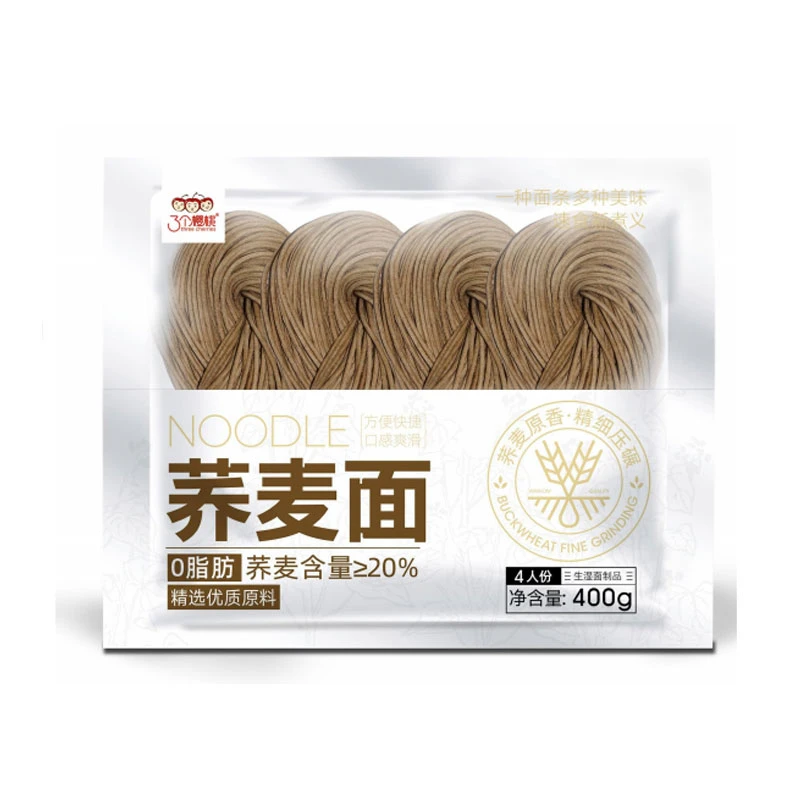
Simply put, soba for weight loss refers to soba noodles—or soba-based dishes—strategically used due to their nutritional benefits to support weight management. Made primarily from buckwheat flour, soba has a higher protein content and more dietary fiber than standard pasta or rice noodles. This slows digestion, helping regulate hunger and blood sugar—important factors if you are monitoring weight.
In humanitarian and health-conscious sectors, soba is gaining ground as a nutritious, affordable staple offering an alternative to carb-heavy staple foods like white rice or wheat noodles, which can spike blood sugar levels. It’s a small but meaningful step toward combating diet-related health problems.
Key Components That Make Soba Ideal for Weight Management
1. Nutritional Density
One of soba’s staples for weight loss is high nutritional density. It packs protein, fiber, minerals like manganese and magnesium, plus vitamins like B-complex—all contributing to a filling, balanced meal.
2. Low Glycemic Index
Soba’s low glycemic index means it releases glucose more slowly, stabilizing energy and reducing overeating—vital for sustained weight control.
3. Versatility in Diets
Gluten sensitivity? Many soba variants contain a high percentage of buckwheat, naturally gluten-free, making them an accessible option across dietary needs.
4. Sustainability
Buckwheat requires relatively few pesticides and is tolerant to poor soils, making it's production eco-friendlier compared to wheat. So, it’s not just your waistline but the planet that benefits.
5. Culinary Adaptability
From hot soups to chilled salads, soba noodles adapt to various cuisines and meal preferences, facilitating easier integration into everyday eating patterns.
Product Specification Table: Typical Soba Noodles (100g serving)
| Nutrient | Amount | Benefit |
|---|---|---|
| Calories | 99 kcal | Low energy density supports calorie control |
| Protein | 5.1 g | Supports muscle maintenance and satiety |
| Dietary Fiber | 2.7 g | Improves digestion and fullness |
| Carbohydrates | 21 g | Slow energy release with low GI |
| Gluten | Varies (often gluten-free) | Suitable for gluten-sensitive diets |
Global Applications & Use Cases
- Health-focused food brands in the U.S. and Europe have incorporated soba noodles into meals targeting weight management and diabetic consumers.
- In Japan and Korea, sobayu (the hot water used to cook soba) is prized for extra nutrients, pushing the whole-food aspect to the forefront.
- Non-Governmental Organizations (NGOs) working on food security have explored buckwheat cultivation in remote areas because it grows well in poor soils, supplementing diets when rice or wheat is scarce.
- Dietitians and nutritionists recommend soba as part of balanced meal plans for clients aiming for slow, sustainable weight loss.
Advantages & Long-Term Value
Eating soba for weight loss isn’t just about chopping calories—it’s about inviting a natural, wholesome ingredient that bridges health and tradition. This means:
- Cost Efficiency: Soba production can be economical and sustainable, especially in regions with marginal farmland.
- Sustainability: Buckwheat's low environmental footprint aligns with growing eco-consciousness among consumers.
- Social Impact: Encouraging local buckwheat farming can boost rural economies and promote food sovereignty.
- Reliability: With longer shelf life than fresh wheat pasta, soba enables better food storage and less waste.
- Emotional Comfort: Many users find soba comforting—maybe because it feels like a connection to cultural roots or a gentle, satisfying meal.
Vendor Comparison: Popular Soba Noodle Brands
| Brand | Organic Certification | Buckwheat Percentage | Gluten-Free? | Price Range (per 200g) |
|---|---|---|---|---|
| Nissin Soba | Yes | 80% | No | $3.50 - $4.00 |
| Hakubaku | Yes | 100% | Yes | $6.00 - $6.50 |
| King Soba | Yes | 100% | Yes | $5.50 - $6.00 |
Future Trends & Innovations in Soba for Weight Loss
Looking ahead, innovation creeps in on multiple fronts. For one, biotechnological advances could increase buckwheat yields while enhancing its nutrient profile. Food technologists are exploring blends with other super-grains like quinoa or amaranth to further bolster protein content.
Digital transformation in supply chains can boost traceability, ensuring authentic organic soba reaches consumers fresh and unadulterated. Meanwhile, sustainability trends push for packaging innovations reducing plastic waste.
Finally, startups and nutrition apps increasingly incorporate soba recipes targeting personalized diets, especially for diabetics and weight watchers—proof that soba’s story is everywhere.
Current Challenges & Practical Solutions
The road, however, is not free of bumps. Buckwheat farming sometimes suffers from limited mechanization, meaning higher labor costs. Also, despite being naturally gluten-free, many soba noodles are produced with wheat flour mixed in, confusing gluten-sensitive buyers.
Experts suggest clearer labeling, better education for consumers, and expanding mechanized farming tools. Importers and NGOs alike stress improving cold chain logistics to maintain quality during transport — a seemingly small thing that makes a big difference in shelf life.
FAQ: Frequently Asked Questions About Soba for Weight Loss
Q1: Is soba better than traditional pasta for weight loss?Yes, in many cases. Soba noodles have a lower calorie density and contain more protein and fiber, which help keep you full longer. This can reduce overall calorie intake compared to typical pasta.
Q2: Can soba noodles trigger gluten allergies?Not always. Pure buckwheat soba is gluten-free, but many commercial soba products mix buckwheat with wheat flour. Always check labels carefully if you have gluten sensitivity.
Q3: How can soba be incorporated into a healthy weight loss diet?Use it as a base for balanced meals—pair with vegetables and lean protein. Portion control is key; despite benefits, soba is still a carbohydrate source.
Q4: Are there sustainable sources of soba available globally?Growing buckwheat is expanding globally, particularly in Eastern Europe and parts of North America. Several organic producers follow eco-friendly practices, helping sustainability efforts.
Conclusion: Embracing Soba as Part of a Balanced Lifestyle
When it comes to soba for weight loss, we’re not just talking about a trendy noodle; it’s a living example of how traditional foods can meet modern needs. It's affordable, nutritious, environmentally conscious, and globally adaptable—qualities we need more of in today's food systems.
For anyone curious about integrating soba into their diet or product line, the future’s looking bright — a little buckwheat can go a long way.
Discover more delicious possibilities and learn how to get authentic soba noodles at our website: https://www.jxsemidrynoodles.com.
References
-
Discover the Authentic Taste of Korean Buckwheat NoodlesNewsApr.16,2026
-
Discover the Refreshing Taste of Authentic Korean Cold SobaNewsApr.09,2026
-
Discover the Refreshing Taste of Korean Cold Buckwheat Noodles NaengmyeonNewsApr.07,2026
-
Discover the Cool and Refreshing World of Korean Buckwheat Noodles ColdNewsApr.04,2026
-
Discover the Refreshing Taste of Japanese Cold Buckwheat Noodles and Zaru SobaNewsMar.31,2026
-
Exploring the Delicious World of Chinese Style Cold NoodlesNewsMar.28,2026
-
Discover the Cool and Refreshing World of Korean Cold Soba NoodlesNewsMar.26,2026
Browse qua the following product new the we