
Are Soba Noodles Good for Weight Loss? Nutrition, Benefits & Global Trends
Are Soba Noodles Good for Weight Loss? A Global Perspective
If you’ve ever wandered down the Asian grocery aisle or scrolled through health blogs, you might have stumbled upon soba noodles as a touted “healthy alternative.” But are soba noodles good for weight loss? It’s a question that pops up more than you'd think. After all, in a world fixated on wellness, understanding what foods genuinely aid slimming efforts can be... tricky. Soba noodles, made primarily from buckwheat flour and cherished in Japanese cuisine, have an intriguing nutritional profile that potentially aligns with weight management goals.
Globally, the interest in soba noodles isn’t just about taste. With obesity rates rising worldwide (according to the WHO, nearly 13% of adults were obese in 2016), finding culturally diverse and healthful alternatives to common carb sources has become vital. Understanding soba’s benefits might offer a tasty edge in weight loss strategies—making it worth a closer look.
The Global Context of Soba Noodles and Weight Management
In recent years, soba noodles have gained traction beyond Japan. Nutritional awareness, combined with global food trends leaning toward plant-based and whole food diets, has boosted the profile of soba. With the Food and Agriculture Organization (FAO) noting shifts toward traditional diets as a sustainable path for many countries, soba noodles provide a nod to heritage foodways while offering modern nutritional value.
However, the challenge remains: How do soba noodles fit into diverse diets where weight loss is a concern? Quick carbs are often blamed for weight gain, but soba’s composition might buck that trend. This makes the question “are soba noodles good for weight loss” both timely and relevant — helping both consumers and food suppliers make smarter choices.
What Exactly Are Soba Noodles?
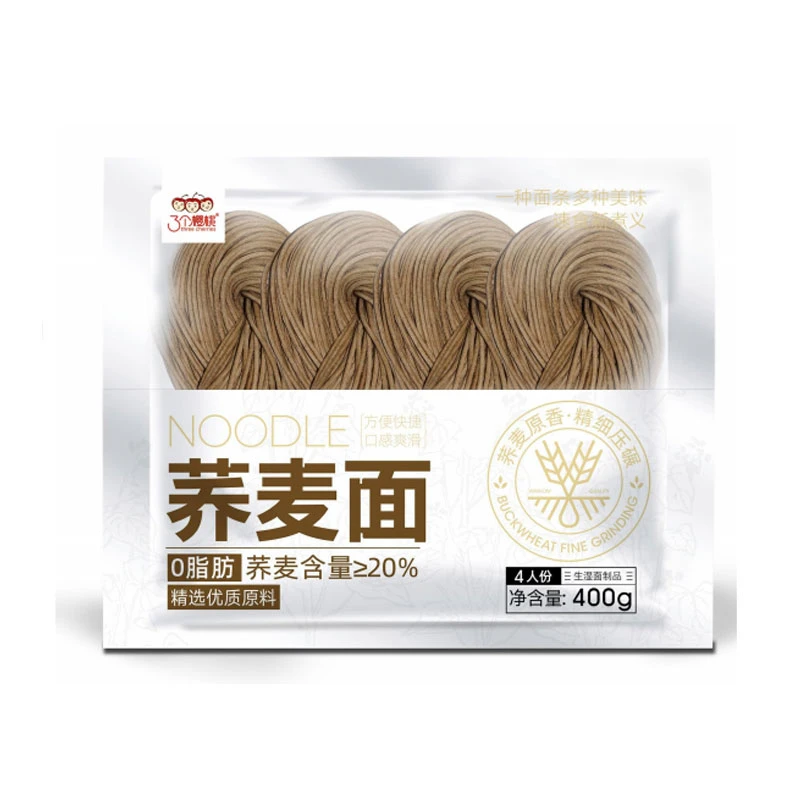
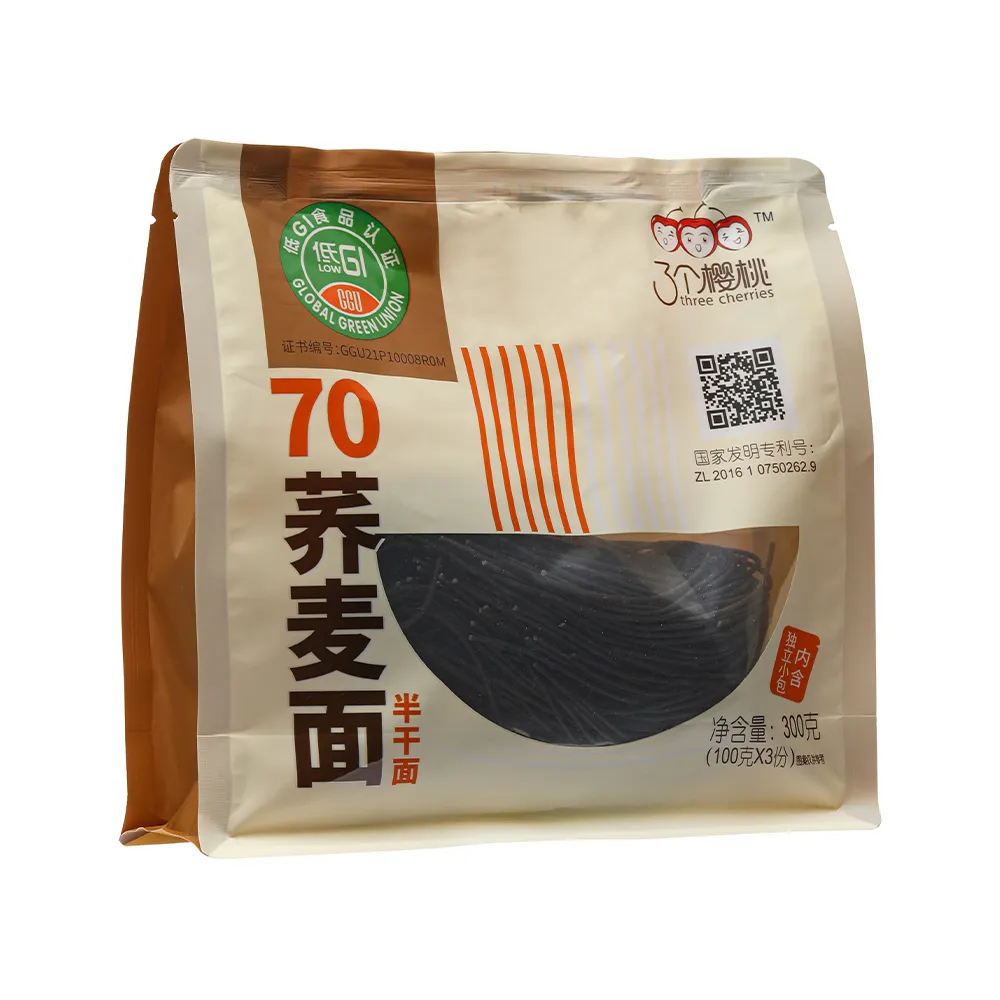
Simply put, soba noodles are thin Japanese buckwheat noodles, traditionally made from 100% buckwheat flour or a blend with wheat flour. Buckwheat—a pseudocereal technically unrelated to wheat—shines for its rich nutrients, including protein, fiber, and important minerals like manganese and magnesium. Unlike wheat, buckwheat has a low glycemic index, which means it releases energy slowly and prevents rapid blood sugar spikes—something we’ll see matters for weight loss.
From an industry perspective, soba’s ties to sustainable agriculture and dietary needs make it more than just a novelty. Countries seeking to diversify staple carbs or boost functional foods in diets often look to soba as a promising ingredient.
Mini takeaway:
Soba noodles are a buckwheat-based product with unique nutritional qualities, which makes them stand out from typical pasta or rice. Their global appeal is growing as we reevaluate carbs in the context of health.
Key Factors that Influence the Weight Loss Potential of Soba Noodles
1. Glycemic Index and Blood Sugar Impact
Soba noodles usually rank lower on the glycemic index than regular wheat noodles or white rice, roughly between 45 and 60 depending on the blend. This means they cause slower rises in blood glucose levels, helping control hunger and energy slumps that sometimes lead to overeating.
2. Protein Content
Buckwheat packs a decent protein punch—about 5-6g per 100g cooked soba. This helps with satiety (feeling full) and muscle maintenance, both important for sustaining weight loss long-term.
3. Fiber Density
Though soba's fiber isn’t as high as beans or whole grains, it still provides about 1-2 grams per serving, aiding digestion and satiety.
4. Caloric Value
Calorie-wise, soba noodles typically contain around 100-110 calories per 100 grams cooked, slightly less than regular pasta but more than shirataki noodles, for example.
5. Gluten Considerations
Interestingly, 100% buckwheat soba is gluten-free, which some people prefer for gut health, though many commercial soba noodles mix in wheat flour thus containing gluten.
Mini takeaway:
Overall, soba noodles balance slow-release carbs, moderate protein, and some fiber, which together create a favorable mix for appetite control and gentle blood sugar management.
Specifications: Typical Nutritional Profile of Soba Noodles
| Nutrient (per 100g cooked) | Amount |
|---|---|
| Calories | 99 kcal |
| Protein | 5.4 g |
| Carbohydrates | 21 g |
| Dietary Fiber | 2 g |
| Fat | 0.1 g |
| Glycemic Index | 45-60 (depending on wheat content) |
Where in the World Are Soba Noodles Making a Difference?
While Japan remains the soba epicenter, health-conscious consumers across the U.S., Europe, and parts of Asia have embraced soba as a resourceful alternative to conventional pasta and rice. In urban centers promoting plant-based diets, soba noodles find their way into calorie-controlled meal plans and restaurant menus alike.
In Japan, soba is deeply tied to tradition, often eaten on New Year’s Eve for good luck, but its everyday use also contributes to a balanced diet. In Western countries, soba’s low-glycemic and gluten-associated characteristics make it popular among diabetics and gluten-sensitive consumers.
Vendor Comparison: Leading Soba Noodle Brands
| Brand | Buckwheat Content | Gluten-Free Options | Price per 100g | Availability |
|---|---|---|---|---|
| Eden Foods | 100% Buckwheat | Yes | $3.50 | Online, selected stores |
| Hakubaku | 70-80% | No | $2.80 | Asian markets, online |
| King Soba | 50% Buckwheat | Yes | $3.00 | Health stores, online |
Benefits of Embracing Soba Noodles for Weight Control
- Sustained Energy: The low glycemic index ensures prolonged energy without spikes.
- Satiety: Balanced protein and fiber help keep hunger at bay.
- Low Calories & Fat: Soba noodles are lean and nutrient-dense, making them calorie-friendly.
- Gluten Options: For those with sensitivities, pure buckwheat soba offers a gluten-free choice.
- Cultural Variety: It introduces a tasty, diverse staple, keeping dieting from being boring.
Emerging Trends & Innovations in Soba Production
Not to get too technical, but manufacturing processes are evolving. Increasingly, soba makers are using organic buckwheat from sustainable farms, responding to consumer demand for eco-friendly foods. There's also a push to create 100% buckwheat soba noodles without wheat flour additives—to answer gluten-free demand.
Plus, some brands are experimenting with soba in easy-to-use forms like instant soups or multi-grain blends, merging soba with quinoa or chia—super interesting because it layers nutrition further. It feels like the noodle world is on the brink of a more health-conscious makeover, which bodes well if you care about are soba noodles good for weight loss.
Common Challenges and How to Enjoy Soba Smartly
Soba noodles are not without caveats. Many commercial soba noodles contain wheat flour to improve texture, which raises the glycemic index and gluten content. Also, some brands add salt or preservatives. For weight loss, portion control remains paramount — no noodle will magically shrink your waistline if eaten in giant quantities!
Experts recommend checking labels carefully and pairing soba with vegetables and lean proteins to create balanced meals. For those with gluten intolerance, 100% buckwheat varieties are best, but beware of cross-contamination.
Frequently Asked Questions About Are Soba Noodles Good for Weight Loss
- Q1: Are soba noodles lower in calories than regular pasta?
- A: Generally, soba noodles have slightly fewer calories than traditional wheat pasta. They also offer better protein and fiber profiles, aiding fullness, which can indirectly support weight loss.
- Q2: Can people with gluten intolerance eat soba noodles?
- A: Only if the soba noodles are made from 100% buckwheat flour. Most commercial brands mix buckwheat with wheat, so always check packaging for gluten-free certification.
- Q3: How do soba noodles impact blood sugar compared to rice?
- A: Soba noodles have a lower glycemic index than white rice, meaning they produce slower blood sugar spikes, which can help control appetite and energy levels.
- Q4: Are soba noodles filling enough for weight loss diets?
- A: With moderate protein and fiber, soba noodles contribute to satiety but should ideally be part of a balanced meal including vegetables and protein.
- Q5: Can soba noodles be part of a daily weight loss diet?
- A: Yes, when consumed in appropriate portions and balanced with other nutrients, soba noodles can be part of a sustainable weight management plan.
Wrapping Up: Why Soba Noodles Might Just Be Your Weight Loss Ally
So, are soba noodles good for weight loss? The answer is a cautiously optimistic yes. They offer a unique, nutrient-rich alternative to more common carb sources, with a lower glycemic impact and decent protein content. Across dietary cultures worldwide, soba is gaining ground as a food that satisfies both taste buds and health goals.
If you’re curious to dive deeper or want to explore recipes and products, visit our site to learn are soba noodles good for weight loss in detail, and maybe tweak your dinner menu with this delightful noodle.
Final mini takeaway:
Soba noodles blend tradition with nutrition, making them a smart choice for those watching their weight — but, as always, enjoy them thoughtfully and in context of your whole diet.
References:
-
Discover the Authentic Taste of Korean Buckwheat NoodlesNewsApr.16,2026
-
Discover the Refreshing Taste of Authentic Korean Cold SobaNewsApr.09,2026
-
Discover the Refreshing Taste of Korean Cold Buckwheat Noodles NaengmyeonNewsApr.07,2026
-
Discover the Cool and Refreshing World of Korean Buckwheat Noodles ColdNewsApr.04,2026
-
Discover the Refreshing Taste of Japanese Cold Buckwheat Noodles and Zaru SobaNewsMar.31,2026
-
Exploring the Delicious World of Chinese Style Cold NoodlesNewsMar.28,2026
-
Discover the Cool and Refreshing World of Korean Cold Soba NoodlesNewsMar.26,2026
Browse qua the following product new the we