
Are Buckwheat Soba Noodles Good For You? Benefits, Nutrition & Trends Explained
Are Buckwheat Soba Noodles Good For You? A Look Into This Ancient Superfood
Let’s start with a quick chat: you might be wondering why there’s so much buzzing around buckwheat soba noodles these days. Globally, diets are shifting toward foods that are both nourishing and sustainable — not to mention supportive of specific health concerns like gluten intolerance or blood sugar management. Buckwheat soba, a staple in Japanese cuisine for centuries, is increasingly popular worldwide as a “good-for-you” noodle alternative. But what exactly makes are buckwheat soba noodles good for you such an intriguing question? And why does it matter?
To put it plainly, the answer isn’t just about taste or tradition. Buckwheat soba noodles tie into global health trends, food security, and even environmental sustainability — all crucial on a planet grappling with changing food demands. According to the Food and Agriculture Organization (FAO), buckwheat is a hardy crop that thrives in regions where other grains struggle, making it a potential player in sustainable agriculture. Plus, the World Health Organization has highlighted the increasing rise of gluten intolerance and metabolic disorders, positioning buckwheat soba as a hopeful dietary choice for many.
What's In A Name? Defining Buckwheat Soba Noodles
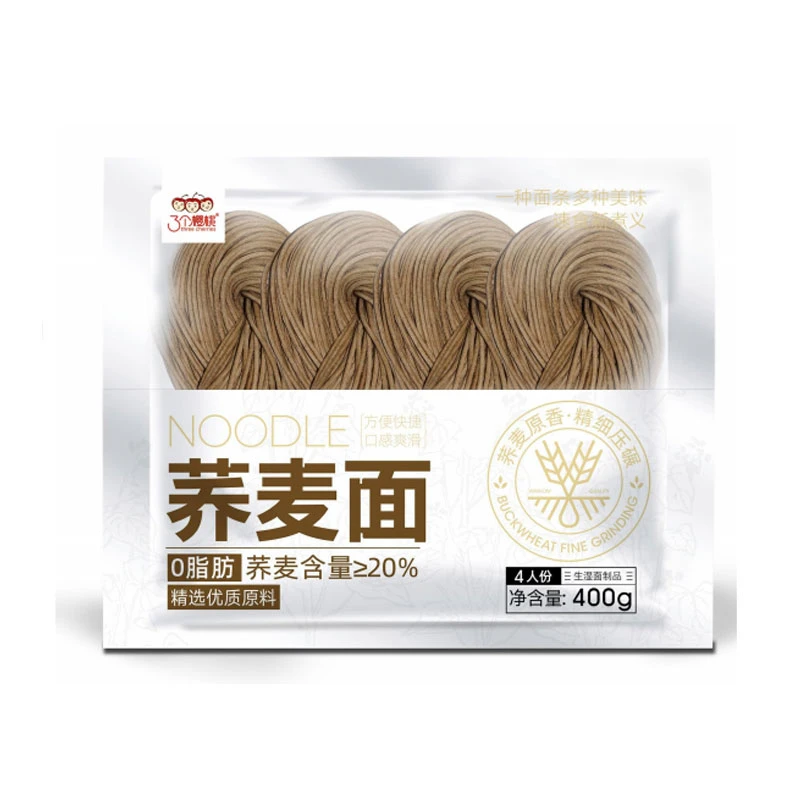
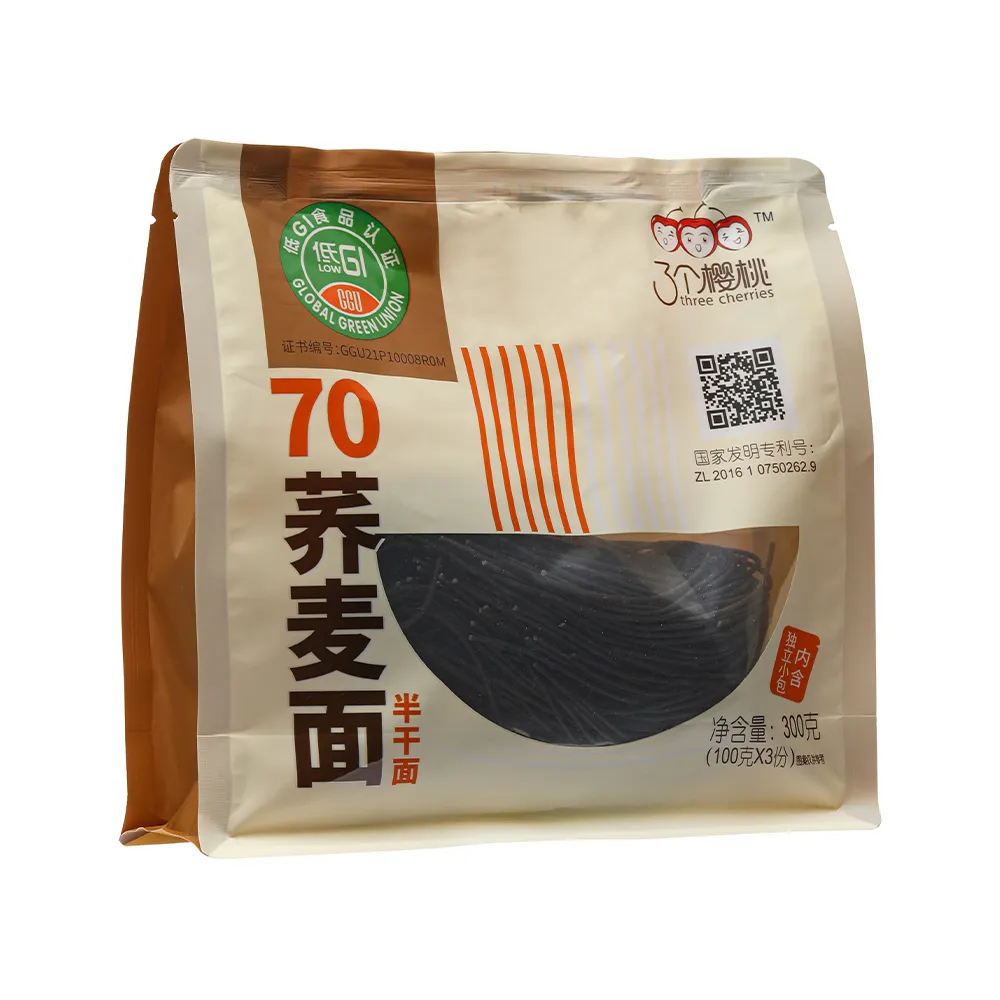
At its core, soba noodles are thin Japanese noodles made primarily from buckwheat flour. Buckwheat isn’t actually a wheat but a pseudocereal — technically a seed related to rhubarb and sorrel — which is naturally gluten-free. That’s a vital point, especially for those who must avoid gluten yet crave noodles.
Traditional Japanese soba might blend buckwheat with wheat flour for better texture and ease of production. However, 100% buckwheat soba is prized for its nutty flavor and nutritional benefits. It connects to wider industry efforts that emphasize plant-based, nutrient-dense foods that also support sustainable farming practices.
Key Factors That Make Buckwheat Soba Noodles Good For You
1. Nutritional Profile
Being rich in protein, fiber, and essential amino acids like lysine (which is rare in grains), buckwheat provides a wholesome alternative that can stabilize blood sugar and aid digestion. Its low glycemic index makes it a favorite among diabetics looking for satisfying carbs without sharp blood sugar spikes.
2. Gluten-Free Nature
For those with celiac disease or non-celiac gluten sensitivity, buckwheat soba noodles are often a safe haven. Of course, mind the label—wheat blends render some varieties off-limits for gluten-averse individuals.
3. Antioxidant and Mineral Content
Buckwheat contains rutin and quercetin — antioxidants known to support heart health by reducing inflammation and strengthening capillaries. Mineral-wise, it’s a generous source of magnesium, manganese, and iron, often lacking in modern diets.
4. Cultural and Culinary Versatility
Beyond nutrition, soba integrates seamlessly into numerous dishes: chilled with dipping sauce, stir-fried, in soups, or salads. This culinary flexibility helps people stick with healthier eating habits without getting bored.
Where In The World Are Buckwheat Soba Noodles Making An Impact?
While soba originates from Japan, its footprint is expanding across the globe. In Europe, particularly Eastern countries like Russia and Ukraine, buckwheat is a traditional staple; soba noodles are now emerging in artisan food markets.
In North America and parts of Asia, soba is a go-to for health-conscious consumers, athletes, and vegans. Food brands and restaurants emphasize its gluten-free and nutrient-packed qualities amid rising demand for such options.
One notable practical use: In post-disaster humanitarian efforts, easily stored dry soba noodles have been recognized as efficient sources of nutrition requiring minimal preparation. For remote or resource-limited zones, they offer culinary diversity and dietary benefits without refrigeration.
The Nutritional Breakdown: Buckwheat Soba Noodle Specifications
| Nutrient | Amount per 100g (cooked) | Notes |
|---|---|---|
| Calories | 99 kcal | Lower calorie than wheat noodles |
| Protein | 5.1 g | Contains all essential amino acids |
| Dietary Fiber | 2 g | Supports digestion |
| Magnesium | 86 mg | Key for muscle and nerve function |
| Rutin (Antioxidant) | 15 mg | Heart health benefits |
Comparing Popular Buckwheat Soba Noodle Vendors
| Vendor | Origin | 100% Buckwheat | Price (per 500g) | Gluten-Free Certified |
|---|---|---|---|---|
| Sakai Foods | Japan | Yes | $7.50 | Yes |
| Health Harvest | USA | No (80%) | $5.00 | No |
| Organic Origins | Canada | Yes | $8.20 | Yes |
Advantages and The Long-Term Value of Choosing Buckwheat Soba
It feels like choosing buckwheat soba noodles isn’t just a diet swap but a lifestyle choice that carries meaningful impact. From a logical perspective, incorporating these noodles fosters better blood sugar control, supports heart health via antioxidants, and feeds your body more sustainably.
On a more emotional note — something many forget — eating them connects you with centuries of culinary culture and refinement. There’s a certain dignity in choosing foods that have nourished generations and respected the earth. Plus, many report feeling lighter and less bloated after meals including buckwheat soba compared to wheat-based noodles.
For anyone curious, are buckwheat soba noodles good for you isn’t simply a buzz phrase — it’s the start of a food journey that incorporates wellness, tradition, and thoughtful eating.
Looking Ahead: Trends and Innovations in Buckwheat Soba Noodles
The future looks bright (and a little nutty) for buckwheat soba lovers. Plant breeders are working on buckwheat varieties with higher yields and more resilience to climate change. Simultaneously, food technologists explore gluten-free noodle formulations that maintain perfect texture without mixing wheat.
Emerging trends include infusing soba with superfoods like matcha or turmeric, creating functional foods targeting digestion or immune health. Also, ready-to-eat and instant soba cups are gaining traction, blending convenience with nutrition — something the modern consumer clearly demands.
And, oddly enough, sustainability-focused brands are sprouting fast, certifying organic and non-GMO credentials while supporting fair-trade farming communities. This sort of holistic approach matches the rising global consciousness tied to food choices.
Challenges & Practical Solutions
Of course, buckwheat soba noodles aren’t perfect. Some challenges include:
- Texture inconsistency: 100%-buckwheat soba can be brittle and trickier to cook without breaking.
- Price point: Pure buckwheat noodles often cost more than standard wheat noodles.
- Cross-contamination risks: Those with severe gluten sensitivity need careful sourcing due to possible wheat contamination.
Experts suggest cooking buckwheat soba in plenty of water and rinsing in cold water to improve texture. Suppliers are increasingly transparent about sourcing and production to protect gluten-free consumers. Also, innovations in milling and formulation help boost durability without sacrificing pure buckwheat content.
FAQ About Are Buckwheat Soba Noodles Good For You
- Can buckwheat soba noodles help with blood sugar control?
- Yes, due to their low glycemic index and fiber content, buckwheat soba noodles tend to produce smaller blood sugar spikes compared to traditional wheat pasta, making them favorable for people with diabetes or insulin resistance.
- Are all soba noodles gluten-free?
- Not always. Many traditional soba noodles mix buckwheat with wheat flour. If you require gluten-free foods, look for 100% buckwheat noodles that are certified gluten-free to avoid issues.
- How should I prepare buckwheat soba to avoid breaking noodles?
- Cook them quickly in plenty of boiling water and rinse immediately with cold water to stop cooking. Handle gently when draining to prevent crumbling, as pure buckwheat noodles tend to be less elastic.
- What makes buckwheat soba nutritionally better than regular noodles?
- Buckwheat soba offers more complete protein, a good amount of dietary fiber, and antioxidants like rutin, which aren’t present in regular wheat noodles. This contributes to cardiovascular health and digestive support.
Final Thoughts
So, are buckwheat soba noodles good for you? The simple answer: yes, when you choose pure buckwheat varieties and prepare them mindfully. They are nutrient-packed, friendly for many special diets, and carry cultural and environmental benefits that are becoming more relevant every day.
Intrigued? Dive deeper into the nuances of buckwheat soba and related nutritious foods by visiting our website. It’s a great place to start exploring how ancient grains continue to shape modern healthy lifestyles.
References:
-
Discover the Authentic Taste of Korean Buckwheat NoodlesNewsApr.16,2026
-
Discover the Refreshing Taste of Authentic Korean Cold SobaNewsApr.09,2026
-
Discover the Refreshing Taste of Korean Cold Buckwheat Noodles NaengmyeonNewsApr.07,2026
-
Discover the Cool and Refreshing World of Korean Buckwheat Noodles ColdNewsApr.04,2026
-
Discover the Refreshing Taste of Japanese Cold Buckwheat Noodles and Zaru SobaNewsMar.31,2026
-
Exploring the Delicious World of Chinese Style Cold NoodlesNewsMar.28,2026
-
Discover the Cool and Refreshing World of Korean Cold Soba NoodlesNewsMar.26,2026
Browse qua the following product new the we