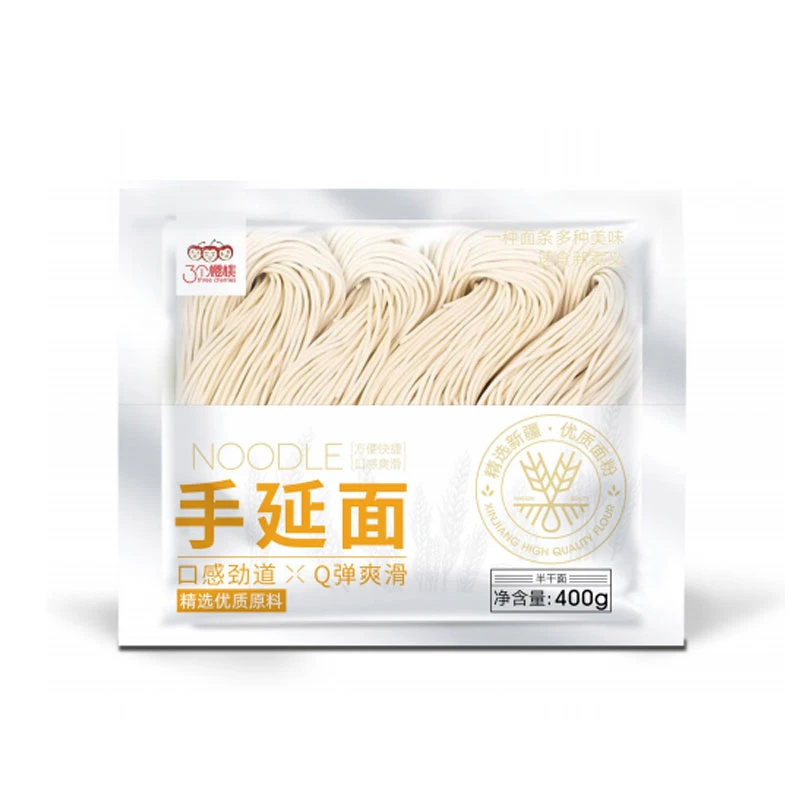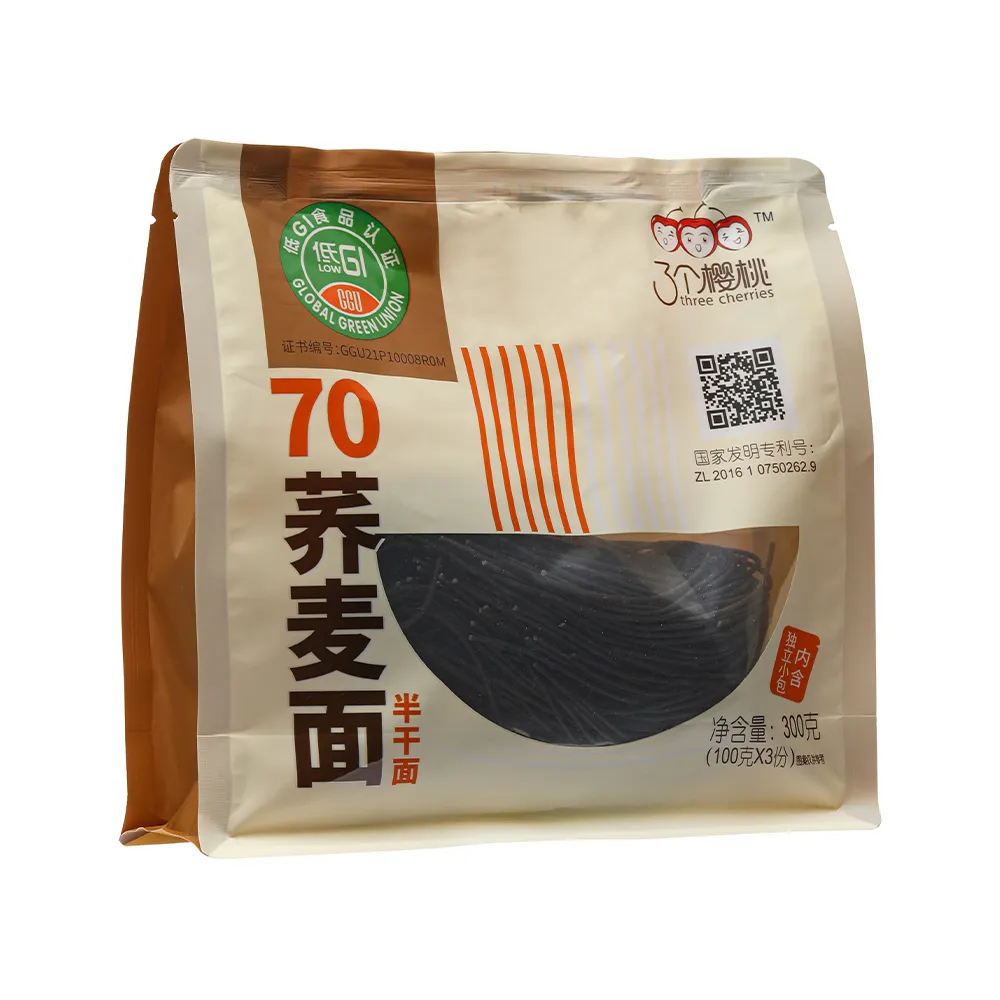

Understanding Dried Knife Cut Noodles: Global Importance, Benefits & Trends
Dried Knife Cut Noodles: A Global Staple with Lasting Appeal
When you think of dried knife cut noodles, you might just picture a humble pantry staple — but in truth, these noodles represent a fascinating intersection of tradition, food technology, and global culinary demand. From bustling street markets in China to gourmet kitchens worldwide, dried knife cut noodles carry a rich cultural legacy while also meeting modern-day needs for convenience, storage, and nutrition. Understanding this simple yet versatile foodstuff sheds light on broader themes like global food security, supply chain efficiency, and the art of traditional food preservation.
Introduction: Why Dried Knife Cut Noodles Matter Globally
Dried knife cut noodles have a surprisingly broad global footprint. According to the Food and Agriculture Organization, noodles rank among the most consumed staple foods worldwide, second only to rice and wheat. A large chunk of this consumption is Asian in origin, where dried noodles — especially those sliced by hand or machine into thick, rugged strips — satisfy not only palates but also critical needs for shelf stability and quick meal preparation.
In real terms, dried knife cut noodles address a crucial challenge: providing nutritious, easy-to-store food that can last months without refrigeration. This is especially valuable for regions with limited cold chain infrastructure or those prone to natural disasters. As urbanization accelerates and global food demands rise, foods like dried knife cut noodles are quietly but irreversibly shaping dietary patterns worldwide.
What Are Dried Knife Cut Noodles?
Simply put, dried knife cut noodles are wheat-based noodles formed by sharply slicing fresh dough directly into hot boiling water or onto drying racks to produce thick, flat strips. Unlike extruded or rolled noodles, they have a more rustic shape and texture, often with slightly uneven edges — the hallmark of the traditional knife technique. Once dried, these noodles develop a long shelf life, making them a convenient staple.
While often associated with northern Chinese cuisine, especially Shanxi Province, today's dried knife cut noodles serve a dual role. They are a culinary delight, beloved for their chewy texture and ability to soak up hearty broths, and a practical food solution for remote areas, emergency food kits, and export markets seeking easy-to-prepare ingredients.
Core Components and Factors of Dried Knife Cut Noodles
1. Ingredients Quality
The base starts with high-gluten wheat flour, water, and sometimes salt. The quality of wheat determines the noodle’s elasticity—critical for that signature chewiness. Some manufacturers enrich noodles with additives like egg powder or vitamins for enhanced nutrition.
2. Dough Preparation and Slicing Method
The dough’s hydration level and resting time affect texture. Then skilled hands or automated slicers cut the dough into strips of varying thickness, typically between 5-10mm, depending on regional preference. This affects cooking time and mouthfeel.
3. Drying Process
Traditionally air-dried, modern plants often use controlled low-temperature drying to preserve color and prevent brittleness. Moisture content is reduced to below 12%, ensuring shelf-stability.
4. Packaging & Shelf Life
Hermetically sealed packaging prevents moisture and insect infestation. Shelf life ranges from 12 to 24 months under proper storage, making it ideal for stockpiling.
5. Cost Efficiency
Dried knife cut noodles are cost-effective compared to fresh noodles, due to lower transportation and storage costs — no refrigeration needed.
Practical Product Specifications of Typical Dried Knife Cut Noodles
| Specification | Details |
|---|---|
| Wheat Type | High-Gluten Wheat Flour |
| Noodle Thickness | 6–9 mm (varies by style) |
| Drying Method | Hot Air Drying (≤60°C) |
| Moisture Content | ≤12% |
| Shelf Life | 12–24 months |
| Packaging | Vacuum Sealed or Modified Atmosphere Packaging |
Global Applications & Use Cases
Across Asia, dried knife cut noodles are everyday essentials in households and eateries. But their reach now extends far beyond, supported by modern logistics and rising culinary interest in authentic ethnic foods.
- Emergency Food Relief: In famine or disaster zones, dried noodles are distributed because they are lightweight, compact, and cook quickly without fancy equipment.
- Remote Industrial Camps: Mining or construction sites in remote regions rely on durable, easy-cook foods like dried knife cut noodles to feed workers efficiently.
- Export Markets: Countries in Europe and North America with growing Asian diaspora populations recently boosted imports of dried noodles to feed demand.
For example, during the 2022 floods in Southeast Asia, relief organizations distributed dried knife cut noodles as part of survival kits — a practical choice that requires minimal water and yields satisfying meals.
Advantages & Long-Term Value
At face value, dried knife cut noodles offer convenience, but underneath that is a web of benefits — from economic to social.
- Cost-Effectiveness: They reduce food waste and storage costs, thanks to their long shelf life.
- Sustainability: Made from simple ingredients and air-dried, their carbon footprint is relatively modest compared to frozen alternatives.
- Nutritive Value: Rich in carbohydrates and low in fat, they provide quick energy for physically demanding jobs or challenging climates.
- Cultural Preservation: Keeping traditional methods alive ensures diverse food heritage remains vibrant.
- Peace of Mind & Safety: For families or communities facing food insecurity, having durable, reliable staples builds dignity and stability.
Vendors Comparison for Dried Knife Cut Noodles Production
| Vendor | Capacity (tons/year) | Drying Method | Packaging Options | Key Markets |
|---|---|---|---|---|
| JXS Semi-Dry Noodles | 1500 | Low-temp Hot Air | Vacuum, MAP | Asia, Europe, N. America |
| Northern Wheat Noodle Co. | 900 | Solar-Assisted Drying | Plastic Bags, Cartons | Domestic China, SE Asia |
| Global Noodle Group | 2000 | Hot Air + Humidity Control | Vacuum, Retail Packs | Worldwide |
Future Trends & Innovations
Looking forward, dried knife cut noodles are evolving in interesting ways. Sustainability is front and center — manufacturers are exploring organic wheat, reducing water use during processing, and adopting greener drying technologies. Automation is making production more consistent, and digital traceability systems help ensure food safety and origin transparency.
There’s also innovation in fortification. Some brands now infuse noodles with protein, fiber, or even plant-based nutrients responding to health-conscious markets. Oddly enough, despite their rustic origins, dried knife cut noodles are becoming a canvas for innovation.
Challenges & Solutions
Of course, no product is without challenges. Moisture control during drying is tricky — too much, and spoilage occurs; too little, and the noodles are brittle. Consistency in knife slicing also matters for even cooking. Then there’s the balancing act between preserving traditional flavors and scaling production efficiently.
To address these, leading producers employ precision instruments to monitor humidity, test dough rheology, and even use AI to optimize slicing speeds. Partnerships with food scientists ensure that quality doesn’t sacrifice throughput. It feels like a blend of craftsmanship and technology, which is quite fitting for this ancient-modern food.
FAQ: Frequently Asked Questions About Dried Knife Cut Noodles
- Q: How long do dried knife cut noodles last when stored properly?
A: Typically, they keep well for 12 to 24 months if stored in a cool, dry place and sealed tightly. Avoid exposure to moisture to prevent spoilage. - Q: Can dried knife cut noodles be rehydrated easily for fast meals?
A: Yes, they usually cook within 8 to 12 minutes in boiling water, making them ideal for quick dishes or portable meal kits. - Q: Are these noodles suitable for export and international markets?
A: Absolutely. Their long shelf life and minimal storage requirements make them popular with distributors worldwide, often shipped in vacuum packs to maintain freshness. - Q: How do I incorporate dried knife cut noodles into contemporary recipes?
A: They work wonderfully in soups, stir-fries, and even cold salads. Because they’re thicker, they hold onto sauces and broths really well. - Q: Are dried knife cut noodles gluten-free?
A: No, they are wheat-based, so not suitable for those with gluten intolerance or celiac disease.
Conclusion
Dried knife cut noodles might seem like a simple pantry item, but their story touches on culture, innovation, and global food dynamics. They stand out for their practicality, taste, and resilience, making them indispensable across continents and cuisines. For anyone interested in authentic, convenient, and sustainable staples, they’re certainly worth a try — and maybe a stockpile or two.
To explore a trusted supplier of high-quality dried knife cut noodles, visit dried knife cut noodles.
Oddly enough, it’s noodles like these that connect us to centuries of culinary craft, all while meeting 21st-century needs — food is culture, yes, but it’s also survival and innovation intertwined.
Mini takeaway: Dried knife cut noodles fuse tradition and technology, offering economic, social, and nutritional value that spans borders and situations.
References:
-
Discover the Authentic Taste of Korean Buckwheat NoodlesNewsApr.16,2026
-
Discover the Refreshing Taste of Authentic Korean Cold SobaNewsApr.09,2026
-
Discover the Refreshing Taste of Korean Cold Buckwheat Noodles NaengmyeonNewsApr.07,2026
-
Discover the Cool and Refreshing World of Korean Buckwheat Noodles ColdNewsApr.04,2026
-
Discover the Refreshing Taste of Japanese Cold Buckwheat Noodles and Zaru SobaNewsMar.31,2026
-
Exploring the Delicious World of Chinese Style Cold NoodlesNewsMar.28,2026
-
Discover the Cool and Refreshing World of Korean Cold Soba NoodlesNewsMar.26,2026
Browse qua the following product new the we