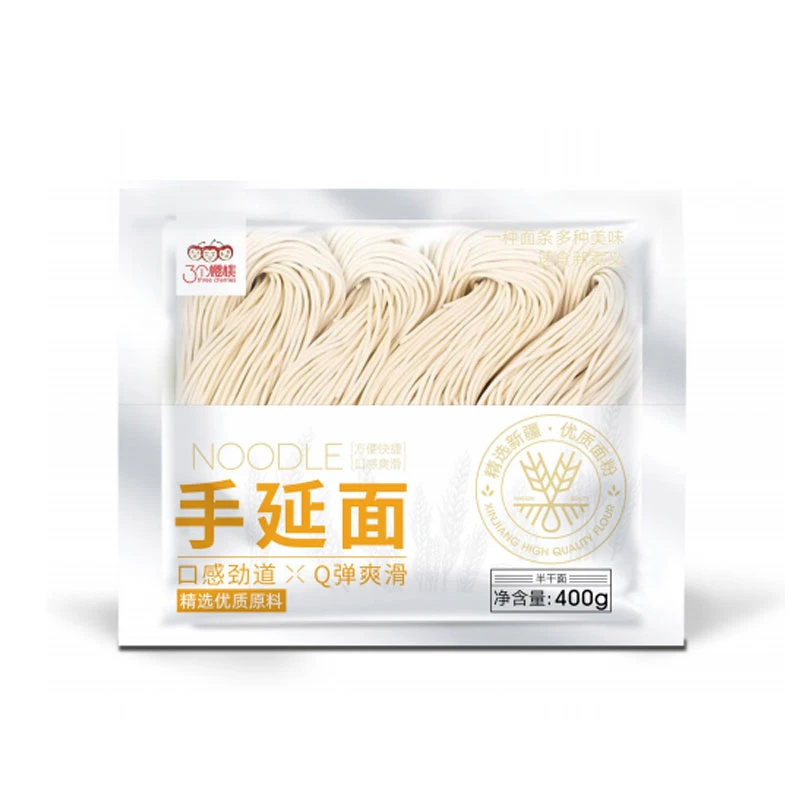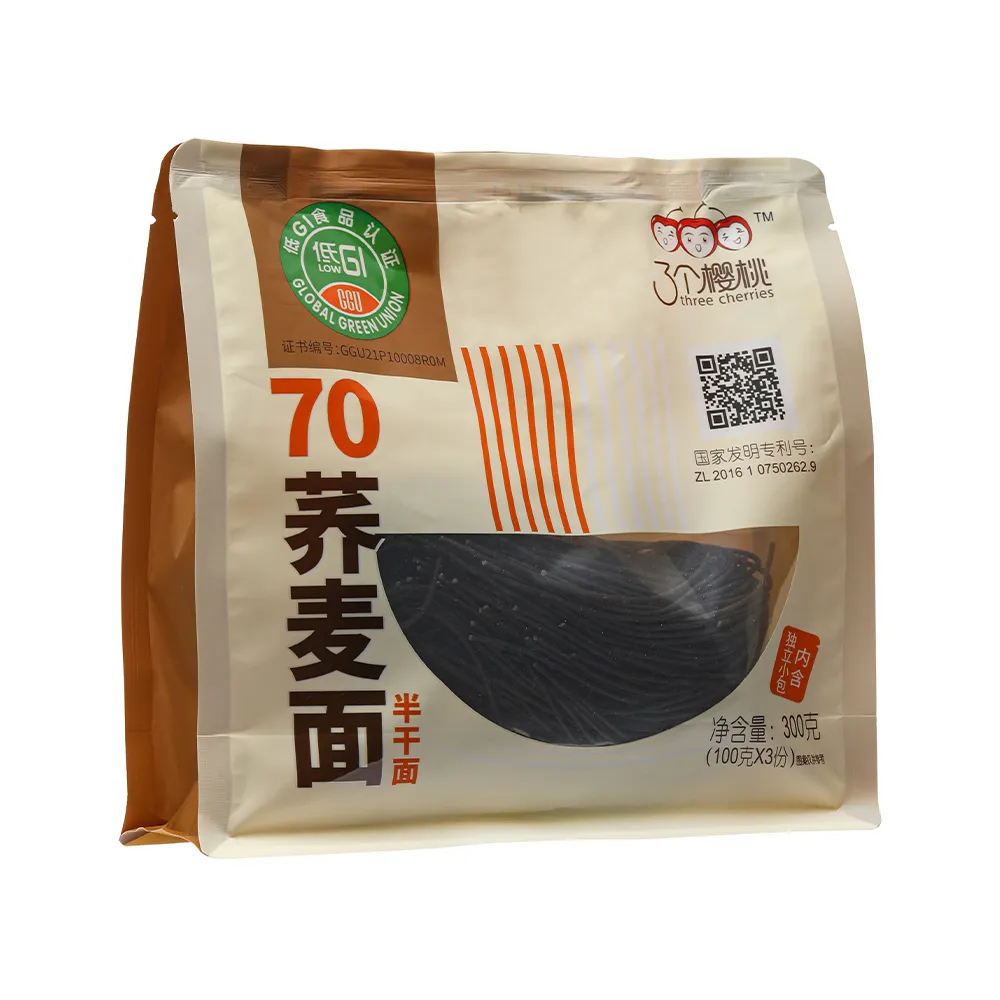

Whole Meal Pasta: Health Benefits, Global Uses & Future Trends
Understanding Whole Meal Pasta: A Global Kitchen Staple
Whole meal pasta, a humble yet nutritious staple, finds its place on dinner tables worldwide, bridging cultural divides and promoting healthier diets. But why is whole meal pasta gaining more traction, and what makes it so relevant globally? Simply put, it offers a dense source of fiber, vitamins, and minerals compared to its refined counterparts. In an age where global health challenges like obesity and diabetes are on the rise, embracing whole meal pasta is one practical step toward better nutrition. Plus, it’s environmentally friendly, which is a growing concern for the food industry at large.
Today, let’s take a semi-technical journey exploring whole meal pasta’s significance, composition, applications, and future prospects.
Introduction: Why Whole Meal Pasta Matters Globally
Globally, pasta remains a universal comfort food. The Food and Agriculture Organization (FAO) estimates that pasta consumption surpasses 14 million tons annually worldwide, with whole grain varieties gaining market share year after year. The World Health Organization advocates increased dietary fiber intake to combat lifestyle diseases, positioning whole meal pasta as a strategic player in nutrition policies. Data suggests that countries with rising whole grain consumption see tangible improvements in population health metrics.
Yet, challenges remain. Many manufacturers still struggle with balancing taste, texture, and nutrition without compromising consumer expectations. The question then is: how can whole meal pasta retain its nutritional edge while satisfying the global palate and sustainable production demands?
Defining Whole Meal Pasta: The Basics
Whole meal pasta is simply pasta made from whole grain flour, meaning the entire wheat kernel – bran, germ, and endosperm – is milled and retained. This is fundamentally different from traditional pasta made with refined flour where bran and germ are removed. The presence of all parts of the grain increases fiber, B vitamins, iron, and antioxidants. It connects directly to contemporary nutrition science advocating whole foods over processed alternatives.
In industry terms, whole meal pasta represents a shift towards more nutrient-dense, minimally processed foods, aligning with both consumer desires for health and environmental sustainability initiatives.
Core Components of Whole Meal Pasta
1. Nutritional Profile
With higher dietary fiber—up to 6 grams per 100 grams cooked—whole meal pasta supports digestive health and prolonged satiety. It's a slow-release carbohydrate, stabilizing blood sugar levels better than standard pasta.
2. Production Techniques
Manufacturing whole meal pasta requires precise control. Milling the whole grain without sacrificing dough quality is tricky. Often, innovative extrusion technology is used to maintain texture and prevent brittleness.
3. Taste and Texture
Although some find it earthier or nuttier, many consumers quickly adapt to whole meal pasta’s distinct profile. Chefs often suggest pairing with robust sauces to balance the flavor.
4. Shelf Life and Storage
Whole meal pasta has a shorter shelf life than refined pasta, due to the oils in the wheat germ that can oxidize. Proper packaging—vacuum sealing or nitrogen flushing—extends freshness.
5. Sustainability & Environmental Impact
Using whole grain flour reduces the processing steps, translating into lower energy consumption and waste, an important factor for eco-conscious producers and consumers alike.
Global Applications & Real-World Use Cases
Whole meal pasta isn’t just a dinner choice; in many ways, it intersects with global health initiatives. For example, school meal programs in Europe and North America emphasize whole meal products to improve child nutrition. In developing regions, NGOs integrate nutrient-rich whole meal pasta into food aid packages, addressing malnutrition without sacrificing familiarity or cultural appropriateness.
Industrial food manufacturers catering to health-conscious consumers across Asia, Europe, and North America increasingly invest in whole meal pasta lines. Oddly enough, it’s also popular in post-disaster relief scenarios where long shelf life and nutritional value are critical.
Product Specification Table: Whole Meal Pasta
| Specification | Typical Value |
|---|---|
| Fiber Content (per 100g cooked) | 4-6 grams |
| Protein | 12-15 grams |
| Shelf Life | 9-12 months (packaged) |
| Whole Grain Percentage | 100% |
| Common Shapes | Spaghetti, penne, fusilli |
Advantages & Long-Term Value
- Health Benefits: Whole meal pasta supports heart health, digestive wellness, and sustained energy due to its complex carbohydrates and fiber.
- Sustainability: Reduced processing means less waste and lower carbon footprint, an important consideration in today’s food supply chains.
- Cultural Familiarity: Because it’s just pasta made from whole grains, it’s an easy swap for both households and institutions, preserving culinary traditions.
- Economic Value: Though slightly pricier than refined pasta, the cost is offset by health benefits and lower downstream medical expenses.
- Emotional & Social Impact: Many consumers feel empowered making healthier choices without sacrificing taste—a small but meaningful trust factor.
Vendor Comparison: Whole Meal Pasta Suppliers
| Vendor | Product Range | Price (per kg) | Sustainability Cert. | Global Distribution |
|---|---|---|---|---|
| GranPasta Co. | Spaghetti, fusilli, penne | $3.50 | USDA Organic | North America, Europe |
| VitaGrain Foods | Penne, linguine | $3.75 | Non-GMO Verified | Global |
| EcoPasta Ltd. | Spaghetti only | $3.20 | Fair Trade Certified | Europe, Asia |
Future Trends & Innovations in Whole Meal Pasta
Innovation never sleeps. The pasta industry is exploring everything from alternative grains like quinoa and amaranth to boost nutrient profiles, to using extrusion technologies that improve texture without additives. Sustainability-wise, some brands embrace regenerative agriculture for their wheat supply, aiming to neutralize carbon footprints.
Digitization also plays a role; predictive analytics help companies forecast demand, minimizing waste, and automation accelerates production efficiency. As consumers lean more towards plant-based and fiber-rich foods, whole meal pasta is poised to evolve along with these market dynamics.
Challenges & Emerging Solutions
Despite all its advantages, whole meal pasta has its limits. Some find the flavor less appealing than traditional pasta, and shelf life can be a concern. Plus, consumer familiarity still favors refined options in many markets.
Experts suggest smart marketing coupled with recipe innovation can help bridge these gaps — think promoting recipes that complement whole meal pasta’s unique taste or blending whole grains with other flours for better texture. Advances in packaging technology also improve product longevity significantly.
FAQ: Common Questions About Whole Meal Pasta
- Q: Does whole meal pasta cook differently than regular pasta?
- A: Yes, it typically requires a slightly longer cooking time due to higher fiber content and a denser structure. However, the difference is marginal—usually 1-2 minutes more—and it maintains its texture well once cooked.
- Q: Can whole meal pasta help with weight management?
- A: Absolutely. Its high fiber content promotes fullness, reducing overeating. Plus, it has a lower glycemic index, helping stabilize blood sugar levels and support sustained energy release.
- Q: Is whole meal pasta more expensive?
- Compared to refined pasta, whole meal pasta often costs slightly more due to sourcing and production costs. But many find the health benefits far outweigh the incremental price difference.
- Q: How do I store whole meal pasta to maximize shelf life?
- Keep it in a cool, dry place away from sunlight. Vacuum-sealed or nitrogen-flushed packaging extends shelf life. Once opened, storing in airtight containers is advisable.
- Q: Where can I buy high-quality whole meal pasta?
- Check specialty food stores, health food markets, or reputable online vendors. Look for certifications like USDA Organic or Non-GMO for quality assurance.
Conclusion
To wrap it up, whole meal pasta is much more than a trend — it’s a nutritional upgrade that aligns with health, sustainability, and cultural tastes worldwide. Whether you’re a home cook, food industry professional, or an NGO worker focusing on nutrition, understanding whole meal pasta’s benefits and challenges makes a difference. Try swapping your regular pasta for whole meal versions and feel the difference it can make over time.
Curious for more on wholesome food options? Visit our website: whole meal pasta for detailed guides and product info.
This overview draws upon verified data from the Food and Agriculture Organization, World Health Organization, and industry reports to ensure accuracy and trustworthiness in nutrition and production insights.
Quick Takeaway: Whole meal pasta blends wholesome nutrition, cultural appeal, and environmentally friendly production — a trifecta hard to beat in modern diets.
-
Discover the Authentic Taste of Korean Buckwheat NoodlesNewsApr.16,2026
-
Discover the Refreshing Taste of Authentic Korean Cold SobaNewsApr.09,2026
-
Discover the Refreshing Taste of Korean Cold Buckwheat Noodles NaengmyeonNewsApr.07,2026
-
Discover the Cool and Refreshing World of Korean Buckwheat Noodles ColdNewsApr.04,2026
-
Discover the Refreshing Taste of Japanese Cold Buckwheat Noodles and Zaru SobaNewsMar.31,2026
-
Exploring the Delicious World of Chinese Style Cold NoodlesNewsMar.28,2026
-
Discover the Cool and Refreshing World of Korean Cold Soba NoodlesNewsMar.26,2026
Browse qua the following product new the we