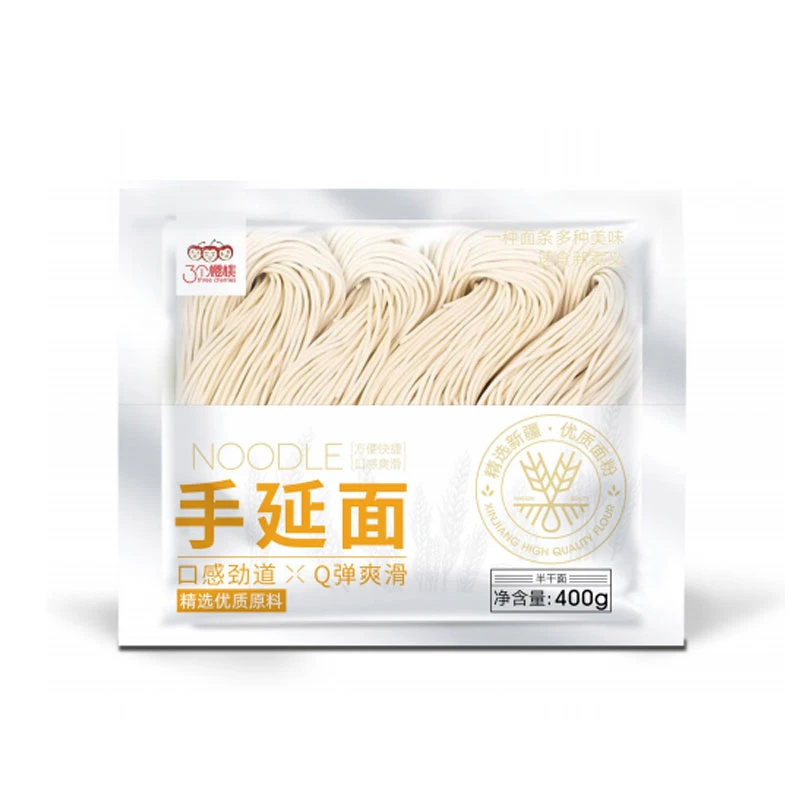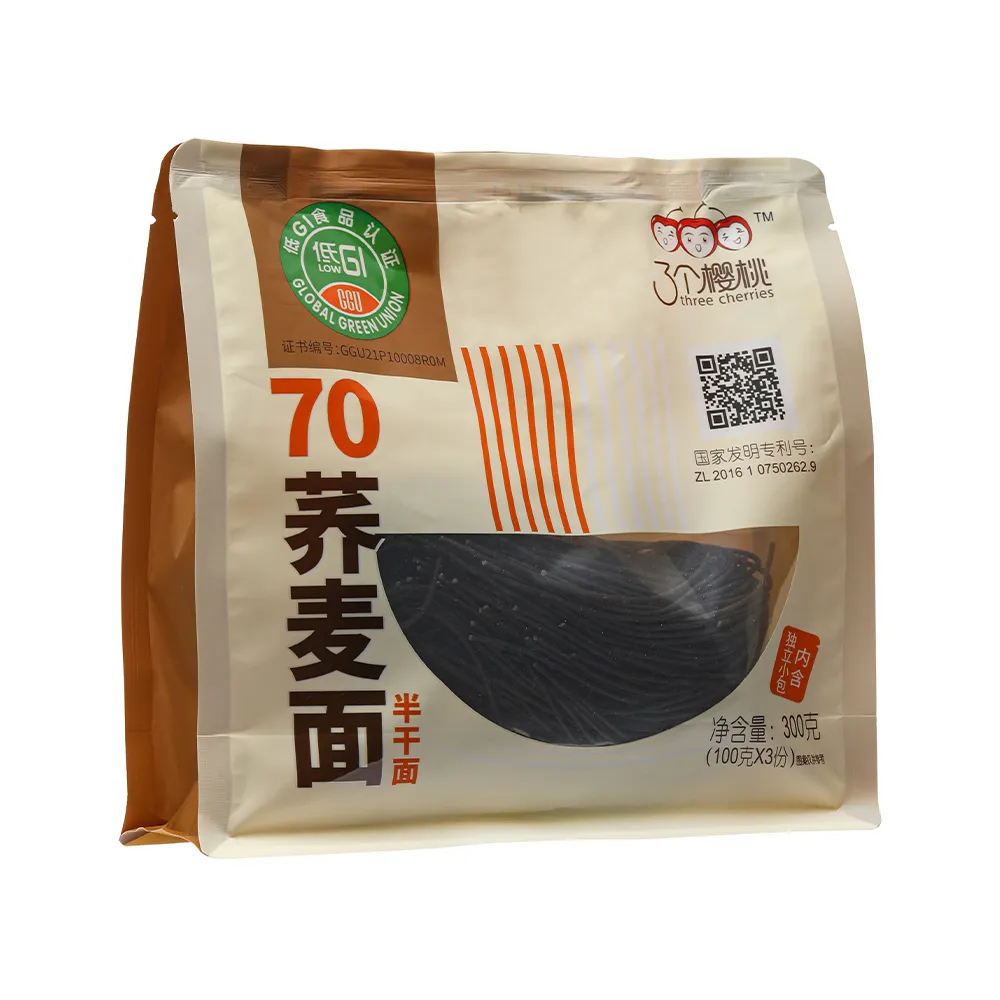

Hand Pulled Noodles—Authentic, Springy, Lanzhou Style?
Pulled Noodles for Modern Kitchens: What Insiders Look For
If you’ve ever watched a chef stretch silky ropes of hand pulled noodles and thought “I want that texture, reliably, at scale,” you’re not alone. Chefs from mall kiosks to hotel banquets keep asking for the same thing: consistent bite, clean wheat aroma, and speed. I’ve toured plants from Hebei to coastal hubs, and—surprisingly—semi-dry formats are what many kitchens quietly rely on now.
Industry Trends, Briefly
Two currents define the market: (1) semi-dry ramen-style strands that pack better shelf life without drifting into “instant” territory, and (2) tighter QA backed by ISO 22000/HACCP. Restaurants want real elasticity but also predictable cook times. In fact, procurement teams tell me they benchmark cooking loss and tensile strength now—terms you rarely heard in casual noodle talk five years ago.
What’s Inside and How It’s Made
Origin matters: this line comes from Oriental Food City, Longyao County, Xingtai, Hebei—an area with deep wheat-processing know‑how. The base is high-gluten wheat flour, filtered water, salt (and, depending on SKU, a trace of alkali/kansui for bounce). Process flow, simplified:
- Materials: high‑gluten flour (≈12.5–13.5% protein), water, salt, optional alkali
- Kneading & resting: dough development for extensibility; controlled “gluten window” checks
- Pulling/lamination: multi-pass stretch for aligned gluten networks
- Semi-dry tunnel: low-temp air (≈18–25°C) to target moisture/aw
- Cutting, portioning, metal detection, nitrogen-flush or air pack
Typical QA targets (real-world use may vary): moisture ≤14%, water activity aw ≤0.85, cooking loss ≈5–7%, total plate count ≤104 CFU/g under GB/HACCP frameworks. Service life: 4 months at room temp; up to 8 months at 0–10°C—yes, that’s practical for chain operations.
Product Specifications (Pulled Noodles)
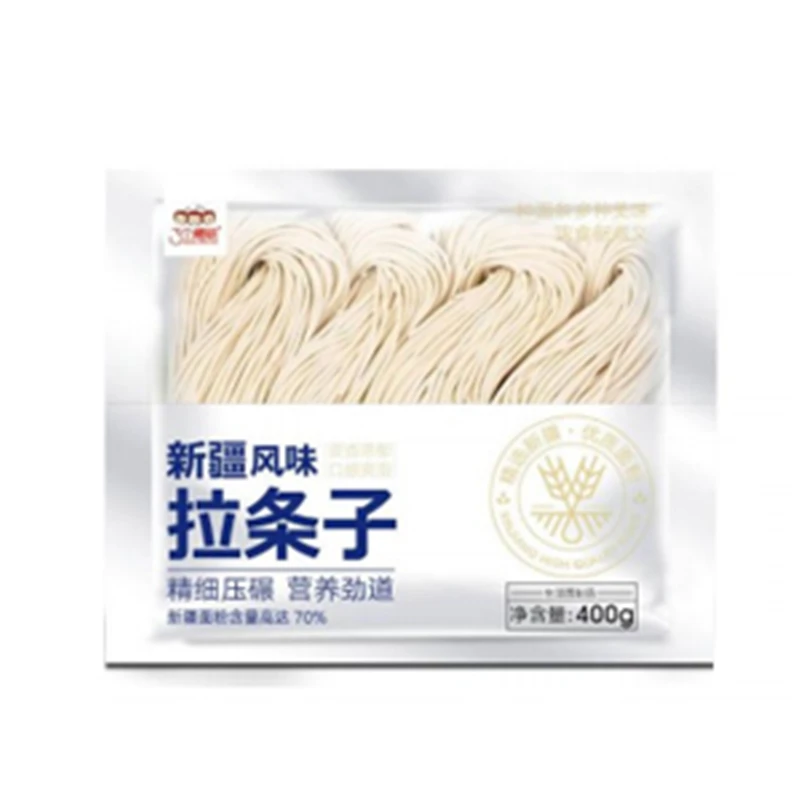
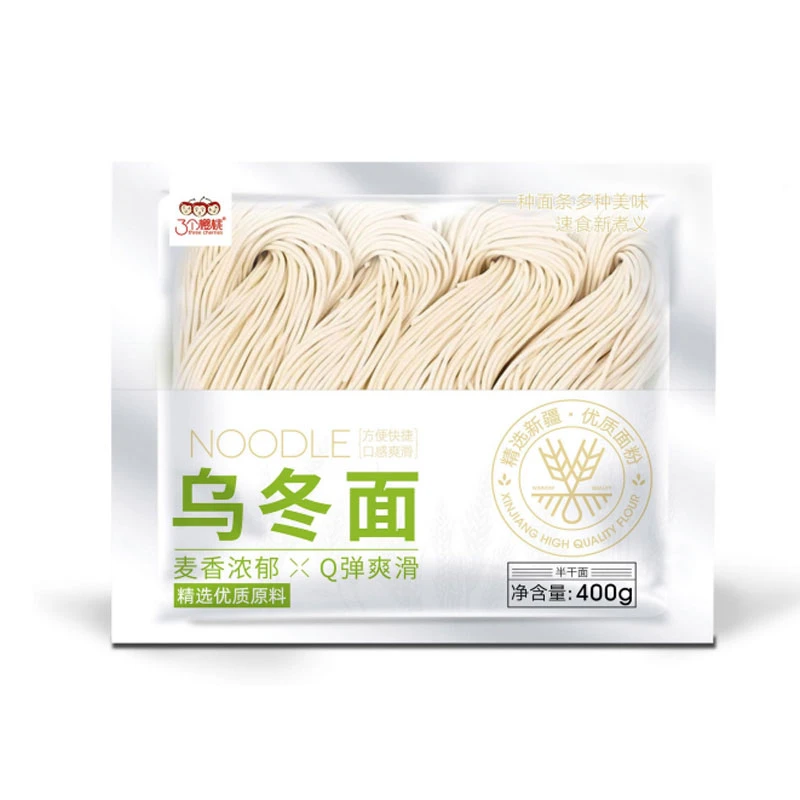
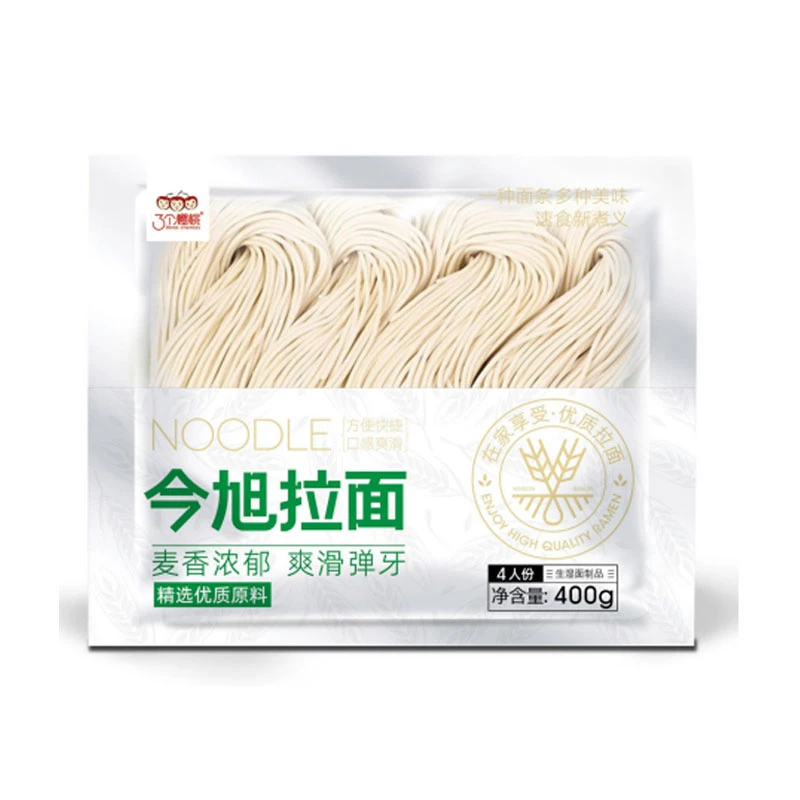
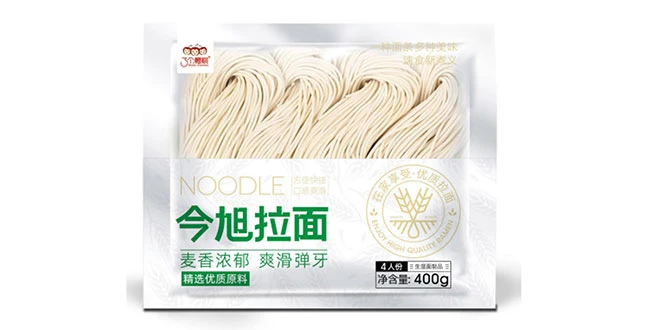
| Product Name | Jin Wuk Ramen & Gaisu Shang Ramen (Pulled Noodles) |
| Pack Size | 400 g |
| Origin | Longyao County, Xingtai City, Hebei Province |
| Storage | Cool, dry place or 0–10℃ refrigeration |
| Warranty Period | 4 months (ambient); 8 months (cold storage) |
| Certifications | ISO 22000/HACCP (supplier-aligned; documentation on request) |
Applications and Advantages
- Foodservice: beef noodle bowls, stir-fry stations, meal kits
- Central kitchens/airline catering: portion control, stable aw
- E-commerce retail: clear cooking instructions, low returns
Advantages we’ve seen: quick rehydration (≈90–150s), strong chew, low clumping, and better shelf efficiency than fresh. Many customers say the strands “hold up” in hot broth for 10–15 minutes—useful during rushes.
Vendor Comparison (at a glance)
| Vendor | Strengths | Who it suits |
|---|---|---|
| Hebei semi-dry specialist (this line) | Consistent pull, ISO/HACCP alignment, competitive MOQs | Chains, central kitchens |
| Local artisan shop | Fresh aroma, bespoke shape | Boutique eateries, low volume |
| Generic OEM | Lowest price, flexible labels | Price-driven retail |
Customization (because chefs tweak everything)
- Strand profile: round or flat; width ≈2.0–3.5 mm; thickness ≈1.4–2.0 mm
- Protein target: standard or high-protein flour for extra bite
- Salt/alkali level: adjusted for broth stability or wok resilience
- Packs: 200 g–1 kg; MAP or simple air pack
Testing can include extensograph/texture analyzer readings, cooking loss, and aw tracking per shipment. It sounds fussy, but that’s how you keep hand pulled noodles from going mushy at 12 minutes.
Case Notes and Data
A Lanzhou-style beef noodle shop (five-unit chain) swapped in these hand pulled noodles during a summer trial. Feedback: “chewier at minute 8,” fewer returns. Lab panel: cooking loss 5.6%, tensile peak 1.9 N on 5 cm strand (≈), rehydration 120 s in 98°C water. Another client’s meal kit brand shaved 20 seconds off cook time by widening strands slightly—counterintuitive, but it worked with their broth density.
Standards, Compliance, and Peace of Mind
Look for factories aligned with ISO 22000 and HACCP, implementing China’s GB hygiene code. For specs, GB/T 11739 (dried noodles) is a typical reference, even for semi-dry styles. If you need documentation, ask for batch COAs: moisture, aw, TPC, coliforms. It’s not overkill; it’s good procurement. And yes, your hand pulled noodles will taste better when you know they’re clean.
Authoritative References
- ISO 22000:2018 Food safety management systems.
- Codex Alimentarius. General Principles of Food Hygiene CXC 1-1969 (HACCP, latest rev.).
- GB/T 11739-2018 Dried Noodles (China National Standard).
- GB 14881-2013 General Hygienic Regulation for Food Production (China).
- AACC International Approved Methods 66-50.01: Pasta/Noodle Cooking Quality—Firmness & Cooking Loss.
-
Discover the Authentic Taste of Korean Buckwheat NoodlesNewsApr.16,2026
-
Discover the Refreshing Taste of Authentic Korean Cold SobaNewsApr.09,2026
-
Discover the Refreshing Taste of Korean Cold Buckwheat Noodles NaengmyeonNewsApr.07,2026
-
Discover the Cool and Refreshing World of Korean Buckwheat Noodles ColdNewsApr.04,2026
-
Discover the Refreshing Taste of Japanese Cold Buckwheat Noodles and Zaru SobaNewsMar.31,2026
-
Exploring the Delicious World of Chinese Style Cold NoodlesNewsMar.28,2026
-
Discover the Cool and Refreshing World of Korean Cold Soba NoodlesNewsMar.26,2026
Browse qua the following product new the we