
Exploring the World of Cold Noodles Chinese A Culinary Journey
Exploring the Delicious World of Cold Noodles Chinese
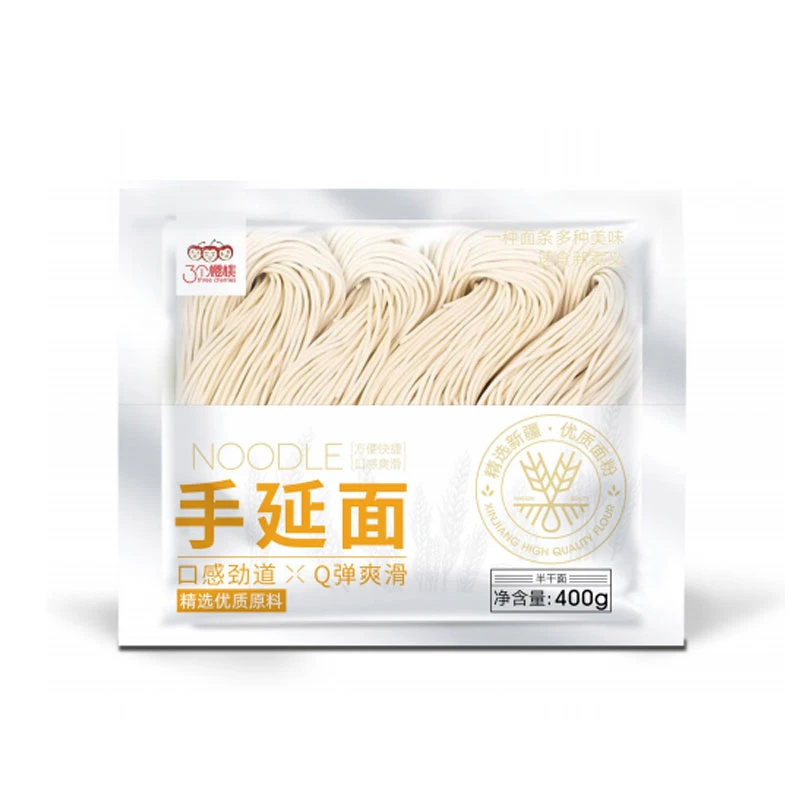
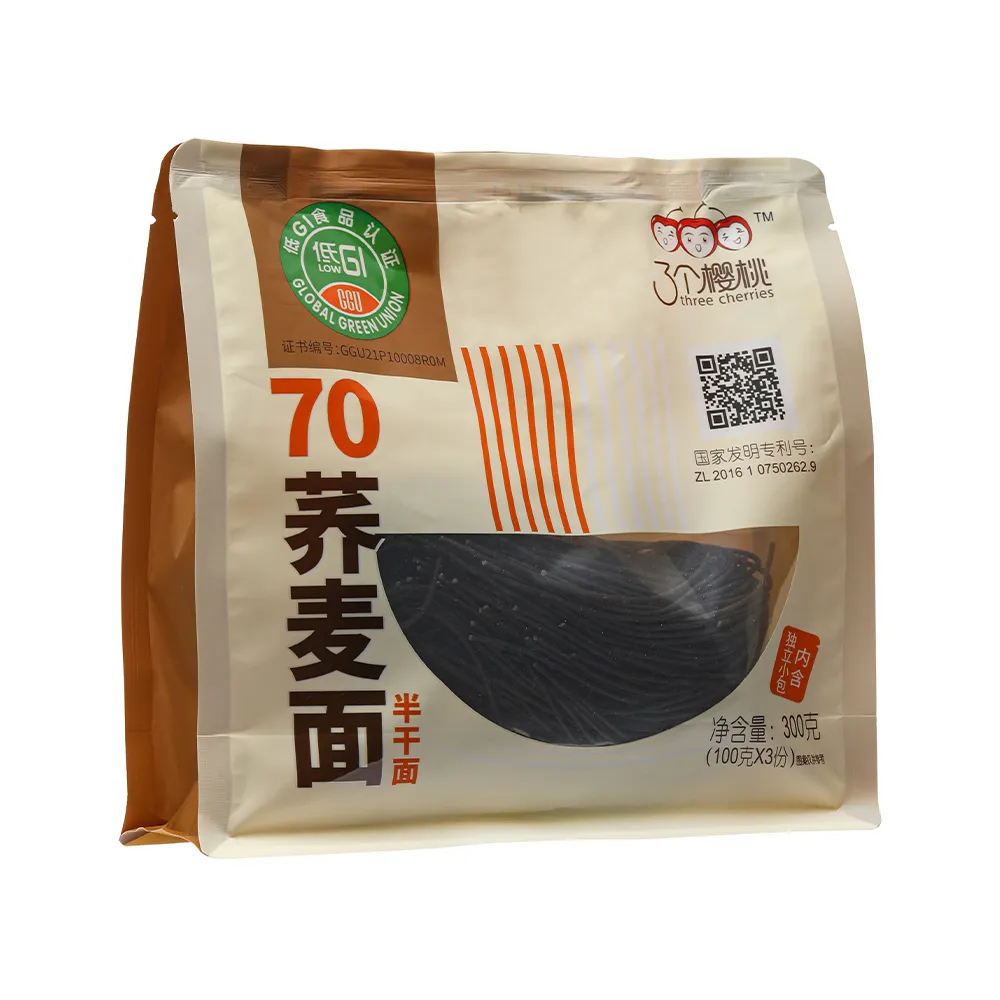
Cold noodles, a beloved staple in Chinese cuisine, offer a refreshing and flavorful experience, especially during warmer months. From the vibrant streets of Beijing to the bustling kitchens of Sichuan, various regional variations showcase the versatility of this dish. This article will delve into the fascinating world of cold noodles Chinese, exploring its history, regional differences, popular ingredients, and how to enjoy this delightful culinary creation. We'll also look at how high-quality noodles, like those from JX Semi-dry Noodles, can elevate your cold noodle experience.
A Historical Glimpse into Chinese Cold Noodles
The origins of cold noodles can be traced back centuries in China, evolving from simple wheat-based dishes to the complex and diverse offerings we see today. Initially, cold noodles were a practical way to utilize leftover cooked noodles, transforming them into a refreshing meal. Over time, regional variations emerged, each incorporating local flavors and ingredients. The use of different noodle types, sauces, and toppings contributed to the distinct character of cold noodles across China. The dish became a popular street food and a staple in many households, offering a quick, easy, and flavorful meal option. Today, it’s enjoyed by millions and remains a significant part of Chinese culinary heritage.
Key Highlights: A historical dish with centuries of evolution, representing various regional flavors and culinary techniques.
Regional Variations: A Flavorful Journey
China's vast geographical diversity has resulted in a stunning array of cold noodle variations. Here are a few examples:
- Beijing Liangpi: Known for its wide, flat noodles and a tangy, spicy sauce made with sesame paste, vinegar, and chili oil.
- Sichuan Dan Dan Noodles (Cold Version): A spicy and savory rendition featuring chili oil, preserved vegetables, and sometimes ground pork.
- Shanghai Cong You Ban Mian: Simple yet satisfying, with noodles tossed in a sauce of scallions, soy sauce, and sesame oil.
- Shaanxi Biang Biang Noodles (Cold Version): Famous for its thick, hand-pulled noodles and a hearty sauce often including chili oil and vinegar.
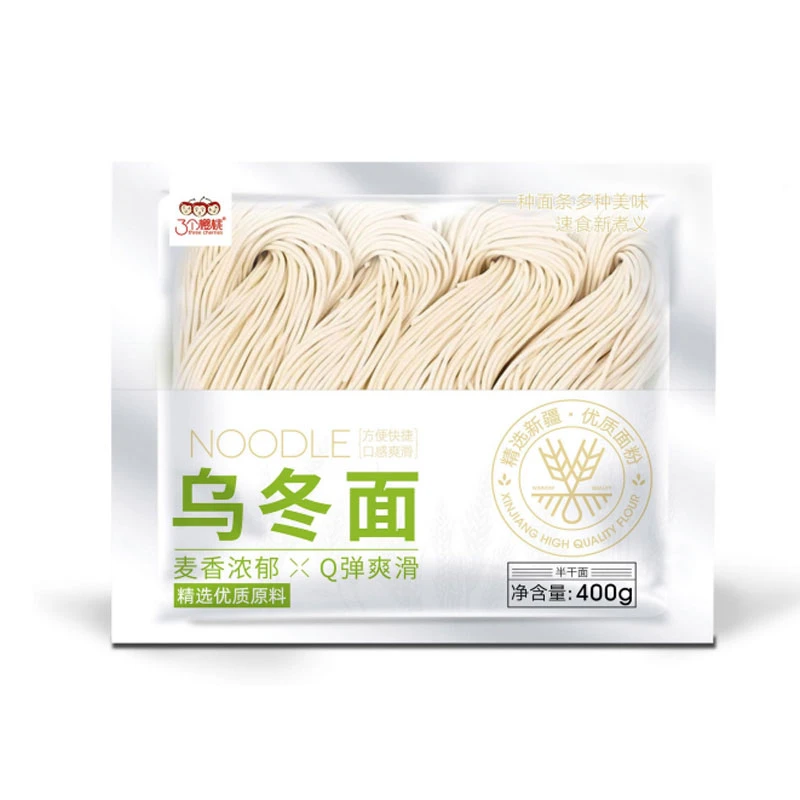
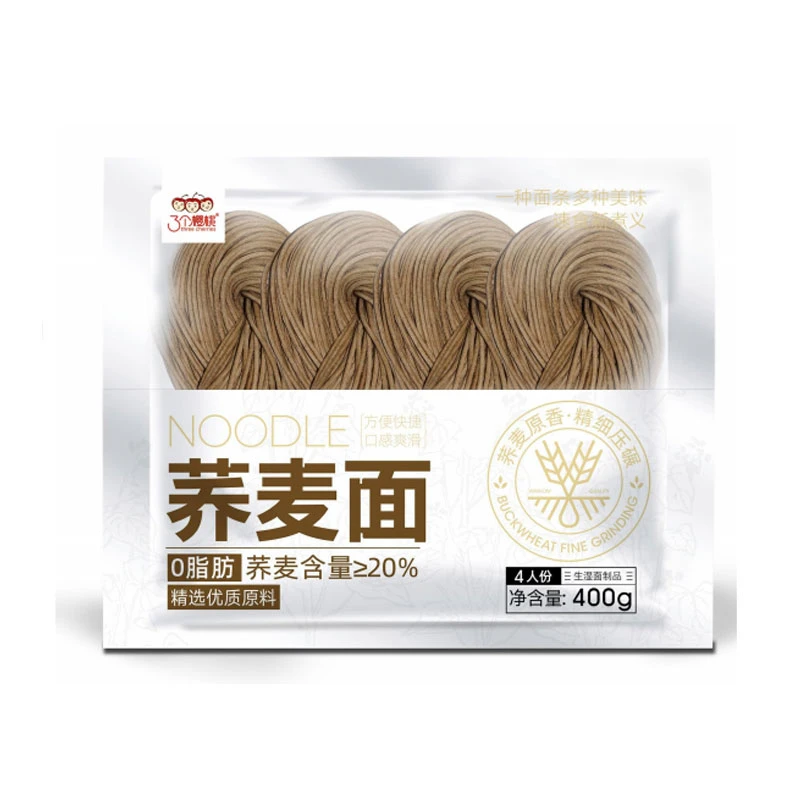
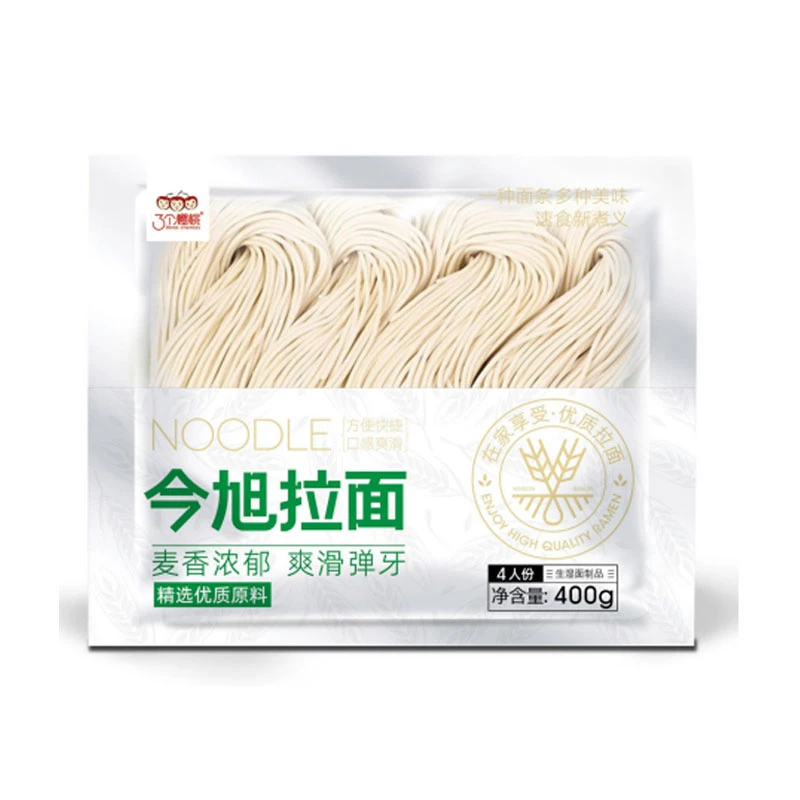
Each region’s style reflects local ingredients and preferences, creating a uniquely delicious experience. Using excellent quality semi-dry noodles, like those offered by JX, can greatly enhance the texture and flavor of any of these regional styles.
Popular Ingredients: Building Blocks of Flavor
While variations abound, several ingredients consistently appear in cold noodles Chinese dishes. These include:
Choosing the Right Noodles: The Foundation of a Great Dish
The type of noodle significantly impacts the final dish. Different regions prefer various noodle widths and textures. For example, wide, flat noodles are common in Beijing, while thinner noodles are often used in Shanghai. JX Semi-dry Noodles offer a fantastic range of options, ensuring you can find the perfect noodle for your desired cold noodle recipe. Their texture is ideal for absorbing the flavors of the sauce, and their quality ensures a satisfying bite.
Tips for Enjoying Cold Noodles Chinese
To fully enjoy the experience:
- Adjust the spice level to your preference. Don't be afraid to add more or less chili oil.
- Experiment with toppings. Consider adding chopped peanuts, sesame seeds, or fresh cilantro.
- Use high-quality noodles. Like the options from JX Semi-dry Noodles for the best texture and flavor.
- Serve immediately. Cold noodles are best enjoyed when freshly prepared.
Conclusion: A Culinary Delight
Cold noodles Chinese are a testament to the country’s rich culinary heritage. With their diverse regional variations and refreshing flavors, they offer a delightful experience for any palate. By using quality ingredients, especially excellent noodles, you can create an authentic and memorable dish. So, explore the world of cold noodles and discover your favorite flavor combination!
Frequently Asked Questions (FAQs)
What's the best way to store leftover cold noodles?
Leftover cold noodles can be stored in an airtight container in the refrigerator for up to 2-3 days. However, the texture may change slightly, as the noodles can absorb moisture. To minimize this, consider storing the noodles and sauce separately and combining them just before serving. It's best to consume them as soon as possible for optimal flavor and texture.
Can I make cold noodles ahead of time?
Yes, you can partially prepare cold noodles ahead of time. Cook the noodles and rinse them thoroughly with cold water to stop the cooking process. Toss them with a little oil to prevent sticking and store them in the refrigerator. Prepare the sauce separately and combine everything just before serving. This allows you to enjoy a quick and easy meal when you're short on time.
What type of noodles are best for cold noodles?
The best noodles depend on the regional style you're aiming for. Generally, wheat-based noodles with a slightly chewy texture work well. Options include alkaline noodles (often used in Beijing Liangpi), thin wheat noodles, or even soba noodles for a different flavor profile. JX Semi-dry Noodles offers a variety of excellent options to choose from.
-
Discover the Authentic Taste of Korean Buckwheat NoodlesNewsApr.16,2026
-
Discover the Refreshing Taste of Authentic Korean Cold SobaNewsApr.09,2026
-
Discover the Refreshing Taste of Korean Cold Buckwheat Noodles NaengmyeonNewsApr.07,2026
-
Discover the Cool and Refreshing World of Korean Buckwheat Noodles ColdNewsApr.04,2026
-
Discover the Refreshing Taste of Japanese Cold Buckwheat Noodles and Zaru SobaNewsMar.31,2026
-
Exploring the Delicious World of Chinese Style Cold NoodlesNewsMar.28,2026
-
Discover the Cool and Refreshing World of Korean Cold Soba NoodlesNewsMar.26,2026
Browse qua the following product new the we