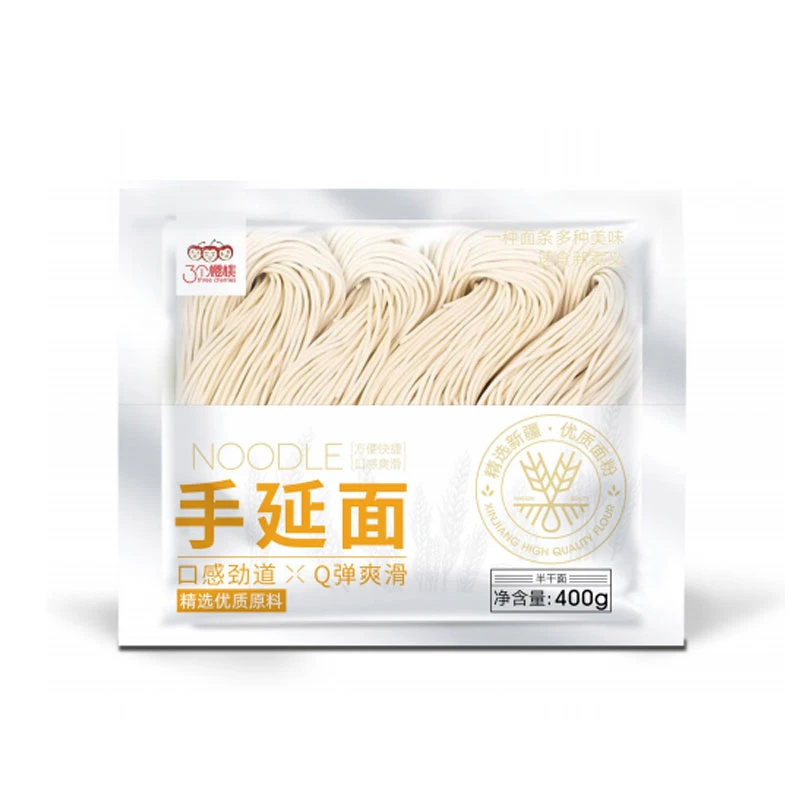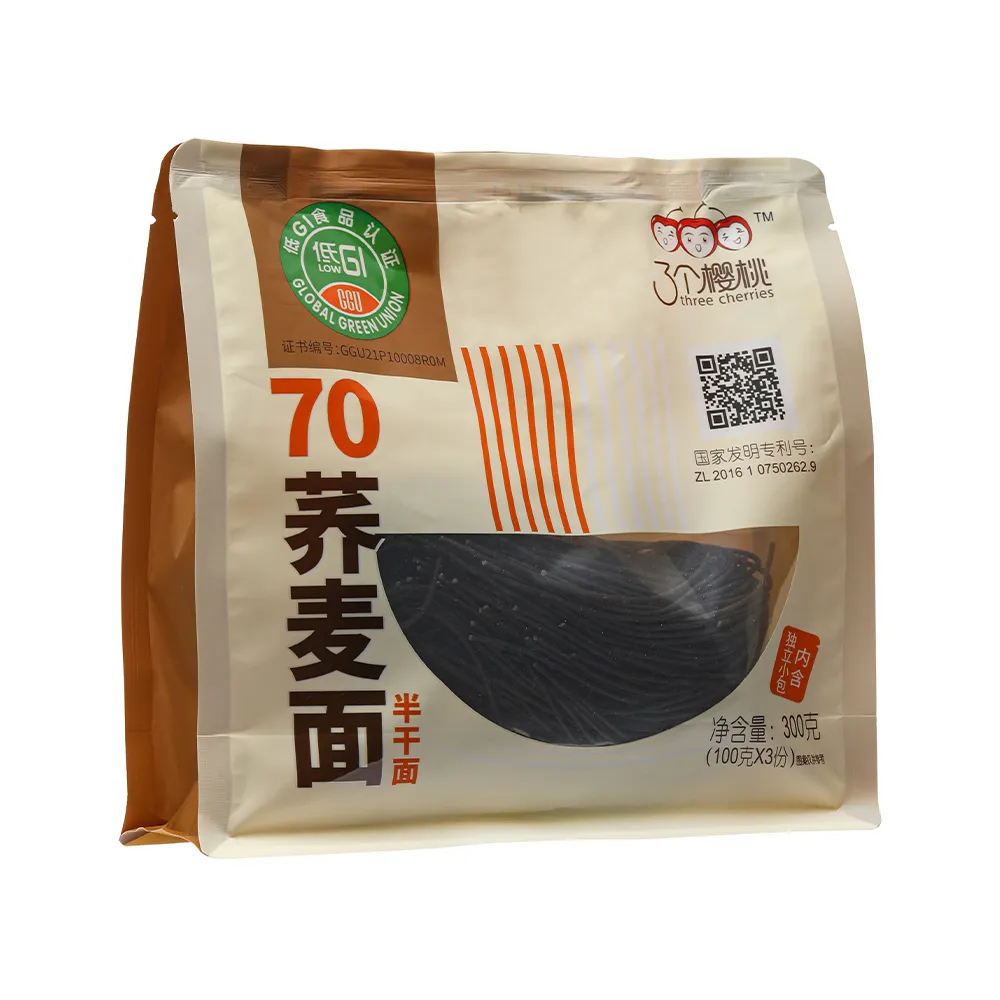

Dried Udon Noodles: Benefits, Specs & Market Insights for B2B Food Industry
Dried Udon Noodles is a key solution in the industry, specifically within numerous foodservice and distribution sectors. This article explores how https://www.jxsemidrynoodles.com supports professionals with durable, high-performance products, and explains why this product is an ideal choice for businesses in these sectors.
Table of Contents
- Dried Udon Noodles Overview
- Benefits & Use Cases of Dried Udon Noodles
- Cost, Maintenance & User Experience
- Sustainability & Market Trends
Dried Udon Noodles Overview
In the world of culinary staples, dried udon noodles hold a legendary spot. Essentially, these are thick Japanese wheat noodles that have been dried to preserve their texture and extend shelf life. This drying process is crucial — it locks in that distinct chewiness and firmness udon lovers expect, making it perfect for bulk foodservice operations or large-scale distributors needing reliability.
At JX Semi-Dry Noodles, these noodles are crafted using premium wheat flour and a careful drying regimen that balances moisture removal without sacrificing elasticity. To give you some specifics, their product typically features a moisture content below 12%, and noodle thickness is maintained around 2-3 mm, depending on the SKU. These specs might sound technical, but for food industry professionals, it means consistency in cooking times and texture every single time.
| Specification | Details |
|---|---|
| Wheat Flour Quality | Premium Hard Wheat |
| Noodle Thickness | 2.0 - 3.0 mm |
| Moisture Content | Below 12% |
| Packaging | Vacuum-sealed packs / Bulk cartons |
| Shelf Life | 12 months (dry storage) |
Benefits & Use Cases of Dried Udon Noodles
Why do businesses keep turning to dried udon noodles? For one, they're incredibly versatile. Whether it’s restaurants serving up authentic bowls, food processors creating frozen udon, or retailers aiming to stock pantry staples, these noodles shine. Oddly enough, their drying process preserves not just durability but also a fresh noodle texture when cooked properly — a balance that's not so easy to achieve.
Many chefs and supply chain managers value the low moisture content, which decreases spoilage risk and eases logistics. Plus, the noodles hold up well in various broths and stir-fry dishes without disintegrating, unlike some fresh counterparts. Add to that customizable bulk packaging and sizes from JX Semi-Dry Noodles, and you've got a product that’s both performance-driven and user-friendly.
Vendor Comparison
| Criteria | JX Semi-Dry Noodles | Competitor A | Competitor B |
|---|---|---|---|
| Shelf Life | 12 months | 9 months | 10 months |
| Moisture Content | Below 12% | Above 14% | Approx. 13% |
| Packaging Options | Vacuum & Bulk | Bulk only | Vacuum only |
| Customization | Available | Limited | None |
| Price Competitiveness | Moderate | Lower | Higher |
Cost, Maintenance & User Experience
Frankly, when it comes to total cost of ownership, dried udon noodles win points for their long shelf life and minimal storage requirements. For businesses juggling tight storage space and supply chain fluctuations, that’s a big plus. You don’t have to worry about rapid spoilage or expensive refrigeration like with fresh noodles.
Many food industry professionals I've spoken with appreciate the consistent cook times and reliable texture, which reduce kitchen waste and boost customer satisfaction. One distributor shared that switching to JX’s dried udon noodles cut their product loss by almost 20% over six months due to its sturdy packaging and consistent quality. That kind of ROI is hard to ignore.
Sustainability & Market Trends
Sustainability has turned into more than a buzzword — it’s becoming a core purchasing criteria, and dried udon noodles are no exception. Manufacturers like JX Semi-Dry Noodles are leaning heavily into eco-friendly packaging innovations and sourcing sustainably grown wheat. For B2B decision-makers, this reflects a forward-looking supplier able to meet evolving regulatory and consumer demands.
Looking at market trends, the demand for dried udon noodles is projected to grow steadily, driven by expanding Asian cuisine popularity worldwide and convenience-focused consumers. The neat thing is, dried udon noodles fit perfectly with this trend — they are shelf-stable yet authentic, and they streamline supply chains. It feels like a win-win for foodservice operators seeking innovation without losing tradition.
Frequently Asked Questions about Dried Udon Noodles
- What is Dried Udon Noodles and how does it work?
- In simple terms, dried udon noodles are thick wheat noodles that have been dehydrated to remove moisture, preserving them for longer storage. When cooked, they absorb water and regain their chewy texture, making them ready for various culinary uses.
- What are the main benefits of using Dried Udon Noodles in industrial applications?
- The key benefits include long shelf life, consistent quality, reduced spoilage risk, ease of transport, and versatility in menu options — all crucial for foodservice and retail operations.
- How does Dried Udon Noodles compare to traditional alternatives?
- Compared to fresh noodles, dried udon noodles offer enhanced durability and storage flexibility, though they may require slightly longer cooking times. They're more convenient for larger scale use without compromising texture.
- What industries can benefit most from Dried Udon Noodles implementation?
- Restaurants, food distributors, ready-meal manufacturers, and retailers are the primary sectors. Each benefits from the product’s stability, quality, and the ability to meet increasing demand for Asian cuisine products.
Conclusion on Dried Udon Noodles from china
To wrap things up, dried udon noodles exemplify a blend of tradition and innovation tailored for today’s complex food industry demands. Their durability, consistency, and ease of use make them an excellent asset for any business looking to optimize product offerings while maintaining quality.
- Simply put, dried udon noodles offer reliable performance and adaptability for diverse markets.
- Discover more by visiting our website: https://www.jxsemidrynoodles.com
In reflecting on this, it’s clear that while many alternatives exist, dried udon noodles meet that sweet spot where shelf life, texture, and ease of use intersect — a trifecta that food industry pros can actually count on.
- Industry reports on dried noodle market trends 2023-24
- JX Semi-Dry Noodles Product Brochure, 2024
- Customer case studies within Asian foodservice distribution
-
Discover the Authentic Taste of Korean Buckwheat NoodlesNewsApr.16,2026
-
Discover the Refreshing Taste of Authentic Korean Cold SobaNewsApr.09,2026
-
Discover the Refreshing Taste of Korean Cold Buckwheat Noodles NaengmyeonNewsApr.07,2026
-
Discover the Cool and Refreshing World of Korean Buckwheat Noodles ColdNewsApr.04,2026
-
Discover the Refreshing Taste of Japanese Cold Buckwheat Noodles and Zaru SobaNewsMar.31,2026
-
Exploring the Delicious World of Chinese Style Cold NoodlesNewsMar.28,2026
-
Discover the Cool and Refreshing World of Korean Cold Soba NoodlesNewsMar.26,2026
Browse qua the following product new the we