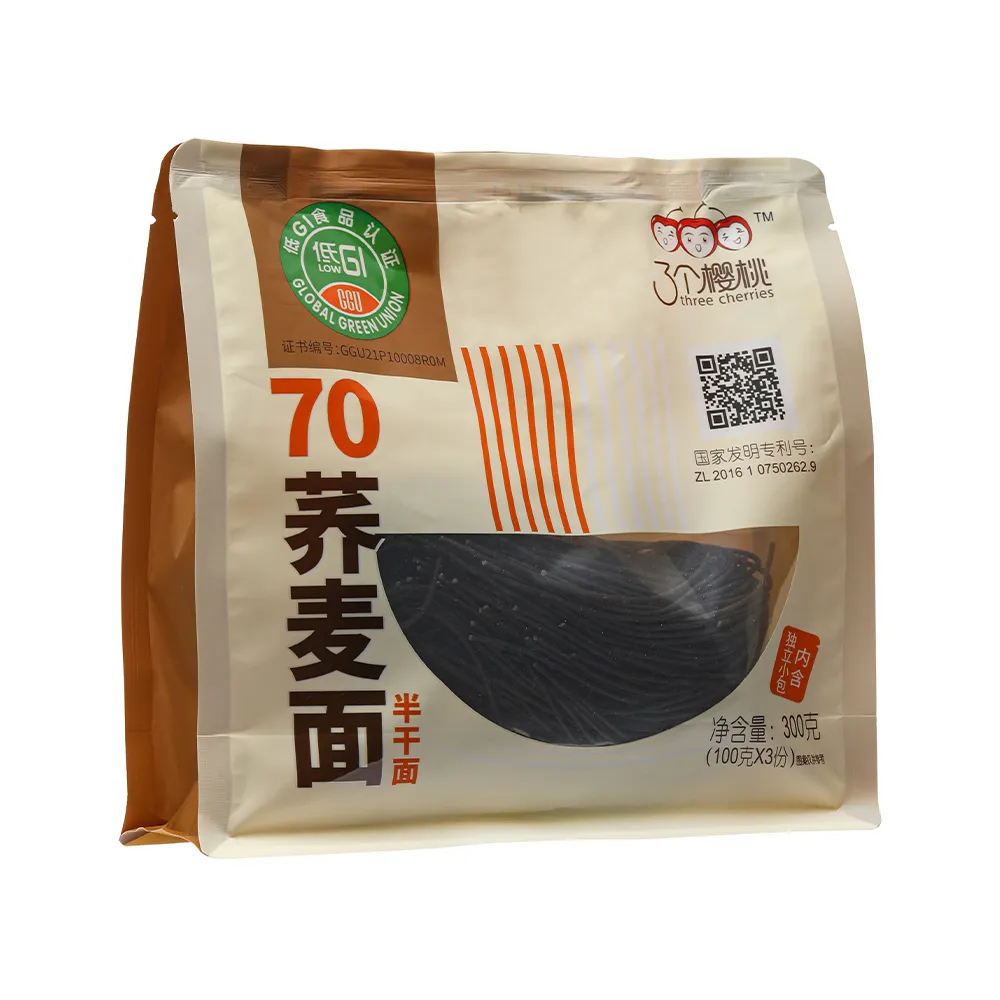

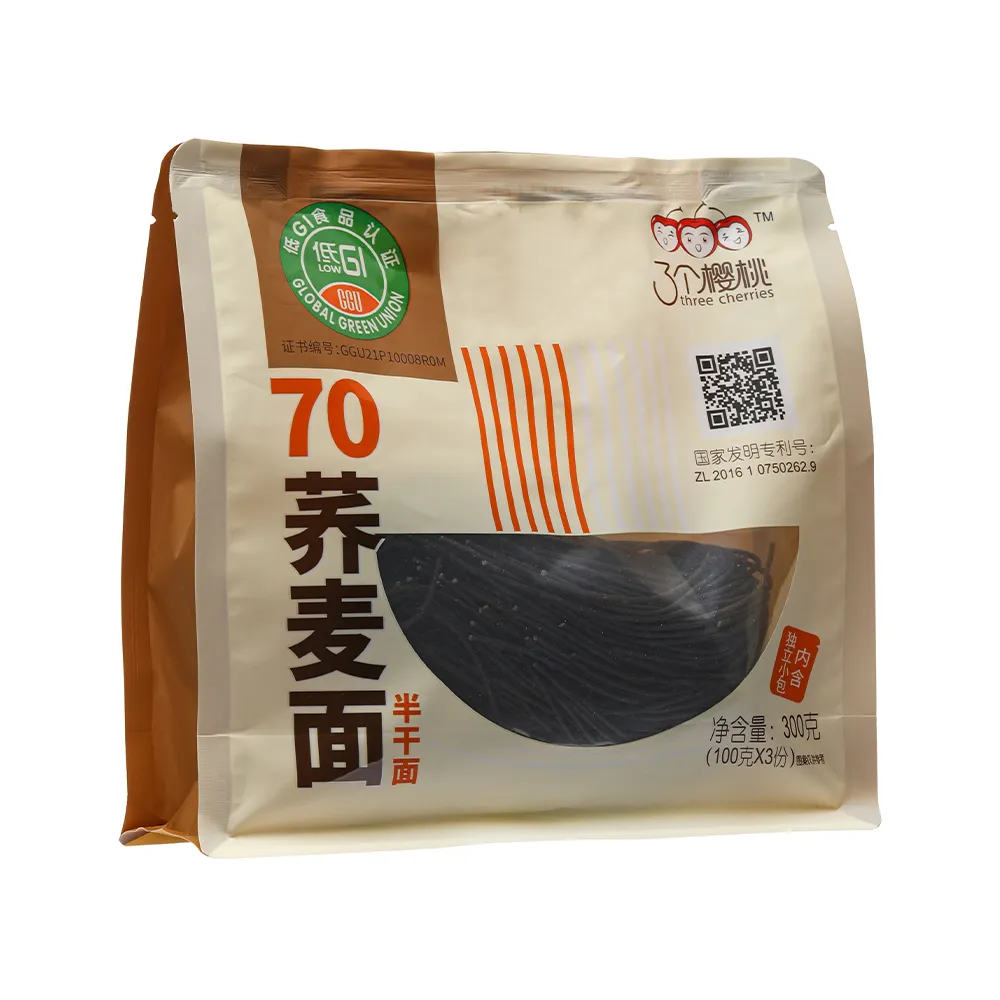
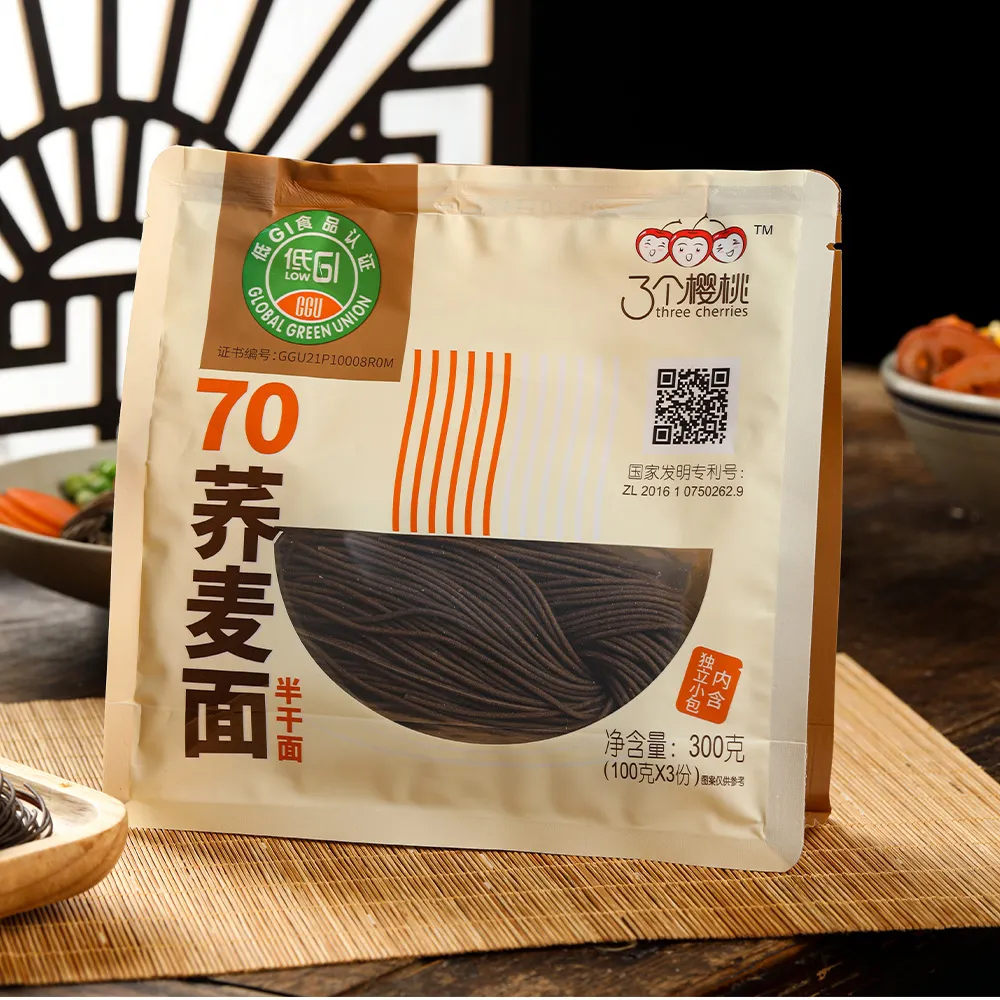
Low GI70 Soba Noodles – Steady Energy, High Fiber, Authentic
A Closer Look at Low GI70 Soba: Industry Pulse, Specs, and Real-World Use
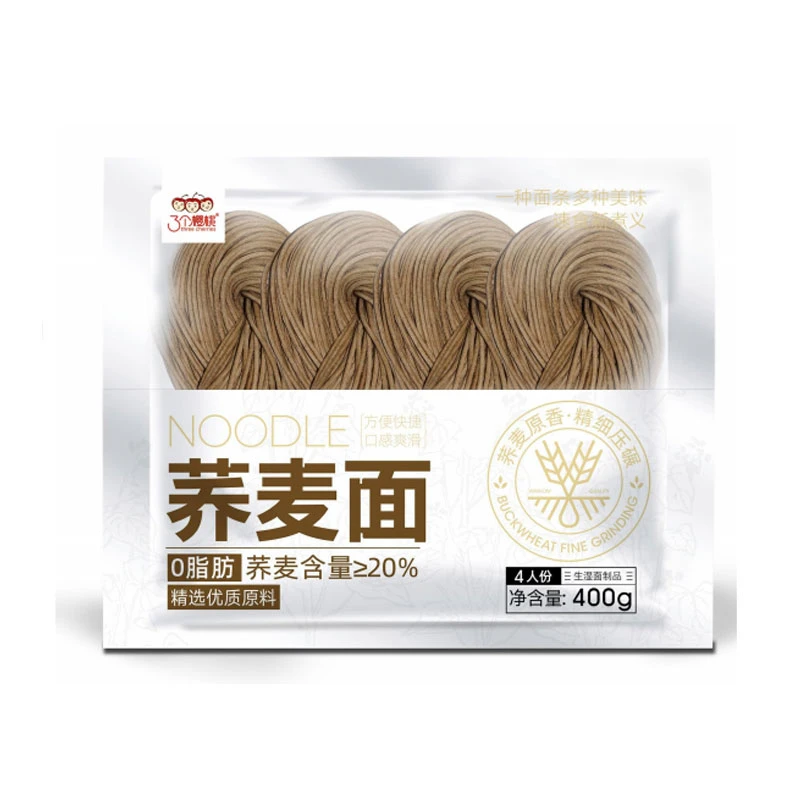
From Oriental Food City, Longyao County, Xingtai City, Hebei Province, this semi-dry buckwheat noodle has been quietly making waves in wellness kitchens. To be honest, I didn’t expect a soba labeled “low GI 70” to show up in corporate cafeterias and hospital menus quite this fast—but here we are.
Why it matters (industry trend in a nutshell)
Glycemic-aware menus are moving from niche to normal, especially in Asia-Pacific and wellness-forward chains. Dietitians want predictable glycemic responses, chefs want texture that holds, and procurement wants stable shelf life. With Low GI70 Soba, the pitch is simple: reliable GI ≈70 (per standardised testing), plus buckwheat’s earthy flavor, without the mushiness that plagues some whole-grain noodles.
Technical specifications
| Product name | Low GI70 Soba |
| Specification | 300 g pack |
| Shelf life | ≈4 months at room temp; ≈8 months refrigerated (0–10°C) |
| Storage | Cool, dry place or 0–10°C refrigeration |
| Target GI | ≈70 (ISO 26642 methodology; real-world use may vary) |
| Moisture (QC) | ≤12.5% at pack-out (typical) |
| Cooking time | 5–7 min to al dente, depending on load |
Process flow and testing
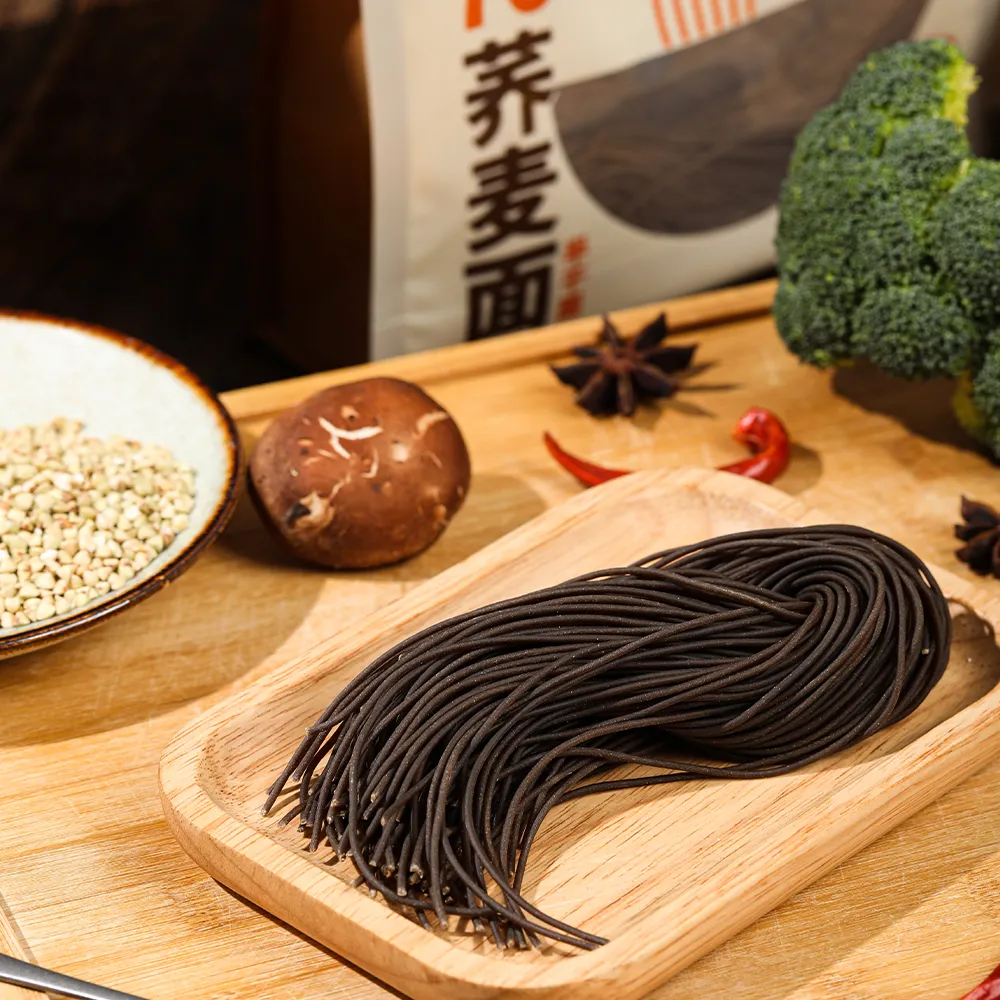
Materials: primarily buckwheat flour, food-grade water; selected functional flours permitted under GB standards. Methods: controlled hydration, extrusion, semi-drying to stable Aw, and nitrogen-flush packaging. QC: moisture and Aw checks per GB/T 5009 series; microbial plate counts; GI validation aligned to ISO 26642 protocols on a representative panel. Service life: validated via accelerated and real-time stability—texture and color hold surprisingly well at 0–10°C.
Where it fits (application scenarios)
- Hospital and eldercare menus needing moderated postprandial response.
- Corporate cafeterias and airlines chasing steady energy, not sugar spikes.
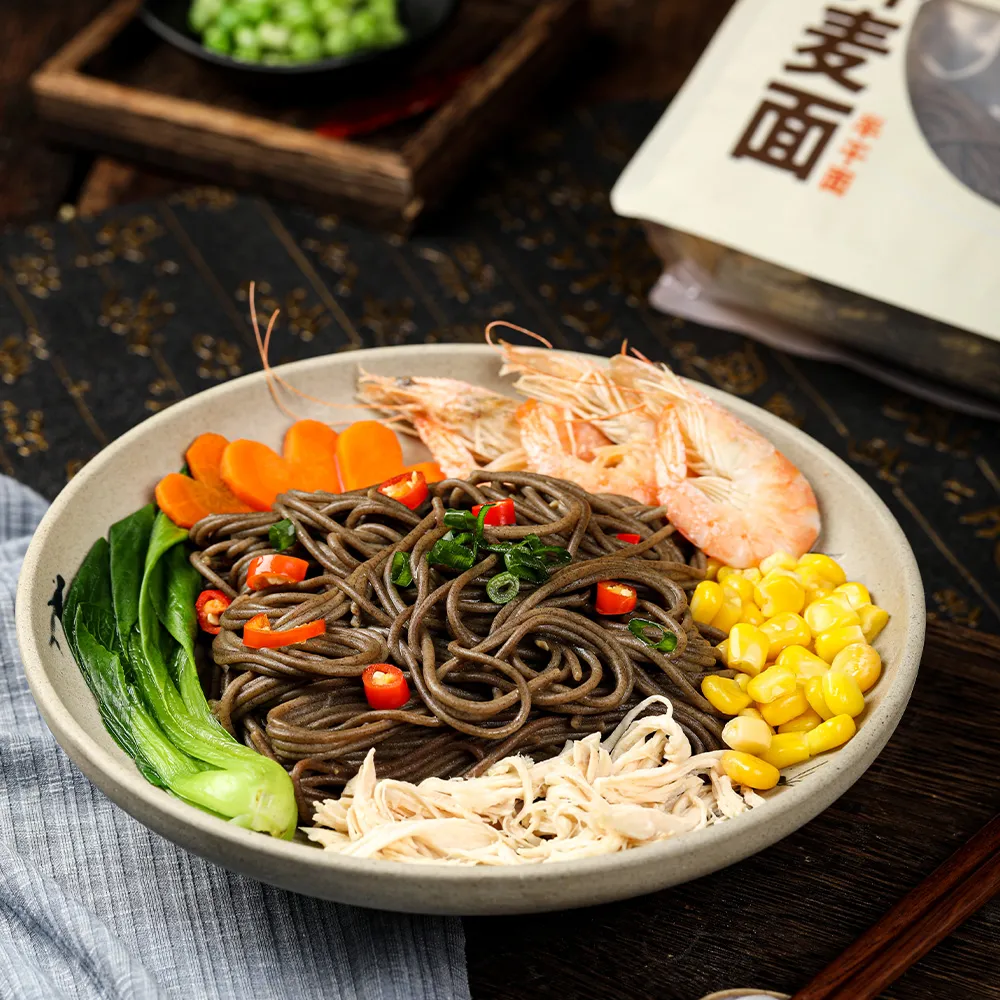
- Retail meal kits—cold soba salads, broth bowls, and bento add-ins.
- Sports canteens—pre-event carb with gentler peaks; chefs love the bite.
Advantages: consistent texture, convenient semi-dry handling, and predictable GI signaling. One chef told me, “It holds up even after a 20-minute pass,” which is chef-speak for: less sticking, less clumping.
Vendor comparison (quick take)
| Criteria | This product | Competitor A | Competitor B |
|---|---|---|---|
| GI stability | ≈70 across batches | 60–85 (varies) | Not disclosed |
| Certifications | HACCP/ISO 22000 (claimed) | HACCP only | ISO 22000/FSSC 22000 |
| MOQ | Flexible for pilots | High | Medium |
| Private label | Yes (artwork support) | Limited | Yes |
Customization and integration
Options reportedly include thickness, strand width, sodium targets, and carton counts. For institutional buyers, GI verification packs and cooking SOPs are available—handy when you’re training a rotating kitchen crew.
Case notes and feedback
Case study (university canteen): swapping in Low GI70 Soba for refined wheat pasta cut afternoon “energy dips,” according to informal student surveys. In a hospital pilot, dietitians liked the portion control and the way chilled noodles resisted sogginess in cold trays. Customers often mention the “nutty” aroma—some even say it’s more satisfying than wheat noodles.
Compliance, standards, and data
- GI assessed under ISO 26642 framework; actual response varies by individual.
- Food safety programs aligned to HACCP and ISO 22000; labeling per GB 7718; additives per GB 2760.
- Typical microbial counts meet GB standards at pack-out; retain cold-chain for best quality.
Citations:
- ISO 26642:2010 – Food products — Determination of the glycaemic index and recommendation for food classification.
- FAO/WHO Expert Consultation on Carbohydrates in Human Nutrition – Glycemic index considerations.
- GB 7718-2011 – General rules for nutrition labeling of prepackaged foods (China).
- Fardet A. et al., Buckwheat and postprandial response: overview of evidence, Nutrition Research (various years).
-
Discover the Authentic Taste of Korean Buckwheat NoodlesNewsApr.16,2026
-
Discover the Refreshing Taste of Authentic Korean Cold SobaNewsApr.09,2026
-
Discover the Refreshing Taste of Korean Cold Buckwheat Noodles NaengmyeonNewsApr.07,2026
-
Discover the Cool and Refreshing World of Korean Buckwheat Noodles ColdNewsApr.04,2026
-
Discover the Refreshing Taste of Japanese Cold Buckwheat Noodles and Zaru SobaNewsMar.31,2026
-
Exploring the Delicious World of Chinese Style Cold NoodlesNewsMar.28,2026
-
Discover the Cool and Refreshing World of Korean Cold Soba NoodlesNewsMar.26,2026
Browse qua the following product new the we