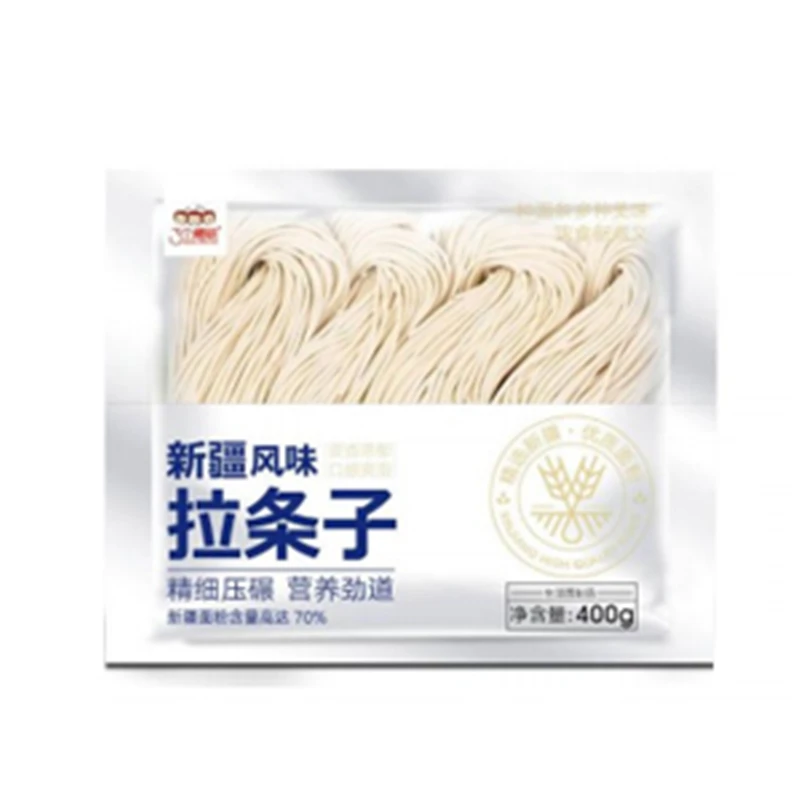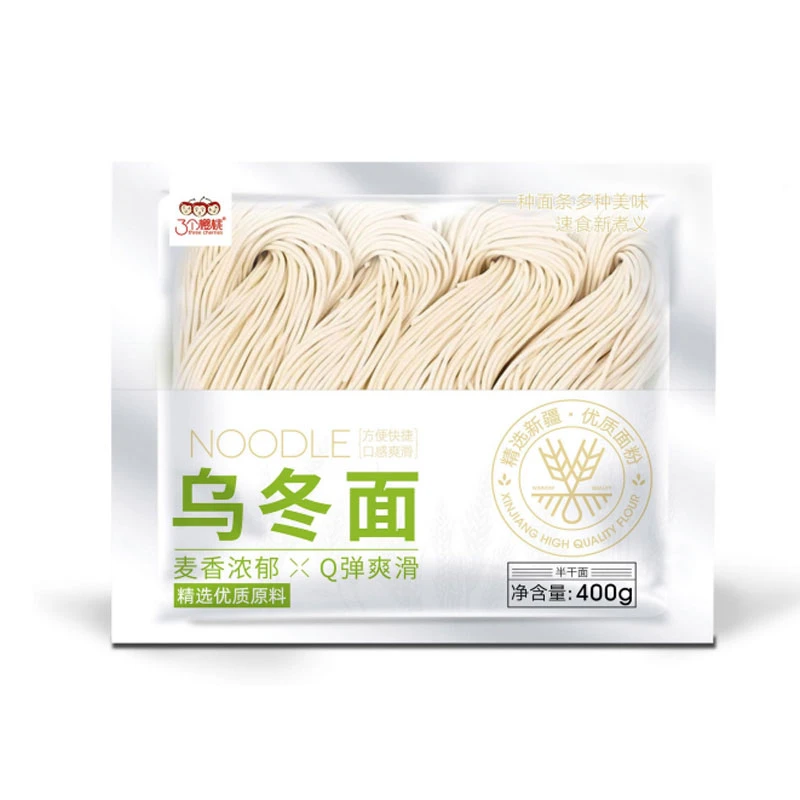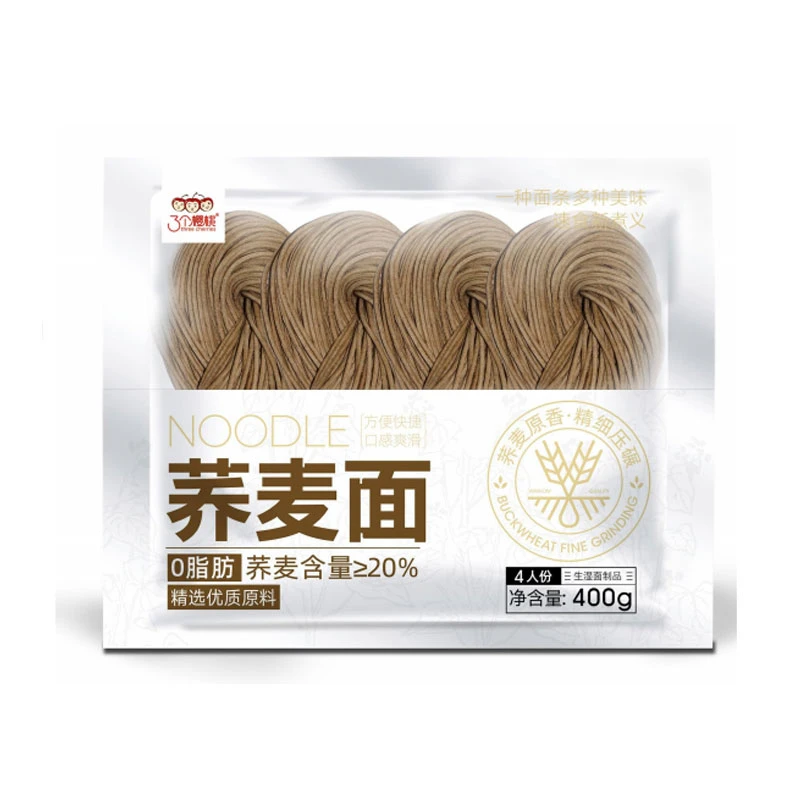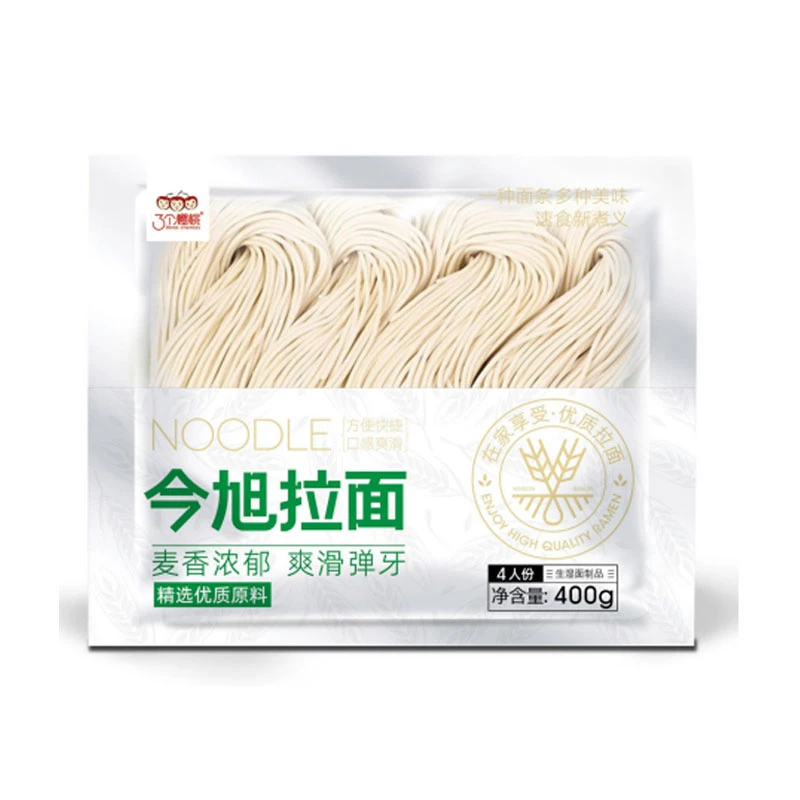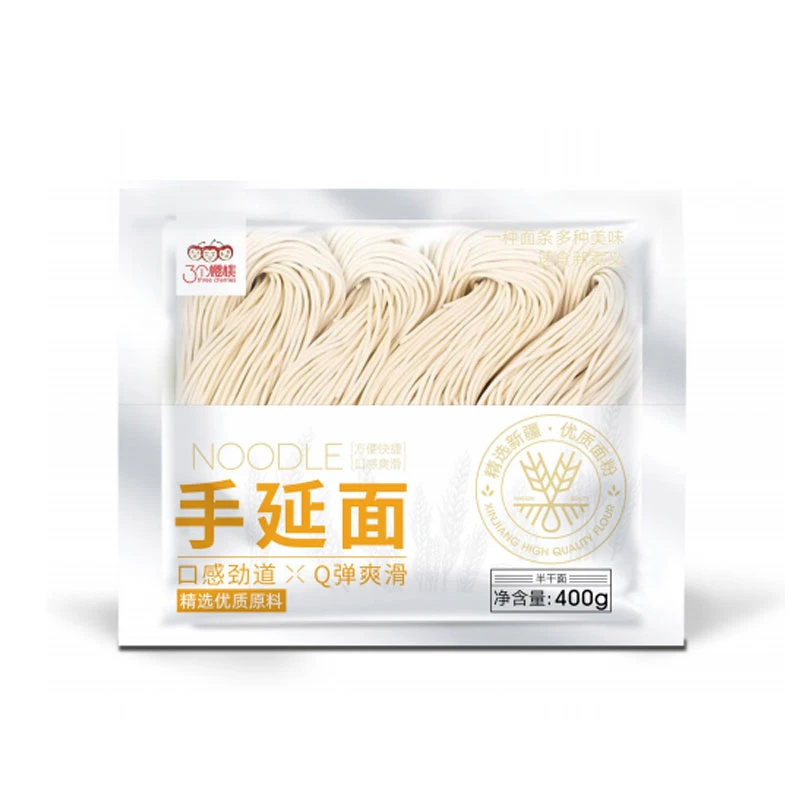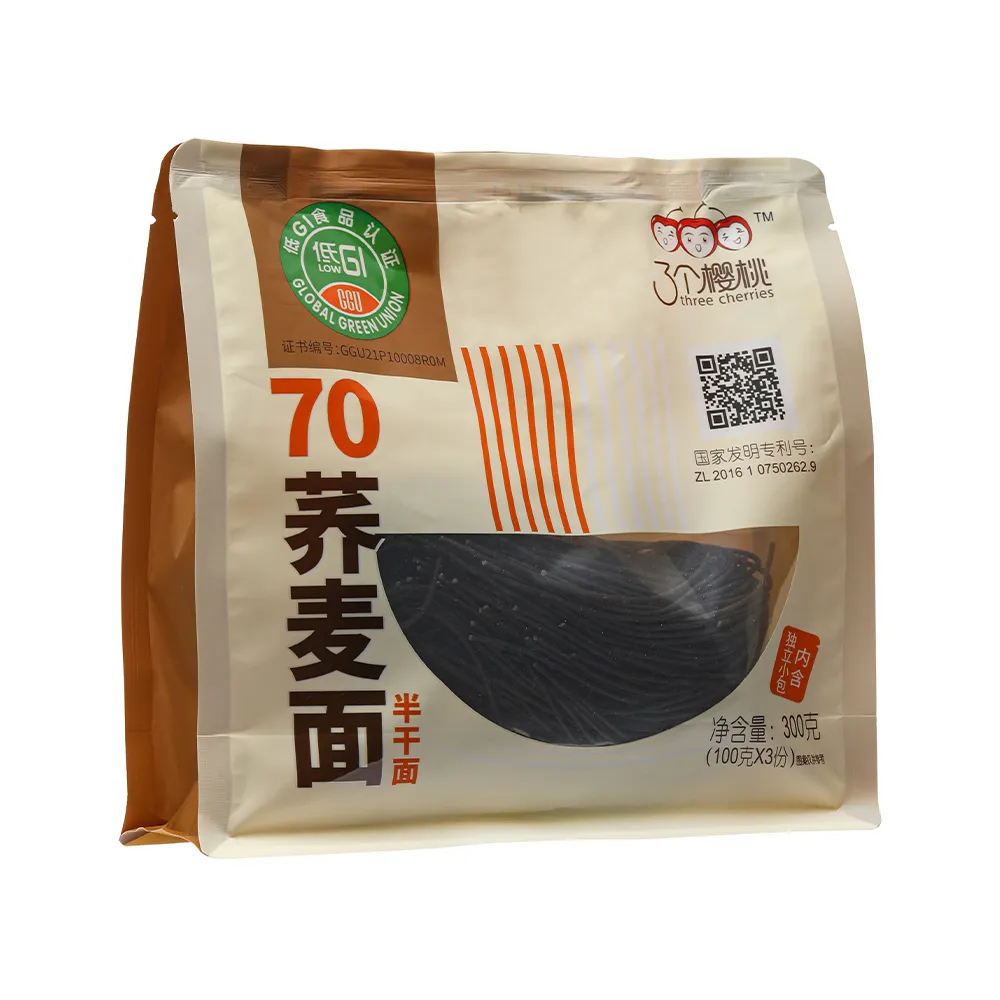

Fresh Udon Noodles – Industrial Quality & Artisanal Craft Combined
Fresh Udon: A Surprisingly Industrial Approach to Crafting Quality Noodles
Working in industrial equipment for years, I’ve seen machinery and processes behind countless food products. Fresh udon may sound simple, almost artisanal, yet there’s a fascinating blend of traditional craft and industrial savvy that goes into making those smooth, chewy Korean noodles. Oddly enough, when I first encountered fresh udon production, the precision and material science behind it intrigued me far more than I expected.
In real terms, producing fresh udon isn’t just dumping flour and water in a mixer—there’s a careful development of dough structure that balances elasticity and moisture content. Many engineers will tell you the equipment used must mimic traditional hand kneading motions but scale safely to industrial output levels. That meant custom-designed, food-grade mixers and rollers built with stainless steel to avoid contamination and designed for easy cleaning, critical in noodle production.
One thing I noticed during plant visits is how noodle machines have sophisticated controls for dough temperature and thickness. This ensures that every batch of fresh udon has consistent texture. You’d think moisture retention is just a minor detail, but even a percent or two difference changes chewiness noticeably.
| Specification | Details |
|---|---|
| Main Ingredients | Wheat flour, water, salt |
| Noodle Thickness | 3.0 mm (customizable) |
| Moisture Content | 40% - 45% |
| Shelf Life (Refrigerated) | 7 days |
| Packaging | Vacuum-sealed, 500g packs |
Now, if you’re wondering about how different suppliers stack up in this space, from my years of sourcing and quality checks, I can share a little comparative insight. The vendors vary not just in price but—importantly—in how much they emphasize industrial standards like HACCP certification and machine automation.
| Vendor | Certifications | Automation Level | Customization Options | Pricing |
|---|---|---|---|---|
| JX Semi-Dry Noodles | HACCP, ISO 22000 | High (PLC controlled dough mixers) | Thickness, moisture content | Mid-tier |
| Han Noodle Co. | FDA Registered | Medium (Semi-automated) | Packaging styles only | Lower |
| Seoul Fresh Noodles | HACCP, SQF | High (Fully automated lines) | Custom noodle shapes | Higher |
One small story: a client once needed fresh udon with a uniquely low sodium content, something unusual because traditional recipes call for salt to aid texture. After working directly with the vendor—JX Semi-Dry Noodles—they adjusted the dough formulation and processing parameters. The result? A product that didn’t compromise on chewiness but fit dietary requirements. It’s collaborations like these that reveal the mixture of art and science behind fresh udon manufacturing.
In terms of durability and shelf life, refrigeration is a must, you know, since fresh udon is a delicate product. Yet with proper vacuum packaging and material choices, it holds well for about a week. This makes it ideal for restaurants or distributors who seek high-quality noodles but also want to avoid excessive inventory waste.
And frankly, when you bite into freshly cooked udon from a well-engineered production line, it’s noticeably different from dried or frozen variants. The springy texture, subtle wheat sweetness, it all comes through. It feels like a small triumph of industrial know-how meeting tradition.
If you’re curious, I always recommend checking out trusted vendors with transparent production standards. For industrial buyers, understanding these nuances can save a lot of headaches later—whether it’s ingredient traceability, batch consistency, or regulatory compliance.
So, whether you’re a chef, distributor, or even a foodie with industrial curiosity, fresh udon stands as a delicious example of how old meets new in food manufacturing.
Takeaway: Fresh udon isn’t just about noodles—it’s where industrial precision and culinary tradition lovingly collide.
- Food Engineering Today, “Noodle Texture & Processing,” 2022.
- JX Semi-Dry Noodles Product Brochure, 2023.
- Industrial Food Production Journal, Vol. 18, 2021.
-
Discover the Authentic Taste of Korean Buckwheat NoodlesNewsApr.16,2026
-
Discover the Refreshing Taste of Authentic Korean Cold SobaNewsApr.09,2026
-
Discover the Refreshing Taste of Korean Cold Buckwheat Noodles NaengmyeonNewsApr.07,2026
-
Discover the Cool and Refreshing World of Korean Buckwheat Noodles ColdNewsApr.04,2026
-
Discover the Refreshing Taste of Japanese Cold Buckwheat Noodles and Zaru SobaNewsMar.31,2026
-
Exploring the Delicious World of Chinese Style Cold NoodlesNewsMar.28,2026
-
Discover the Cool and Refreshing World of Korean Cold Soba NoodlesNewsMar.26,2026
Browse qua the following product new the we