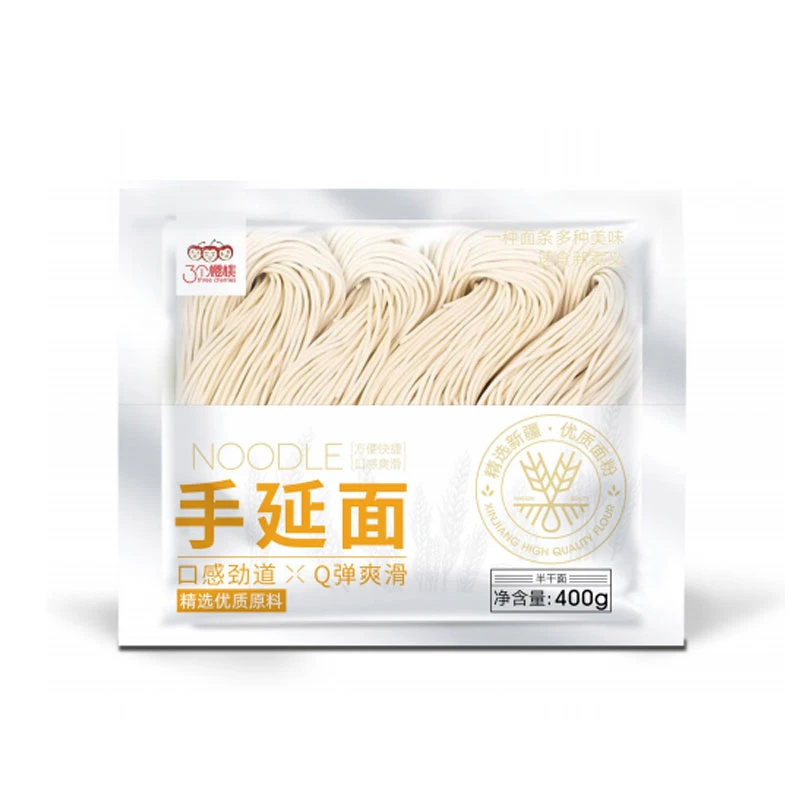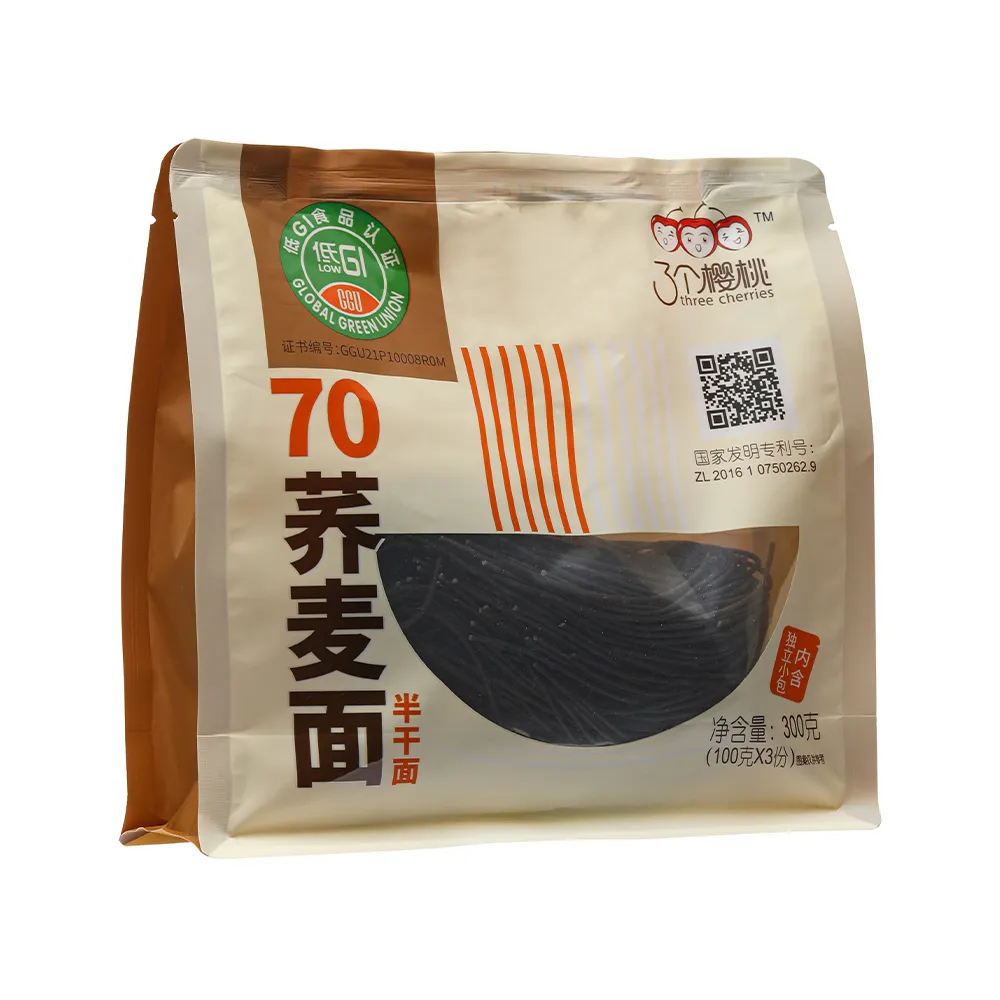

Healthy Noodles for Diabetics – Low GI & Nutritious Options | JXS Health Foods
Understanding Noodles for Diabetics: Why It Matters Globally
At first glance, "noodles for diabetics" might sound like a niche or even an oxymoron—after all, noodles often bring to mind carb-heavy, glycemic spikes. But as we peer into the global landscape, the need for specialized food products that serve diabetic consumers is unmistakable. Diabetes affects more than 537 million adults worldwide and climbing, according to the International Diabetes Federation (IDF, 2023). Diet management is critical, and tailored food choices can make all the difference in quality of life and disease control.
Crafting noodles that cater to diabetics isn’t just a culinary trend. It’s about mitigating health disparities, promoting sustainable nutrition, and creating accessible options that fit into everyday eating habits globally. Whether you're browsing for healthier alternatives or in the food industry looking to innovate, understanding noodles for diabetics is both timely and beneficial.
Mini takeaway: Noodles for diabetics are a growing global necessity, bridging nutrition science and food manufacturing to support millions managing blood sugar daily.
The Global Context: Why Noodles for Diabetics Are Gaining Traction
We can thank globalization and urbanization for drastically changing eating patterns worldwide. According to the United Nations Food and Agriculture Organization (FAO), instant noodles are among the most commonly consumed convenience foods globally, especially in Asia, Latin America, and parts of Africa. Unfortunately, these traditional noodles often have high glycemic indexes and minimal fiber content.
Now, factor in the rapid rise of diabetes—especially type 2 diabetes—in both developing and developed countries. Nearly 80% of adults with diabetes live in low- and middle-income countries (World Health Organization, 2022). Herein lies the problem: healthy, affordable, and culturally acceptable staple foods are often limited.
This is where noodles for diabetics come into play — offering a feasible alternative that maintains culinary familiarity while addressing critical health concerns.
Mini takeaway: The worldwide dependence on noodles, coupled with rising diabetes rates, drives urgent innovation toward specialized diabetic-friendly noodle options.
What Exactly Are Noodles for Diabetics?
In simple terms, noodles for diabetics are food products designed to minimize blood sugar spikes while providing satisfying taste and texture. These noodles are often made with low glycemic index (GI) ingredients, such as whole grains, legumes, or specialty flours like konjac or chickpea flour.
They integrate modern food science and the nutritional needs of individuals with impaired glucose metabolism. Unlike regular noodles, these products emphasize slow-digesting carbohydrates, increased fiber, and sometimes added protein, aiming to balance glycemic response and satiety.
Beyond individual health, these noodles serve a humanitarian function too—helping public health programs and food aid organizations deliver sustainable nutrition among vulnerable groups.
Core Components That Define Diabetic-Friendly Noodles
1. Low Glycemic Index (GI)
The GI measures how quickly foods raise blood glucose. Diabetic noodles strive for a GI below 55, which means their carbs are absorbed gradually, preventing those dreaded sugar spikes.
2. High Fiber Content
Fiber slows digestion and assists in blood sugar control, so these noodles prioritize fiber-rich ingredients—like oats, barley, or psyllium husk.
3. Protein Inclusion
Protein not only increases satiety but also modulates glucose absorption. Some diabetic noodles include added pea protein or lentil flour for this reason.
4. Minimal Added Sugars and Refined Starches
Processing techniques aim to reduce quickly digestible carbs and avoid added sweeteners, making the noodle safer for diabetic diets.
5. Palatability & Texture
No one wants cardboard noodles. Product development invests in maintaining chew, elasticity, and flavor to ensure the experience is enjoyable.
6. Shelf Stability & Convenience
Since noodles are staple and sometimes emergency foods, diabetic versions must remain shelf-stable and ready to prepare.
Mini takeaway: The interplay of low-GI ingredients, fiber, protein, and taste makes diabetic noodles both functional and practical.
Global Applications & Use Cases of Noodles for Diabetics
Noodles for diabetics are gaining ground in multiple arenas. In East Asia, where noodles dominate daily consumption, and diabetes rates surge, manufacturers in China, Japan, and South Korea are innovating recipes aligned with diabetic needs.
In humanitarian aid, organizations like the Red Cross employ specialized diabetic food kits, with these noodles featuring prominently to assist displaced or vulnerable populations.
Western markets, particularly in the US and Europe, see these noodles as part of health-conscious trends. Diabetic-friendly meal services and specialized retail brands are capitalizing on growing consumer awareness.
| Specification | Typical Value per 100g |
|---|---|
| Calories | 120–150 kcal |
| Carbohydrates | 20–25 g (mostly low-GI) |
| Dietary Fiber | 6–9 g |
| Protein | 7–12 g |
| Fat | 0.5–2 g (mostly unsaturated) |
| Glycemic Index (GI) | Typically ≤ 55 |
Mini takeaway: Across continents, diabetic noodles help widen food access and promote healthier dietary patterns while preserving cultural preferences.
Advantages and Long-Term Value of Diabetic-Appropriate Noodles
- Cost Efficiency: Many diabetic noodles utilize locally sourced grains and legumes, making them affordable and sustainable.
- Social Impact: Empowering diabetics with convenient foods boosts dignity, independence, and improves compliance with dietary recommendations.
- Innovation and Trust: Manufacturers deploying modern food tech evoke trust by meeting safety standards, quality control, and transparency.
- Sustainability: Using alternate proteins and fibers helps reduce environmental footprint compared to traditional wheat noodles.
- Emotional satisfaction: Eating familiar foods that don’t compromise blood sugar creates positive emotional wellbeing.
The Future of Noodles for Diabetics: Trends to Watch
Emerging technologies like 3D food printing and precision fermentation hold promise to customize noodle composition for individual glycemic responses. Meanwhile, sustainability trends push toward naturally gluten-free, insect-protein enriched, or algae-based noodles that marry health benefits with low environmental impact.
Digitization in supply chains will also enhance transparency for consumers concerned about ingredient origins and manufacturing practices. The proliferation of mobile health apps may soon interface directly with food products through QR codes to personalize meal planning for diabetics.
Challenges and How the Industry is Addressing Them
Despite advances, some hurdles remain. Taste and texture can be tricky—noodles that don’t appeal to traditional palates risk rejection. Cost of specialty ingredients can be higher, impacting accessibility, especially in low-income countries.
Experts suggest collaborative R&D between nutritionists, food scientists, and culturally diverse consumer panels to fine-tune formulations. Also, economies of scale will inevitably help lower production costs as demand grows.
Public policy could encourage subsidies or tax incentives for diabetic-friendly foods, too—currently a patchy area but with huge potential to improve public health.
Vendor Comparison: Leading Producers of Diabetic Noodles
| Vendor | Key Ingredient | GI Range | Price Range (per 500g) | Regions Available |
|---|---|---|---|---|
| JXS Health Foods | Konjac Flour + Wheat | 30–45 | $3.50–$4.50 | Asia, USA |
| GreenGrain Co. | Chickpea + Lentil Flour | 40–55 | $4.00–$6.00 | Europe, USA |
| NutriPasta | Whole Grain Quinoa Mix | 35–50 | $5.00–$7.00 | Global |
Frequently Asked Questions About Noodles for Diabetics
Q: Can diabetics safely eat regular noodles?
A: It's best for diabetics to limit regular noodles as they are high in refined carbs and can cause rapid blood sugar spikes. Choosing noodles made from low-GI ingredients like whole grains or legumes improves blood sugar control.
Q: How do diabetic-friendly noodles taste compared to traditional versions?
A: Many diabetic noodles have been reformulated to retain texture and flavor very close to traditional noodles. Some specialty flours may impart a slightly different taste, but manufacturers continuously improve recipes to appeal broadly.
Q: Are diabetic noodles more expensive?
A: They can be somewhat pricier due to specialized ingredients and processing, but increasing demand and production efficiencies are driving prices down, making them accessible for everyday use.
Q: Where can I find noodles for diabetics?
A: Check health food stores, diabetic specialty markets, and online retailers, especially reputable brands such as JXS Health Foods. Some mainstream supermarkets also stock these options.
Q: Can these noodles be used in regular recipes?
A: Absolutely! Diabetic-friendly noodles substitute well in most dishes like stir-fries, soups, and pasta salads, offering a healthier twist without compromising the experience.
Wrapping Up: Why Noodles for Diabetics Are a Smart Choice
Choosing noodles for diabetics isn’t just a dietary choice; it’s a step toward sustainable, inclusive nutrition that respects health, culture, and innovation. They offer a tangible solution amid rising diabetes rates, paving the way for better living standards globally.
If you're intrigued and want to explore the variety and benefits available, don't hesitate to visit our website for more information, recipes, and purchasing options.
I'll leave you with this thought: food innovation is not just science—it's empathy served on a plate.
References
-
Discover the Authentic Taste of Korean Buckwheat NoodlesNewsApr.16,2026
-
Discover the Refreshing Taste of Authentic Korean Cold SobaNewsApr.09,2026
-
Discover the Refreshing Taste of Korean Cold Buckwheat Noodles NaengmyeonNewsApr.07,2026
-
Discover the Cool and Refreshing World of Korean Buckwheat Noodles ColdNewsApr.04,2026
-
Discover the Refreshing Taste of Japanese Cold Buckwheat Noodles and Zaru SobaNewsMar.31,2026
-
Exploring the Delicious World of Chinese Style Cold NoodlesNewsMar.28,2026
-
Discover the Cool and Refreshing World of Korean Cold Soba NoodlesNewsMar.26,2026
Browse qua the following product new the we