
Are Soba Noodles Good for Diabetics? Your Complete Guide to Healthy Eating
Soba Noodles Good for Diabetics: A Guide to Wellness in Every Bite
If you or someone you know is managing diabetes, the food choices you make can feel like an ongoing balancing act. Enter soba noodles good for diabetics, a healthy, delicious option gaining global attention. More than just a tasty alternative to traditional pasta, soba noodles may help support blood sugar control and overall wellness — a small but empowering change with potentially big effects on health.
Why Soba Noodles Matter for Diabetic Health Worldwide
Globally, diabetes remains a significant public health challenge, affecting over 500 million people worldwide according to the International Diabetes Federation (IDF, 2023). The rise in diabetes prevalence has brought diet to the forefront as a critical area of intervention. Soba noodles, made primarily from buckwheat, are low in glycemic index compared to refined wheat noodles, making them an excellent choice for blood sugar management.
In fact, countries facing rising diabetes rates—like Japan, South Korea, China, and increasingly Western nations—are seeing soba’s popularity soar as an easy, culturally adaptable meal base. Why this matters broadly: better diet options can reduce complications, healthcare costs, and improve quality of life.
Mini takeaway: Soba noodles are more than food; they’re a simple ingredient with the power to make diabetes diets more appetizing and effective across the globe.
What Exactly Are Soba Noodles for Diabetics?
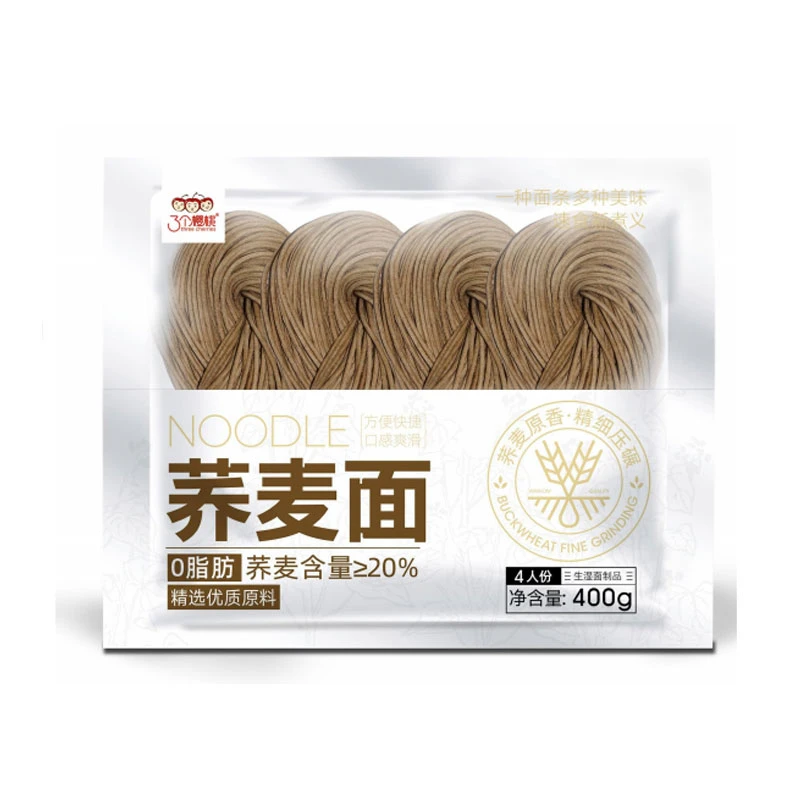
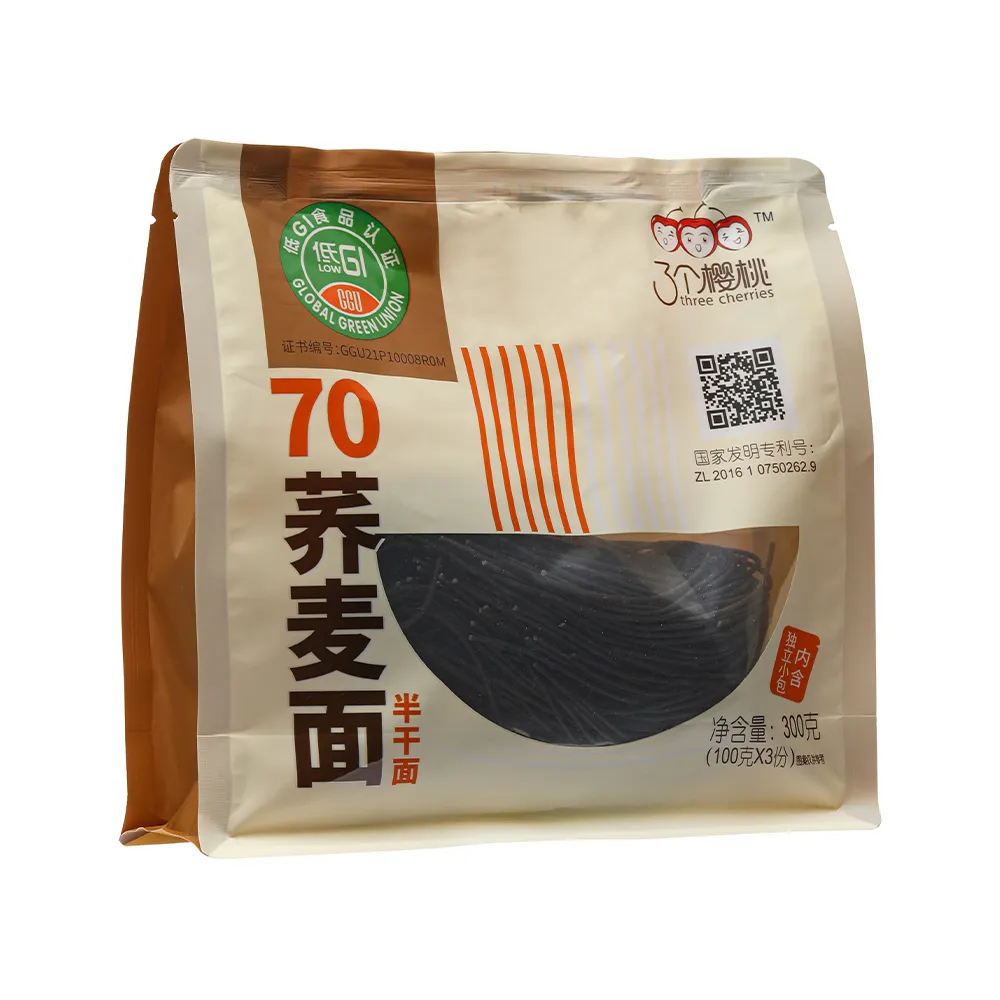
Soba noodles are thin Japanese noodles traditionally made from buckwheat flour, sometimes blended with wheat flour. The emphasis on “good for diabetics” refers to their lower glycemic index (GI)—a measure of how fast foods raise blood glucose levels—compared to white pasta or rice noodles.
What ties soba noodles to modern diabetes management? Buckwheat is naturally rich in fiber, protein, and key micronutrients, which collectively support stable blood sugar and heart health—critical areas for people managing diabetes.
Key Nutritional Components That Make Soba Stand Out
1. Low Glycemic Index
Compared to traditional wheat pasta (GI ~50–70), soba noodles have a GI value around 40–50. This means blood sugar rises more slowly, helping avoid sudden spikes that can be harmful.
2. Dietary Fiber Content
Fiber is a vital player in blood sugar regulation. Buckwheat soba noodles contain about 2-3 grams of fiber per 100 grams cooked, aiding digestion and glycemic control.
3. Rich in Essential Minerals
Buckwheat provides magnesium, manganese, and zinc—all important for insulin sensitivity and cardiovascular health.
4. Gluten-Free Option (When 100% Buckwheat)
For those sensitive to gluten, pure buckwheat soba is a safe choice. Although many commercial varieties blend wheat for texture, 100% buckwheat noodles exist.
5. Protein Content
Higher than many other grains, buckwheat protein helps with satiety—supporting better portion control and steady blood sugars.
Mini takeaway: Soba noodles’ nutritional profile tick many boxes for a diabetic-friendly diet, balancing fiber, protein, and slow-release carbs.
Global Applications and Real-World Use
From Tokyo’s bustling markets to conscious kitchens across the US and Europe, soba noodles have gained a strong foothold. Hospitals and diabetes nutritionists increasingly recommend soba-based meals to patients. In schools and workplaces, soba dishes appear on menus as healthier carb choices.
Even in humanitarian contexts—where diabetes management faces huge challenges—NGOs serving diabetic populations have started including buckwheat noodles in food aid packages, appreciating their shelf-life, nutrition, and ease of preparation.
Product Specification Table: Typical Soba Noodle Nutritional Values
| Nutrient | Amount per 100g (cooked) | Notes |
|---|---|---|
| Calories | 99 kcal | Moderate energy |
| Total Carbohydrates | 21 g | Slow-digesting carbs |
| Dietary Fiber | 3 g | Supports glycemic control |
| Protein | 5 g | Higher than most noodles |
| Fat | 0.1 g | Very low fat |
| Magnesium | 86 mg | Supports insulin function |
How Do Vendors Stack Up? Choosing the Right Soba for Diabetic Needs
| Vendor | Buckwheat Ratio | Gluten-Free Option | Price (per 500g) | Organic Certification |
|---|---|---|---|---|
| Yamato Noodles | 80% | No | $4.50 | Yes |
| BuckWheatPure | 100% | Yes | $7.99 | Yes |
| HealthNoodle Co. | 70% | No | $3.75 | No |
Advantages & Long-Term Value of Choosing Soba for Diabetics
- Cost-effective nutrition: Affordable and widely accessible, soba offers nutrient density without breaking budgets.
- Sustainability: Buckwheat is a resilient crop requiring fewer inputs than wheat, aligning soba noodles with eco-friendly diets.
- Social impact: Encouraging culturally familiar, healthier meal choices supports long-term lifestyle changes.
- Reliability: Soba noodles are shelf-stable, easy to store, and quick to prepare—even in busy households or relief settings.
Looking Ahead: Innovations and Trends in Soba Noodle Production
With rising demand, companies are experimenting with organic, 100% buckwheat noodles that preserve gluten-free purity and nutritional value. Digital platforms now help consumers trace the sourcing of buckwheat, supporting transparency and ethical production. Innovation isn't just in ingredients—it’s also in packaging for longer shelf life and better convenience.
Sustainability trends encourage farmers to adopt regenerative agriculture for buckwheat crops, reducing environment impact. As diabetics worldwide become more vocal about food choices, expect product lines with enhanced fiber, protein, or fortified with micronutrients like chromium.
Common Challenges and How to Address Them
Admittedly, not all soba noodles are created equal. Many commercially available variants contain wheat flour, which raises the GI and excludes gluten-sensitive consumers. Label reading is essential. Some find buckwheat’s earthy flavor “acquired,” but pairing with broths and fresh vegetables balances taste well.
Storage and moisture can affect noodle texture over time. Opt for reputable brands with strong quality controls. Finally, availability can be spotty in some markets, but the trend towards healthy eating and online retailers is loosening those barriers.
FAQ: Quickly Answering Your Questions About Soba Noodles Good for Diabetics
Q1: Are soba noodles safe for everyone with diabetes?
A1: Generally, yes. Because soba noodles have a lower glycemic index, they’re safer for most diabetics compared to white pasta. Still, portion control and overall meal composition matter. Consult with your healthcare provider for personalized advice.
Q2: Can I eat soba noodles if I have gluten intolerance?
A2: Only if they’re 100% buckwheat. Many soba noodles mix buckwheat with wheat flour, so always check the label carefully or choose certified gluten-free products.
Q3: How do soba noodles compare with rice noodles for diabetic-friendly meals?
A3: Soba typically has a lower glycemic index and more fiber and protein compared to white rice noodles, making it a better choice for blood sugar management.
Q4: Where can I buy authentic, diabetic-friendly soba noodles?
A4: Specialty stores, health food markets, and reputable online retailers like our partner site soba noodles good for diabetics offer a range of options with clear nutritional labeling.
Mini takeaway: Armed with knowledge, choosing the right soba noodle can be straightforward and a delicious step towards better diabetic health.
Conclusion: A Small Change That Makes a Big Difference
Switching to soba noodles good for diabetics offers a tasty, culturally rich, and nutritionally sensible food choice that supports blood sugar management and heart health. It’s a staple that can slide easily into everyday meals or special occasions. So next time you’re navigating diabetes-friendly diets, consider the simple power of soba.
Want to learn more or explore quality products? Visit our trusted supplier here: https://www.jxsemidrynoodles.com
In real terms, managing diabetes is about consistent, small improvements, and food is the frontline. Soba noodles may just be your newest ally.
References:
- International Diabetes Federation (IDF), Diabetes Atlas 2023
- Wikipedia: Buckwheat
- International Organization for Standardization (ISO), Food Standards
-
Discover the Authentic Taste of Korean Buckwheat NoodlesNewsApr.16,2026
-
Discover the Refreshing Taste of Authentic Korean Cold SobaNewsApr.09,2026
-
Discover the Refreshing Taste of Korean Cold Buckwheat Noodles NaengmyeonNewsApr.07,2026
-
Discover the Cool and Refreshing World of Korean Buckwheat Noodles ColdNewsApr.04,2026
-
Discover the Refreshing Taste of Japanese Cold Buckwheat Noodles and Zaru SobaNewsMar.31,2026
-
Exploring the Delicious World of Chinese Style Cold NoodlesNewsMar.28,2026
-
Discover the Cool and Refreshing World of Korean Cold Soba NoodlesNewsMar.26,2026
Browse qua the following product new the we