
Are Buckwheat Noodles Good For You? Nutrition, Benefits & Trends Explained
Why Are Buckwheat Noodles Good for You? A Global Perspective
At first glance, are buckwheat noodles good for you might seem like just another food fad. But dig a bit deeper, and you realize these noodles are a staple with wide-reaching implications. Globally, millions rely on nutrient-dense, gluten-free sources of carbohydrates — buckwheat noodles quietly fill that role. Not only do they cater to health-conscious individuals, but they also matter on scales from nutrition programs to sustainable farming efforts.
Understanding what makes buckwheat noodles beneficial can enlighten consumers, food technologists, and even policymakers. The benefits aren't just nutritional; they touch on environmental and social aspects. Let’s take a stroll through why these unassuming noodles deserve your attention — and perhaps your next meal.
The Global Context: Why Buckwheat Noodles Matter
The Food and Agriculture Organization of the UN reports that millions worldwide suffer from gluten intolerance and other digestive issues related to wheat. Buckwheat, despite its name, isn’t technically a grain and is naturally gluten-free. This fact alone positions buckwheat noodles as a solution to a prevalent dietary challenge, especially in regions where wheat allergy awareness and options are still emerging.
Moreover, buckwheat thrives in harsher climates where traditional cereals struggle, such as mountainous and temperate zones in Asia and Europe. It’s a hardy crop that requires fewer pesticides and less water, a result that appeals in today’s sustainability-driven agricultural models. The global rise in demand for gluten-free and nutrient-rich foods has increased the production and consumption of buckwheat noodles, linking health trends with agricultural sustainability.
Still, obstacles persist: knowledge gaps about nutritional benefits and skepticism about taste sometimes hold buckwheat noodles back from mainstream kitchen popularity. Which raises the question at the heart of today’s food conversations — are buckwheat noodles good for you?
What Exactly Are Buckwheat Noodles?
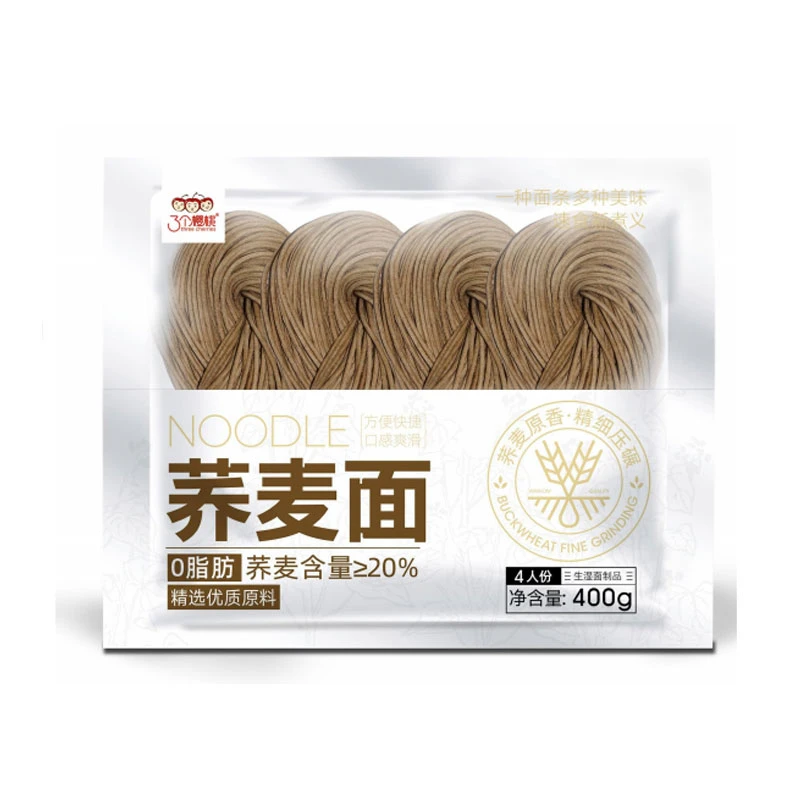
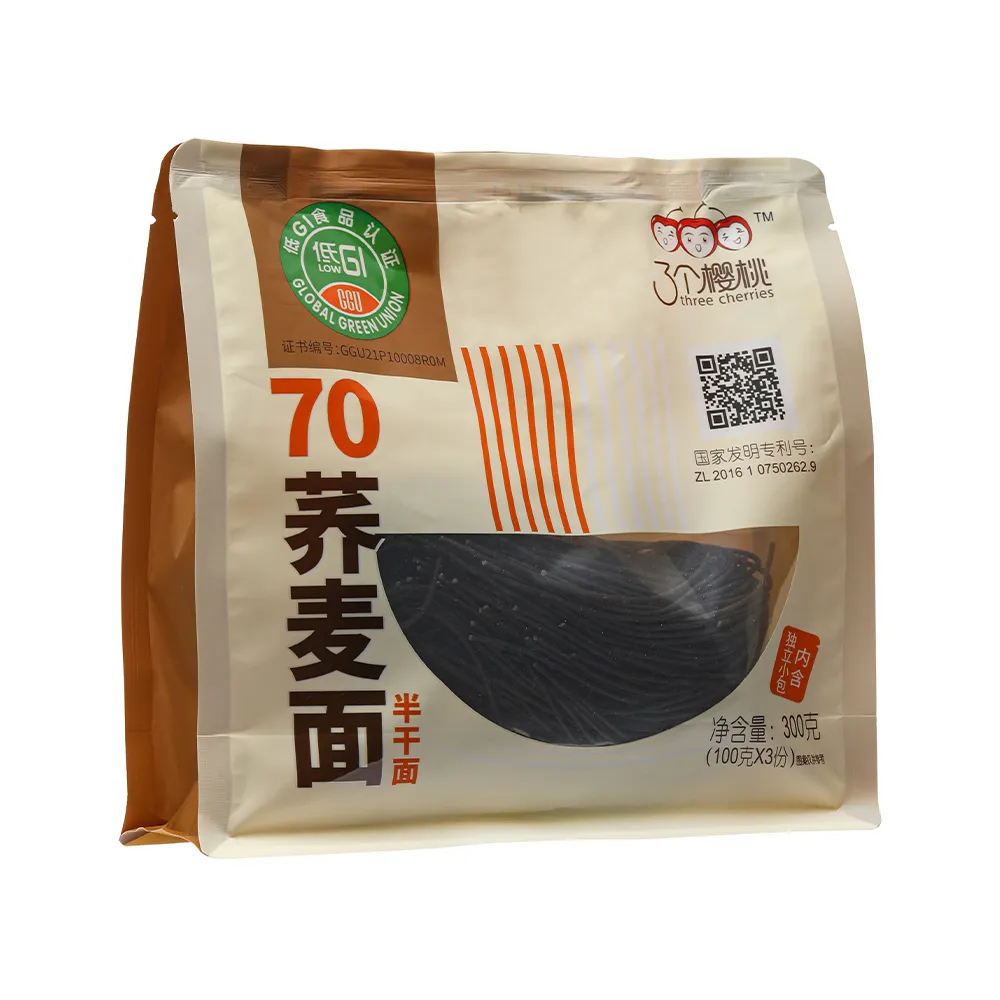
Simply put, buckwheat noodles, often known by their Japanese name “soba,” are noodles made primarily from buckwheat flour. This pseudo-cereal is rich in fiber, protein, and antioxidants, distinguishing itself from regular wheat-based products. Buckwheat noodles can be 100% buckwheat or mixed with wheat flour to improve texture.
In culinary terms, they appear in various traditional Asian dishes but are gaining traction worldwide due to their healthful properties. From an industry viewpoint, buckwheat noodles represent a growing intersection of functional food development, catering to gluten-free markets, and enhancing protein alternatives. You might say they respond to a modern hunger — for food that’s good for us, kind to the planet, and pleasant to our palates.
Key Factors Making Buckwheat Noodles Good For You
1. Nutritional Profile
Buckwheat noodles stand out with substantial protein content (about 5–7 grams per 100g serving) and complex carbohydrates. They also carry essential minerals like magnesium, zinc, and manganese, plus antioxidants such as rutin, which supports heart health.
2. Gluten-Free Option
For those with celiac disease or gluten sensitivity, buckwheat noodles are a natural, safe alternative to wheat noodles. This feature alone propels their desirability in gluten-free diets, which are becoming mainstream globally.
3. Low Glycemic Index
Foods with a low glycemic index cause slower blood sugar spikes—a big plus for diabetics. Buckwheat noodles fall into this category, helping manage energy levels more steadily compared to typical pasta.
4. Sustainability of Buckwheat Farming
Buckwheat crops require less water and no heavy pesticides, making these noodles a friendlier choice for the environment. This hemps well with the increasing consumer demand for sustainable food sources.
5. Digestive Health Benefits
The fiber content in buckwheat noodles aids digestion and promotes gut health, contributing to longer-term wellness beyond immediate nutrition.
Mini takeaway: Buckwheat noodles combine nutrition, dietary safety, and ecological benefit, ticking many boxes in healthy eating and sustainability.
How Buckwheat Noodles Are Enjoyed Across the Globe
Buckwheat noodles have a strong foothold in East Asia—Japan, Korea, and China—where soba and similar varieties have been traditional favorites for centuries. More recently, North American and European markets have embraced them as part of the gluten-free and health food movements.
In Japan, soba noodles are eaten hot or cold and are a customary offering during festivals for good luck. European farmers in the Alps cultivate buckwheat in small, sustainable plots supporting local economies and food sovereignty.
One compelling example is the integration of buckwheat noodles in humanitarian food aid programs targeting malnutrition, especially in parts of Central Asia and Eastern Europe. The noodles offer an affordable, nutrient-rich food that is relatively easy to produce and ship.
Advantages & Long-Term Value of Buckwheat Noodles
- Cost-Effective Nutrition: Buckwheat noodles provide ample protein and fiber at a reasonable cost.
- Enhancing Food Security: Their ability to grow in tough conditions adds resilience to food systems.
- Social Impact: Supporting buckwheat farming helps preserve rural livelihoods.
- Health & Wellness: Their balanced nutrition contributes to reduced risks of cardiovascular diseases.
- Sustainability: Reduced reliance on water and pesticides means lower environmental footprints.
Frankly, these noodles stand as quiet champions in the modern pantry, balancing well-being with practicality.
Product Specification Table
| Specification | Buckwheat Noodles | Wheat Noodles |
|---|---|---|
| Protein | 5-7 g / 100g | 3-4 g / 100g |
| Gluten Content | None (Gluten-Free) | Contains Gluten |
| Glycemic Index | Low (Around 45) | High (Around 70) |
| Fiber | High (3-4 g) | Low (1-2 g) |
| Cultivation Impact | Low pesticide, drought resistant | High pesticide, water intensive |
Future Trends & Innovations in Buckwheat Noodle Production
Interest in improving buckwheat yields and noodle quality is growing. Biotechnological advances aim to create drought-tolerant, higher-yield varieties without compromising the natural gluten-free quality. Meanwhile, food science innovations work on enhancing texture and shelf life, appealing to a broader consumer base.
Emerging trends also focus on fortifying buckwheat noodles with vitamins and probiotics, adding functional food benefits to the mix. Environmental policies incentivizing sustainable agriculture push buckwheat farming higher on national agendas.
Challenges & Solutions in Embracing Buckwheat Noodles
Despite the benefits, buckwheat noodles face hurdles. The characteristic taste—some describe it as earthy or nutty—isn’t universally loved. Also, processing buckwheat into fine flour suitable for noodles can be tricky due to its smaller size and hull.
Innovative milling techniques and mixing ratios with wheat flour help resolve texture or taste issues. Education campaigns and culinary creativity also change consumer perceptions over time.
Comparison of Leading Buckwheat Noodle Vendors
| Vendor | Country | Gluten-Free Verified | Sustainability Certifications | Price Range (per 500g) |
|---|---|---|---|---|
| SobaMaster | Japan | Yes | Organic, Rainforest Alliance | $8 - $12 |
| BuckWell Foods | USA | Yes | Non-GMO, USDA Organic | $7 - $11 |
| EcoNoodle Co. | Germany | No | EU Organic | $6 - $9 |
FAQ: Common Questions About Buckwheat Noodles
Q1: Are buckwheat noodles truly gluten-free?
A1: Yes, 100% buckwheat noodles are naturally gluten-free. However, some commercial brands mix wheat flour with buckwheat, so always check labels if you have gluten allergies.
Q2: How do buckwheat noodles compare nutritionally to regular pasta?
A2: Buckwheat noodles offer higher protein and fiber and contain beneficial antioxidants, unlike many traditional pasta varieties which are mostly carbs.
Q3: Are buckwheat noodles suitable for diabetic diets?
A3: Definitely. Due to their low glycemic index, they help regulate blood sugar levels better than white wheat pasta.
Q4: Can buckwheat noodles be included in sustainable dietary plans?
A4: Absolutely. Buckwheat cultivation uses fewer resources and chemicals, fitting well with eco-conscious eating practices.
Q5: How should I store buckwheat noodles to maintain freshness?
A5: Keep them in a cool, dry place, ideally in airtight containers. Refrigeration can extend shelf life, especially in humid environments.
In Conclusion: Why Keep Asking, Are Buckwheat Noodles Good For You?
The short answer? Yes. Buckwheat noodles marry tradition with modern nutritional wisdom and sustainability. They offer a reliable, healthful, and planet-friendly alternative in the crowded noodle market. Trying buckwheat noodles is a small step that invites big benefits — for your health and the world.
Curious to learn more or ready to explore? Why not are buckwheat noodles good for you and discover recipes, sourcing tips, and more on our dedicated platform.
Sometimes the best foods aren't flashy or complicated — they’re honest, humble, and a little bit remarkable.
References:
-
Discover the Authentic Taste of Korean Buckwheat NoodlesNewsApr.16,2026
-
Discover the Refreshing Taste of Authentic Korean Cold SobaNewsApr.09,2026
-
Discover the Refreshing Taste of Korean Cold Buckwheat Noodles NaengmyeonNewsApr.07,2026
-
Discover the Cool and Refreshing World of Korean Buckwheat Noodles ColdNewsApr.04,2026
-
Discover the Refreshing Taste of Japanese Cold Buckwheat Noodles and Zaru SobaNewsMar.31,2026
-
Exploring the Delicious World of Chinese Style Cold NoodlesNewsMar.28,2026
-
Discover the Cool and Refreshing World of Korean Cold Soba NoodlesNewsMar.26,2026
Browse qua the following product new the we