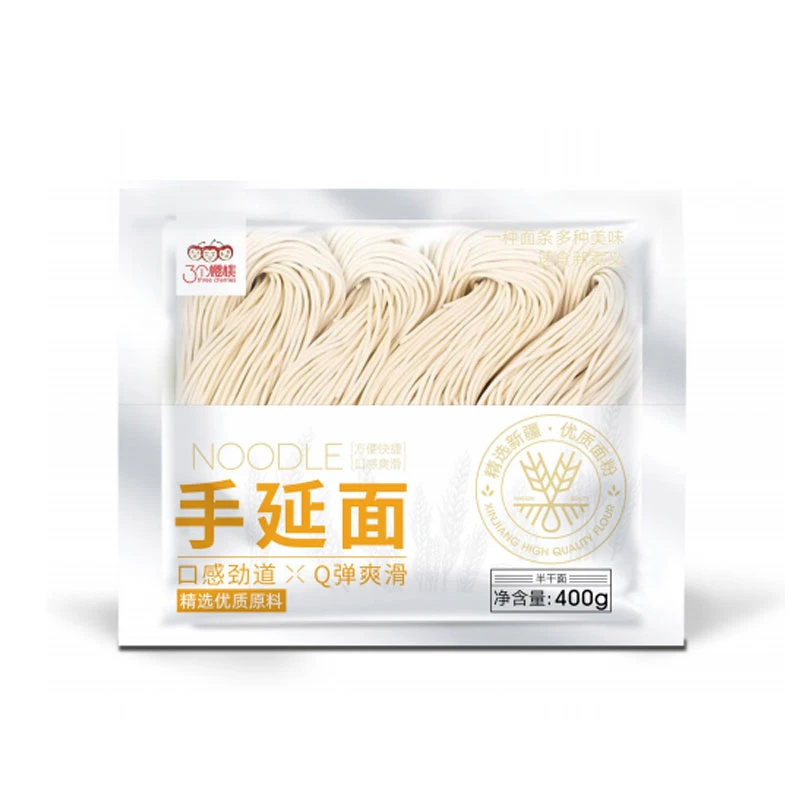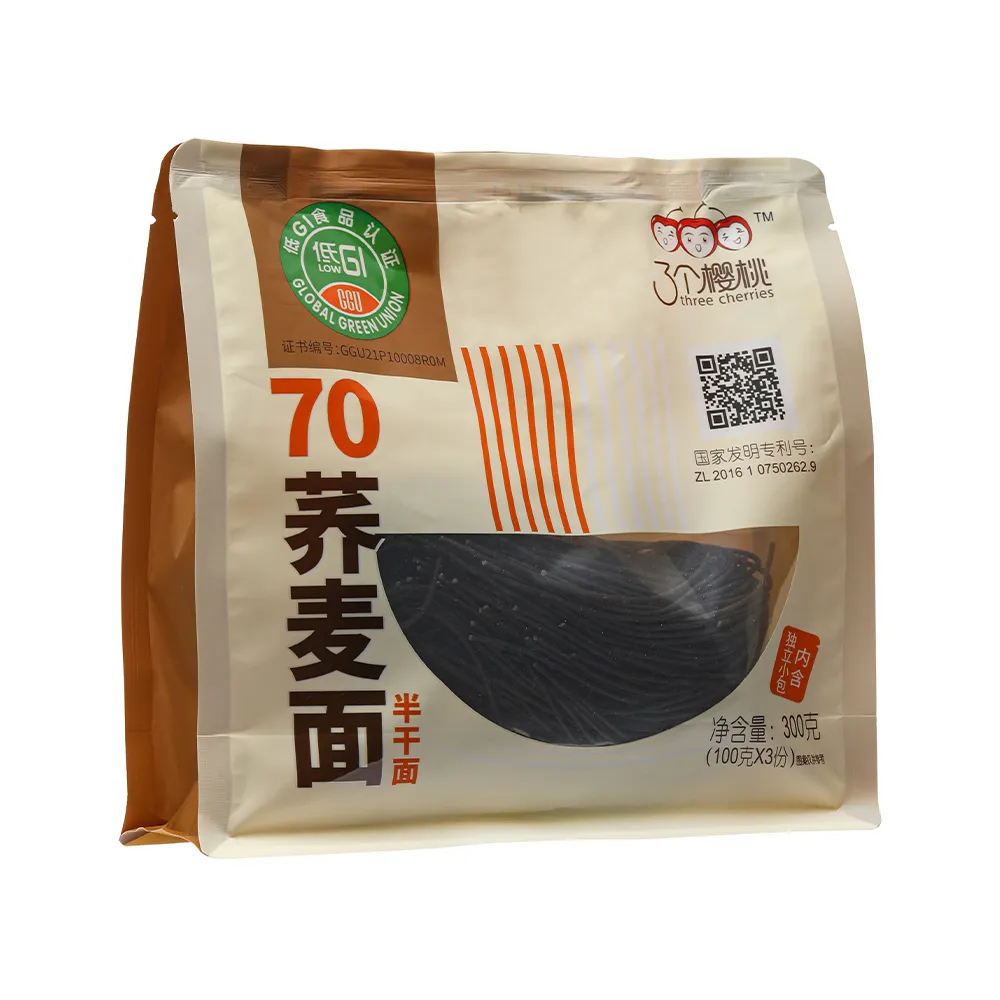

Where to Buy Shirataki Noodles – Your Ultimate Guide to Authentic, Healthy Konjac Noodles
Shirataki Noodles Where to Buy: Understanding a Growing Global Craving
If you've ever dived into the world of healthy eating or traditional Japanese cuisine, you've likely stumbled across shirataki noodles. But knowing shirataki noodles where to buy isn't just a foodie question—it’s becoming a genuine global curiosity, tied to health trends, sustainability efforts, and culinary traditions worldwide. These translucent, low-calorie noodles are made from the konjac plant’s root and offer a remarkable low-carb, gluten-free alternative to wheat pastas. As demand surges globally, from health-conscious consumers to niche restaurants, understanding where to source quality shirataki noodles becomes vital.
Global supply chains, manufacturing innovations, and shifting consumer preferences all play in here — it’s not just a grocery store shelf story. From the UN’s food industry stats emphasizing plant-based diets to growing ISO standards in food processing, the hunger for shirataki noodles reflects wider food culture transformations. Curious? Let’s explore everything you need to know about shirataki noodles where to buy, their practical applications, and what the future holds.
The Global Context: Why “Shirataki Noodles Where to Buy” Matters More Than Ever
Worldwide, health and sustainability are driving rapid food industry changes. According to the Food and Agriculture Organization (FAO) of the UN, plant-based foods consumption is on the rise, with consumers seeking alternatives that are lower in calories and have less environmental impact. Shirataki noodles, thanks to their minimal processing and konjac’s affordability, perfectly align with these trends.
But the question “shirataki noodles where to buy” often trips up many newcomers and even retailers considering adding them to their inventory. Availability greatly varies across continents, and sometimes, unfamiliarity keeps people from dipping their toes in konjac waters. Plus, sustainable sourcing methods and product quality have become critical concerns as supply chains stretch across Asia, Europe, and North America.
Mini takeaway: The importance of finding reliable shirataki noodle suppliers is more than convenience — it helps support sustainable agriculture and global health shifts.
What Exactly Are Shirataki Noodles?
Simply put, shirataki noodles are translucent, gelatinous noodles made from konjac root flour, often called glucomannan. The Japanese name “shirataki” means “white waterfall,” referring to their delicate appearance. They're primarily water and fiber—making them almost calorie-free and very low in carbohydrates. This composition appeals especially to those following ketogenic or diabetic-friendly diets, and they're gluten-free by nature, making them hypoallergenic for many.
More than a diet fad, shirataki noodles intersect with modern food technology and humanitarian needs; for example, their extended shelf life and ease of packaging have attracted interest from food relief agencies aiming to provide nutritious, low-resource meals in emergency zones.
Core Factors in Choosing Where to Buy Shirataki Noodles
1. Product Quality & Authenticity
Quality varies widely depending on konjac root sourcing, production methods, and additives used. Some brands add preservatives or flavorings that might undermine purity. Authentic Japanese shirataki noodles tend to command a premium due to stringent manufacturing standards.
2. Packaging & Shelf Life
Noodles usually come in water-packed pouches or dry form. Fresh water-packed noodles spoil faster, but have a softer texture, while dry noodles last longer though may require soaking. For retailers and consumers alike, knowing packaging types impacts stock management and usage.
3. Availability & Distribution
For those new to “shirataki noodles where to buy,” distribution footprints matter. In the US and Europe, availability has grown in health shops and mainstream grocers, but often online platforms provide the widest selection and best prices. In Asia, local markets typically carry them abundantly.
4. Price Point
While generally affordable, prices fluctuate depending on origin and quantity. Bulk buyers need to weigh cost vs. supplier reliability and shipping terms. Frankly, cheap is not always cheerful when it results in poor texture or quality.
5. Sustainability Credentials
Konjac cultivation is low-impact compared to wheat, but transportation and packaging add environmental costs. Buyers increasingly prefer products with transparent sustainability commitments and certification.
| Feature | Typical Value | Notes |
|---|---|---|
| Main Ingredient | Konjac root (glucomannan) | 100% konjac or blends |
| Calories per Serving (140g) | 10-20 kcal | Extremely low calorie |
| Carbohydrate Content | Fiber-rich glucomannan | |
| Shelf Life | 6 months (dry), 3 weeks (water-packed) | Depends on packaging |
| Gluten-Free | Yes | Naturally gluten-free |
Where Around the World Are Shirataki Noodles Big Business?
Japan is obviously the heartland, where shirataki noodles have been a staple for centuries. But these days, demand is growing in North America, Europe, and parts of Southeast Asia. Health-conscious markets such as the US, especially California and New York, drive much of the import volume, while Europe's organic and specialty food stores also stock them increasingly.
For example, in post-disaster relief scenarios in Asia, suppliers have started including konjac-based meals to provide low-calorie, long-lasting sustenance. Meanwhile, fitness communities in urban centers worldwide embrace these noodles as essential for low-carb meal prep. Even some vegan restaurants swap out traditional pasta for shirataki to cut calories without sacrificing texture.
Top Vendors at a Glance
| Vendor | Origin | Packaging | Average Price (per 200g) | Organic Options |
|---|---|---|---|---|
| Miracle Noodle | USA | Water-packed | $2.99 | No |
| Konjac Foods Co. | Japan | Dry noodles & water-packed | $3.50 | Yes |
| Noodleway | China | Dry noodles | $1.75 | Limited |
Advantages & Long-Term Value of Owning the “Shirataki Noodles Where to Buy” Know-How
In real terms, knowing where to buy shirataki noodles unlocks access to a product with numerous benefits:
- Health benefits: Low calorie, high fiber noodle alternative supports weight management and digestive health.
- Sustainability: Konjac is a resilient crop needing minimal water compared to wheat, reducing environmental footprint.
- Accessibility: Easy to prepare and long-lasting, ideal for busy lifestyles or institutional use.
- Cultural harmony: Bridges traditional Japanese culinary arts with modern global food trends.
People often report that incorporating these noodles gives a little joy to their meals—a sense of adventurous eating that’s also guilt-free and flexible.
Future Trends in Shirataki Noodle Production and Distribution
Looking forward, expect to see more organic and fair-trade certificates as consumer demand grows. Advances in drying technology are improving shelf life without chemical preservatives. Digital supply chain platforms are making it easier for small grocers worldwide to source authentic shirataki noodles.
Plus, innovations in flavor infusion and noodle shapes (think shirataki ramen or lasagna sheets) suggest a blossoming variety beyond the standard strands. And oddly enough, an emerging niche is using konjac fiber in functional foods beyond noodles—whey protein bars, even.
Challenges & How the Industry Is Responding
Low awareness remains a challenge, which often leads to consumers hesitating at “shirataki noodles where to buy” queries. Some complain about the “rubbery” texture or unfamiliar smell—challenges manufacturers and chefs tackle via improved rinsing instructions and recipe education.
Logistics, especially cold or water-packed shipment, add complexity and cost, but dry noodle innovations soften these hurdles. Transparency in ingredient sourcing combats concerns about adulteration or quality fluctuations.
FAQ: Frequently Asked Questions on Shirataki Noodles Where to Buy
Q1: Where can I buy authentic shirataki noodles online?
A1: Authentic shirataki noodles can be found via specialty health food stores, Amazon, and dedicated online retailers like here. Look for brands that source directly from Japan or reputable konjac producers to ensure quality.
Q2: Are shirataki noodles available in local supermarkets?
A2: Many large supermarkets in urban areas now stock shirataki noodles, typically in the refrigerated or gluten-free sections. However, selection varies, so for specific varieties or organic options, specialty stores or online sources remain reliable.
Q3: How should I store shirataki noodles to maximize freshness?
A3: Water-packed noodles should be kept refrigerated and used within weeks of opening. Dry shirataki noodles have longer shelf life and can be stored at room temperature in a cool, dry place.
Q4: Do shirataki noodles have any allergens?
A4: Shirataki noodles are naturally gluten-free and usually hypoallergenic, but check packaging for added ingredients if you have specific allergies.
Q5: Can I cook shirataki noodles like regular pasta?
A5: Yes, but they typically need rinsing and brief boiling or sautéing to improve texture and remove their natural aroma. Many recipes online detail the best methods.
Conclusion: Why Knowing Shirataki Noodles Where to Buy Pays Off
Ultimately, “shirataki noodles where to buy” isn’t just a shopping question—it’s a gateway to healthier, sustainable, and culturally rich eating habits. Whether you’re a retailer, a health enthusiast, or a curious cook, having trustworthy sources for these noodles can revolutionize how you cook and consume pasta alternatives. They offer a beautiful blend of tradition, innovation, and eco-consciousness. Curious to start? Visit our website at https://www.jxsemidrynoodles.com for premium products and expert advice.
Mini takeaway: Knowing where to buy quality shirataki noodles equips you with culinary flexibility, supports sustainable agriculture, and keeps you at the forefront of a growing global trend. Often, the simplest choices eat best in the long run.
References:
1. Food and Agriculture Organization of the United Nations (FAO). http://www.fao.org/home/en/
2. Konnyaku, Wikipedia. https://en.wikipedia.org/wiki/Konjac
3. ISO Standards for Food Safety and Quality, ISO.org https://www.iso.org/iso-22000-food-safety-management.html
-
Discover the Authentic Taste of Korean Buckwheat NoodlesNewsApr.16,2026
-
Discover the Refreshing Taste of Authentic Korean Cold SobaNewsApr.09,2026
-
Discover the Refreshing Taste of Korean Cold Buckwheat Noodles NaengmyeonNewsApr.07,2026
-
Discover the Cool and Refreshing World of Korean Buckwheat Noodles ColdNewsApr.04,2026
-
Discover the Refreshing Taste of Japanese Cold Buckwheat Noodles and Zaru SobaNewsMar.31,2026
-
Exploring the Delicious World of Chinese Style Cold NoodlesNewsMar.28,2026
-
Discover the Cool and Refreshing World of Korean Cold Soba NoodlesNewsMar.26,2026
Browse qua the following product new the we