
Discover the Benefits of Soba Noodles for Weight Loss | Healthy Eating Guide
What’s the Buzz Around Soba Noodles for Weight Loss?
If you've ever browsed a wellness aisle or scrolled through health blogs, you've likely stumbled on soba noodles touted as a weight-loss-friendly food. Why all the fuss? Well, globally, obesity rates have been climbing and with billions watching what they eat, soba noodles have come up as a natural, traditional ally. These Japanese buckwheat-based noodles aren't just about delivering umami—they pack a punch of nutritional benefits that align with weight management goals.
Understanding soba noodles for weight loss connects us with both nutrition science and cultural food wisdom, bridging modern health needs with age-old diets. They're an accessible, satisfying alternative to standard pasta, which tends to be carb-heavy and can spike blood sugar levels if eaten in excess.
Mini takeaway: Soba noodles are gaining worldwide recognition as a smart, tasty choice for people aiming to lose weight or maintain a healthy diet—thanks mainly to their fiber, protein content, and lower glycemic index.
Why Are Soba Noodles Important on a Global Scale?
Worldwide, the epidemic of obesity and overweight affects more than 1.9 billion adults, as reported by the World Health Organization (WHO). With such alarming numbers, finding sustainable dietary options is more critical than ever. Enter soba noodles. According to the United Nations Sustainable Development Goals, promoting healthy diets helps reduce the burden of non-communicable diseases and promotes longevity.
In countries across Asia, Europe, and North America, soba noodles are increasingly being recommended by nutritionists. They provide a low-fat, nutrient-dense carbohydrate source that fits well into various dietary frameworks, from paleo-inspired to vegan.
Oddly enough, soba also meets food security needs, as buckwheat crops grow in poorer soils and cooler climates, making them an affordable grain alternative globally. This characteristic gives soba noodles a unique edge in battling malnutrition as well as obesity.
Mini takeaway: Soba noodles not only serve individual health goals but also fit into broader global health and sustainability strategies.
What Exactly Are Soba Noodles for Weight Loss?
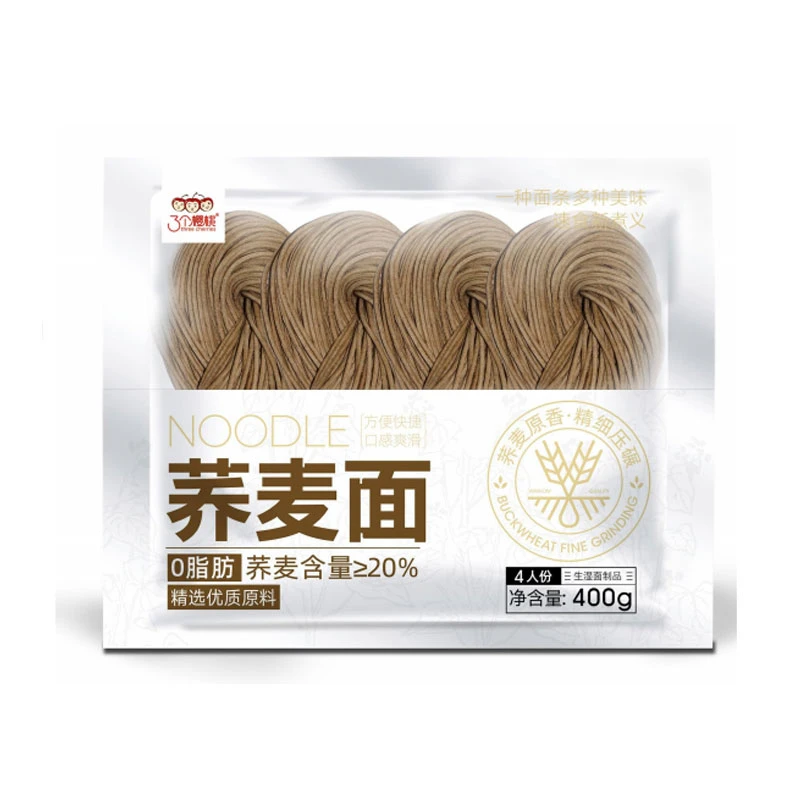
Simply put, soba noodles are thin Japanese noodles made primarily from buckwheat flour, sometimes mixed with wheat flour for elasticity. For weight loss, they're valued because:
- Low glycemic index: They cause slower blood sugar spikes.
- High fiber: Promotes satiety and aids digestion.
- Protein content: Buckwheat has a complete amino acid profile.
- Low calorie: Compared to regular pasta or rice.
This combination makes soba a practical, tasty option for people who want to shed pounds without sacrificing flavor or feeling hungry all the time.
On the industry side, soba noodles have tapped into the health food market, driving product diversification such as gluten-free and organic variants, to meet expanding consumer demands.
Key Factors Making Soba Noodles Effective for Weight Management
1. Nutritional Profile
Compared to traditional wheat noodles, soba offers a richer fiber and protein content, both vital for appetite regulation.
2. Glycemic Impact
Because of buckwheat’s unique starch composition, soba noodles have a low glycemic index (~45), making them an ideal carbohydrate for stable energy without insulin spikes.
3. Versatility in Diets
Soba noodles are easily integrated into various cuisines and diets, from cold salads to hot bowls, meaning they're flexible for daily meal planning.
4. Sustainable Ingredient Source
Buckwheat is a resilient crop requiring less water and pesticides, providing an eco-friendlier carbohydrate option versus rice or wheat.
5. Satiety and Digestive Health
The soluble fiber in buckwheat sustains feeling full and promotes gut health—both key when aiming to control calorie intake.
Mini takeaway:
These four pillars combine nutritional benefits and sustainability, giving soba noodles a unique spot in weight loss diets.
How Are Soba Noodles Used Around the World?
In real terms, soba noodles have traveled far beyond Japan. They’re embraced in health-conscious markets in the U.S., Europe, and Southeast Asia, often featured in salad bowls, stir-fries, or broths.
- Post-disaster relief: Organizations include soba-based meals for nutrition and energy in aid kits due to shelf life and health benefits.
- Weight management clinics: Some U.S. dietitians recommend soba noodles as a staple carb alternative.
- Fitness and wellness industries: Protein-rich soba noodle dishes fuel active lifestyles.
Soba noodles for weight loss are also popular in ready meal kits, underscoring their convenience for busy consumers.
Product Specification Table
| Feature | Typical Value | Benefit for Weight Loss |
|---|---|---|
| Calories (per 100g cooked) | 99 kcal | Lower energy intake; controls calorie count |
| Protein | 5g | Supports muscle mass and satiety |
| Dietary Fiber | 3g | Improves digestion and fullness |
| Glycemic Index | ~45 | Prevents blood sugar spikes |
| Gluten Content | Varies by brand (some gluten-free) | Suitable for gluten-sensitive diets |
Comparing Top Soba Noodle Vendors
| Vendor | Product Type | Price Range | Gluten-Free Options | Organic Certification |
|---|---|---|---|---|
| SobaHouse | Traditional & Organic | $$ | Yes | Yes |
| Buckwheat Bliss | Gluten-Free Focus | $$$ | 100% | No |
| Noodle Zen | Mixed flour blends | $ | Limited | Partial |
Advantages and Long-Term Value of Soba Noodles for Weight Loss
The benefits actually go deeper than just weight control. Many find soba noodles evoke a sense of “clean eating” that feels good emotionally — it’s wholesome, natural, and reminds people of simpler meals. This connection to tradition also means eating soba can be comforting, which frankly matters when trying to stick to any diet.
From a logical perspective, soba noodles:
- Support metabolic health with balanced energy release.
- Reduce food waste by lasting longer as dried products.
- Promote smallholder farmers who grow buckwheat sustainably worldwide.
- Help keep grocery bills moderate compared to specialty health foods.
The combined emotional and practical appeal can build lasting habit changes. I noticed many weight-loss programs promoting soba show better compliance because it just “feels right” to eat them daily.
What’s Next? Future Trends in Soba and Weight Loss
Food tech is pushing soba noodle innovation forward. Think gluten-free, organic, and protein-enriched options hitting shelves more and more. Some startups are exploring buckwheat soba fortified with vitamins or adapting production for better digestibility using fermentation techniques. There’s even buzz around climate-smart farming that could increase buckwheat yields while cutting emissions.
Digital meal planning apps now include soba-based recipes tailored for weight loss, showing how technology and tradition can meet.
Challenges and Clever Solutions in Using Soba Noodles for Weight Loss
Not everything is smooth sailing. Some people face gluten sensitivities, so traditional soba noodles—usually mixed with wheat—may not fit their needs. Luckily, many vendors now create 100% buckwheat gluten-free noodles. The texture can differ, and some people find it a bit grainy until they get used to it.
Another constraint is preparation time—soba noodles require careful cooking to avoid mushiness which some busy consumers might find inconvenient. Ready-made or pre-cooked versions are gaining traction, though often at a cost premium.
FAQs About Soba Noodles for Weight Loss
Q1: Are soba noodles better than regular pasta for losing weight?
A: Yes, generally soba noodles have fewer calories and a lower glycemic index than traditional wheat pasta, helping to prevent blood sugar spikes and keep you fuller longer.
Q2: Can gluten-sensitive people safely eat soba noodles?
A: It depends—some soba noodles contain wheat flour, but many brands offer 100% buckwheat options that are gluten-free. Always check the label.
Q3: How should soba noodles be cooked for best health benefits?
A: Cook them briefly (typically 4-5 minutes) in boiling water, then rinse with cold water to stop cooking. This preserves their texture and lowers the glycemic response.
Q4: Are soba noodles suitable for diabetic diets?
A: Due to their low glycemic index, soba noodles can be a good carb option for many diabetics, but consultation with a healthcare professional is still recommended.
Q5: Where can I buy quality soba noodles for weight loss?
A: Many online retailers and health food stores stock soba noodles, including specialized brands focused on gluten-free and organic varieties. Our website at https://www.jxsemidrynoodles.com is a reliable place to start.
In Conclusion: Why Soba Noodles Are Worth Your Plate
When it comes to smart, delicious weight loss food choices, soba noodles stand out as a blend of nutrition, tradition, and sustainability. They address both the practical and emotional sides of dieting, making them easier to adopt long term. Plus, their positive global footprint and ongoing innovations make me optimistic about their staying power in a health-conscious diet.
Next time you want a satisfying bowl that supports your goals, consider soba noodles—and don’t forget, soba noodles for weight loss aren’t just tasty, they’re a lifestyle choice.
Happy eating — slowly, mindfully, and with a bit of that buckwheat magic!
References
-
Discover the Authentic Taste of Korean Buckwheat NoodlesNewsApr.16,2026
-
Discover the Refreshing Taste of Authentic Korean Cold SobaNewsApr.09,2026
-
Discover the Refreshing Taste of Korean Cold Buckwheat Noodles NaengmyeonNewsApr.07,2026
-
Discover the Cool and Refreshing World of Korean Buckwheat Noodles ColdNewsApr.04,2026
-
Discover the Refreshing Taste of Japanese Cold Buckwheat Noodles and Zaru SobaNewsMar.31,2026
-
Exploring the Delicious World of Chinese Style Cold NoodlesNewsMar.28,2026
-
Discover the Cool and Refreshing World of Korean Cold Soba NoodlesNewsMar.26,2026
Browse qua the following product new the we